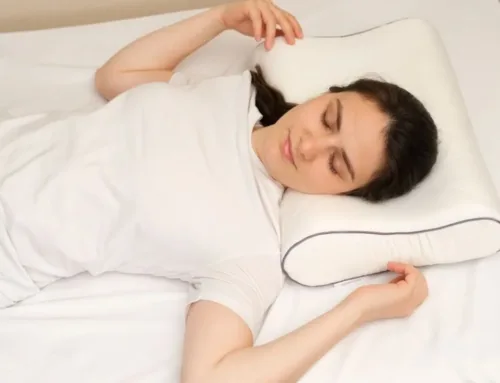

Side sleeping is common and healthy, but the wrong setup can cause pain. People wake up with stiff necks, sore shoulders, or lower back pressure when their body isn’t supported properly. With the right mattress, pillow, and position, the body can stay steady through the night and feel better in the morning, including choosing the right type of mattress for side sleepers, being mindful of what side sleepers should be aware of, and following guidance on picking a mattress for side sleepers.
This guide covers what side sleepers need to stay comfortable. It explains how spine alignment reduces pressure on hips and shoulders. And it shows how to choose bedding that supports the body instead of working against it. The final section covers easy steps for a better setup. Small adjustments keep the body in a natural position and reduce pain during sleep.
Key Takeaways
- Side sleepers feel sore if hips and shoulders aren’t supported, so pick a mattress that holds them evenly.
- Memory foam shapes to the body, easing joint pressure and giving side sleepers comfort all night.
- Hybrid mattresses mix coils and foam to lift the body, keep airflow, and support the spine.
- Light sleepers may prefer soft foam, while heavier sleepers usually need firmer hybrid layers.
- The best mattress matches comfort, support, temperature, and movement needs, so try it before deciding.
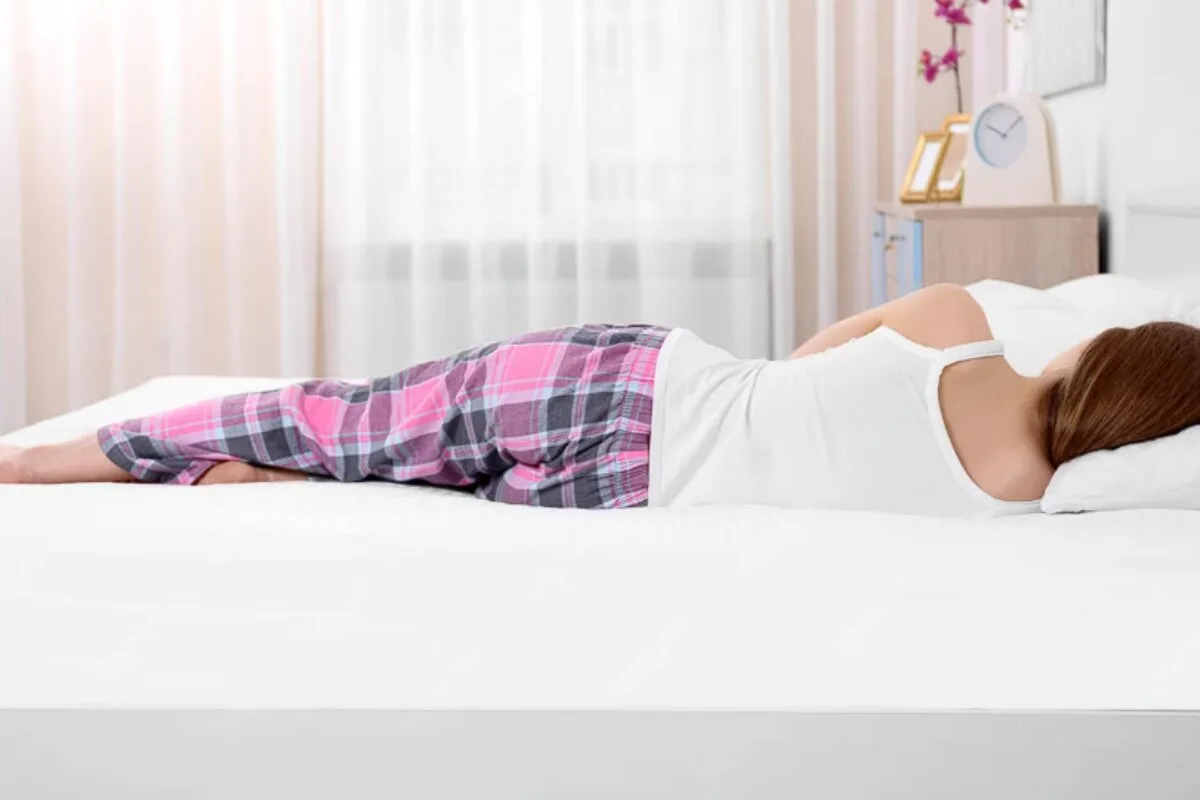
Best Sleeping Position For Side Sleepers
Sleeping on the side is easier when the body stays aligned. The shoulders, spine, and hips should follow the same line so the back does not twist. When everything stays even, it is easier to relax. Many people use a loose fetal position. The knees pull in a bit toward the chest, which helps release pressure in the lower back. But if the body curls too tight, the joints can feel stiff in the morning.
A pillow between the knees can help keep the hips steady. It stops the legs from pressing together and supports the lower back. This small change can support a more comfortable rest.
Choose The Best Mattress For Side Sleepers
A side sleeper needs a mattress that feels soft on the shoulders and hips but still keeps the back supported. The ideal feel is usually medium or medium-soft. The right level depends on the person’s body weight and how much cushioning they need. If the mattress is too firm, a side sleeper may wake up with tight shoulders or hips. But if it’s too soft, the spine can fall out of place. A good mix of comfort and support keeps the body steady through the night.
A side sleeper needs to focus on the right firmness and support for side sleepers, balancing softness and firmness, and choosing between memory foam or hybrid to keep the spine aligned and relieve pressure on shoulders and hips.
How To Keep Your Spine Aligned
Supporting the spine is the main goal for people who sleep on their side. When the back stays level, the body releases tension. But if the hips sink or the neck tilts, the person wakes up with clear aches. And many people don’t notice the problem until the morning pain shows up.
The first thing to check is the mattress. It should hold the hips and shoulders without pulling the body down. And the pillow should keep the head from lifting too high or dropping low. A small change in height can shift the whole sleep position. Some people place a small pillow or rolled towel under the waist when the midsection feels uneven. This adds a bit of lift and helps the back stay in one straight line. It’s a simple fix that supports steady comfort through the night. And it gives the body a more natural place to rest until morning.
Want a mattress that supports comfort, movement, and intimacy? See our guide to the best mattresses for sex and compare options for responsiveness, support, edge stability, and cooling.
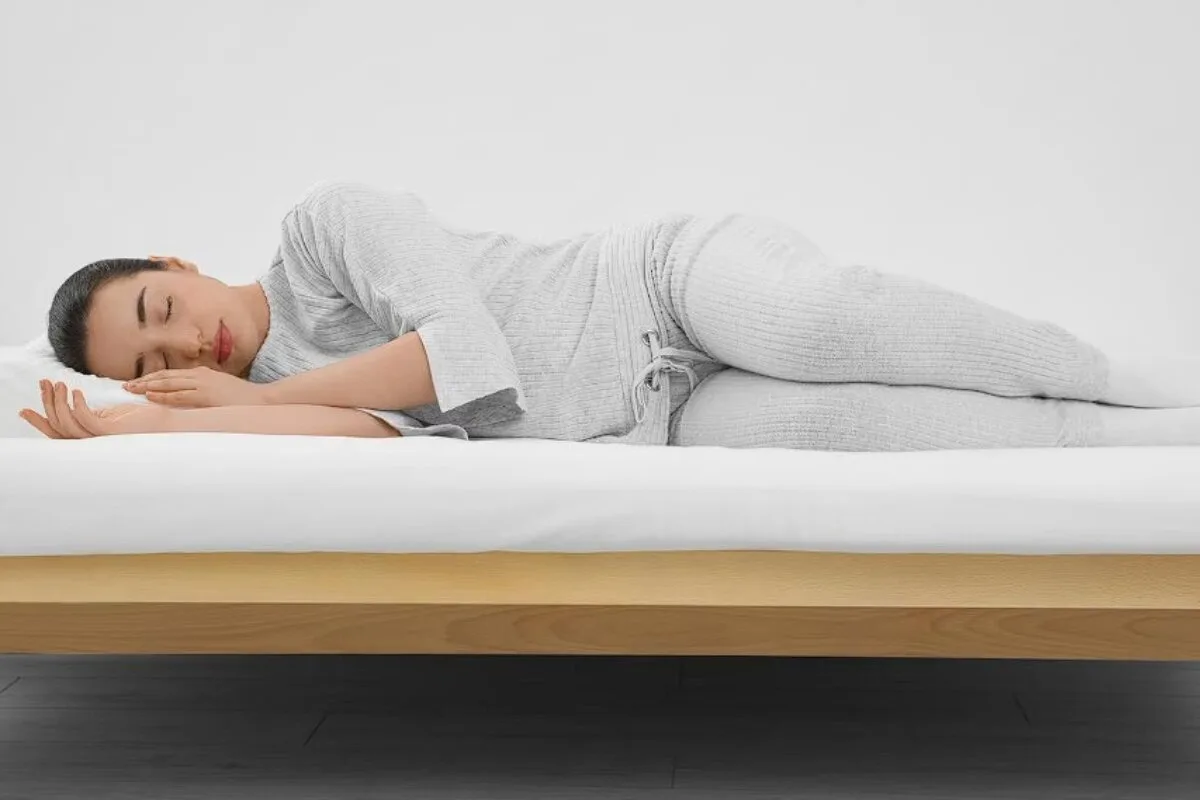
Pillow For Side Sleepers: What To Look For
A side sleeper needs a pillow that gives real support. A thin pillow or one that sinks too much won’t help at all. They need something thick enough to fill the space between the ear and the shoulder so the head doesn’t tilt. The right height of a pillow for side sleepers and thickness of a mattress work together to keep the neck in line with the spine. When that’s steady, there’s less tension in the morning. Memory foam and latex pillows hold their shape through the night, so they can keep that support without sagging.
Some people also use a body pillow. They hold it in front of them so their arms stay in place. This stops the shoulders from twisting and keeps the body in a calmer position while they sleep.
How Mattress Thickness Affects Side Sleepers
Side sleepers usually feel better on a mattress that’s around 10 to 14 inches thick. That height gives them a softer top section, which helps ease pressure on the hips and shoulders. It also gives their body enough room to settle in without sinking too deep. But they still need something that keeps their spine steady. When a mattress is very thick and too soft, their back can fall out of line. A strong support core with a few inches of softer foam or latex on top is usually enough to keep everything level while still feeling comfortable.
If the mattress is too thin, it can push against the joints and cause pain, especially for someone heavier. It doesn’t have much room to soften the pressure. A thicker mattress isn’t always better, but when the layers are balanced, the surface feels kinder on the body. And that tends to help side sleepers rest without extra strain.
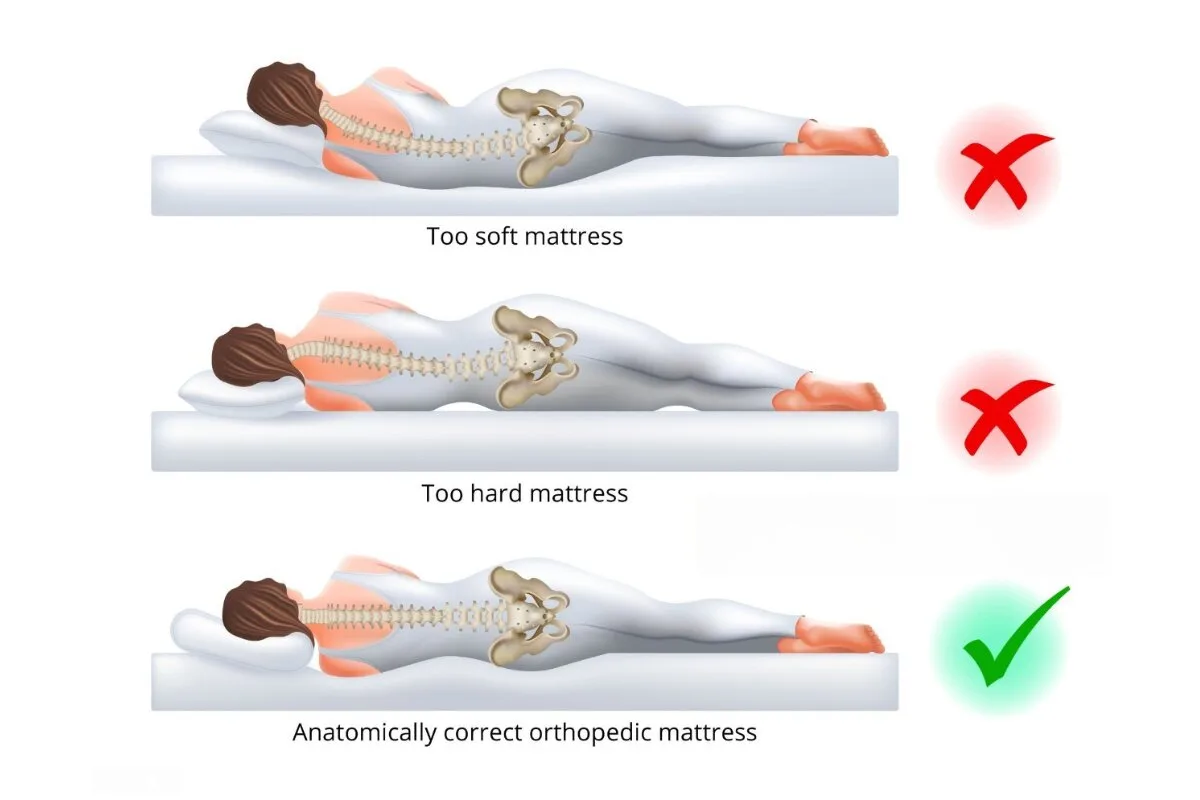
Pressure Relief Tips For Side Sleepers
Side sleepers can ease pressure on their shoulders and hips by making a few simple changes. A mattress with memory foam or latex on top can shape to the body and reduce strain. Using memory foam mattresses best for side sleepers and sleeping correctly ensure the spine stays aligned and the body rests without waking up sore.
A thicker pillow can hold the head and neck in a steady position. Some people also place a body pillow or a small pillow between their knees to keep their hips level. This keeps the spine in a calmer, more natural line through the night. It also helps to keep the arms in front instead of tucked under the body. Twisting the back while sleeping can lead to tight muscles, so staying in a straighter position is better. Even one small change can help a side sleeper get up with less stiffness and more steady energy.
Comfort Layer
The comfort layer is the top section of the mattress, and it’s the part people feel first. It’s where side sleepers get the support they need so their hips and shoulders don’t take all the pressure. When this layer feels soft enough, the body can settle in without strain. A comfort layer that’s around 2 to 3 inches thick gives most people what they need. Materials like latex, memory foam, or gel foam shape to the body in a steady way and help keep the surface from holding too much heat. It’s a simple setup but it helps with staying comfortable through the night.
When a mattress feels too firm, adding a topper can help. It adds another layer that adjusts to the body and eases pressure. And it’s an easy fix if someone doesn’t want to replace their whole mattress.
Best Sleep Habits For Side Sleepers
Side sleepers can feel better at night with a few simple habits. Keeping the spine straight is easier when a small pillow sits between the knees. And a consistent sleep schedule helps the body settle into a regular rhythm that feels natural over time. Light stretching before bed can ease tight hips and the lower back. It doesn’t need to be long, just enough to release tension from the day. And placing the arm under the pillow can strain the neck, so avoiding that position can help the body stay relaxed.
Sleeping on the left side may also support digestion and calm heartburn. It’s a small shift but can give the body a calmer start to the night. With these habits, side sleepers can rest with a bit more comfort and wake up feeling steady.

Sleeping Left Side vs. Sleeping Right Side
Sleeping on the left side tends to support digestion and ease pressure around the heart. Many people notice their stomach feels calmer in this position. And for someone who deals with reflux, the left side can bring some relief at night. Pregnant women are usually told to rest on their left side because it helps blood move through the body. It can support the baby’s circulation too. This position can give the body more room to breathe and relax.
Sleeping on the right side is still fine if it feels natural. Some people prefer it and wake up more rested. The main thing is that the body stays aligned and the position doesn’t create pain or strain.
Final Thoughts
Side sleeping helps the spine stay in a natural line, and it can make breathing feel easier at night. But comfort depends on small things people don’t always notice. A few simple changes can help someone wake up with less pain. The mattress should give steady support without letting the body sink too deep. A pillow that keeps the neck level also helps. Some people place a small pillow between their knees to keep their hips steady, and they try to keep their arms in front of them instead of under the body.
With these habits, side sleeping can feel smoother and more restful. And if someone wonders how a side sleeper should sleep, the answer is simple. Stay aligned, stay supported, and keep the setup comfortable.