
Finding the right mattress can be hard for heavier people. A lot of mattresses start to sag too soon or lose support over time, and that can cause poor sleep and body pain.
Heavier sleepers need steady support to keep the spine in a good position. A mattress should also stay durable and not sink too much after regular use. The wrong mattress can lead to back pain, restless nights, and money wasted on something that doesn’t last. Firmness matters too. Some heavier people may need a firmer mattress for better support, while others may feel more comfortable on something softer. It really depends on body type, sleep position, and personal comfort.
A good mattress for heavier people is made with stronger materials and a design that gives better support. These features help the body stay comfortable and supported all night. In the next section, we’ll go over what to look for and how to choose the right one.
Key Takeaways
- Choose a medium-firm or firm mattress with strong support layers to help keep the spine aligned and reduce the risk of sagging over time.
- Natural latex, high-resiliency foam, and pocketed coils are durable materials that can provide longer-lasting support than lower-density foams.
- A well-built hybrid mattress combines supportive coils with dense comfort layers to provide pressure relief, stability, and improved airflow.
- Features like reinforced edge support, thicker profiles, two-sided designs, and clearly listed foam densities can indicate a more durable mattress.
- Instead of focusing only on brand or price, compare the materials, weight capacity, and construction to find a mattress that offers lasting support and comfort.

Why Standard Mattresses Usually Don’t Work For Heavy People
Most standard mattresses use soft, low-density foam. It feels good at first. For heavier people, that foam compresses fast and loses shape. Once that happens, the mattress no longer holds the body the way it should.
Heavier sleepers need to consider mattress limits and precautions, as being too heavy for a mattress and the factors heavy people should be aware of when buying a mattress can affect support and comfort. When the top layers sink in, support drops. Body impressions form and stay. That puts pressure on the back and hips. Sleep can start to feel uncomfortable night after night.
Many big brands sell a story instead of details. They use words like plush but skip real specs. Foam density and support layers are rarely explained. Heavier bodies need stronger materials and clear construction.
What Heavy Sleepers Actually Need In A Mattress
When someone carries more weight, a mattress has a tougher job. It needs to ease pressure on the body. It also needs to keep the spine straight through the night. Both matter if sleep is going to feel steady and pain-free.
Pressure relief cannot come from softness alone. If the mattress sinks too much, the body drops out of line. That strain usually shows up in the lower back and hips. Support has to be present from the first layer down. That is why the layers matter so much. The top should feel comfortable but not weak. The base needs to stay firm and hold shape under weight. Materials like latex or dense foam tend to hold up better than cheaper memory foam over time.
Need a mattress built for stronger support and long-term durability? Browse our plus-size mattress reviews to compare comfort, firmness, edge support, cooling, and overall value.
Why Mattress Firmness Is More Important For Heavy People
People with more body weight usually need a mattress that is medium-firm or firm. Extra weight presses down on the bed more. What feels medium to someone else can feel too soft and bend the spine out of line.A firmer mattress helps keep the back straight during sleep. It still feels comfortable when it is built the right way. Firm does not mean stiff or painful.
Some materials also handle weight better than others. Latex is a good example. It feels soft at first, then gives stronger support as the body settles in.
The Best Mattress Materials For Heavy People
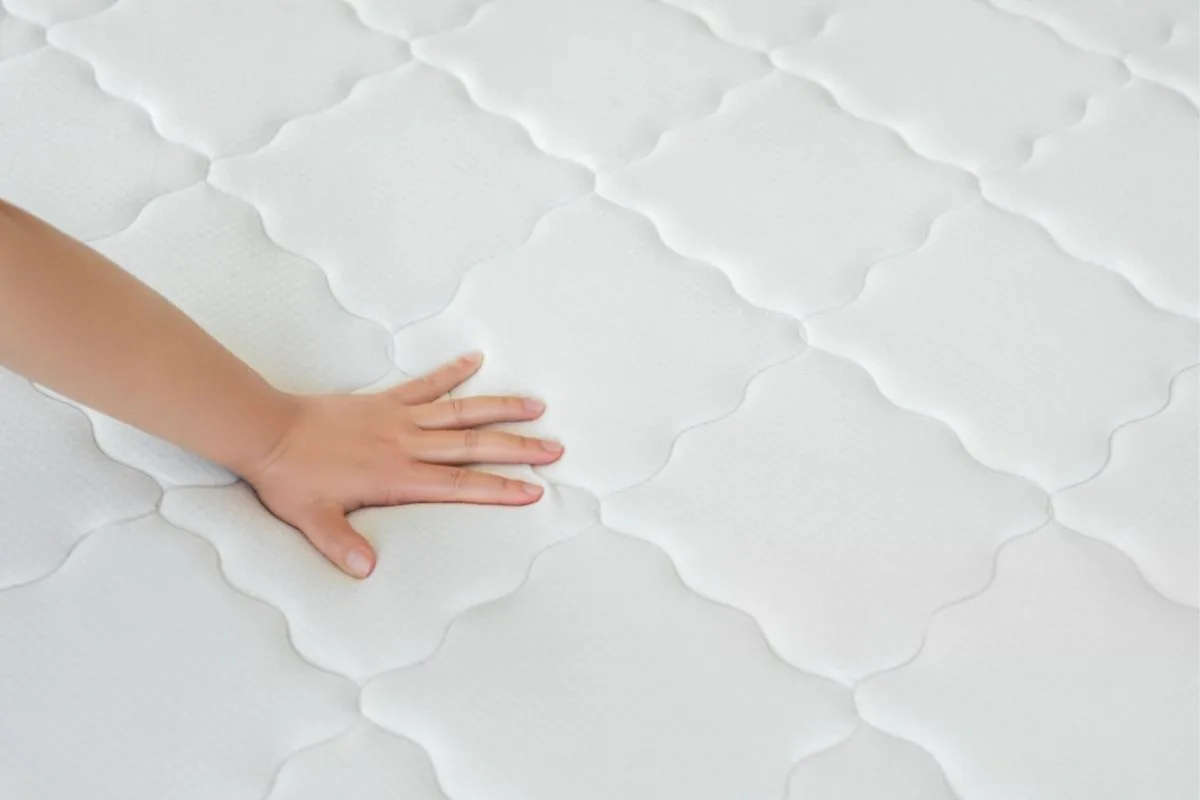
- Latex foam: Natural or blended latex feels responsive and steady. It holds its shape over time and supports the body without feeling stiff. It also eases pressure without letting the body sink too far.
- High-resiliency polyfoam (HR foam): This is a firmer type of foam than standard polyfoam. It provides solid support and lasts longer. A density above 2.5 lb/ft³ is a safer choice for heavier sleepers.
- Pocket coil innersprings: Individually wrapped coils support weight evenly and allow air to move through the mattress. When paired with strong comfort layers, they offer balanced support and stability.
- Materials to avoid: Low-density memory foam and cheap polyfoams wear down fast. They lose shape, sag early, and stop supporting the body properly.
- Why material choice is important: Stronger materials keep the hips and shoulders from sinking too deep. This helps the spine stay aligned and can reduce back pain.
Dealing with hip discomfort at night? Explore our guide to the best mattresses for hip pain and compare options designed for pressure relief, support, and better sleep.
Hybrid Mattresses
Hybrid mattresses mix coils with foam or latex layers. The coils add lift and structure. The foam or latex adds surface comfort. This setup keeps the bed from feeling flat or soft too fast. For heavier sleepers, the coil system helps keep the body level through the night. Zoned coils matter, especially when the middle feels firmer under the hips. This helps reduce sink around the waist. The top layer should be at least two inches of dense latex or high-resilience foam.
Memory foam can be used, but only if it is dense. Lower-density foam breaks down faster under weight. That leads to dips and less support over time. A solid hybrid balances pressure relief with steady support without feeling unstable. This makes a memory foam mattress, a hybrid mattress, and a dense memory foam or hybrid combination suitable for a heavy person.
Two-Sided Mattresses
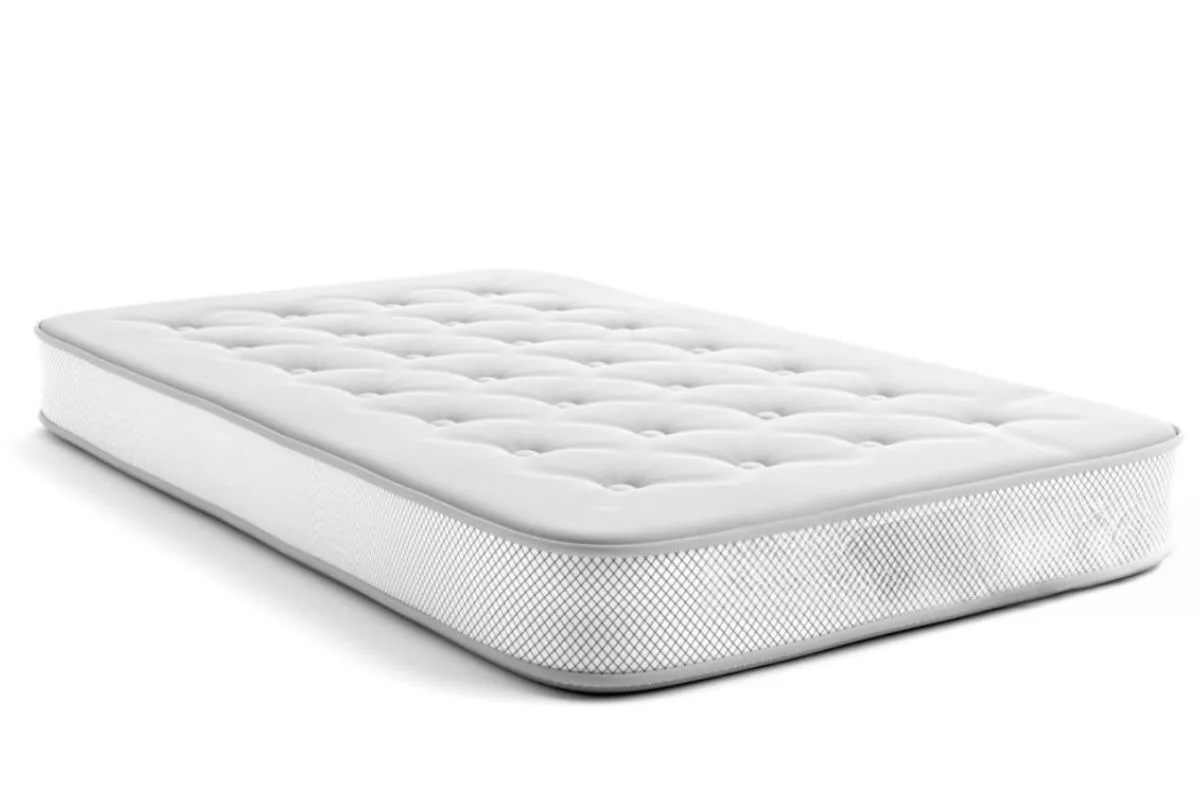
Two-sided mattresses are less common now, but they can be a smart choice for heavier sleepers. Many brands moved to one-sided designs to cut costs. That shift does not always help with long-term support. A two-sided build gives the mattress a more usable surface over time. These mattresses can be flipped on a schedule. Flipping helps spread pressure across both sides. That slows down sagging in one spot. It also helps the mattress keep its shape longer. This is useful for people who put more weight on the bed.
Most two-sided mattresses come from smaller or local makers. They are not always easy to find in big stores. That means buyers may need to do extra research. But the build quality is usually more straightforward. And that can mean fewer issues down the line.
Red Flags To Watch Out For
Heavier shoppers should pay attention to certain red flags when buying a mattress. Labels like plush or ultra-soft without clear details can be misleading. Comfort names alone do not explain how the bed supports weight. One-sided mattresses with thin comfort layers can be a problem. They tend to wear down faster under more pressure. This can lead to sagging and poor support over time.
A mattress should clearly list foam density or ILD. Too much memory foam in thick layers is another concern. These signs suggest the mattress may break down early and fail to support the body.
Mattress Edge Support
Mattress edge support is important, especially for heavier sleepers. Without it, the edges can sink or collapse when you sit or lie near them. This can make getting in and out of bed harder and reduce the usable sleep surface.
The main thing to check is how the edges are built. Some mattresses use reinforced foam, while others extend the coils all the way to the edge. Both methods help keep the mattress firm and stable along the sides. Strong edges can also prevent accidental rolling off the bed. They give more space to sleep comfortably and sit safely. For heavier sleepers, paying attention to edge support can improve both comfort and safety.
Mattress Lifespan Expectations For Heavy People
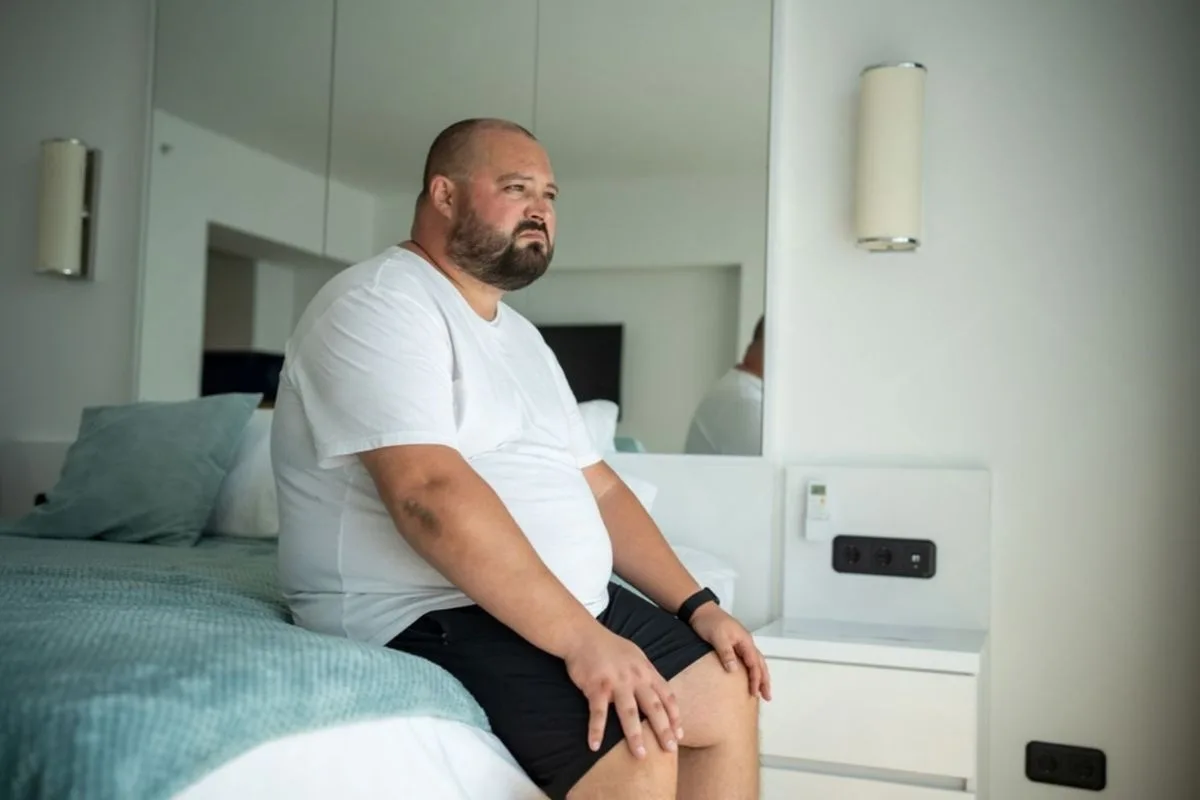
A heavier person can cause a mattress to wear out faster. Standard mattresses lose support more quickly under extra weight. High-density foam or latex can handle it better. Choosing the right mattress can prevent sagging and improve sleep quality.
Spending more on a durable mattress can save money in the long run. Cheaper beds may sag or compress quickly. Choosing quality materials helps avoid replacing a mattress too soon. It’s worth checking the mattress’s weight limit before buying. It’s important to match the mattress to your weight. A mattress that handles heavier loads keeps its shape and support longer. And that can mean more consistent comfort every night. Picking a mattress designed for heavier sleepers can also reduce back or joint pain.
Final Thoughts
For heavier sleepers, a mattress affects sleep, energy, and health. The wrong mattress can cause back pain, sagging, and restless nights. A supportive one helps you wake up rested and lasts longer without losing shape.
The right thickness for a mattress for a heavy person and choosing between a memory foam or hybrid mattress are both important in providing proper support and comfort.
The best mattress for heavier people is firm or medium-firm, with high-quality materials like latex or resilient foam. A thicker mattress, at least 12 inches, prevents sinking too deep, and reinforced edges add stability. Avoid cheap polyfoam or soft memory foam that can wear out quickly. You don’t need the priciest brand. Focus on durability and support instead of the label. A mattress that holds up under your weight and supports your spine gives your body the rest it needs. Every night, it should help you feel comfortable and ready for the day ahead.