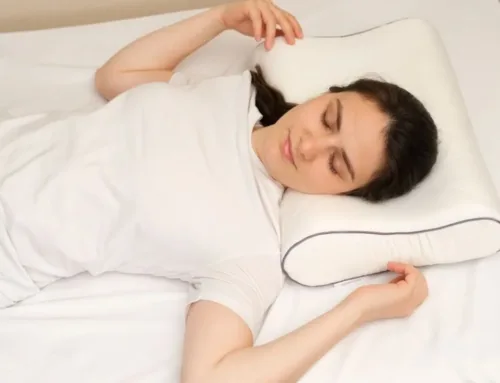

Side sleepers carry most of their weight on their shoulders and hips. A mattress that is too firm can leave them sore in the morning. If it’s too soft, the spine can sink and cause discomfort. The right firmness supports pressure points and keeps the spine aligned. Finding the ideal option involves considering the type of mattress good for side sleepers and the best way to pick a mattress for side sleepers.
Choosing a mattress depends on your body and how you sleep. Materials like memory foam or latex can provide support without sinking too much. The goal is to reduce pressure on shoulders and hips while letting the spine stay in a neutral position. In this guide, we’ll explore mattress firmness for side sleepers. We’ll look at different levels, materials, and how to match a mattress to your body and sleep style. This will help you sleep more comfortably and wake up without pain.
Key Takeaways
- Side sleepers need a mattress that cushions shoulders and hips but still supports the spine so it stays straight through the night.
- Medium‑soft to medium‑firm mattresses (about 4–6 on a 1–10 scale) are usually best. Not too soft, not too hard.
- Memory foam, hybrid, and latex mattresses are good choices. They shape to your body and ease pressure on hips and shoulders.
- Body weight changes what feels right. Lighter people usually need softer mattresses. Heavier people need firmer support.
- Picking the right firmness can help reduce morning aches, keep the spine aligned, and make sleep more comfortable.
What Mattress Firmness Is Best For Side Sleepers?
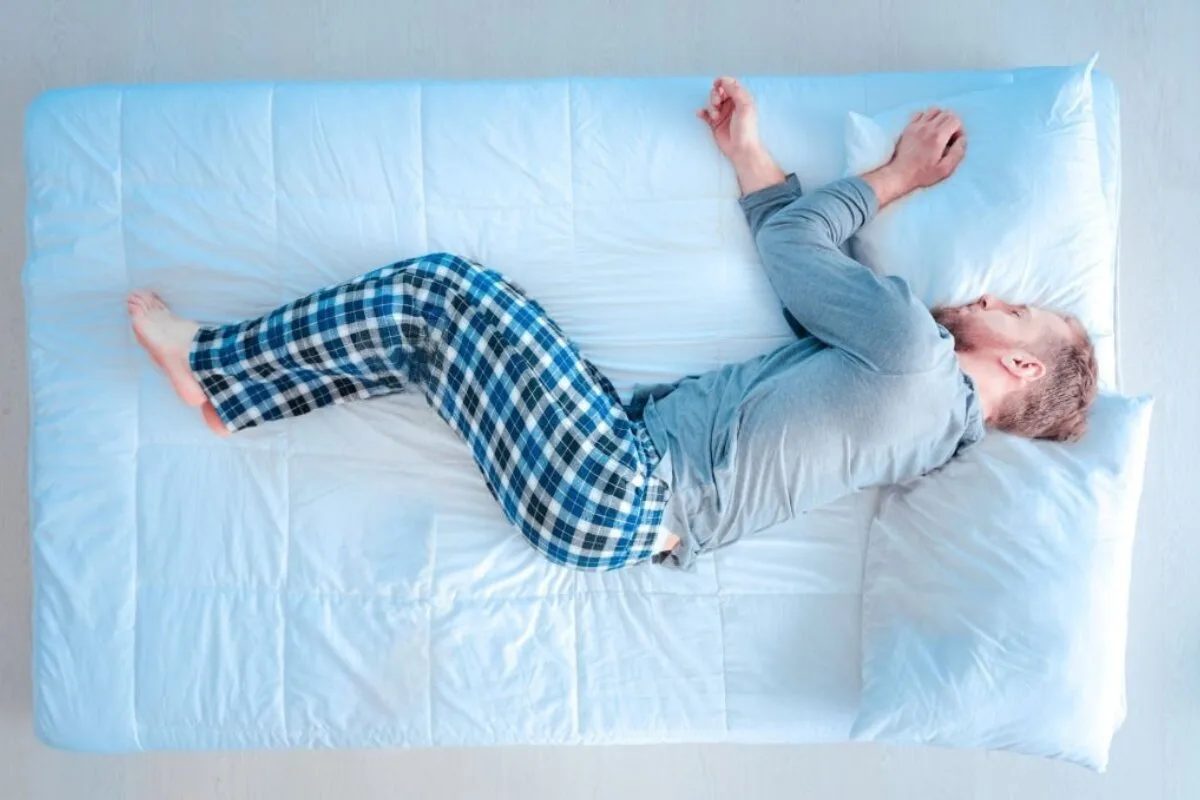
Side sleepers usually need a mattress that’s not too soft or too firm. A medium-soft to medium-firm feel is best, around 4 to 6 on the firmness scale. This type cushions the shoulders and hips while keeping the spine straight, offering the ideal balance between firmness and softness and the contouring support memory foam provides for side sleepers.
A mattress that’s too firm can put pressure on joints and cause discomfort. On the other hand, a very soft mattress lets the body sink too much. This can make the spine bend in the wrong way and lead to aches. Choosing a medium mattress gives a good balance of support and comfort. The right comfort layer also helps keep pressure off key points. Side sleepers should choose one that feels right for their body shape and weight.
Why Mattress Firmness Is Important For Side Sleepers
Side sleepers put more pressure on their hips and shoulders because of how their body curves. A mattress that’s too hard can press into these areas and cause pain. A mattress that’s too soft can let the lower back sink too much, so proper positioning and awareness improve comfort, with side sleepers sleeping correctly and staying aware of key points to protect their spine and pressure areas. The best mattress supports the body while letting pressure points relax. It keeps the spine straight without forcing it into an uncomfortable position. This helps reduce pain in the hips, shoulders, and lower back.
Finding the right firmness is about balance. It should support without being stiff and cushion without sagging. A mattress that fits this way makes sleeping on the side easier and more comfortable.
Top Signs Your Mattress Is Too Firm Or Too Soft
Too Firm:
- Wake up with sore hips or shoulders.
- Feel like you’re sleeping on top of the bed, not in it.
- Toss and turn trying to get comfortable.
Too Soft:
- Sink in too far, especially at the hips.
- Wake up with lower back pain.
- Feel stuck or like you’re sleeping in a hammock.
Your body will give clear signals when the mattress isn’t right. Notice how you feel when you wake up. Adjusting your mattress can help you get proper rest.
How Body Weight Affects Mattress Firmness Choice
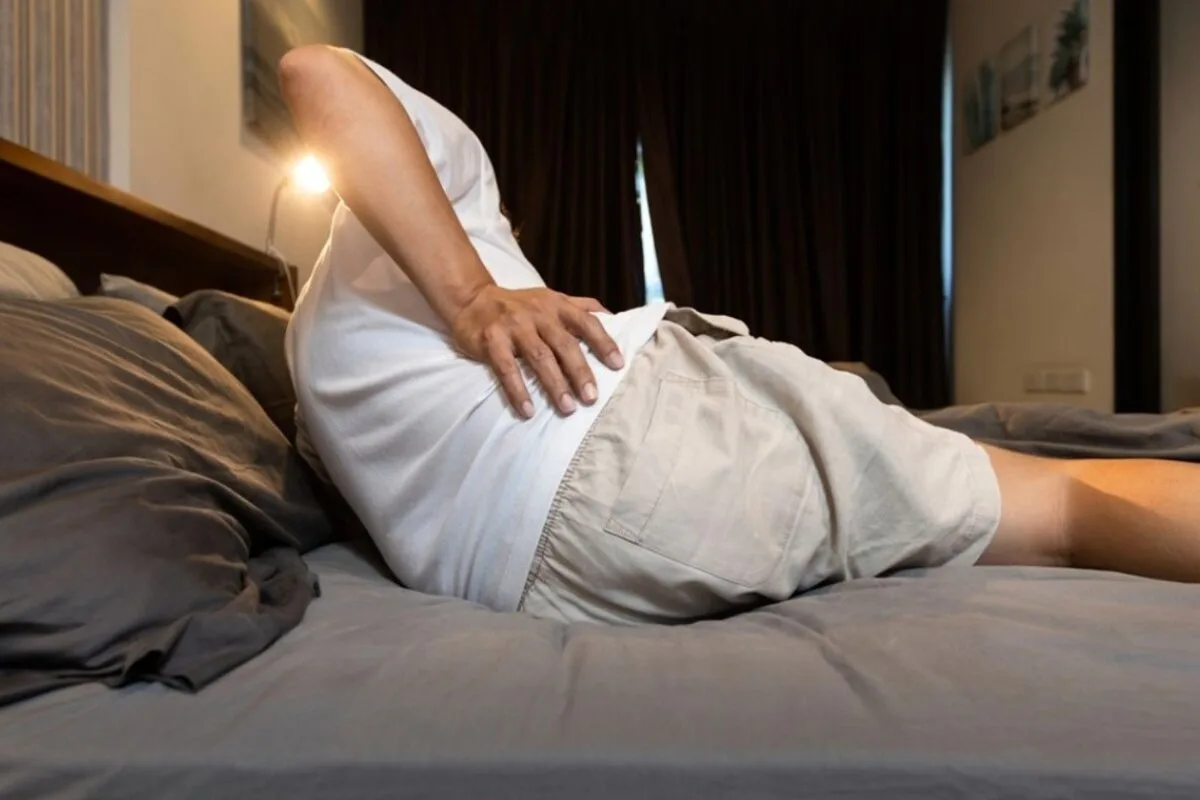
A person’s weight affects how a mattress feels. Lighter sleepers under 130 pounds usually need a softer mattress. A medium-soft mattress helps them feel the cushion. They may notice a very firm mattress feels uncomfortable and hard.
For those between 130 and 230 pounds, a medium or medium-firm mattress is better. It gives support without feeling too hard. It balances comfort and stability. This range keeps the spine aligned for most sleeping positions. Heavier sleepers over 230 pounds need a firmer mattress. This prevents sinking too far into the mattress. Side sleepers may also need extra padding to avoid bottoming out. A thicker mattress can help with pressure points and keep sleep comfortable.
Best Mattress Materials For Side Sleepers
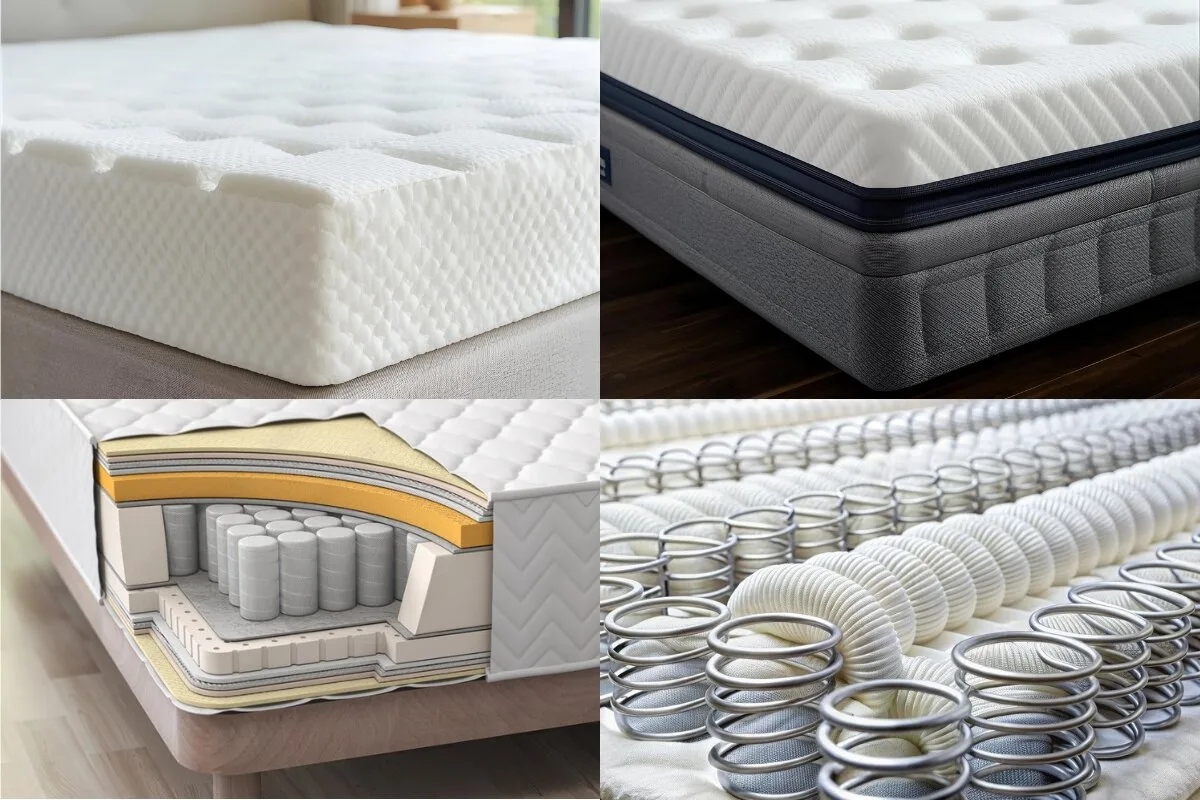
- Memory Foam: Soft and contours to the body. It helps reduce pressure on shoulders and hips. Side sleepers can feel more comfortable with it.
- Latex: Provides support and bounce at the same time. It also allows air to flow, keeping the mattress cooler. Good for people who move a lot during sleep.
- Hybrid: Combines foam layers with coils. Gives a mix of support and comfort.
- Pocketed Coils: Target specific areas and help keep the spine aligned.
How Firm A Mattress For Side Sleepers With Back Pain?
Side sleepers with back pain should choose a mattress that is medium-firm, around a 6 on the firmness scale. This level supports the spine while letting the shoulders and hips sink slightly. It balances support and comfort.
The mattress should have a strong base and a soft top layer. Memory foam or latex can help ease pressure points. Zoning can add extra support where the body needs it most. Sleeping on the right mattress can reduce strain and help the back rest. Too soft or too firm can cause discomfort. A medium-firm mattress keeps the spine aligned naturally.
Best Types Of Mattresses For Side Sleepers
Side sleepers need a mattress that cushions their hips and shoulders. Memory foam is good because it contours the body and eases pressure points. Latex is firm but still breathable and supportive. Hybrid mattresses combine foam and springs, giving both comfort and bounce. Pillow-top mattresses add extra padding for sore spots. Extra-firm beds or mattresses without cushioning can cause pain and stiffness over time.
For side sleepers, a medium to medium-soft mattress is usually best. It keeps the spine aligned without pressing too hard on the shoulders or hips. Choosing the right firmness can help prevent aches and improve sleep quality. This also includes considering memory foam or hybrid options for side sleepers, the ideal mattress thickness for side sleepers, and the proper pillow height for side sleepers to maintain balanced support.
How Long Does It Take To Adjust To A New Mattress?
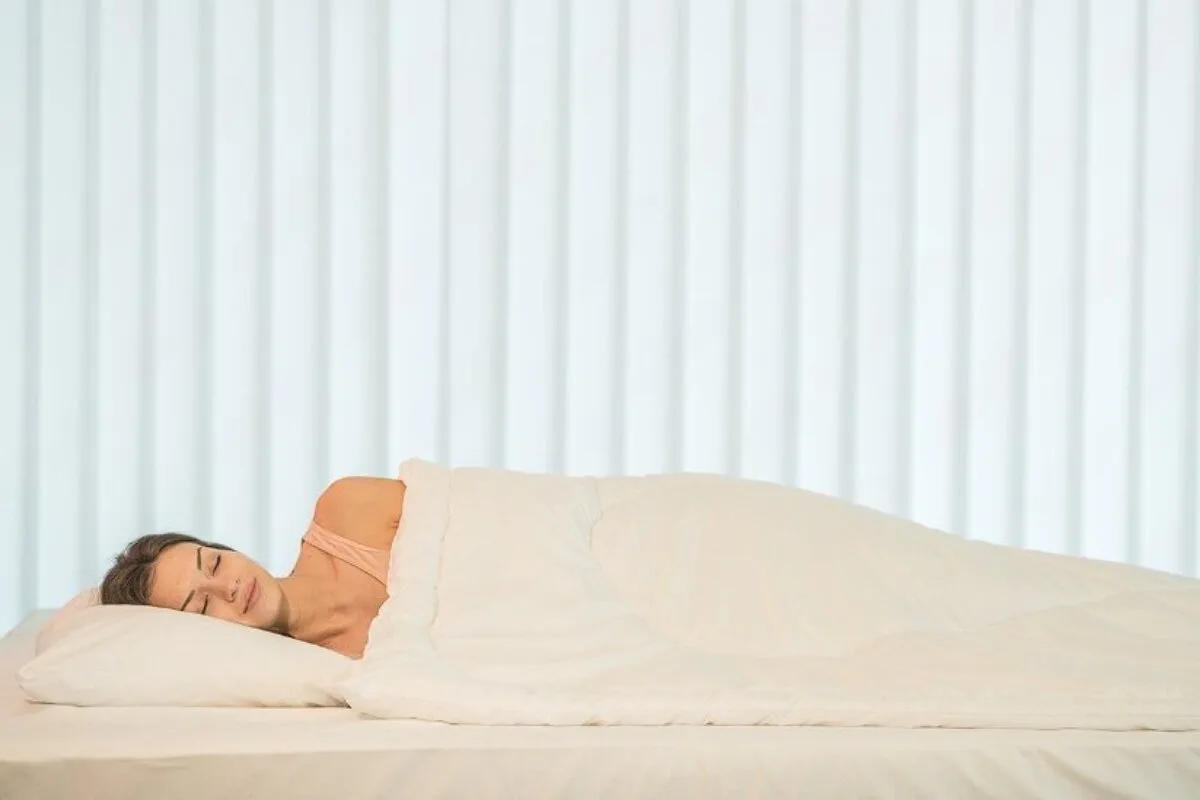
Side sleepers usually take two to four weeks to get used to a new mattress. The body needs time to adjust to the different support and pressure points, especially if the old mattress was worn out. Some nights might feel uncomfortable at first, and that’s normal. It helps to rotate the mattress weekly during the first month. Small changes, like adding or removing a topper, can make it easier to find comfort. If the mattress comes with a trial period, using the full 30 days gives a better sense of how it feels.
During the adjustment, it’s normal to notice differences in sleep. Don’t worry if it doesn’t feel right immediately. The body slowly adapts, and most people start to feel comfortable after a few weeks.
When Should Side Sleepers Replace Their Mattress?
Side sleepers should keep an eye on their mattress. Even a good one can lose support after 7 to 10 years. Sagging, deep indentations, or visible wear are signs it’s time to replace it. Waking up with new aches or feeling less cushioned is another signal. Side sleeping puts more pressure on hips and shoulders. If the mattress no longer eases that pressure, it may be worn out.
Choosing the right firmness matters too. Medium to medium-firm mattresses help side sleepers stay supported without being too hard. A worn mattress, even if not old, can fail to give the right comfort and alignment.
Final Thoughts
Side sleepers need a mattress that supports their body without causing pain. Medium-soft to medium-firm mattresses, around a level 4 to 6, help keep the spine aligned and reduce pressure on hips and shoulders. The right firmness can help you sleep without waking up sore.
Choosing a mattress depends on body weight, sleep habits, and comfort. Trying different materials or adding a mattress topper can help if you’re not ready to replace your bed. A supportive pillow is also important to keep the neck aligned.
Overall, side sleepers sleep better on the right mattress firmness. It can help ease aches and improve rest. Waking up feeling refreshed starts with choosing the right support.