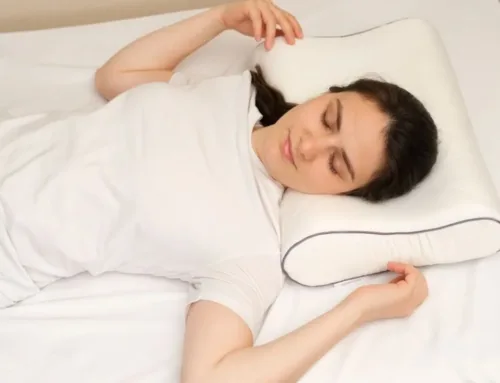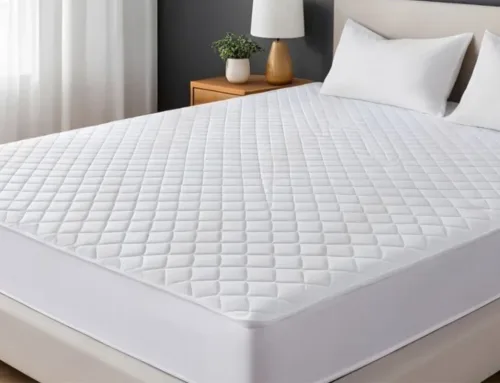

Stomach sleepers deal with a real challenge when their mattress feels too soft or too stiff. A soft bed pulls the hips down and strains the lower back. But a hard bed can push pressure into the ribs and leave the body tense in the morning. The goal is to find a surface that keeps the body level without feeling harsh. Latex and hybrid designs can hold shape and keep the spine steady. And when the mattress stays firm enough, the person wakes up with fewer aches.
Proper mattress choices, including the type of mattress best for stomach sleepers and if plush mattress for stomach sleepers, combine to provide balanced support and comfort. This guide explains what stomach sleepers need for steady support. It also covers which materials help the most and how to avoid common mistakes. And we’ll go over the steps clearly so you can choose a mattress without confusion.
Key Takeaways
- A medium-firm mattress can help stomach sleepers keep the spine aligned, limit hip sinkage, and reduce strain on the lower back.
- Latex, hybrid, and high-density foam mattresses provide steady support, while very soft pillow-top or plush models may allow too much sinkage.
- Body weight can influence firmness preferences, with lighter stomach sleepers generally preferring a medium-firm feel and heavier sleepers benefiting from firmer support.
- A thin pillow, or no pillow for some sleepers, along with a small pillow under the hips, may help improve spinal alignment and reduce neck strain.
- Choosing a mattress with balanced support, appropriate firmness, and durable materials can help stomach sleepers wake up with fewer aches and better overall comfort.

Why Mattress Firmness Is Important For Stomach Sleepers
Stomach sleeping is the least common position, and it puts the body in a tough spot. The hips and belly press into the mattress, and a soft surface can pull the lower back out of place. This can cause strain that builds up over time. But a mattress that feels too firm can bring its own problems. It can press on the ribs and chest, which is harder for people with smaller frames. The body needs support without feeling pinned down.
A medium-firm feel tends to give the right mix for most stomach sleepers. It keeps the spine steady while easing some pressure in the upper body. This balance helps the body stay relaxed through the night. Mattress thickness for stomach sleepers, the mattresses suitable for them, and being aware of important factors all contribute to proper support and long-term comfort.
Understanding The Mattress Firmness Scale
Most people use a 1–10 scale to describe mattress firmness. A 1 feels very soft, while a 10 feels very firm. Stomach sleepers usually stay in the 6–8 range because it gives enough support without feeling stiff. A firmer surface keeps the midsection from sinking too deep. And when the body stays level, the spine stays in a safer position. This can help someone wake up with less tightness or strain in the lower back.
Body size changes the feel, too. Heavier stomach sleepers may lean toward an 8 for extra support. But someone lighter may feel better on a 6 or 7 since it eases pressure on the chest and feels more balanced.
Common Problems With Stomach Sleeping
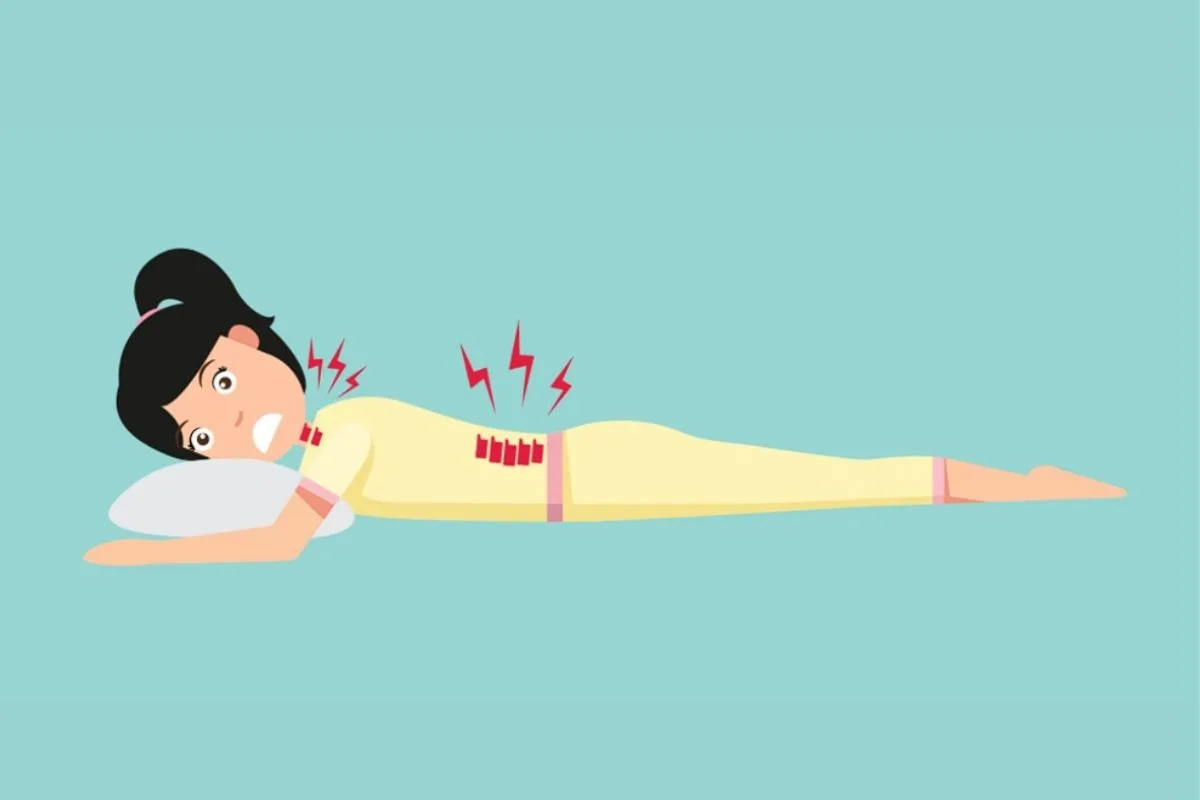
Stomach sleepers deal with a few common problems. They wake up with lower back pain because their body dips in the middle. And they can feel strain in their neck from turning it to one side all night. It’s a position that catches up with them faster than they expect. Some also notice pressure in their shoulders or chest. Their spine curves in a way that doesn’t feel natural. That position can leave them tired even after a full night of sleep. It tends to feel worse on soft or worn-out beds.
These issues start when the hips sink too far into the mattress. A mattress with better support keeps the body in a safer line. Switching to a medium-firm feel can ease these problems in a simple and steady way. Many stomach sleepers find relief once their body is lifted instead of sinking.
The Best Mattress Types For Stomach Sleepers
A stomach sleeper needs a mattress that keeps the body lifted. Too much sink can pull the spine down and cause pain. So the mattress has to stay firm enough to hold the hips in place.
Latex is a strong option because it feels firm and steady while still giving a light bounce. A hybrid can also help since the coils add lift and the top layers add a bit of ease. High-density foam can fit lighter sleepers, but only if the base stays firm. Soft pillow tops and deep foam layers aren’t the best match. They let the body drop too low. A firm support core under any comfort layer is the safest pick for someone sleeping on their stomach.
What About Stomach Sleepers With Back Pain?
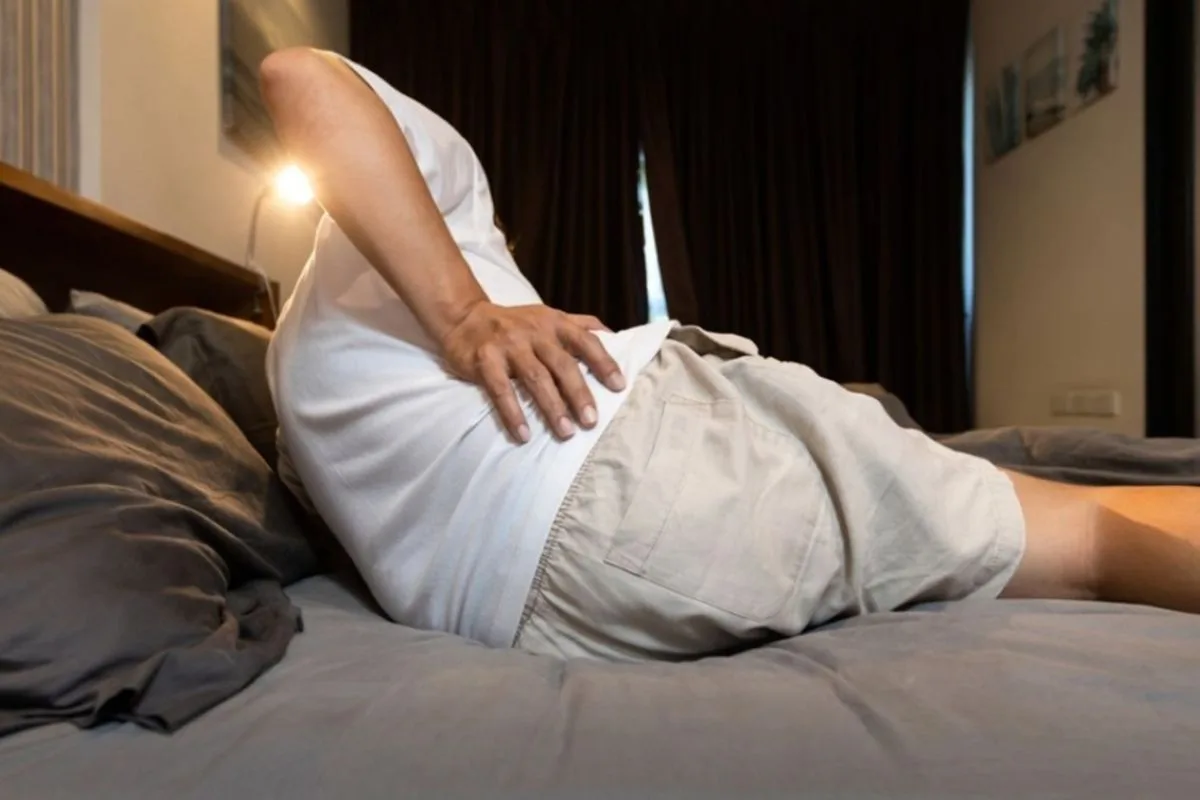
Stomach sleepers with back pain usually feel it because their mattress isn’t giving enough support. A soft or sagging bed can pull the spine out of line and cause tension. So the first step is checking if the mattress is too plush or worn down. To improve comfort and support while reducing pain, prevent back pain for stomach sleepers and ensure stomach sleepers sleep for best comfort & support, along with choosing the best pillow firmness for stomach sleepers.
A firmer mattress can help keep the hips from sinking. Thick pillow tops and deep foam layers can pull the body down, so they’re not the best choice here. Some people place a thin pillow under the hips to ease pressure. And if the pain keeps coming back, switching sleep positions can help. Side or back sleeping keeps the spine straighter and reduces strain. It can take time to adjust, but the relief is worth it.
Firm Vs Soft Mattress For Stomach Sleepers
Soft Mattress:
- The hips sink too deep.
- The spine falls out of alignment.
- It feels comfortable at first but can lead to back pain with long use.
Firm Mattress:
- The spine stays straighter.
- The torso doesn’t sag as much.
- It can feel stiff if there’s no gentle layer on top.
Medium-Firm:
- It supports the body and stops the hips from sinking.
- It gives enough cushion for the ribs and joints.
- It keeps the body stable without feeling too hard.
Sleeping Positions And Mattress Choice
A mattress should match the way a person sleeps most of the night. Stomach sleepers do better on a medium-firm or firm feel. It keeps their body stable and less strained. This kind of setup lets them rest without feeling weighed down.
Side sleepers need something softer. This helps reduce pressure on their shoulders and hips. It keeps their spine in a more natural line. A softer feel also gives them room to settle into the bed without discomfort. Back sleepers usually feel balanced on a medium mattress. And if someone shifts positions but ends up on their stomach, a firmer mattress gives steadier support. It helps keep them from sinking too deep. This keeps their body steady through the night.
Do Pillows Affect Mattress Comfort For Stomach Sleepers?
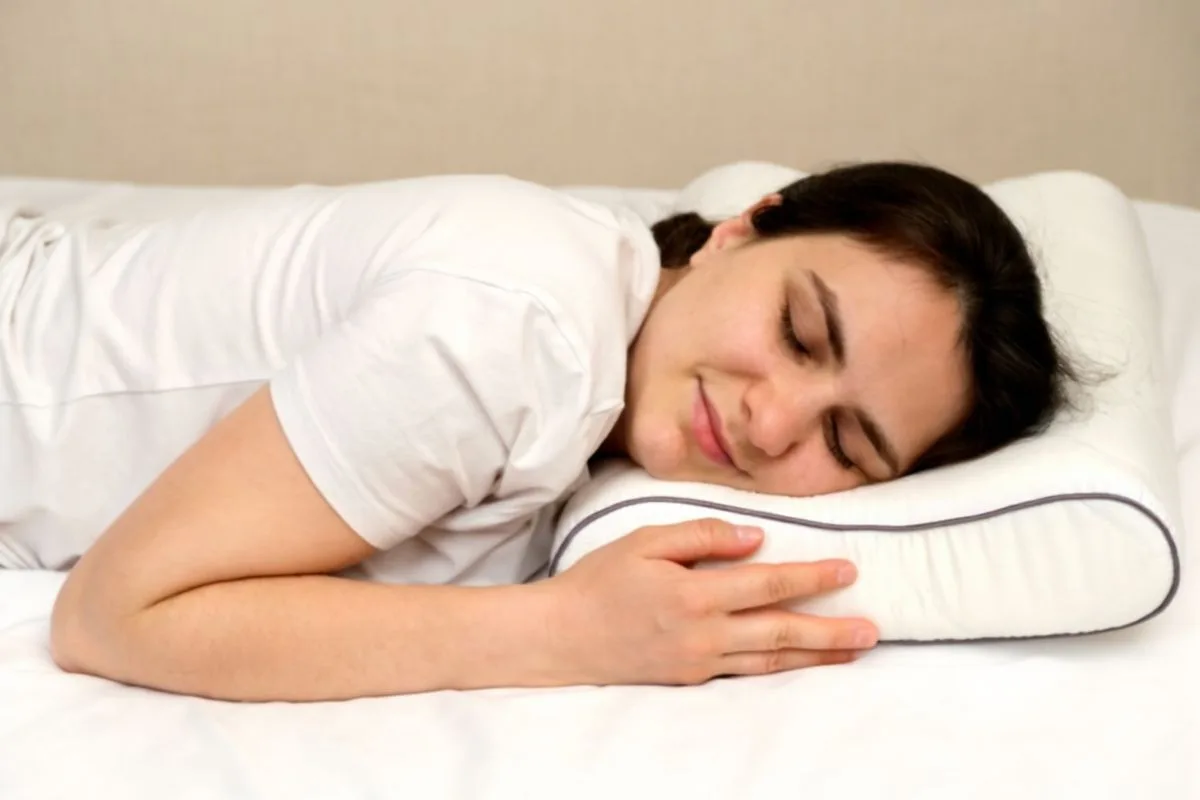
Stomach sleepers usually choose a thin pillow or skip one to prevent neck strain. A thick pillow can push the neck backward, leading to stiffness and soreness. Sleeping without proper support can make mornings uncomfortable. It’s easy to overlook how much a pillow changes your posture.
Some people place a small pillow under their hips. This helps keep the spine more aligned. It can reduce pressure on the lower back. Even a small change can make a noticeable difference in comfort. The right pillow should follow the neck and spine’s natural curve. Face-down sleeping needs gentle support, not extra height. A simple, well-placed pillow can improve comfort. Choosing the wrong pillow can worsen aches over time.
Top Mattress Recommendations For Stomach Sleepers
Stomach sleepers need mattresses that keep the body supported and aligned. Natural latex with a medium-firm feel can provide steady support without sinking too much. These mattresses hold shape and reduce pressure on the hips and shoulders.
Hybrid mattresses with firm coils and thin foam layers give strong support while still offering some cushioning. They prevent the midsection from sagging and help keep the spine in line. Foam mattresses with high-density cores and minimal plushness also help maintain proper posture. Mattresses labeled “plush,” “soft,” or “cloud-like” should be avoided. They let the body sink too much, which can strain the back and neck. Choosing firmer options helps stomach sleepers rest more comfortably and reduce pain.
Final Thoughts
Stomach sleepers do better with a firm mattress, but it shouldn’t be too hard. A mattress that’s too soft can let the hips sink, causing back pain. Medium-firm is usually the safest choice. This type of mattress supports the spine while reducing pressure on the chest and ribs. It helps the body stay aligned and prevents discomfort during the night. Support and softness need to be balanced.
The right mattress also depends on body weight and sleep habits. Materials matter too, since some hold shape better than others. The key is firm support that still feels comfortable enough to sleep through the night.