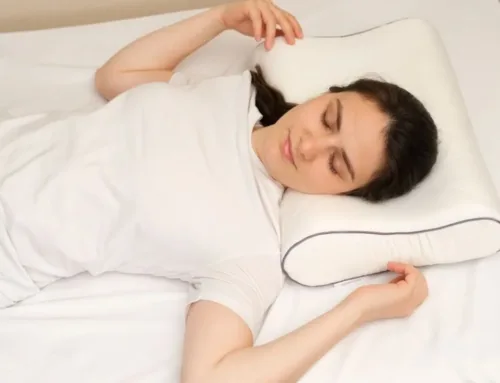

If you move a lot in your sleep, you’re not alone. It doesn’t mean you’re doing anything wrong. Some people naturally switch positions from back to side or even onto their stomach. Your mattress has to support all these positions without causing discomfort.
A mattress that’s too soft or too firm can make turning over harder and leave you with aches. Combination sleepers need a balance of support and cushioning. Certain beds are designed to handle movement, keeping the body aligned no matter how often you shift, emphasizing what combination sleepers should be aware of for better rest and how combination sleepers should sleep for optimal comfort.
Finding the right mattress comes down to understanding what your body needs in every position. You want something that adjusts to changes without losing support. We’ll explore the key features and tips for picking a mattress that fits combination sleepers.
Key Takeaways
- Combination sleepers benefit from a mattress that provides consistent support and comfort across different sleeping positions.
- A medium-firm mattress offers a balance of cushioning and support that suits many back, side, and stomach sleepers.
- Responsive materials such as latex, hybrid constructions, and responsive memory foam make it easier to change positions during the night.
- Features like cooling technology, motion isolation, and strong edge support can improve comfort and reduce sleep interruptions.
- A mattress that allows easy movement, maintains support, and helps reduce morning aches is more likely to provide a comfortable night’s sleep.

What Is A Combination Sleeper?
Combination sleepers change positions while they sleep. They might start on their back, roll to their side, or even end up on their stomach without noticing. This shifting is completely normal.
Sleeping in different positions puts pressure on different parts of the body. Side sleeping needs extra cushion for the shoulders and hips. Back sleeping needs support for the lower back, and stomach sleeping needs firmness to keep the hips from sinking. Because of this, combination sleepers need a mattress that can handle every position. A bed that’s too soft or too firm can cause discomfort. Not all mattresses can do this, so choosing carefully is important.
Why One-Position Mattresses Don’t Work For You
Buying a super-soft mattress can feel great at first, especially if you like sleeping on your side. But after a while, it may not support your back or stomach properly. That can leave you sore or uncomfortable. Extra-firm mattresses can be the opposite. They hold up your back but can dig into your shoulders and hips when you sleep on your side. Neither option covers all your positions.
Combination sleepers need a bed that adjusts as they move. A mattress should give support for every position, not just one. And that’s why one-position mattresses usually don’t work.
Important Features for Combination Sleeper
Combination sleepers have specific needs when it comes to mattresses. The most important thing is support. Your spine should stay aligned whether you sleep on your back, side, or stomach.
Comfort comes next. The mattress should reduce pressure on areas like shoulders, hips, and lower back. If it’s too firm or uneven, pain can build up overnight. Movement is also important. You should be able to change positions without sinking too deep or feeling stuck. A mattress that’s slow to respond can make sleep restless, even if it feels soft at first.

Best Mattress Type For Combination Sleepers
Here’s the main point: combination sleepers need a mattress that balances comfort and support. Medium-firm usually works best.
- Latex mattresses: Latex is bouncy and responsive. It moves with you, so you won’t feel stuck. It’s also breathable, relieves pressure, and lasts a long time. Natural latex is eco-friendly, too.
- Hybrid mattresses: These mix foam layers with coil support. They give good bounce and support in all sleeping positions. They also let air flow, keeping the mattress cooler.
- Responsive memory foam: Not all memory foam is the same. Standard foam can feel stuck and slow. Newer types react faster, giving comfort without sinking too deep.
Medium-Firm
For combination sleepers, mattress choice should focus on firmness, softness, or a medium or firm mattress. Medium-firm is usually the best choice for combination sleepers. It provides enough cushioning for side sleeping and enough support for your back and stomach. Choosing this firmness helps avoid discomfort while switching positions.
Mattresses that are too soft can sag and make it harder to move. They can also strain your lower back over time. Too much softness can feel like you’re sinking in the bed. On the other hand, mattresses that are too firm can press on your shoulders and hips. That can cause pain when lying on your side. Medium-firm offers a balance that keeps your body supported and comfortable.

Cooling Features
Combo sleepers sometimes forget about temperature. Sleeping hot can get worse on dense memory foam.
For cooler sleep, try:
- Latex mattresses (they stay naturally cool)
- Hybrid mattresses with breathable coils
- Foams that use cooling gel or open-cell designs
Sleeping at a comfortable temperature can help you rest better. And better rest makes mornings easier.
What you sleep on isn’t the only factor. Sheets, pillowcases, and even room airflow can change how hot or cold you feel. Light, breathable bedding usually helps keep things comfortable all night.
Motion Isolation
If you sleep with a partner or a pet, their movements can disturb your rest. Every roll or stretch can be felt across the bed. A mattress that limits motion can keep it on your side. Some people notice this more than others, depending on how deeply they sleep. Memory foam usually handles this best. It absorbs movement so it doesn’t travel across the mattress. Some hybrid and latex options can do it too if they have the right layers. The thickness and density of the mattress also affect how much motion shows up.
Not every mattress needs perfect motion isolation. It depends on how sensitive you are to movement. And sometimes a simple layer of foam on top can help reduce it. Even small adjustments, like a mattress topper, can make the difference for light sleepers.
Edge Support
Combination sleepers often end up near the edge of the bed during the night. Strong edge support helps them stay comfortable and prevents that sinking feeling near the sides. It also gives more confidence when moving around or getting in and out of bed.
Beds with reinforced edges offer extra stability and can reduce the risk of falling off. This is especially helpful for hybrid or innerspring mattresses. Reinforced edges can also help the mattress last longer by keeping its shape. Having good edge support makes sitting on the side of the bed easier. It keeps the sleeping surface consistent from center to edge. And it can make the bed feel more secure, even when sharing it with a partner.
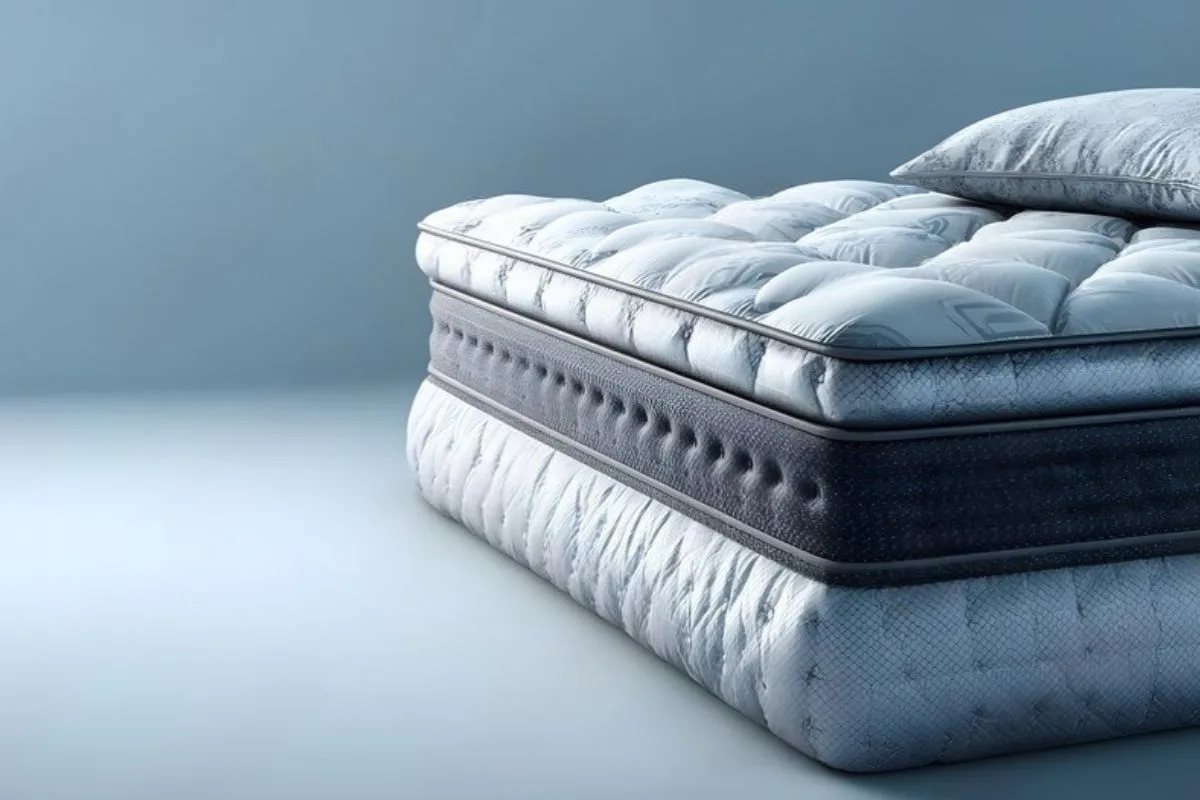
How To Know If A Mattress Is Right For You
Choosing the right mattress can be tricky for combination sleepers. It should let you move easily without feeling stuck. If you can change positions without effort, that’s a good start. And it should feel comfortable from the first night, not after weeks of use. Your body should feel supported in all the right spots. Shoulders, hips, and back shouldn’t ache or sink too much. The mattress should hold you up, not swallow you. It’s also important to notice if you wake up with any stiffness or pain.
Comfort also includes temperature and sleep quality. You should stay cool and wake up less at night. If you sleep well and feel rested, the mattress is likely a good fit for you. And it should make getting out of bed in the morning feel easier, not harder.
Final Thoughts
For combination sleepers, finding a mattress that balances support and comfort is essential. A medium-firm mattress is usually great, as it lets you move freely while supporting your spine. Considering the type of mattress best for combination sleepers, thickness of a mattress for combination sleepers, and ways to prevent back pain for combination sleepers are also important in getting a good night’s rest.
The mattress should relieve pressure without holding heat. Materials like latex, hybrids, or responsive foams can provide this. They adjust as you change positions, stay breathable through the night, and help prevent back pain for combination sleepers by maintaining consistent alignment. It’s important to test a few options if possible. Look for clear information about the materials. Avoid mattresses that are only soft or only firm, you need one that moves with you, combines the best type and thickness for combination sleepers, and supports your back for lasting comfort.