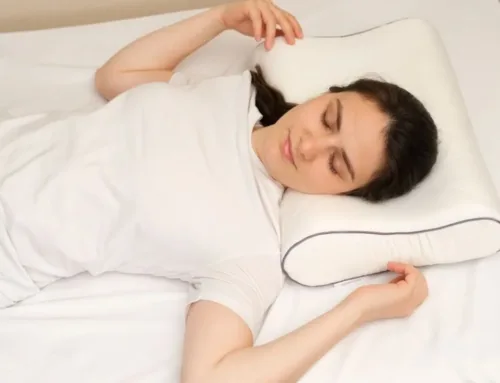

Choosing the right mattress firmness matters, especially for side sleepers. Sleeping on your side puts pressure on your shoulders and hips. A mattress that lets your body sink just a little can ease that pressure. To help find the perfect fit, consider the type of mattress that is good for side sleepers, how to pick a mattress for side sleepers, and what firmness mattress for side sleepers. But a mattress that is too soft or too firm can cause problems. It should support your spine while letting your shoulders and hips sink enough. The right firmness can reduce aches and keep your body aligned.
In this post, we’ll explore how to find the balance between soft and firm to help side sleepers decide which would feel more comfortable.
Key Takeaways
- Side sleepers need a mattress that isn’t too hard or too soft to avoid shoulder and hip pain.
- A medium-soft to medium-firm mattress usually cushions the body while keeping the spine straight.
- Hard mattresses can press on shoulders and hips and cause morning soreness.
- Very soft mattresses let the body sink too much, which can bend the back and cause aches.
- Memory foam, latex, or hybrid mattresses with a soft top and firmer base can give good support for side sleepers.
Why Side Sleepers Need Softer Comfort Layers
Side sleepers put extra pressure on their shoulders and hips. That makes softer layers important. They help the body rest without strain. And having the right softness can help prevent aches in the morning.
The body has curves that create gaps when lying on the side. Softer layers fill those gaps under the waist and around shoulders and hips. About two to four inches of cushioning is usually best. This allows the body to feel more balanced while sleeping. A mattress that’s too firm can cause pain in the hips and shoulders. Pressure points may lead to soreness or numbness. Tossing and turning can become a nightly problem. Without proper support, sleep can feel restless and uncomfortable.
How Firmness Affects Spinal Alignment
Support is as important as comfort when it comes to sleeping. A mattress should hold the spine in a neutral position while letting muscles relax. Without proper support, the body can wake up stiff or sore.
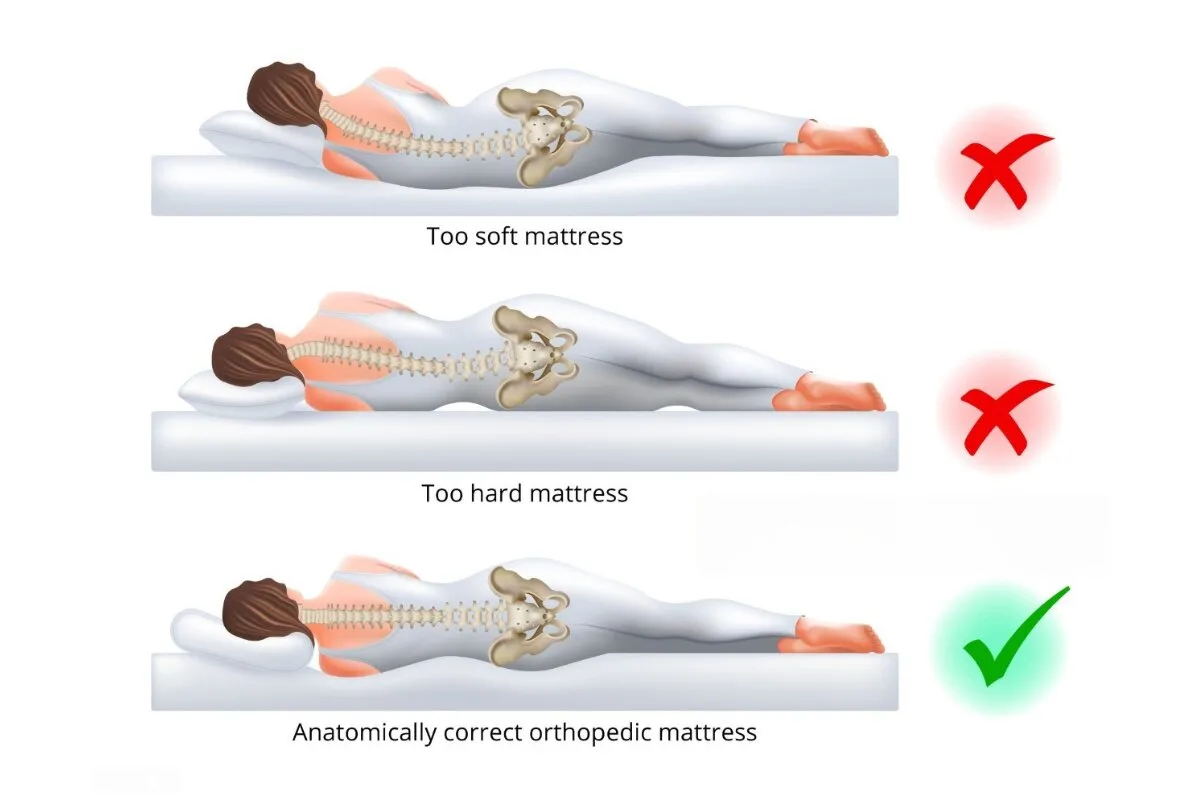
Side sleepers need their spine to stay straight from neck to hips. A mattress that is too soft lets hips sink, and one that is too firm keeps shoulders from sinking. Both can bend the spine and cause discomfort.
Mattresses that combine a soft top with a firmer base help keep the body in line. They fill gaps between the body and mattress while offering support. Sleeping on a mattress like this can reduce aches and make rest feel better.
Signs Your Mattress Is Too Hard Or Too Soft
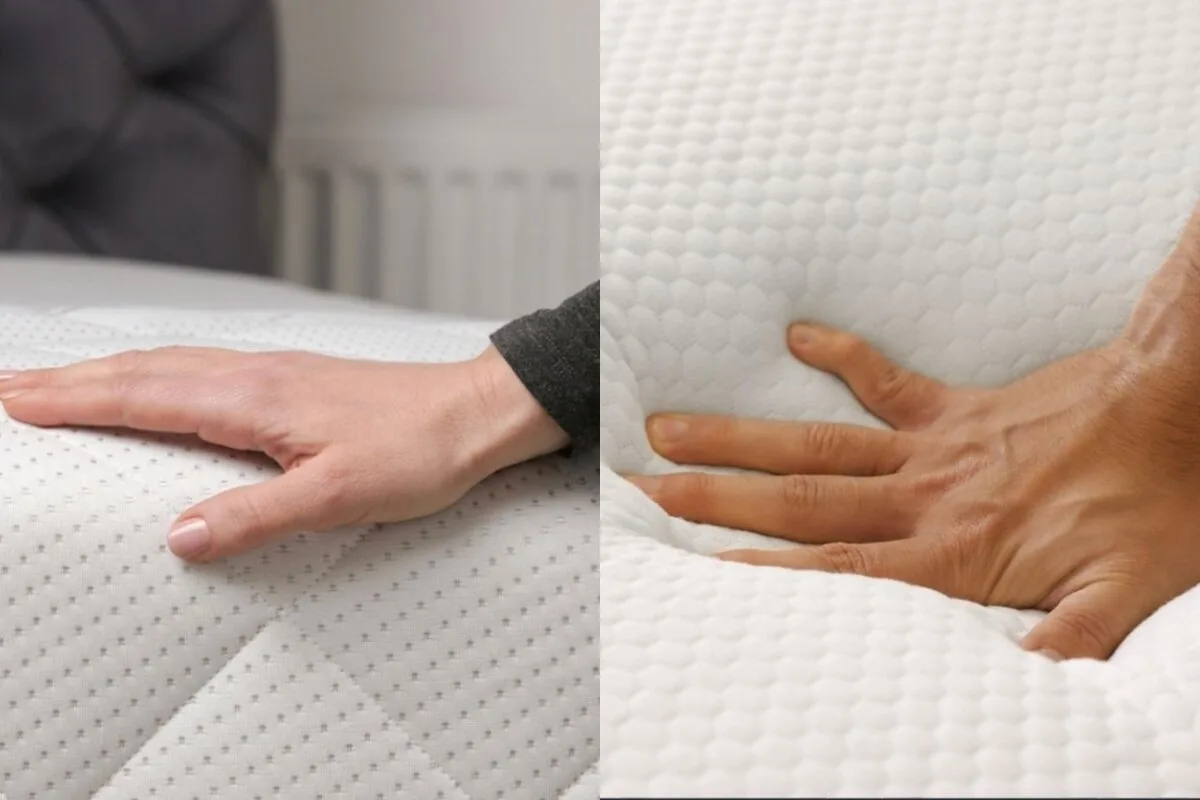
Comfort and support are both important in a mattress. Comfort lets the body relax and reduces pressure on joints. Support keeps the spine in a neutral position while sleeping. A mattress that has both can help people sleep more peacefully. Without support, a soft mattress can cause back pain. Without comfort, a firm mattress can feel too hard. Both elements need to balance for proper sleep. It’s easy to notice discomfort when one is missing.
Finding the right mattress means checking how it feels and how it holds your body. People should test it for a few nights if possible. The right balance can help avoid aches and improve rest. Everyone’s body is different, so the right choice varies.
Mattress Materials That Are Great For Side Sleepers
Side sleepers need a mattress that eases pressure on shoulders and hips. Latex, memory foam, and pocket coil hybrids can help. Each offers different support and comfort. Finding the right feel can improve overall sleep quality. Choosing between memory foam and hybrid helps determine the best fit for side sleepers, and if memory foam mattresses are great for side sleepers.
Latex feels springy and stays cool. It gives gentle support while letting the body sink a little. Memory foam hugs the body and relieves pressure but can trap heat. It also adapts to different sleeping positions easily. Pocket coils move independently and reduce motion. Layering foam on top adds softness. It’s best to test each type to see which fits your body the best. Choosing the right material can reduce aches and stiffness in the morning.
What Happens If You Pick The Wrong Firmness?
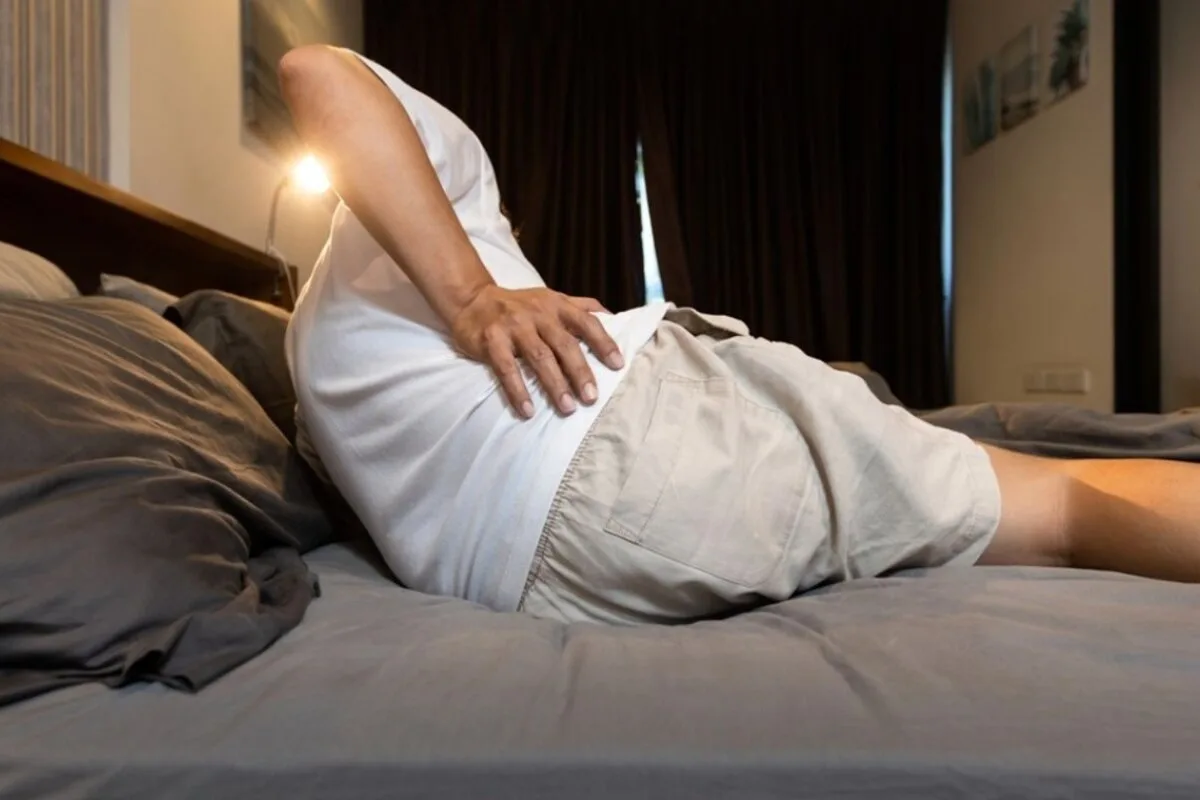
Choosing the wrong mattress firmness can cause real problems. It can make sleep uncomfortable and leave the body sore. Over time, it can even lead to ongoing pain. People may not realize the mattress is the cause until it starts affecting daily life.
A mattress that is too firm can put pressure on the shoulders and hips. This can make lying down feel tense. People might toss and turn trying to get comfortable. It can also make it hard to relax at night and fall asleep. On the other hand, a mattress that is too soft can let the spine sink out of alignment. Back pain can follow after just a few nights. Stiffness, fatigue, or numb spots are signs the mattress isn’t right. Over time, it can affect posture and make waking up refreshing feel impossible.
Does Body Weight Matter When Choosing Firmness?
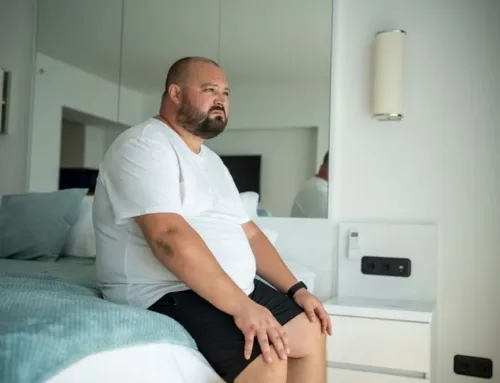
Body weight affects how a mattress feels. People who are heavier may need a firmer mattress to stop from sinking too much. Lighter people might want something softer so it doesn’t feel hard. Under 130 lbs usually do better with soft to medium-soft. Between 130 and 230 lbs, medium to medium-firm is usually enough. Over 230 lbs, a medium-firm or firm mattress with some plush on top can help.
Choosing the right firmness helps keep the body supported while still being comfortable. It’s about matching your weight to the mattress layers. This way, you don’t wake up sore or stiff.
The Ideal Comfort Layer Thickness
For side sleepers, a comfort layer around three inches is usually a good starting point. The exact thickness depends on weight, body shape, and personal preference. Lighter sleepers may find two inches enough. Those of average weight prefer three inches, while heavier sleepers might need four inches for extra cushioning. The extra depth helps support the body and relieve pressure points. It also keeps the spine in a more natural position.
A thicker comfort layer lets the body sink a little more, which reduces strain on shoulders and hips. Side sleepers benefit from the added pressure relief. Choosing the right thickness can help them sleep more comfortably through the night.
How Sleeping Position Affects Pressure Points
Sleeping position affects where your body feels pressure. Side sleepers usually notice it in the shoulders, hips, and sometimes the knees. These spots press into the mattress for hours every night. Choosing the right position can help ease discomfort as well.
Side sleepers need to be aware of mattress thickness, pillow height, and proper sleep posture, including what side sleepers should be aware of and how side sleepers should sleep. If the mattress is too firm, those areas can feel stiff or sore. Arms might go numb, and hips can ache after a few nights. Too soft, and the spine can bend in odd ways, which can cause back and neck pain. Changing sleeping posture slightly can also reduce pressure on sensitive spots.
A mattress with balanced firmness helps avoid these issues. Soft to medium layers cushion pressure points while a strong base keeps the body aligned. It lets the body rest without putting strain on key areas. Over time, this setup can improve overall sleep quality.
What To Avoid When Mattress Shopping As A Side Sleeper
Not all mattresses are good for side sleepers. Thin layers on top won’t cushion the shoulders or hips. Sleeping on them can feel uncomfortable and hard. Side sleepers need extra padding to relieve pressure points. Mattresses that feel very firm right away usually don’t soften at home. Innerspring beds without foam or pillow tops can press too much on your body. And terms like “orthopedic firm” are often just sales tricks. It’s easy to end up with a mattress that hurts more than it helps.
It’s best to pick brands that clearly show what’s inside. Foam density, materials, and firmness should be easy to find. If the info isn’t clear, it’s safer to skip that mattress. A little research upfront can save a lot of sleepless nights.
Final Thoughts
Side sleepers need a mattress that cushions their shoulders and hips. Thin comfort layers don’t give enough support and can make the bed feel hard. Sleeping on a mattress like that can leave them sore in the morning.
Very firm mattresses usually don’t get softer at home. Innerspring beds without extra foam or pillow tops can create pressure points. It’s smarter to choose brands that clearly show what’s inside the mattress. Details like foam type, density, and firmness should be easy to find. If a company won’t share that, it’s probably not the right fit. A clear idea of what’s inside helps avoid buying a bed that doesn’t feel right.