

Side sleepers deal with a unique challenge when choosing a mattress. Their hips and shoulders press into the bed more, so the surface has to support those areas without creating pain. When the mattress is too thin, those pressure points feel sharp by morning. But when it’s too thick, the body sinks too far and the spine bends in a way that feels uncomfortable later. Choosing the right mattress involves considering factors such as the type of mattress good for side sleepers, ways to pick a mattress for side sleepers, alongside how side sleepers should sleep and things side sleepers should be aware of.
A height of around 12 to 14 inches usually fits the needs of someone who sleeps on their side. This gives enough cushion for the joints while still keeping the back steady. It creates a simple balance that helps the body stay settled through the night.
This post will explain what mattress thickness means and how a person can choose the right height for their sleeping style. It will also show how the right choice can lead to steadier and deeper rest.
Key Takeaways
- For side sleepers, mattress height matters. Around 12–14 inches usually gives enough cushion for shoulders and hips while still supporting the spine.
- A mattress that’s too thin can cause pressure points, while one that’s too tall can make you sink too far and strain your back.
- Comfort layers of 3–4 inches, like memory foam or latex, help the body settle in gently and reduce stiffness in the morning.
- Lighter sleepers may do fine on slightly thinner mattresses. Heavier sleepers often need 14 inches or more for proper support.
- The support core under the soft layers is important. It keeps the spine aligned and prevents sinking that can cause aches.
Understanding Mattress Thickness
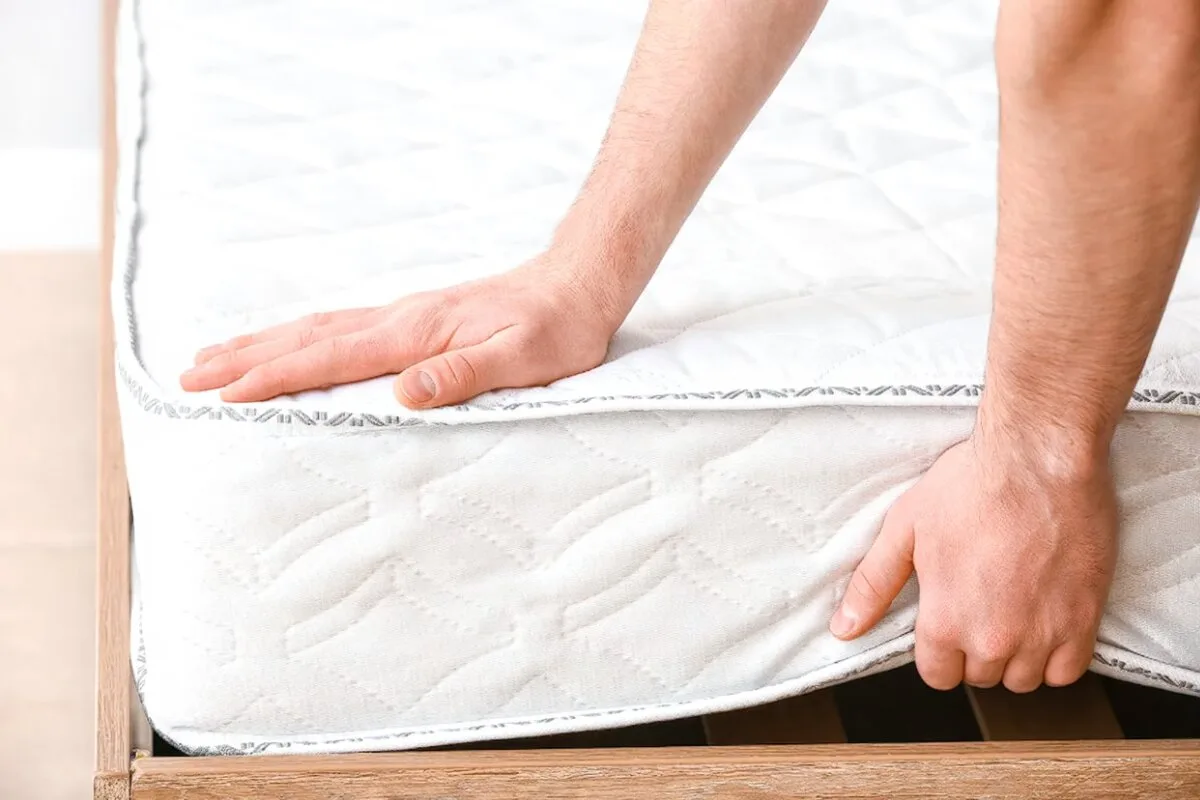
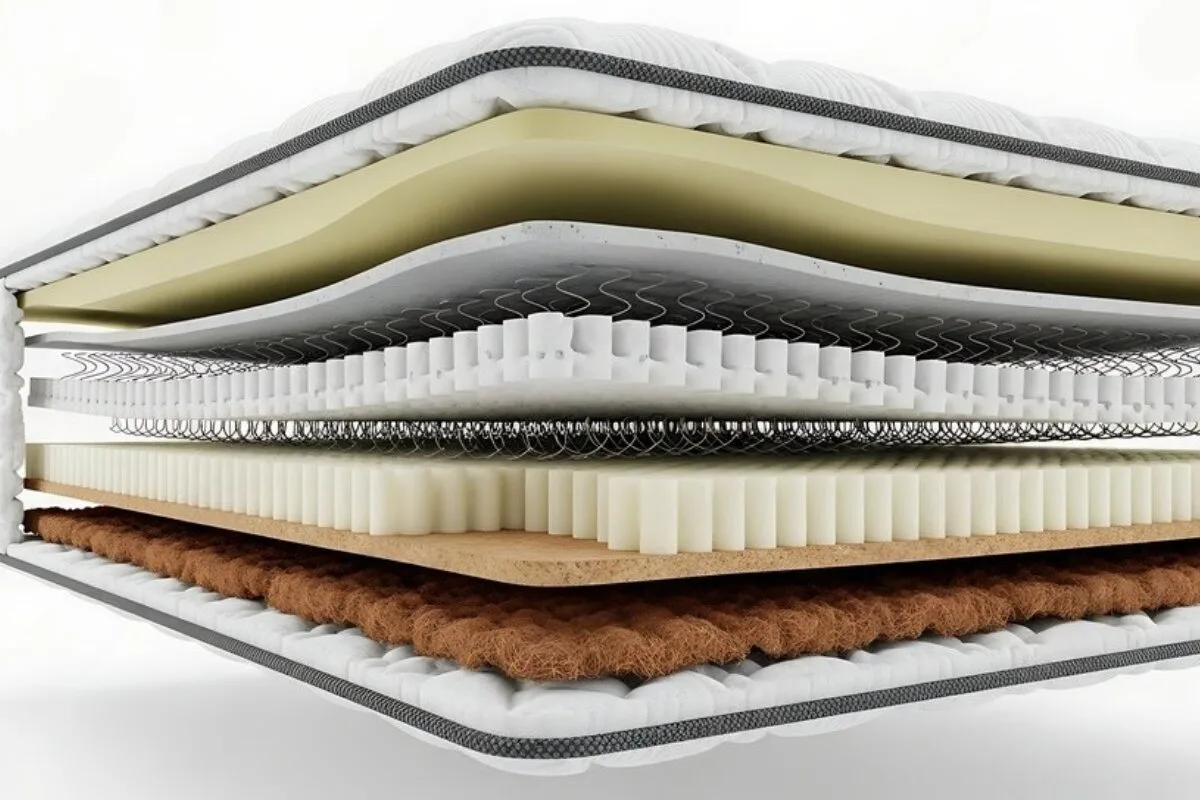
When people mention mattress thickness, they’re just talking about how tall the mattress is from top to bottom. It includes the soft layers near the surface and the stronger layers underneath. Each layer helps the person rest with more comfort. The top part eases pressure on the body. This matters for anyone who sleeps on their side because their shoulders and hips press into the bed more. The bottom part keeps the spine steady so they don’t wake up stiff.
A thicker mattress gives more room for these layers to do what they’re supposed to do, and it also influences a firmness mattress for side sleepers and whether a hard or soft mattress is better for side sleepers, contributing to overall support and comfort. But extra height doesn’t always mean it’s better for everyone. It still needs to match the person’s body and how they sleep.
Why Side Sleepers Need Thicker Mattresses
Side sleepers put the most pressure on their shoulders and hips. A thin mattress lets the body sink too far into the support layer. This can cause sore joints, numb arms, and misaligned spines.
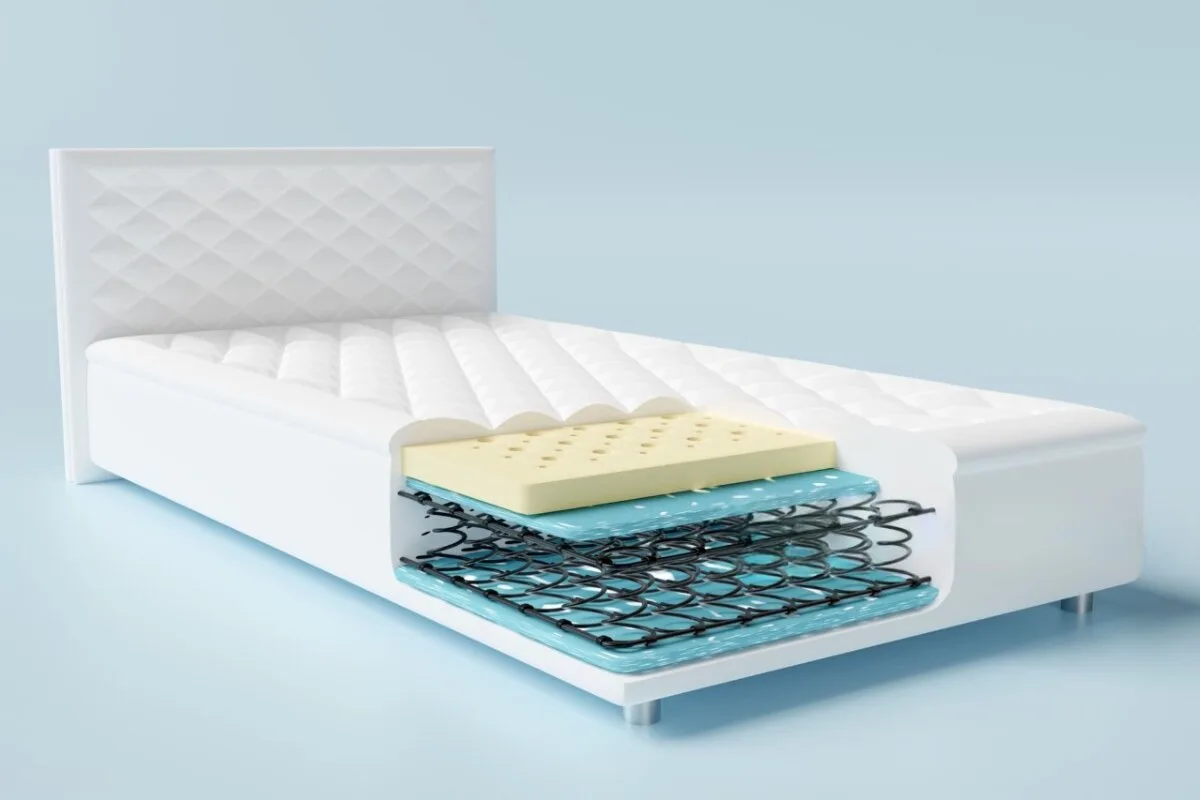
Thicker mattresses with a few inches of soft foam on top help spread body weight evenly. This cushions the shoulders and hips while keeping the back in line. The extra layers also last longer and hold up better over time.
Most side sleepers do best with a mattress around 12 to 14 inches thick. Your weight, mattress type, and firmness choice can change that. And the right thickness helps keep your body supported all night.
Best Comfort Layer Thickness For Side Sleepers
The comfort layer is the soft top part of a mattress. It’s usually made from memory foam, latex, or polyfoam. This layer is what you feel first when you lie down, and it cushions your body. It can also affect how cool or warm you sleep.
For side sleepers, the best thickness is around three to four inches. This lets your shoulders and hips sink a little. It supports your body without pressing you into the firm layers below. Finding the right thickness can make a noticeable difference in comfort. If the layer is too thin, you’ll feel the hard base under you. If it’s too thick, your body can sink too far. Either way, your spine can get out of alignment, which may cause discomfort. Trying a few mattresses can help figure out what works best.
Ideal Mattress Thickness For Side Sleepers By Body Weight
Side sleepers should think about their body weight when picking a mattress. Lighter sleepers under 130 pounds usually do fine with a mattress around 10 to 12 inches. This thickness gives enough support without feeling too firm.
People who weigh between 130 and 230 pounds should look for something a bit thicker, around 12 to 14 inches. The extra layers help keep the spine aligned. It also reduces pressure on shoulders and hips while sleeping. Heavier sleepers over 230 pounds need mattresses that are 14 inches or more. Their weight presses down more on the foam, so thicker layers stop them from sinking too much. A taller mattress keeps the body balanced through the night.
Why Support Layers Are Important
Below the top layer is the support core. It holds the body up and keeps the spine straight. A soft top layer alone can’t do this. Without it, you can wake up sore. Most good mattresses have a support core that is six to eight inches thick. This layer can be made of high-density foam, innersprings, or pocketed coils. It forms the base that carries your weight. It also affects how the mattress feels overall.
For side sleepers, the support layer is important. It stops the middle of the body from sinking too much. That keeps the spine in a neutral, healthy position. A weak support layer can make aches worse over time.
Does Mattress Type Affect Thickness Needs?
Mattress type affects how thick it should be. Memory foam, hybrid, latex, and innerspring mattresses all support the body differently. Side sleepers usually need thicker foam layers to stay comfortable. Memory foam mattresses provide contouring that is best for side sleepers, while memory foam or hybrid better for side sleepers offer a balance of softness and support, especially when combined with the right pillow height for side sleepers to maintain proper spinal alignment.
Memory foam tends to compress under weight. That means it needs extra layers to keep support and softness balanced. Hybrid and latex mattresses are firmer, so they don’t need to be as thick. Innerspring mattresses rely on coils for support. They often require added comfort layers on top. Choosing the right thickness depends on how the mattress supports the body, not just the material.
Mattress Firmness vs. Thickness: What’s The Difference?
Mattress firmness is about how hard or soft it feels. Thickness is how tall the mattress is. People usually confuse the two, but they are separate things. Firmness affects how your body sinks or stays on top of the mattress. A mattress can be thick and firm or thin and soft.
Side sleepers usually need medium-soft to medium firmness. This helps relieve pressure while still supporting the body. Choosing the right firmness can also reduce tossing and turning at night. The ideal thickness for side sleepers is 12 to 14 inches. This height lets the mattress contour to the body without feeling too firm. And it helps maintain proper support through the night. A mattress that is too thin may cause discomfort in the shoulders and hips.
What About Mattress Toppers?
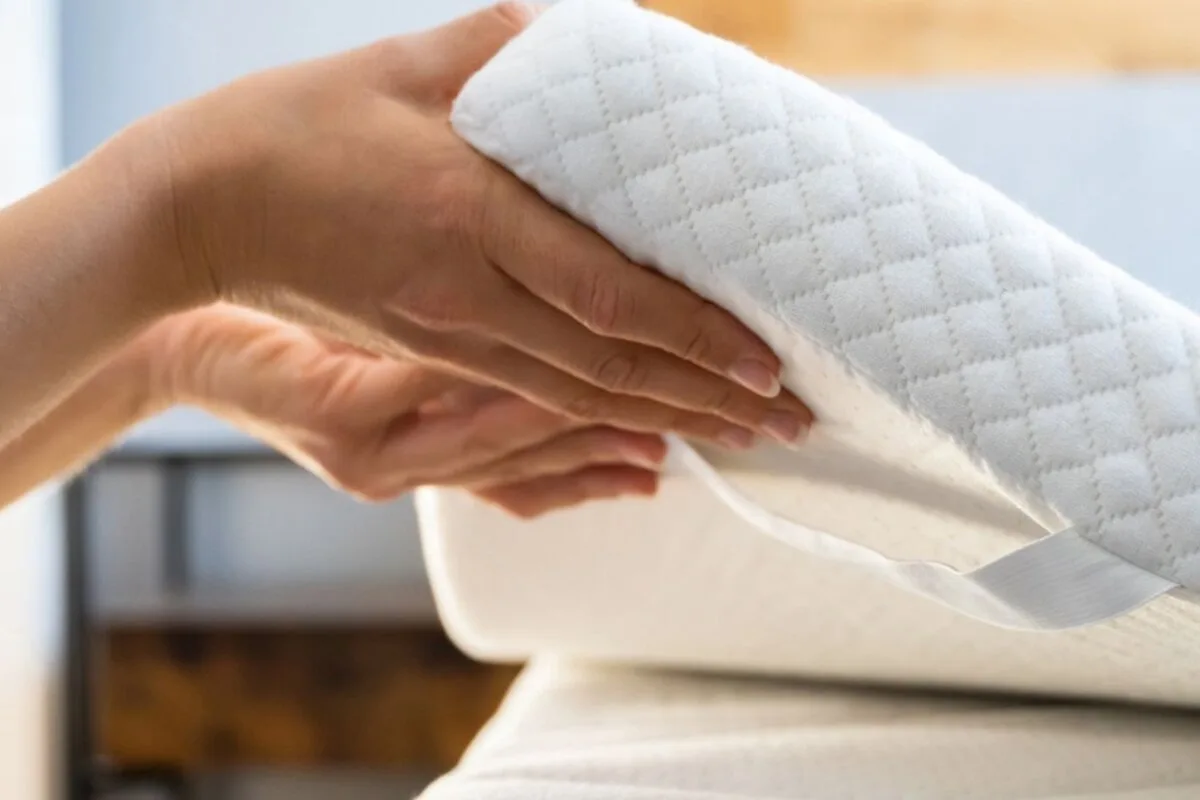
Some mattresses feel too firm or too thin. A mattress topper can help by adding a soft layer on top. It gives extra comfort without replacing the whole bed. It can also change the feel of your mattress quickly.
Side sleepers should choose a topper that’s 2 to 4 inches thick. Memory foam or latex are better choices. Thin polyester or fiberfill layers flatten too quickly. Choosing the right thickness helps relieve pressure on hips and shoulders. A topper can add plushness while keeping support. It’s a simple way to improve sleep. And it’s easy to remove or change if needed. It can even extend the life of an older mattress.
Can A Mattress Be Too Thick?
A mattress can be too thick. Extra layers can feel soft, but sinking in too much can hurt your spine. Getting in and out of the bed can also become tricky, especially with high frames. Some people may feel trapped in a very deep mattress. Thicker mattresses are heavy. Moving or rotating them takes effort. Not everyone needs a very tall mattress to feel comfortable. They can also trap more heat than thinner mattresses.
Most people do fine with 14 inches or less, even side sleepers who are heavier. The quality of the layers matters more than the total height. Always check what’s inside, not just how tall it is. A mattress that is too thick can make sheets and bedding fit awkwardly.
Final Thoughts
Side sleepers need a mattress that cushions their body without bending the spine. A thickness of 12 to 14 inches is usually best. The top layer should be 3 to 4 inches for comfort, and the base at least 6 inches for support. Choosing the right thickness can help avoid waking up sore. This setup helps reduce pressure on hips and shoulders. It also keeps the spine in a natural line. Comfort alone isn’t enough; support is just as important. Sleeping on the wrong mattress can lead to long-term aches.
Focus on the materials inside the mattress, not just the height. Choose a firmness that feels right and try it before committing. Asking for advice or testing options can save a lot of trouble. A mattress that fits your body can improve sleep quality noticeably.