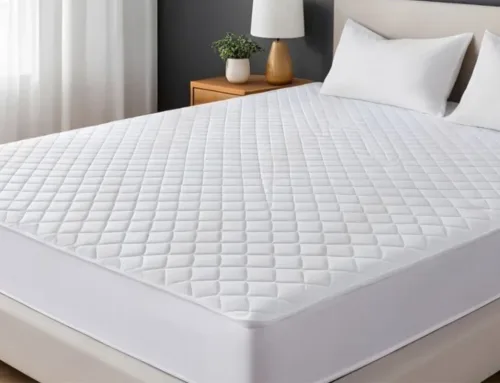

Sleeping on your back can be good for your spine if your pillow is the right height. Too high, and your neck bends forward. Too low, and your head falls back. Both can cause stiffness, pain, and restless sleep.
Many people spend on a good mattress but overlook their pillow. The wrong height can cancel out all the support your mattress gives. Finding the right pillow is simple once you know what to look for. For proper back sleeping, back sleepers should sleep in the right posture, be aware of factors for better sleep, sleep on a supportive surface, and consider the type of mattress best for back sleepers.
This guide explains how high your pillow should be and what affects that height. It shows how to pick a pillow that fits your body and mattress. We’ll guide you through choosing the right pillow for better back sleeping and comfort.
Key Takeaways
- The right pillow height for back sleepers is usually between 3 and 5 inches to help keep the head, neck, and spine properly aligned.
- Mattress firmness, shoulder width, neck length, and head size can all influence the ideal pillow height for comfortable back sleeping.
- Memory foam, latex, and adjustable shredded foam pillows provide consistent support, while softer fiber-fill pillows may lose their shape over time.
- Neck pain, shoulder tension, headaches, stiffness, snoring, or restless sleep may be signs that a pillow is too high or too low.
- When testing a pillow, the head should rest comfortably with the ears aligned to the shoulders and the neck supported without being pushed forward or backward.
Why Pillow Height Matters For Back Sleepers
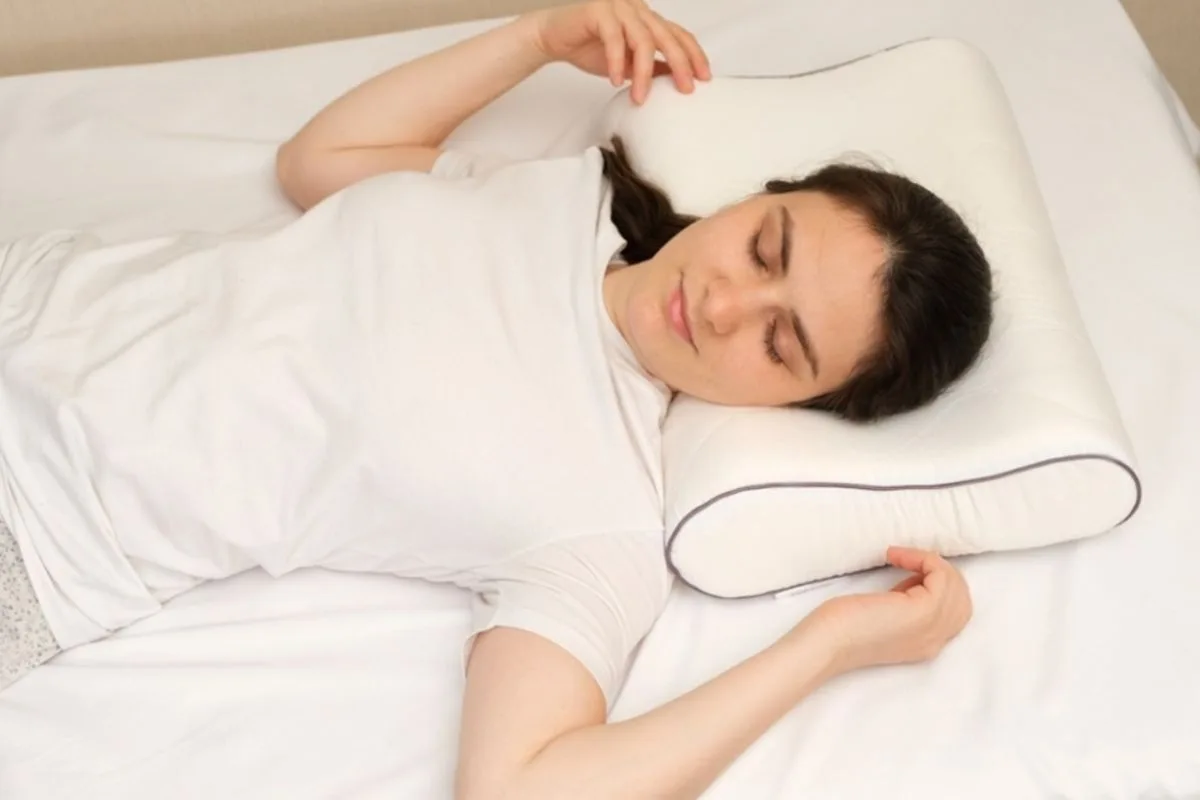
Back sleepers need a pillow that fills the space between their head and the mattress. Too thick, and the neck bends forward. Too thin, and the neck tilts backward. Either way, the cervical spine gets strained. This can lead to neck pain, tight shoulders, headaches, and even tingling in the arms. People often blame their mattress when the pillow is the real issue, and that confusion can cost months of restless nights.
The right pillow keeps the head, shoulders, and hips in a straight line. This lets the neck muscles relax and the spine rest naturally. Choosing a pillow that fits your body can make mornings feel completely different.
How High Should A Pillow Be For Back Sleepers?
Back sleepers usually do best with a pillow around 3 to 5 inches high. This height helps the neck keep its natural curve and prevents the head from leaning forward. It also helps the shoulders and spine stay aligned while resting.
The head should point straight up, and the chin shouldn’t drop toward the chest. The neck should feel supported but not stretched. When lying down, the body should feel relaxed, not tense. If there’s a big gap under your neck when you slide your hand, the pillow is too low. If your chin tilts down, the pillow is too high. A good pillow fills the curve of the neck and keeps the head resting naturally all night.
Dealing with hip discomfort at night? Explore our guide to the best mattresses for hip pain and compare options designed for pressure relief, support, and better sleep.
How Mattress Firmness Changes Pillow Height
Mattress firmness affects pillow height more than many people realize.
On a soft mattress, the shoulders and upper back sink in. That means a lower pillow usually fits better. Sleeping with a pillow that’s too high can strain the neck. The best firmness for a back sleeper and a soft or firm mattress or a medium or firm mattress for back sleepers determine the ideal pillow height. Firm mattresses keep the body more on top of the bed. This creates a bigger gap under the head and neck. A slightly higher pillow is often needed to fill that space. Choosing the wrong pillow can make your neck feel sore in the morning.
A pillow that felt right before may feel off on a new mattress. The pillow and mattress need to match to support the head and neck properly. And that balance is key for comfort. Testing different pillow heights can help find the right fit.
Planning your next road trip or extended stay? Explore our guide to the best RV mattresses to compare options for comfort, support, fit, and durability.
Your Body Type Also Affects Pillow Height
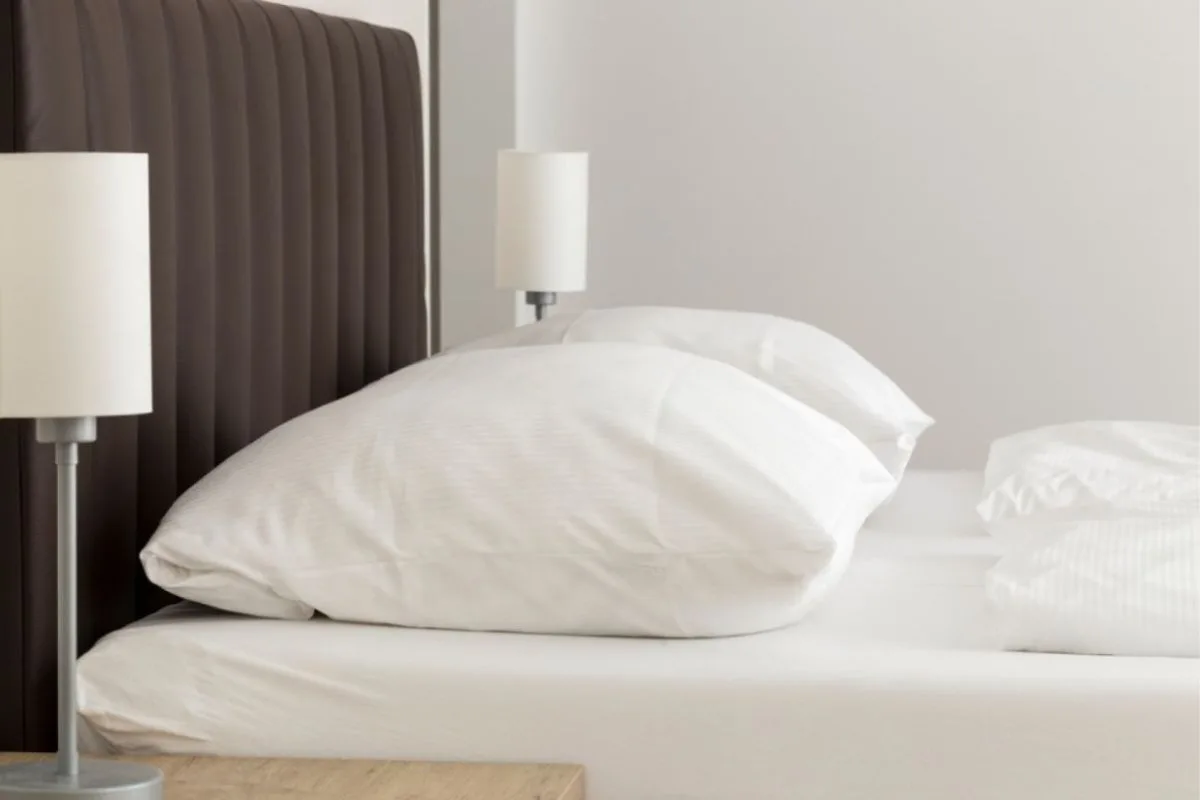
Not all back sleepers are the same. Shoulder width, neck length, and head size affect pillow height. A pillow should fit the space your body creates. Choosing the right height can prevent neck strain and improve comfort.
People with broad shoulders or a thick neck may need a pillow around 4–5 inches. Those with narrow shoulders or a short neck usually do fine with 3–4 inches. The size should match your body, not a standard number. Picking the wrong height can leave your neck unsupported. Adjustable pillows can help if you’re unsure what works. You can change the height until it feels right. And that way, your head and neck stay supported while you sleep. They also let you test different positions to see what feels best.
Best Pillow Materials For Back Sleepers
The material inside a pillow affects support just as much as its height. Some fillings keep their shape and hold the neck in line better than others. Back sleepers should choose materials that maintain consistent support. A pillow that loses shape can cause stiffness and discomfort in the morning.
Memory foam molds to the neck and keeps the spine aligned. Latex foam responds quickly and stays cooler through the night. Shredded adjustable foam lets sleepers change the height to suit their needs. Avoid very soft fiber-fill pillows. They flatten during the night and fail to support the neck by morning. A pillow should be durable and resilient, similar to how a mattress needs to last over time. Choosing a pillow with lasting support is a smart investment for better rest.

Should Back Sleepers Use A Cervical Pillow?
Cervical pillows have a raised section for the neck and a lower area for the head. This shape can help back sleepers keep their spine aligned. The neck roll supports the curve of the neck while the lower center keeps the head from tilting forward.
Many people wake up with neck stiffness or pain. Using a cervical pillow can reduce that discomfort. It helps the neck stay in a neutral position while sleeping on the back. But not every cervical pillow is the same. Choose one with moderate height to avoid straining the neck. A pillow that is too tall or sharply curved can feel uncomfortable and unnatural.
Comparing mattress options in Ireland? See our guide to the best mattresses in Ireland for top choices based on comfort, support, quality, and value.
What Happens If Your Pillow Is Too High?
A pillow that is too high pushes the head forward. This puts strain on the neck muscles and presses the front of the throat. It can make your shoulders stiff too. Signs a pillow is too high include neck pain at the base of the skull, morning headaches, and your chin tilting toward your chest. Shoulder tension is another common symptom. These problems show up quickly, sometimes after just one night.
Keeping your pillow lower usually eases the discomfort. It helps the neck relax and the head stay in a natural position. Over time, this can improve posture and reduce daily aches.
What Happens If Your Pillow Is Too Low?
A pillow that is too low can tilt the head backward. This puts extra strain on the neck and can narrow the airway. Sleeping this way may cause stiffness and snoring. It can also lead to waking up feeling tired or sore. Common signs include a sore neck, tightness in the upper back, or feeling like the head is falling back. Some people notice trouble breathing or waking up with discomfort. These are cues that the pillow isn’t supporting the head properly. Paying attention to these signs can help prevent long-term neck issues.
Raising the pillow can help. Using a thicker pillow or one with adjustable fill can give better neck support. Small changes like this can make sleep more comfortable. Choosing the right pillow height can improve overall rest and reduce morning stiffness.

How To Test The Right Pillow Height At Home
Testing pillow height at home is easy and doesn’t need special tools. Lie on your back like you normally sleep. Ask someone to check your side profile. This helps you see if your neck is properly supported. Your ears should line up with your shoulders, and your face should point straight up. If your head leans forward or back, the pillow isn’t right. A misaligned pillow can cause neck strain over time.
Adjust the height by adding or removing filling if your pillow allows it. Keep changing it until your head feels neutral. Even small tweaks can improve how rested you feel in the morning.
Final Thoughts
Back sleepers usually do best with a pillow around 3 to 5 inches high. Body type, mattress, and pillow material change what feels right, so there’s no single perfect height for everyone. Trying a few options can help you find what’s comfortable.
A pillow isn’t just extra bedding. When it matches your body and mattress, your neck relaxes, your spine stays straight, and sleep comes easier. Waking up feels less stiff and more natural. A small adjustment in height can improve your whole night’s rest. Proper pillow support prevents back pain for back sleepers and mattress thickness for back sleepers contributes to overall spinal alignment.
The main point is simple: the pillow should support your neck without pushing or pulling it. Once that’s in place, the rest of your sleep setup falls into line. Choosing the right pillow can change how refreshed you feel in the morning.