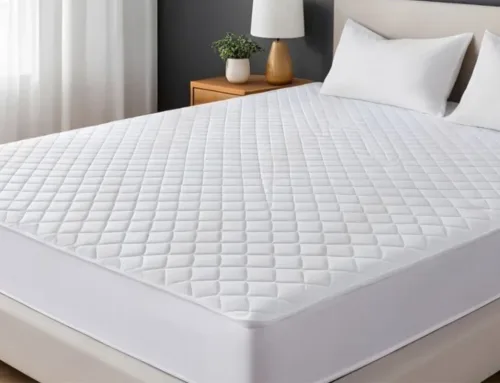

Back pain is hard to deal with, especially if you move around a lot while sleeping. Some people start on their back, roll to their side, then end up on their stomach by morning. When that happens, your mattress, pillow, and sleep setup all need to keep up with those changes. If they don’t, you wake up sore.
The good news is you don’t have to stick to one sleep position to feel better. The right mattress and a few small adjustments can keep your spine supported no matter how you move. You don’t need to overhaul everything, just fix what’s causing the problem. What usually matters most is mattress support, pillow height, and how your body is positioned during sleep. All three affect how your spine lines up overnight. Get those right and back pain becomes a lot easier to manage.
Key Takeaways
- A medium-firm latex or hybrid mattress can help combination sleepers maintain spinal alignment as they change positions during the night.
- An adjustable pillow and extra knee support, when needed, can help keep the neck, hips, and lower back properly aligned.
- Maintaining a neutral spine during sleep is important for reducing pressure, regardless of whether someone sleeps on their side, back, or stomach.
- Sagging, lumps, morning stiffness, or sleeping better on another mattress may be signs that a mattress no longer provides enough support.
- Pairing the right mattress with proper pillow support and healthy sleep habits can help reduce back discomfort and improve sleep quality.

What Is A Combination Sleeper?
A combination sleeper changes positions during the night. They may sleep on their side, then move to their back or stomach. Some shift once or twice, while others move many times. This usually happens without them waking up. That movement changes how the body presses into a mattress. The hips and shoulders carry most of the weight. If the mattress cannot adjust, the spine may bend out of line. This can lead to soreness in the morning.
A combination sleeper needs a mattress that adapts quickly. It should allow easy movement without feeling unstable. At the same time, it must keep the spine straight in every position. That kind of support helps reduce strain while sleeping. For optimal sleep, combination sleepers need to consider both what they sleep on and be aware of practices for better rest, and ensure they sleep in a way that promotes comfort in every position.
Why Back Pain Happens During Sleep
Back pain during sleep usually starts with poor spinal support. A mattress that is too soft lets the hips sink. One that is too firm can force the back to curve the wrong way. When the spine is not neutral, the body cannot fully relax. That pressure builds up through the night. Muscles stay tense instead of resting. By morning, the body feels stiff or sore. The pain can feel worse after getting out of bed.
The mattress is not the only factor. A bad pillow, weak core muscles, or an awkward sleep position can also cause pain. Turning from side to back without support adds strain. This is why combination sleepers need support that adjusts as their position changes.
Best Sleep Positions For Preventing Back Pain
- Side sleeping: This position keeps the spine in line. The shoulders and hips need enough support so the body does not dip or tilt.
- Back sleeping: Lying on the back keeps the spine straight. A mattress that sinks too much can pull the lower back out of position.
- Stomach sleeping: This position puts stress on the spine. It bends the back and neck in a way that can lead to pain.
Changing positions: For people who move between all three, the goal is a neutral spine. The head, shoulders, hips, and knees should stay lined up. No twisting. No sagging.
Dealing with hip discomfort at night? Explore our guide to the best mattresses for hip pain and compare options designed for pressure relief, support, and better sleep.

What To Look For In A Mattress
When someone wants to reduce back pain as a combination sleeper, the mattress is the first place to look. It needs to support the body while still allowing movement. A medium-firm feel gives enough support without feeling hard in different sleep positions. The firmness best for combination sleepers, soft or firm, and medium or firm mattresses provide the support and flexibility needed for changing positions.
Zoned support also matters for people who change positions at night. The mattress should feel firmer under the hips and lower back. It should feel softer around the shoulders to ease pressure when lying on the side. Materials matter too. Latex and hybrid coils respond fast and let the body move without resistance. Slow all-foam beds can hold the sleeper in place, and memory foam can feel fine at first but become a problem when turning.
Don’t Forget The Pillow
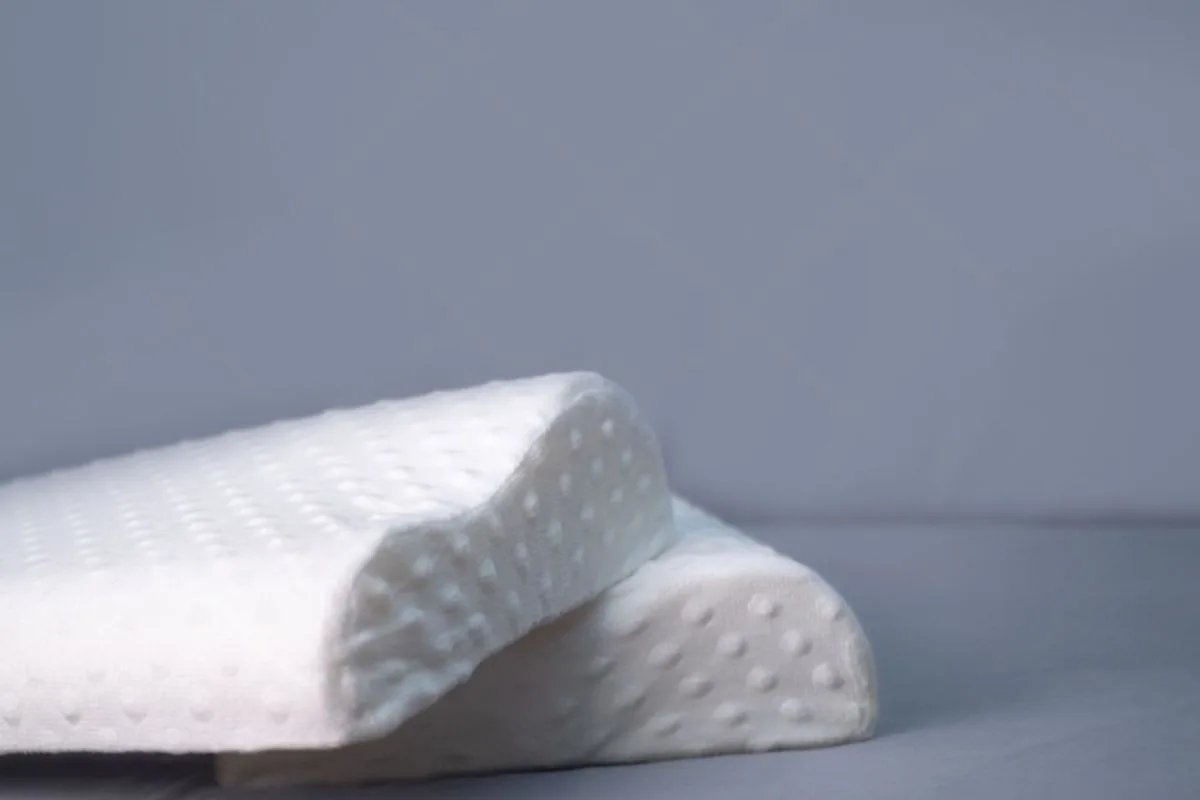
The head and neck guide how the spine sits during sleep. If a pillow is too high or too low, alignment can slip out of place, especially when a person shifts positions at night. An adjustable pillow helps control the height, letting you add or remove fill to fit the neck in each position. Materials like shredded latex or adaptive foam respond as the head moves, keeping support consistent.
The pillow should feel soft but still hold the neck steady to stay level with the spine. Combination sleepers can use an extra pillow between the knees when lying on the side or under the knees when lying on the back. This small change helps maintain spinal alignment and can help make sleep more comfortable.
Best Mattress Types For Combination Sleepers
Combination sleepers need a mattress that can keep up with movement. Switching from back to side to stomach puts stress on the spine. The wrong mattress can leave the lower back sore by morning.
Latex mattresses are a common pick for this sleep style. They respond fast when the body shifts and do not trap heat. That bounce helps keep the spine from dipping out of line. Hybrid mattresses mix coils with foam for steady support and light cushioning. Zoned mattresses add firmer areas under the hips and softer zones near the shoulders. That setup helps protect the lower back and hips through the night.
Tips For Combination Sleepers With Back Pain
Combination sleepers with back pain can try a few small changes to feel better. Stretching before bed helps loosen tight muscles and can reduce strain at night. Strengthening your core also gives your back more support.
Sleep position matters too. A pillow between the knees keeps the hips aligned and reduces pressure. Switching sides each night helps avoid putting stress on the same hip. Bed setup can affect pain as well. A sagging frame can make even a good mattress uncomfortable. If you wake up in pain, pay attention. Your body is telling you something is off.
Signs You Need A New Mattress
A mattress older than seven to ten years may need replacing, especially if it shows clear wear. Sagging in the middle or on the sides, lumps, or dips where you usually sleep are strong signs. These issues can make your nights uncomfortable and affect your posture.
Waking up sore or stiff every morning is another warning. If your body feels better sleeping somewhere else, like a couch or a hotel bed, your mattress may be the problem. Poor support can cause tension and restless sleep. A new mattress can improve comfort and support for your body. Choosing one that fits your sleeping style helps reduce aches and stiffness. And getting proper rest impacts your energy and overall health.

How To Test A Mattress In-Store Or Online
Testing a mattress starts with knowing where you’ll shop. Online buyers should choose brands that offer long sleep trials, usually 90 nights or more. In stores, spend at least 15 minutes lying on each mattress in different positions. While testing, pay attention to how your body feels. Check if your spine stays supported in every position. Notice if you can move freely and change positions without strain.
Also, watch for pressure points. Your hips and shoulders should feel relief, not tension. Comfort is important, but alignment and ease of movement matter more. Focus on how your body feels over how soft or firm the mattress seems.
Final Thoughts
Combination sleepers with back pain don’t have to wake up stiff or sore. The problem usually comes from the mattress, pillow, and how the body is aligned while sleeping. Choosing the right support can help your body rest instead of struggle.
A mattress that suits your sleep style can reduce tossing and turning. Adjusting your pillow and checking your spine’s alignment is also important. Small changes can help you wake up feeling more comfortable. The ideal setup includes the type of mattress best for combination sleepers and the thickness of a mattress for combination sleepers.