

Side sleeping can be good for the body, but only when the pillow supports the head the right way. If the pillow is too low or too high, the neck starts to hurt. And that stress can reach the shoulders and back. So the real focus for side sleepers is proper alignment and steady support, keeping in mind how side sleepers sleep and what side sleepers should be aware of.
The pillow should fill the space between the shoulder and the head. This keeps the neck in line with the spine. When a pillow is too flat, the head falls down. When it’s too thick, the head lifts too much. Either way, the body feels it the next day.
Key Takeaways
- Side sleepers should choose a pillow that keeps the head, neck, and spine aligned by properly filling the space between the shoulder and head.
- Many side sleepers find that a pillow between 4 and 6 inches high provides enough support, though body size, shoulder width, and mattress firmness can affect the ideal loft.
- Neck pain, shoulder discomfort, jaw tension, or an uneven head position during sleep may indicate that a pillow’s loft is not the right fit.
- Materials such as memory foam, latex, and adjustable shredded foam can provide consistent support and help maintain proper alignment throughout the night.
- The right pillow should complement the mattress and overall sleep setup, with factors like mattress firmness and additional support pillows influencing comfort.

Why Pillow Height Is Important For Side Sleepers
A side sleeper needs the right pillow height because the head sits farther from the mattress. The space between the head and shoulder is bigger, so the pillow has to fill that gap. Most people in this position do best with a medium or high pillow that stands around four to six inches, while also considering what type of mattress is good for side sleepers, whether memory foam mattresses are best for side sleepers or hybrid options, and how to pick a mattress for side sleepers to maintain proper support.
When the pillow is too low, the neck bends down and the muscles feel strained. It can lead to discomfort that shows up in the morning. And when the pillow is too high, the head tilts up and puts pressure on the upper spine. This isn’t only about softness or comfort. It’s about keeping the head, neck, and spine in a straight line through the night. A pillow with the right height supports that alignment and helps the body stay relaxed.
What Is The Ideal Pillow Height For Side Sleepers?
Most people say side sleepers do well with a pillow that’s around 4 to 6 inches high. But everyone’s body is built differently, so the right height depends on a few things. Shoulder width, body size, and mattress firmness all play a part. Someone with broad shoulders may need a pillow closer to 6 inches so their neck stays level. And if the mattress is soft, the body sinks more, so a slightly lower pillow can feel more comfortable. A person with narrow shoulders may feel fine with something closer to 4 inches.
The easiest way to know is to lie down in your normal sleep position. The head should feel supported without tilting up or down. If the neck feels relaxed and straight, the height is probably right.
Signs Your Pillow Is Too Low Or Too High
Too Low:
- Neck pain or stiffness in the morning
- Head sinks downward
- Pressure in the shoulders
- Tossing and turning to find a better spot
Too High:
- Chin tilts toward the chest
- Head feels raised in an uncomfortable way
- Tightness in the upper back or jaw
- A feeling that the neck is being pushed up

Best Pillow Materials For Side Sleepers
Pillow height is important, but the filling matters too. Each material supports the head and neck in its own way. Some fit your shape better than others.
Here are good pillow options for side sleepers:
- Memory foam: Follows the shape of your head and neck. Good if you like a soft feel with steady support.
- Latex foam: Has a springy feel and more airflow. It keeps its shape and doesn’t sag easily.
- Shredded foam: Lets you adjust the height. You can add or remove foam to match what you need.
- Down alternative: Soft and light. Just be sure it’s firm enough to hold your neck in place.
Adjustable pillows help side sleepers because you can change the height until it suits you.
Trying to save without sacrificing comfort? Explore our guide to the best cheap mattresses and compare budget-friendly options for support, durability, and value.
How Mattress Firmness Affects Pillow Height
Firm mattresses hold the body up and don’t let it sink much. This means the gap between the head and the mattress is smaller. Using a tall pillow can push the head too far up and strain the neck. People with firm mattresses often notice more pressure on their shoulders if the pillow is too high. For a firm mattress, a low to medium pillow works best. Aim for about 3.5 to 5 inches in height. The pillow should support the head without tilting it upward. Picking the wrong pillow can lead to stiffness and poor sleep quality.
Choosing the right pillow height helps keep the spine aligned. Too high can cause discomfort while sleeping. A simple, supportive pillow is usually enough for firm surfaces. It’s worth testing a few heights to see what feels most natural.

Side Sleepers With Shoulder Pain Need Extra Support
Side sleepers who wake up with shoulder pain may be dealing with more than a pillow issue. Their mattress might feel too firm, or their pillow might not give their shoulder enough space to settle. This creates pressure that shows up as pain or numbness in the morning.
They can try using a body pillow for extra side support or add a soft topper to ease the pressure on their shoulder. A contoured pillow with a small cut-out can also help keep their neck and shoulder in a better position. These small changes can bring real comfort during sleep. When they test a pillow, they should lie down the way they usually sleep. Their head should rest in a straight, natural line. It shouldn’t tilt up or sink down. This helps them feel supported through the night.
Choosing the right mattress firmness and thickness is also important, whether a hard or soft mattress is better for side sleepers for proper support.
Should Side Sleepers Use Two Pillows?
Many side sleepers feel better with two pillows, but not in the way people think. The main pillow goes under the head and should be around four to six inches thick. This height keeps the neck steady through the night. The second pillow isn’t meant to lift the head higher. It sits between the knees to help keep the hips in line. This small change can ease pressure on the lower back and stop that stiff feeling in the morning.
Some side sleepers prefer this setup because it feels more natural. And it’s a simple way to get better rest without changing much. Anyone dealing with hip or back pain may want to try it and see if it helps.
Adjustable Pillows: The Best Option For Most Side Sleepers
Some people get stuck choosing between a 4-inch or 6-inch pillow. An adjustable pillow takes that stress away. They can set it up the way their body needs. And it helps them avoid buying the wrong pillow. These pillows let them add or remove filling through a small zip opening. Most are filled with shredded foam or latex. They can raise or lower the height until it feels right. And the adjustments only take a minute.
This setup helps people who switch sleep positions. It also fits teens who are still growing or couples sharing one bed. And it supports anyone who isn’t sure what loft fits them yet. Sometimes this ends up being the easiest way to get comfortable.
Pillow Height For Side Sleepers With Neck Pain
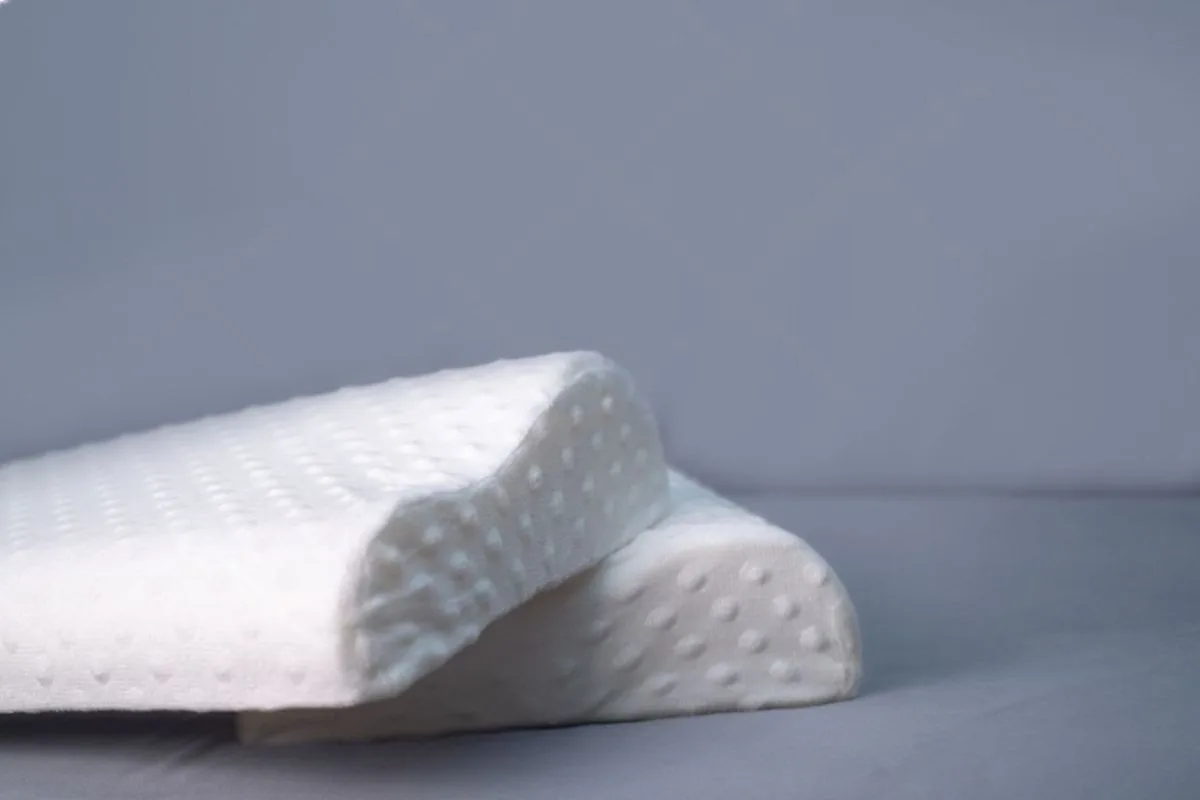
A side sleeper with neck pain needs a pillow that keeps the head in line with the spine. The pillow should fill the space between the neck and shoulder so the head doesn’t sag. And it needs to stay firm enough through the night to keep that support. Memory foam and latex are good choices because they contour to the neck without sinking too much. A soft feather or thin polyester pillow usually compresses and can leave the neck strained by morning. A pillow that holds its shape gives the body a better chance to relax.
If the pain stays the same after switching pillows, it’s time to ask a healthcare professional. Long-lasting pain shouldn’t be ignored. Getting the right advice early can help prevent the problem from getting worse.
Final Thoughts
Side sleepers usually need a pillow between 4 and 6 inches tall. But the exact height depends on your body and mattress. The goal is to keep your head, neck, and spine in a straight line. Everyone’s shape is a little different, so what works for one person might not work for another.
A good pillow should keep your head level. You shouldn’t feel it pushing up or sinking down. You should wake up without pain or stiffness. It should feel like it’s holding you, not forcing your head in a position. If you have to fold or fluff it all the time, it’s probably too low or too high. A proper pillow can help you sleep comfortably. Don’t settle for less if it leaves you sore in the morning. Finding the right one can make your nights a lot easier.