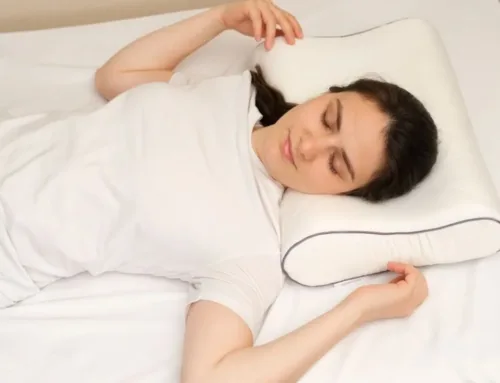

Most people sleep on their side, and it feels cozy for many. But it can get uncomfortable when the mattress doesn’t support the body well. Someone may wake up with pressure in the shoulders or hips, or even with numb arms.
Side sleepers need good pressure relief and steady alignment. Without that, the body sinks in the wrong spots and causes soreness in the morning. A pillow that keeps the neck level also helps keep the spine steady through the night. Recognizing how side sleepers sleep ensures the right setup for comfort and reduced morning pain. The goal is a bed that keeps the body at ease and reduces morning pain. In the next section, we’ll explore the choices that can help side sleepers rest better.
Key Takeaways
- Side sleepers need a mattress that cushions the shoulders and hips. This helps avoid pressure points and reduces pain at night.
- Keeping the spine aligned is important. Choose a mattress that supports a straight spine instead of letting your body sink too much.
- Medium to soft mattresses usually suit side sleepers. They provide enough comfort while still supporting the body.
- Pay attention to numb arms, sore shoulders, or lower back pain. These can show your mattress isn’t supporting you properly.
- Look for breathable materials and strong edge support, especially if you move a lot or sleep near the edge of the bed.
Why Side Sleepers Need a Special Kind of Mattress
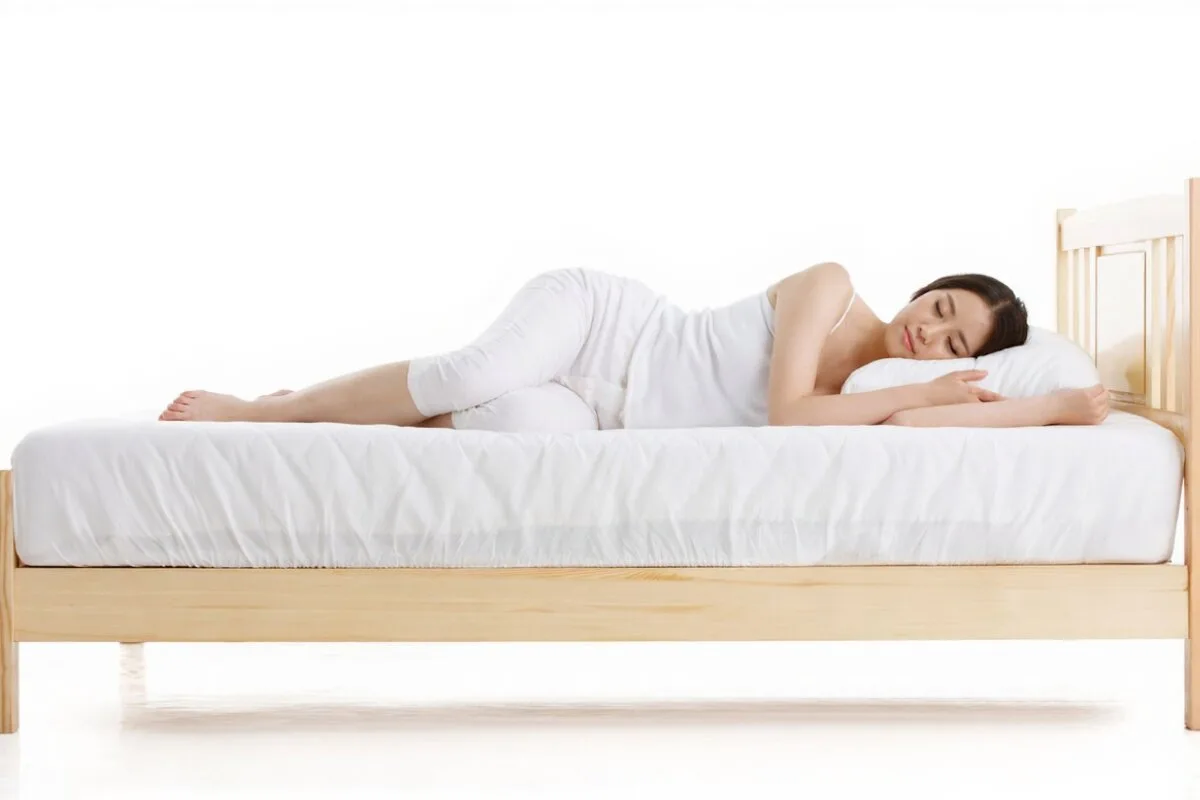
Side sleepers carry extra pressure on their shoulders and hips. Because of this, they need a mattress that cushions those areas but still keeps the back steady. When the surface feels balanced, the body stays comfortable through the night. If the mattress feels too firm, it pushes into the body and creates pain. But if it feels too soft, the body sinks and the spine loses its natural line. Finding the middle ground protects the back and helps the body relax.
Choosing the right type of mattress for side sleepers and considering whether memory foam mattresses are best and memory foam or hybrid provides the support and pressure relief needed guides the choice of materials and firmness. The materials and firmness level guide that balance. Most side sleepers feel better on a medium-soft to medium-firm feel, around a 4 to 6 on a 10-point scale. This level gives enough softness for pressure relief and enough support to keep their posture steady.
Pressure Relief
Pressure relief is important for staying comfortable on your side. When someone sleeps this way, most of their weight lands on the hips and shoulders. These spots take in more pressure than the rest of the body.
A mattress with good pressure relief lets these areas sink in just enough. It supports the body without forcing the spine out of place. Without this cushion, a person may wake up with sore shoulders or stiff muscles. It becomes clear fast when the mattress isn’t giving enough comfort. Memory foam and latex can help with this since they contour around the body. They spread weight in a more even way and reduce pressure on small points. This keeps the body supported through the night and brings a softer and easier rest.
Spinal Alignment
The spine should stay straight and relaxed while a person sleeps. When it stays in a neutral line, the body settles better, and sleep feels easier on the back. For someone who sleeps on their side, this balance happens when the mattress holds the torso steady while letting the hips and shoulders sink in just enough. If the bed is too soft or too firm, the spine bends in strange ways. And that’s when back pain or stiffness shows up later on.
A good mattress supports the body’s natural curves without pulling someone down too deep. Latex and memory foam can offer that kind of support when they’re made with solid materials. They keep the body steady and help the spine stay in a healthier position through the night.
Sleeping hot at night? Explore our guide to the best cooling mattresses and compare options designed for airflow, temperature control, comfort, and support.

Common Pain Points for Side Sleepers
Side sleepers usually point to the same issues. Shoulder pain shows up first. Hip pain is close behind. Some wake up with numb arms. Others feel it in their lower back by morning. When someone feels sharp pressure in the shoulder, the mattress is likely too firm or not flexible enough. And when the hips sink too deep, the body loses support and the pain settles in. A soft surface can feel nice at first, but it can pull the body out of line through the night.
A better setup for a side sleeper with shoulder pain starts with gentle comfort layers near the top. Two to four inches is usually enough to ease pressure. Under that, a stronger base keeps the body steady so the shoulders rest without strain.
Memory Foam Mattress vs Latex Mattress: Which Is Better?
Memory Foam Mattress:
- Hugs the body closely
- Provides pressure relief
- Can trap heat unless it has gel or breathable layers
Latex Mattress:
- Bouncy and responsive
- Natural and breathable
- Offers strong support and lasts long
Side sleepers who get hot at night should pick a cooling option. Natural latex or breathable memory foam with cooling layers stays cooler than standard memory foam.

Mattress Firmness
Finding the right firmness can change how a person rests at night. A medium soft feel usually suits side sleepers under 130 lbs. A medium level fits most people, while a medium firm surface can support heavier sleepers. Paying attention to what firmness is for side sleepers and if a hard or soft mattress is better for side sleepers ensures the bed provides proper support and comfort.
But firmness is only part of it. The comfort layers on top still matter a lot. Without the right materials, the mattress can feel stiff even if the firmness seems right. Memory foam molds to the body and reacts to heat and weight. Latex has more lift and steady support. Both can help someone rest comfortably when made with good materials and placed on a solid base.
The Right Pillow for Your Neck
Side sleepers need more than just a comfortable mattress. Their neck also needs support to stay aligned with the spine. A pillow that is thick enough can prevent stiffness and pain. Choosing the proper setup involves picking the right mattress for side sleepers, thickness, and how high should a pillow be for side sleepers to ensure complete comfort.
Pillows for side sleeping should be medium to high in height, around 4 to 6 inches. They need to support the neck while still feeling soft. The shape should cradle the neck, not push it up or let it sink. Memory foam and latex are good choices for these pillows. They keep their shape and provide steady support. A proper pillow can help keep the neck comfortable through the night.
Cooling Comfort
Many people feel too warm at night. Foam mattresses can hold heat unless they are designed to stay cool. Side sleepers may notice this more. Cooling mattresses can use gel memory foam, ventilated latex, or breathable open-cell foam. Covers made of cotton or wool also help. These materials let air move and keep the surface cooler.
Temperature control matters for anyone who sleeps hot or lives in warm climates. A mattress that stays cooler can help sleep feel more comfortable. Choosing the right materials can reduce overheating at night.
Mattress Recommendations for Side Sleepers
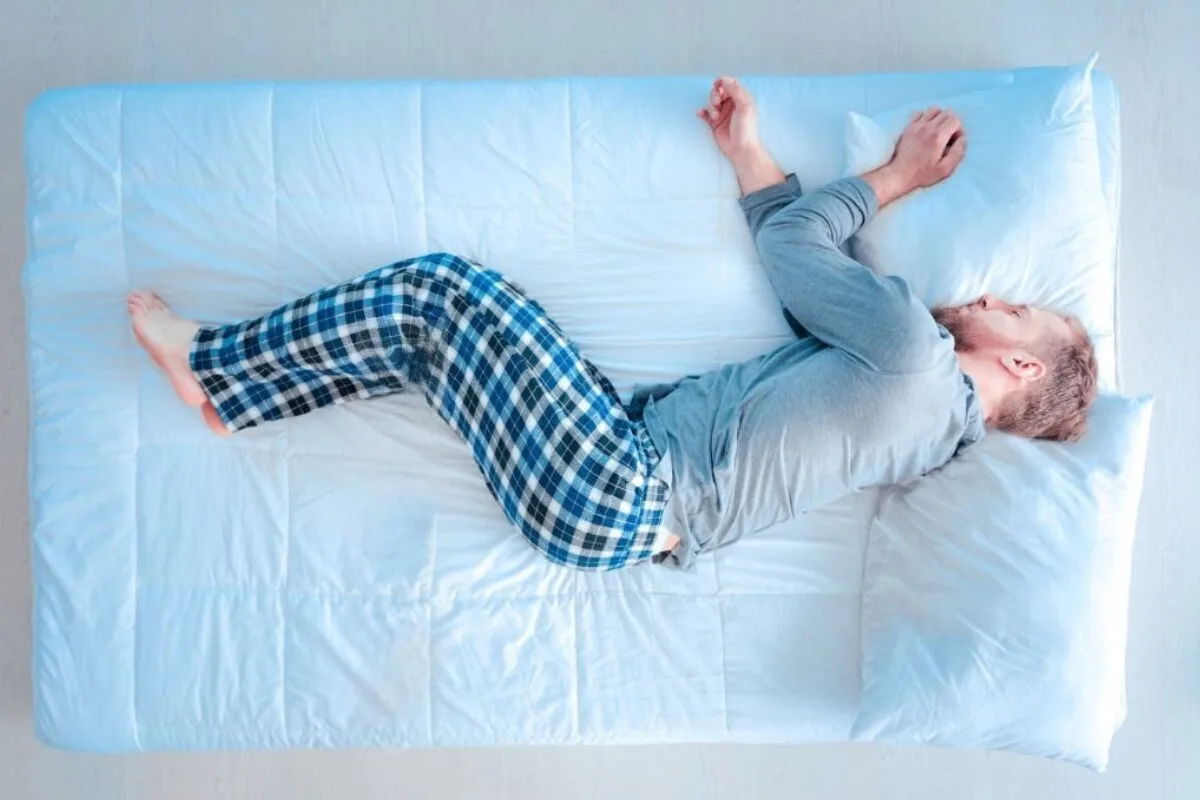
Side sleepers need a mattress that cushions the shoulders and hips while keeping the spine aligned. Memory foam mattresses with soft tops and firm cores can help relieve pressure. Checking the thickness and density of the foam is important for lasting comfort.
Natural latex mattresses offer medium firmness and good support. They hold up over time and keep the body aligned. Side sleepers can feel the difference in how pressure points are supported. Hybrid mattresses combine coils and latex or gel foam. They provide support and stay cooler through the night. Breathable covers and durable layers improve comfort and prevent quick wear.
Final Thoughts
Side sleepers need a mattress that supports their body, not one that causes pain. A poor choice can lead to sore shoulders, backaches, and restless nights. Choosing the right firmness and pillow setup can help reduce these problems. Focus on pressure relief and keeping the spine aligned. Materials like memory foam or latex provide steady support. Ignore thick pillowtops or flashy brand names that don’t last.
Sleep should feel comfortable and personal. If mornings bring stiffness or fatigue, it’s time to rethink your mattress. Finding one that fits your body can improve rest and energy throughout the day.