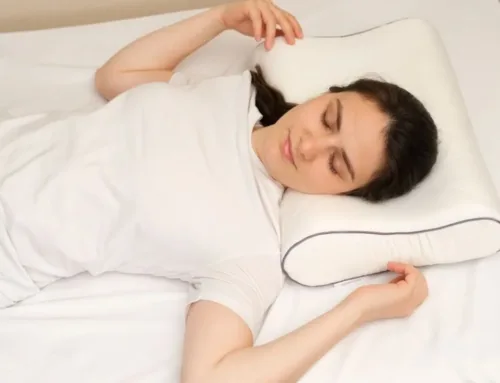

Memory foam mattresses are popular with side sleepers because they soften where the body puts the most pressure. The shoulders and hips sink in. This can help reduce pressure. But without enough support, it can lead to pain or poor sleep. Memory foam shapes to the body and some people like how it feels. It can ease pressure points and support natural curves but it can also feel too soft. It may also trap heat, which can be uncomfortable for some sleepers.
In this post, we’ll compare memory foam with other mattress types. The goal is to help side sleepers find what works for them. This covers whether memory foam or hybrid mattresses are better, what mattress types suit side sleepers, and what to look for when choosing one.
Key Takeaways
- Memory foam mattresses follow your body’s shape and cushion pressure points for side sleeping.
- Medium‑soft to medium‑firm mattresses (4–6/10) usually support side sleepers’ spines while contouring to the body.
- Hybrid and latex mattresses can also relieve pressure and provide support for side sleepers.
- Body weight affects feel, with lighter sleepers preferring softer mattresses and heavier sleepers needing firmer support.
- Memory foam reduces motion transfer but can trap heat or feel slow to move with.
How Memory Foam Works
Memory foam responds to body heat and pressure. When someone lies down, it slowly shapes to their body. This helps take pressure off areas like shoulders, hips, and knees. Many people find it more comfortable than standard foam. It also keeps motion from spreading across the bed. If a partner moves or gets up, you barely notice. NASA originally created this foam, and now it’s in many mattresses. It can make sharing a bed easier for couples.
But not all memory foam is the same. Low-density foam feels soft but wears out quickly. High-density foam holds up longer and gives more steady support. Choosing the right density can change how long a mattress lasts.
Why Side Sleepers Need Special Support
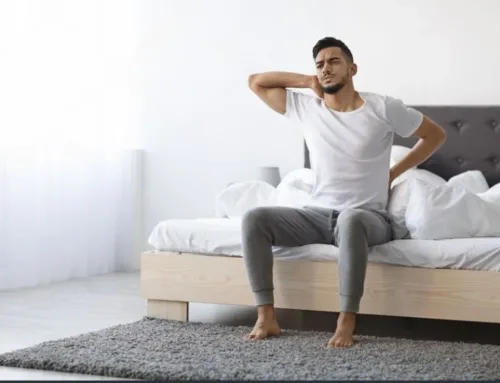
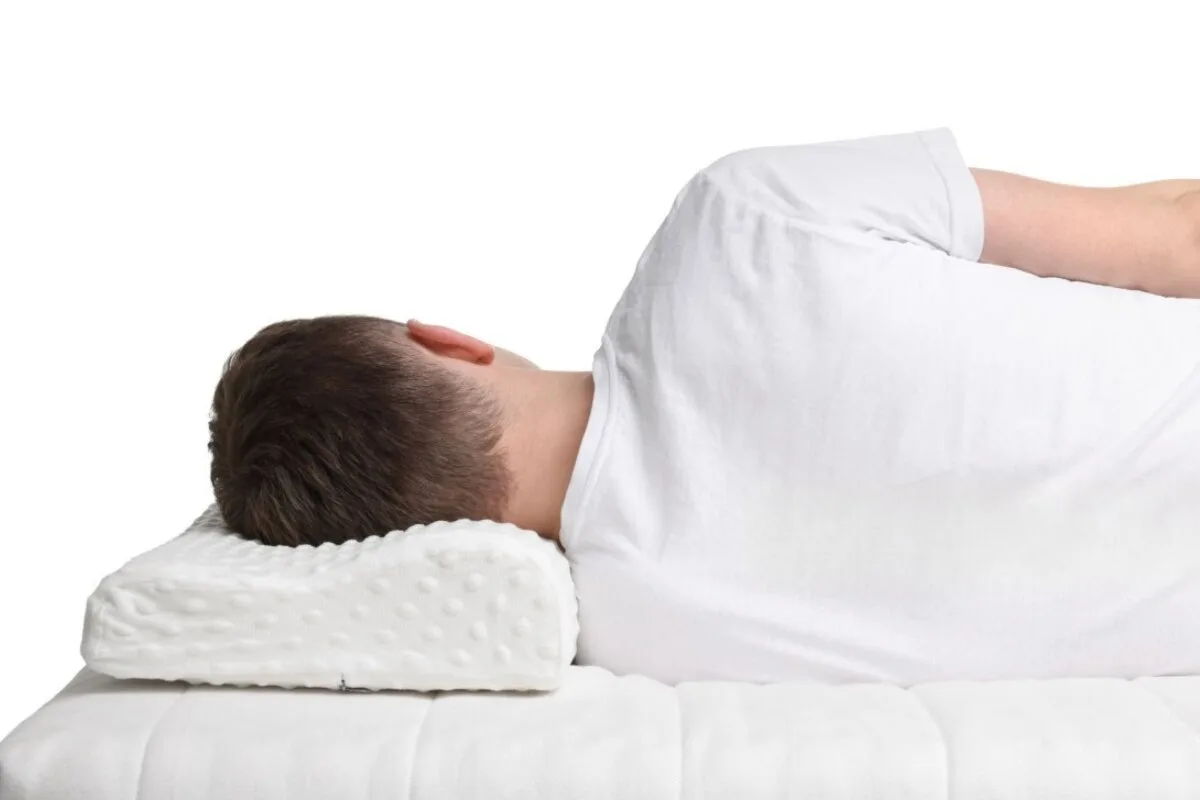
Side sleepers can feel pressure in the shoulders, hips, and knees. If the mattress doesn’t cushion these areas, it can cause pain or numbness. Choosing the right mattress is important for comfort. The right firmness mattress for side sleepers, if it’s a soft or hard mattress, proper pillow height, proper thickness of mattress, and a supportive sleeping position, helps maintain spinal alignment and reduces pressure.
A mattress should give support and keep the spine straight. It also needs to relieve pressure on the joints. Too firm, and the body can’t sink in enough. Too soft, and the hips can sink too much, twisting the back. Memory foam adapts to body curves while holding the spine in line. This helps sleepers stay comfortable through the night.
Key Benefits Of Memory Foam For Side Sleepers
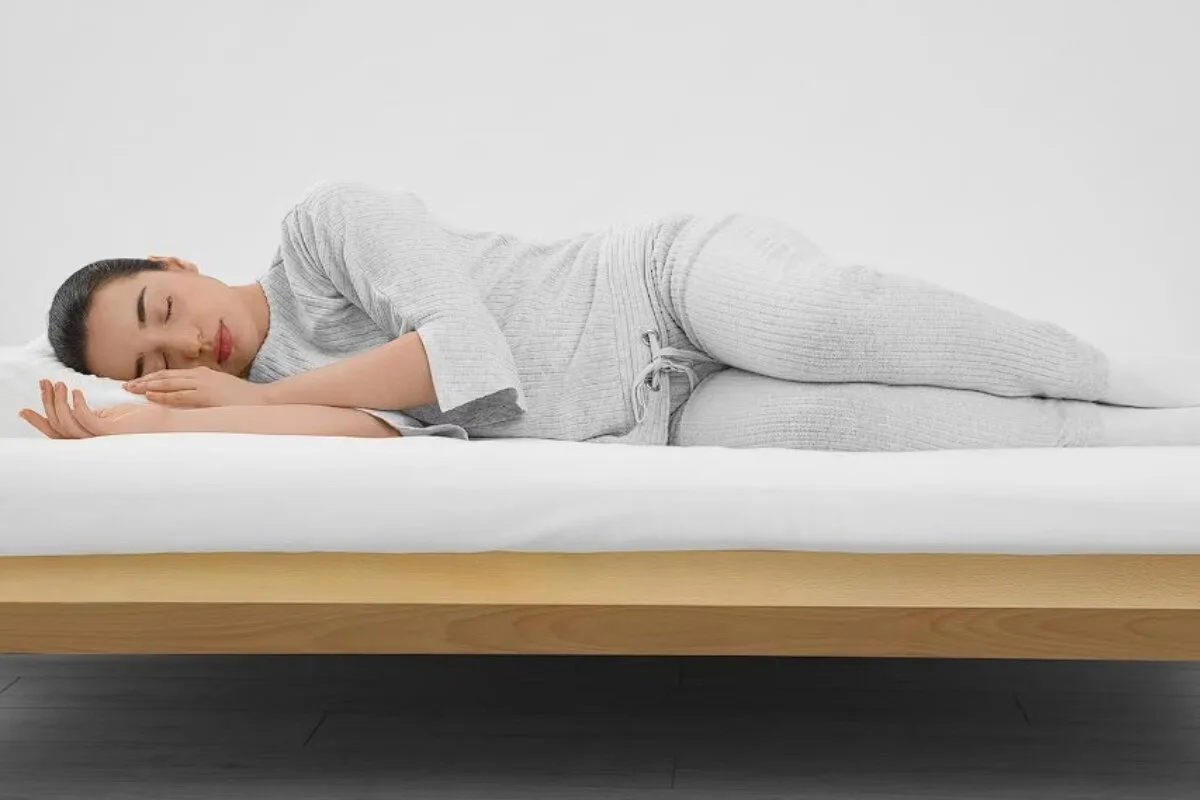
Memory foam eases pressure on the shoulders and hips for side sleepers. It molds to the body and gives a gentle cradle. This helps reduce pain and stiffness during sleep. Many people find it softer than traditional mattresses. It supports the shape of the whole body without forcing any position. The spine stays more aligned while sleeping. Side sleepers can move less at night and feel more comfortable. It can help prevent soreness in the morning.
Memory foam also absorbs movement from a partner or pet. Medium firmness works for many side sleepers. It gives steady support without sagging or feeling too soft. You can sleep through the night without waking up tired.
What Are The Downsides?
Memory foam isn’t perfect. Some types hold heat, making it uncomfortable to sleep, while others react slowly, so moving around at night can be tricky. Heavier sleepers might notice this more than lighter ones.
Lower-quality foams can sag over time and lose support. New mattresses can have a chemical smell for a few days, which usually goes away. Some also feel firmer on top than you expect at first. Gel-infused or open-cell foams can help with heat. Checking the foam’s density and reading reviews can prevent it from wearing out too quickly. It’s a good idea to know exactly what you’re buying before making a choice.
Best Mattress Firmness For Side Sleepers
Side sleepers usually do best with a mattress that is medium-soft to medium-firm, around 4–6 on a 10-point scale. This lets the shoulders and hips sink in a bit while keeping the spine supported. Too soft or too firm can cause discomfort over time.
Body weight also affects the choice. People under 130 lbs may prefer a softer feel, while those over 230 lbs need firmer support. Extra foam or support layers help heavier sleepers avoid sinking too much. Zoned mattresses can help, too. They have different firmness levels in areas like shoulders, hips, and legs. This can keep the body more aligned and reduce pressure points during sleep.
Memory Foam Vs Hybrid Mattresses
Memory foam mattresses are made entirely of foam. They contour to the body and reduce pressure on hips and shoulders. They also limit movement, so you don’t feel your partner shift at night. Some people feel like they sink in too much after a few hours. Hybrid mattresses mix foam with springs or coils. This gives some contouring but adds bounce and airflow. They feel firmer on top and cooler than memory foam. They can be louder when you move, depending on the coils.
For side sleepers, memory foam is soft and hugs the body. Hybrids give more lift and stay cooler. The choice comes down to whether you prefer sinking in or a bit of spring under you. Some sleepers like a mix of both for balance.
Do Side Sleepers Need A Mattress Topper?
Side sleepers who find their mattress too firm can try a memory foam topper instead of replacing the whole bed. A topper can soften the surface and relieve pressure on shoulders and hips. Look for one that’s about 2 to 3 inches thick.
Choose a medium-soft or medium feel for comfort. Gel or copper-infused foam can help keep it cooler at night. Make sure the foam is dense, around 4 to 5 pounds per cubic foot, so it lasts longer. Toppers won’t fix a mattress that sags in the middle. They only change the feel on top of the bed. For a firm mattress, a good topper can make side sleeping much easier.
Best Memory Foam Mattresses For Side Sleepers
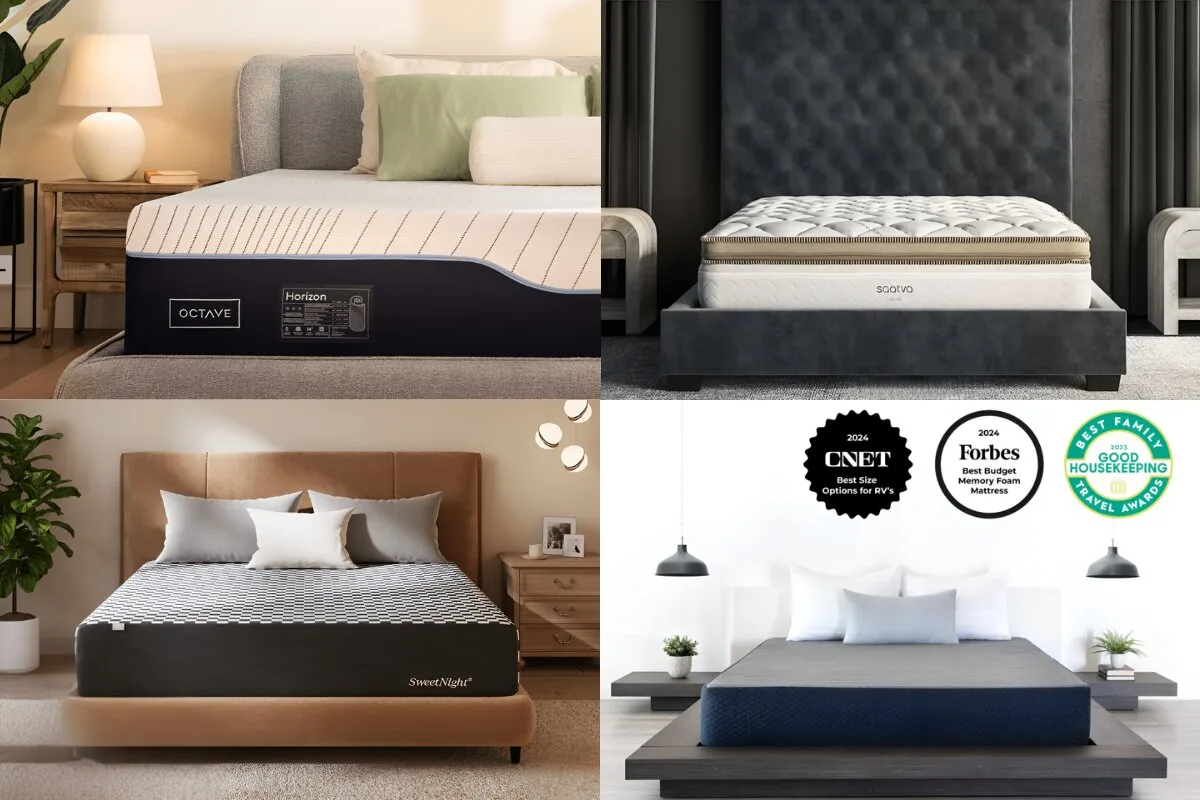
- Octave Horizon: The Octave Horizon is a 14″ all-foam mattress with six layers, including copper-infused memory foam and zoned support for spinal alignment. It’s rated medium-firm, giving contour without feeling too soft. Side sleepers can get relief around hips and shoulders, though very light or petite sleepers might want a softer option. It comes with a 365-night trial and a 15-year warranty.
- Saatva Solaire: The Saatva Solaire uses dual air chambers, letting each side have its own firmness with 50 settings from very soft to very firm. The top layers combine gel memory foam and 5-zone latex for pressure relief. Side sleepers who choose softer settings get better contouring around shoulders and hips, while firmer settings may feel flat, so testing the right firmness is key.
- SweetNight Prime: The SweetNight Prime flips between medium-firm and firm sides. Gel memory foam helps with cooling, and the high-density base foam adds support and durability. Side sleepers may prefer the medium-firm side for contouring, while heavier sleepers might find the firm side too hard and the medium side not enough for deep pressure relief. It comes with a 100-night trial and a 10-year warranty.
- Dreamfoam Essential: The Dreamfoam Essential is an all-foam, budget-friendly mattress with gel swirl memory foam for cooling. It comes in five firmness levels, five heights, and 22 sizes, giving plenty of options. Side sleepers usually prefer the softer options for shoulder and hip relief, but firmer models can feel rigid and don’t give as much hug. It has a 120-night trial and a lifetime warranty.

Common Mistakes To Avoid
People sometimes pick mattresses that are too firm. These beds don’t ease pressure on shoulders, hips, or back. Sleeping on them can leave you sore. It’s easy to think firmer is better, but it can actually hurt more than help. Buying cheap memory foam can be a mistake. Low-density foam flattens fast and loses support. It won’t last long. You might save money at first, but you will probably need a new mattress sooner than you expect.
Your weight matters when choosing a mattress. Heavier people need firmer support, while lighter people may need something softer. Also, skip beds without a trial period and avoid mattresses with thick low-quality polyfoam in the comfort layer because they wear down quickly. Testing the mattress first can prevent months of bad sleep.
Final Thoughts
Side sleepers need a mattress that supports their body. Memory foam can help by easing pressure and keeping the spine aligned. It shapes to your body in ways other materials don’t. Some people notice the difference the first night they try it. A good mattress should not cause pain or stiffness. If shoulders or hips hurt in the morning, adding memory foam might help. Even a topper can relieve some of the pressure. It can feel softer where you need it and firmer where you need support.
Comfort matters for sleep. Choosing a mattress that fits your body can make nights easier. And getting better rest is worth it. A mattress that fits well can change how you feel during the day too.