
Side sleepers need a mattress that eases pressure on the shoulders and hips. The wrong pick can leave someone waking up sore or shifting around all night. A bed that doesn’t follow the body’s shape can pull the spine out of place and cause more discomfort than rest, which is why it’s important to focus on the type of mattress that is good for side sleepers and things side sleepers should be aware of.
A good mattress for this position gives steady support without feeling stiff. It should let the body sink in just enough to reduce tension. And when the spine stays level, sleep feels calmer and the body settles more easily.
There are simple ways to find the right match once someone knows what to check. The goal is to choose a bed that fits their shape and sleep habits. In the next section, we’ll explore the key features that guide side sleepers toward better rest.
Key Takeaways
- Side sleepers need a mattress that supports the spine while cushioning shoulders and hips.
- Medium to medium-soft mattresses usually help relieve pressure without letting the body sink too much.
- Memory foam and hybrid mattresses are common choices because they follow the body’s shape and can ease joint and shoulder pain.
- Mattress firmness should match body weight. Lighter sleepers may need softer options, while heavier sleepers need more support underneath.
- Cooling features matter for anyone who sleeps hot. Breathable foams and airflow can help prevent overheating.
Why Side Sleepers Need a Special Mattress
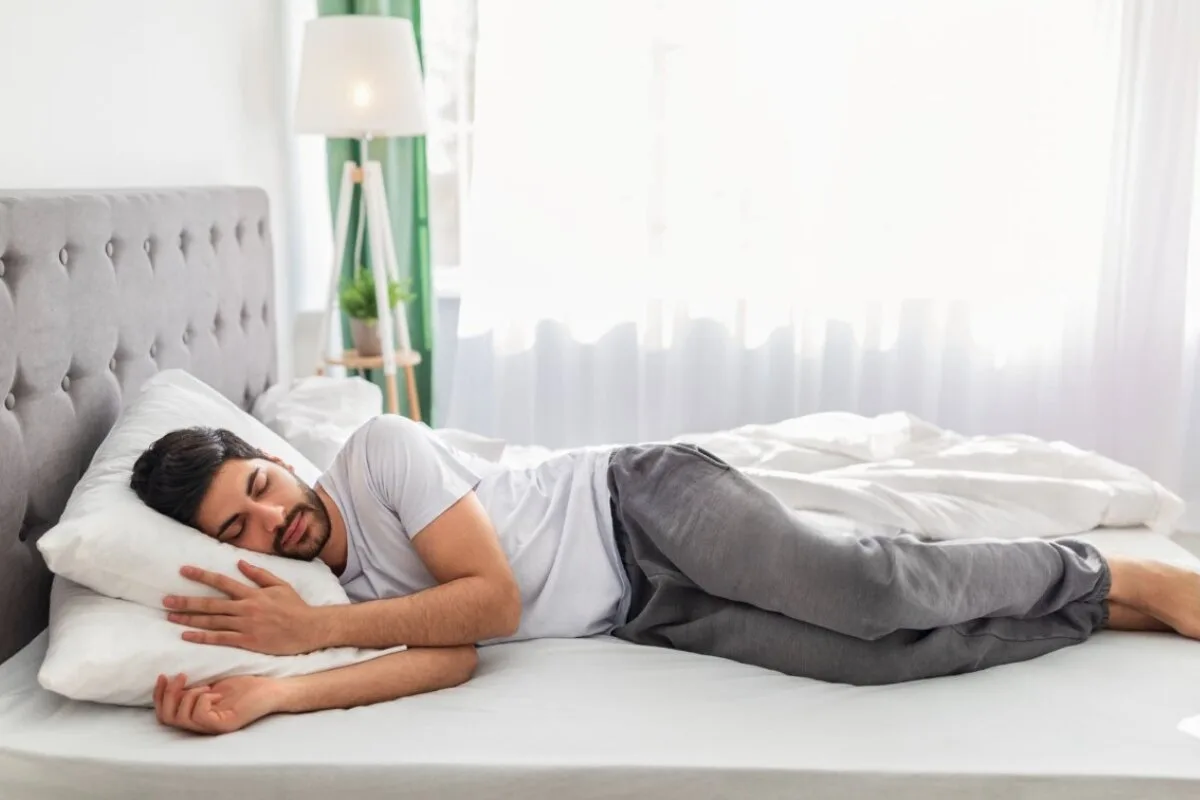
Side sleepers put more weight on their shoulders and hips, so these spots press harder into the mattress. When the surface doesn’t give enough support or cushioning, those areas can feel sore. And over time, the pressure can spread into the lower back. They need a mattress that feels soft enough to ease the pressure but firm enough to keep the spine lined up. If the bed is too soft, the body sinks unevenly. If it’s too firm, the joints feel strained. A balanced feel helps the body stay comfortable through the night.
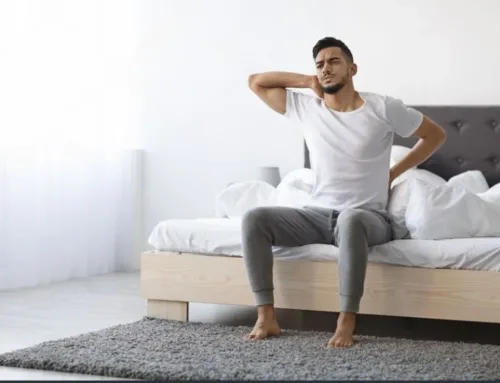
When someone wakes up with tight shoulders, sore hips, or a stiff back, it’s a sign the mattress isn’t helping them rest. And they don’t have to stay uncomfortable. A better mattress setup can ease the stress on the body and help them sleep with less pain.
What Side Sleepers Should Look For in a Mattress
Side sleepers need a mattress that eases pressure on their shoulders and hips. The surface should feel soft enough to cushion these areas, but not so soft that the body sinks unevenly. When the mattress supports the body this way, it helps reduce strain through the night.
A good mattress should also keep the spine straight from the neck down. When the body stays in a neutral line, it helps prevent morning stiffness. And when the person shifts positions, the mattress should respond without feeling too stiff or slow. Comfort layers matter too. Memory foam and latex can contour to the body without collapsing under weight. These materials give steady support while letting the body settle in naturally. And for side sleepers, this balance creates a more comfortable rest.
Best Mattress Firmness for Side Sleepers
Most side sleepers feel better on a medium-soft to medium-firm mattress. This range gives enough give for the body without losing support. It usually sits around a 4–6 on a standard firmness scale. Proper alignment and comfort throughout the night also depend if you are sleeping correctly, the right firmness mattress, and balancing between a hard or soft mattress for side sleepers.
A mattress that is too firm can press into the shoulders and hips. That pressure can lead to discomfort through the night. It can also cause someone to wake up feeling stiff. A mattress that is too soft lets the middle of the body sink too deep. That pulls the spine out of line and creates more strain. The right balance allows the shoulders and hips to settle in while the center stays supported.

Best Mattress Types for Side Sleepers
Memory foam is a common choice for side sleepers because it eases pressure on the shoulders and hips. It molds around the body in a soft, steady way, and it keeps movement from spreading across the bed. People who need gentle cushioning tend to like this type the most. Latex feels different, giving a bit more lift while still supporting the body. It stays cooler than memory foam, which helps anyone who sleeps warm. Many choose it because it feels sturdy and has a natural build.
Hybrid mattresses mix foam with springs to create a balanced feel. The coils help with airflow and add a slight bounce, while the foam layers soften pressure points. This type is a solid choice for people who shift between positions during the night. Many side sleepers prefer memory foam or hybrid options for their balance of comfort and support.
Avoid Mattresses That Are Too Firm
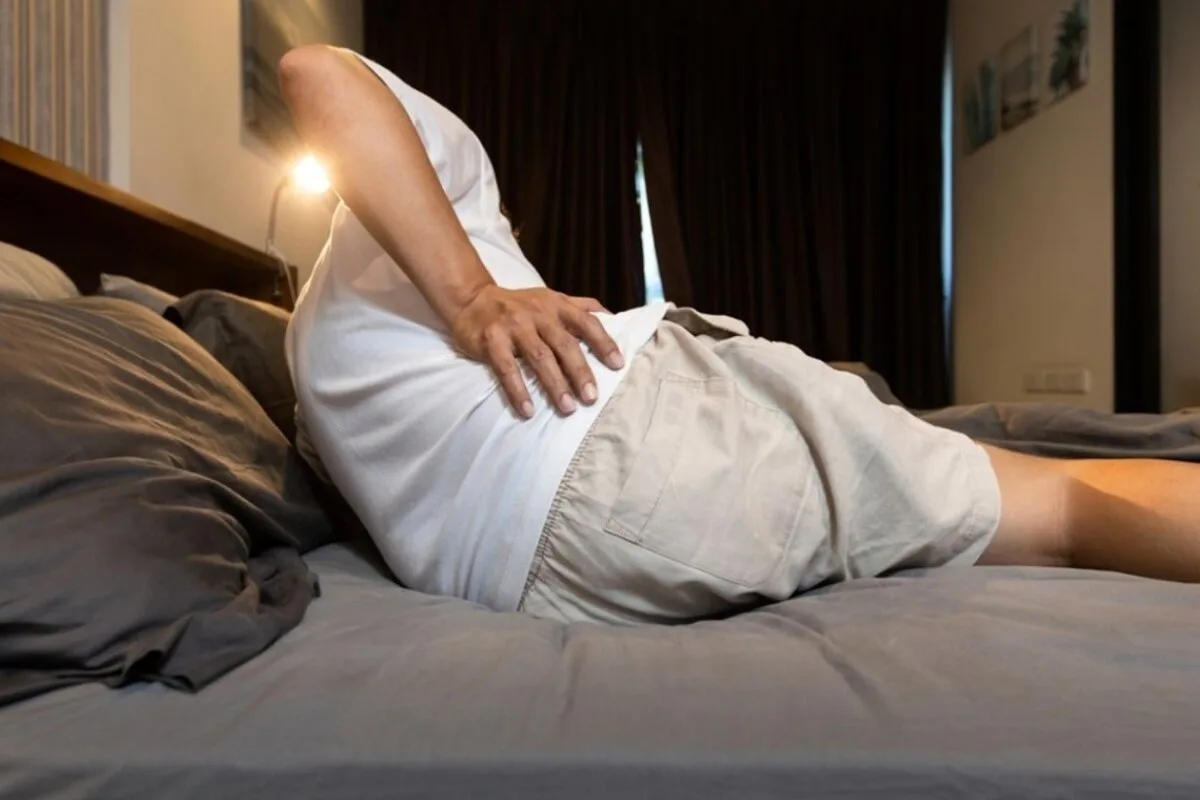
Firm mattresses can be uncomfortable for side sleepers because they push against the hips and shoulders. When a bed feels too hard, the body ends up resting on a few spots instead of sinking in evenly. This can lead to stiffness that lingers through the day.
A mattress may be too firm when someone wakes up with sore points on their body. Another sign is feeling like they’re lying on top of the bed instead of settling into it. Some people also notice their arm going numb or tingling during the night. A softer surface is the better choice for side sleepers. A plush top or materials like latex or memory foam can ease pressure so the body rests more comfortably. And with the right surface, they’ll feel more supported through the night.
Consider Zoned Support for Better Spinal Alignment
Zoned support gives each part of the body what it needs. The mattress has firmer sections under the hips and softer areas around the shoulders and legs. This setup keeps the body steady without adding strain. Side sleepers benefit because the mattress eases pressure while keeping the spine in a more natural line. It helps prevent sinking in the wrong spots and keeps the body from tilting. And it’s easy to feel the difference once you lie down.
People with back pain may find this type of design helpful since it gives targeted support without feeling stiff. It also offers a more tailored feel without needing a fully customized mattress. For many, it’s a simple way to get better balance during sleep.
Mattress Materials That Work Best for Side Sleepers
Side sleepers need a mattress that supports their body without causing pressure. High-density memory foam is a good option because it cushions curves and eases pressure points. Natural latex can also help, as it is durable and adjusts to the body.
Mattresses with hybrid systems and pocketed coils provide support and reduce movement from a partner. These designs keep the spine aligned and help avoid discomfort. Choosing materials that hold up over time is important for consistent sleep. Cheap or low-density foams wear out fast and can sag. When a mattress sags, the spine falls out of alignment and pain can follow. Side sleepers should focus on materials that stay firm and supportive.
Test for Motion Isolation and Edge Support
Motion isolation is important for anyone who shares a bed. Memory foam and hybrid mattresses absorb movement, so one person’s shifts don’t disturb the other. This helps both sleepers rest without interruptions. Edge support matters for people who sleep near the side of the bed. Mattresses with firm edges or reinforced foam rails keep you from feeling like you might fall off. Hybrids usually offer stronger support at the edges.
Testing both motion isolation and edge support before buying is smart. It shows how the bed handles movement and weight at the sides. Choosing a mattress that holds up in these areas improves sleep comfort.
Try Before You Buy
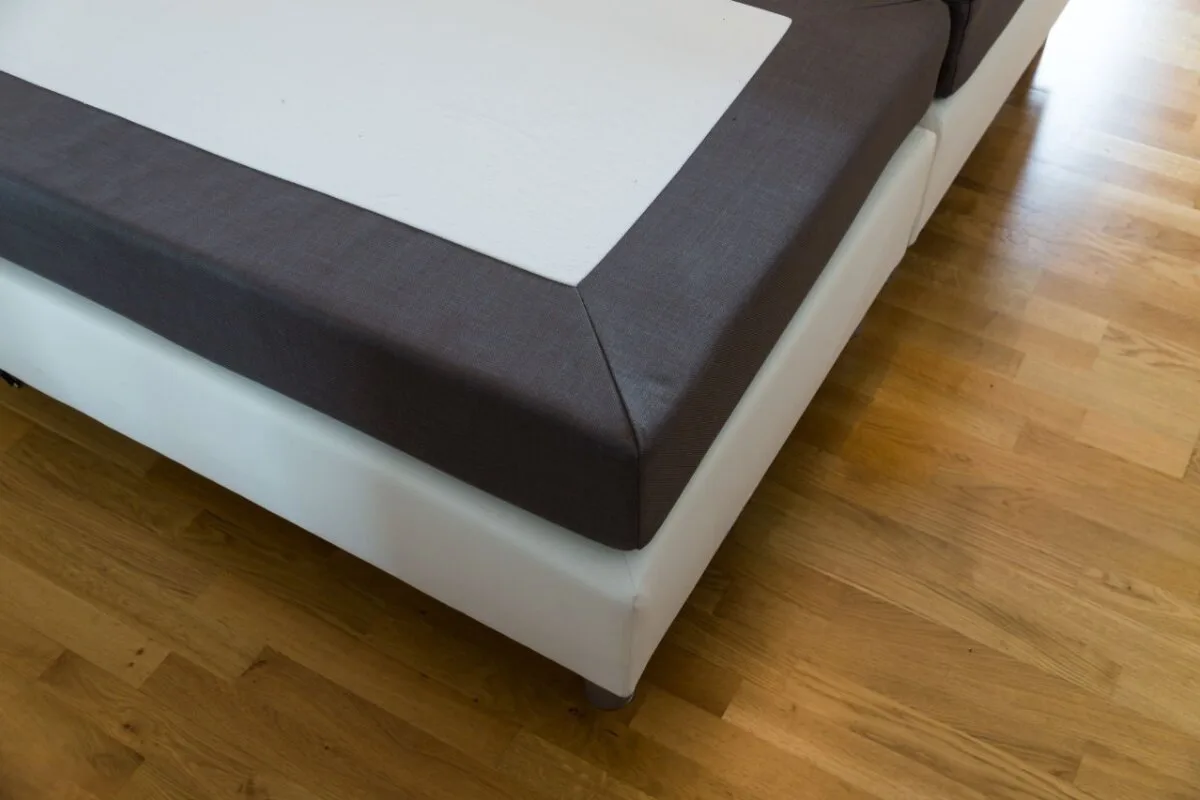
Testing a mattress in person is best when possible. If not, choose a brand that offers at least a 90-night trial. This gives time to see how the mattress feels over several nights. It also helps avoid buying something that feels good for a few minutes but causes discomfort later.
To check it, lie on your side and relax. Watch that your hips and shoulders sink enough without bending unnaturally. Ask someone to see if your spine looks straight from the side. Take a few minutes in different positions to feel how your body settles, paying attention to mattress thickness and pillow height for side sleepers. Short tests in a store don’t always show the full picture. Sleeping on it at home helps the body adjust. A trial period lets you decide if it really supports you overnight. Over time, you can notice if pressure points bother you or if it stays comfortable.
Final Thoughts
Side sleepers need a mattress that cushions their shoulders and hips while keeping the spine straight. A mattress that is too soft or too firm can cause aches and stiffness. Finding the right balance helps the body rest without strain. Medium-soft to medium-firm mattresses usually provide the right support. Memory foam, latex, and hybrid options give pressure relief while holding the body in alignment. Even a good topper can help if replacing the mattress isn’t possible right away.
A proper mattress affects more than sleep, it affects daily comfort. Waking up without soreness helps start the day better. Side sleepers who find the right mattress can move through their day feeling less stiff and more rested.