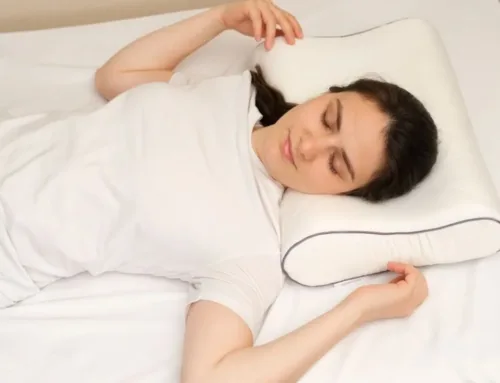

Many people sleep on their side, and it’s a comfortable position for most of them. But it can cause sore hips, tight shoulders, or a stiff back when the mattress isn’t giving enough support. With the right surface under them, the spine remains supported and the body settles into deeper rest. Choosing the right mattress involves careful consideration, including picking a mattress for side sleepers and selecting the firmness for side sleepers.
Side sleepers usually need a mattress with a bit of cushion but not so much that they sink too far. Foam and hybrid builds give better pressure relief where the body carries more weight. When the balance feels right, they wake up with less tension and fewer aches.
Choosing a mattress doesn’t have to be that difficult. It helps to know how each material reacts to pressure and movement during the night. And in the next guide, we’ll walk you through the details so choosing one feels much easier.
Key Takeaways
- Side sleepers need a mattress that cushions shoulders and hips while keeping the spine aligned.
- Memory foam, latex, or hybrid mattresses contour the body without sinking too much.
- A medium-soft to medium-firm mattress (around 4–6 on the firmness scale) eases pressure points.
- A 10–14 inch mattress with good comfort layers supports the body evenly.
- If the mattress feels too firm, a plush topper can add softness for better side sleeping.
Why Side Sleepers Need Special Support
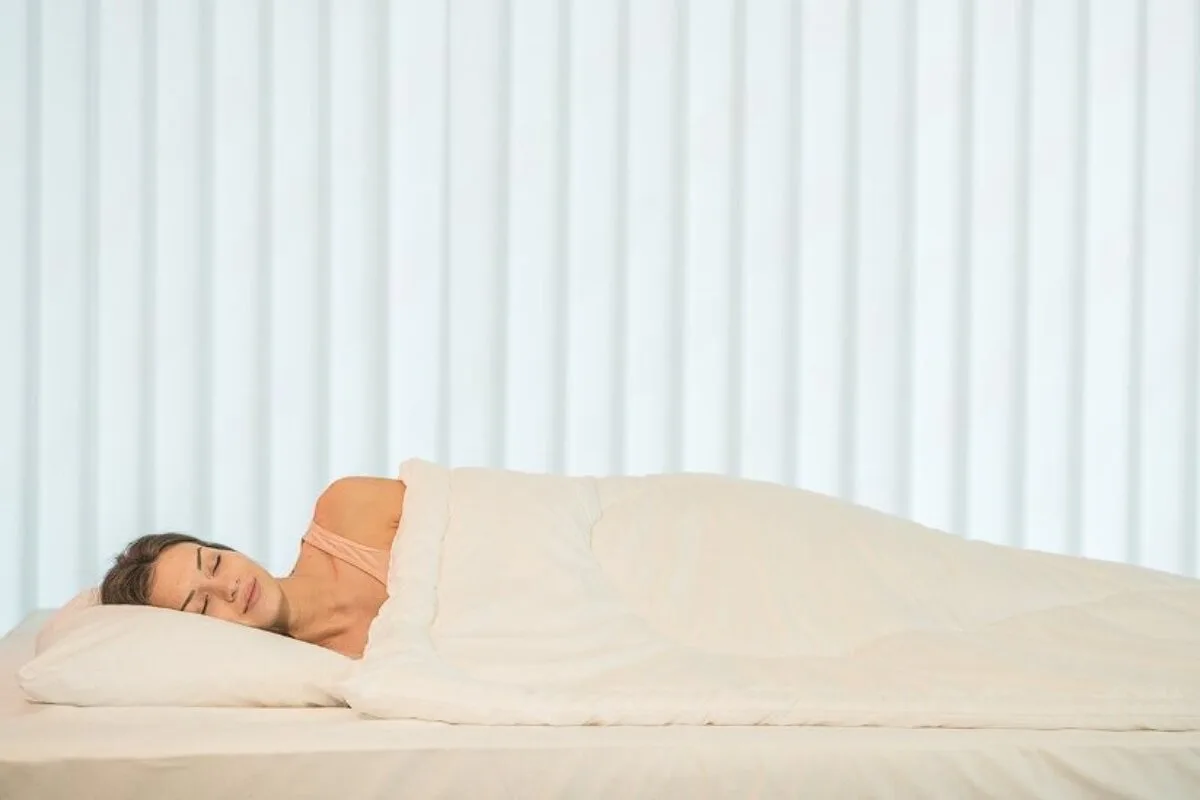
Side sleepers carry more weight on the shoulders and hips, so these areas feel pressure first. When a mattress is too firm, it pushes against those spots and can lead to soreness or numbness. But when it’s too soft, the body sinks down and the spine loses its straight line. A good mattress gives enough cushion for the shoulders and hips while supporting the spine from the neck to the lower back. With the right support, the body stays comfortable and the joints stay calmer through the night.
Side sleepers also change positions during sleep, and that’s normal. Because of that, a mattress that limits motion and responds to shifts can help keep things steady, ensuring side sleepers sleep with proper alignment, maintain the right balance between firmness and softness, and stay aware of pressure points and support needs.
Ideal Mattress Firmness For Side Sleepers
Most side sleepers feel comfortable on a mattress that’s in medium-soft to medium-firm range, around a 4 to 6 on a firmness chart. This level lets the shoulder and hip sink in just enough without losing support. It also helps keep the body steady through the night.
When the mattress is too firm, a person may feel pressure in their joints. This can cause stiffness when they wake up. And if the surface doesn’t let the body settle in, it can be hard to relax. But if the mattress is too soft, the spine can sink and curve in a way that leads to back pain. Body type plays a role too. Heavier sleepers may need something a bit firmer, while lighter sleepers may find a softer feel more comfortable.
Recommended Mattress Types For Side Sleepers
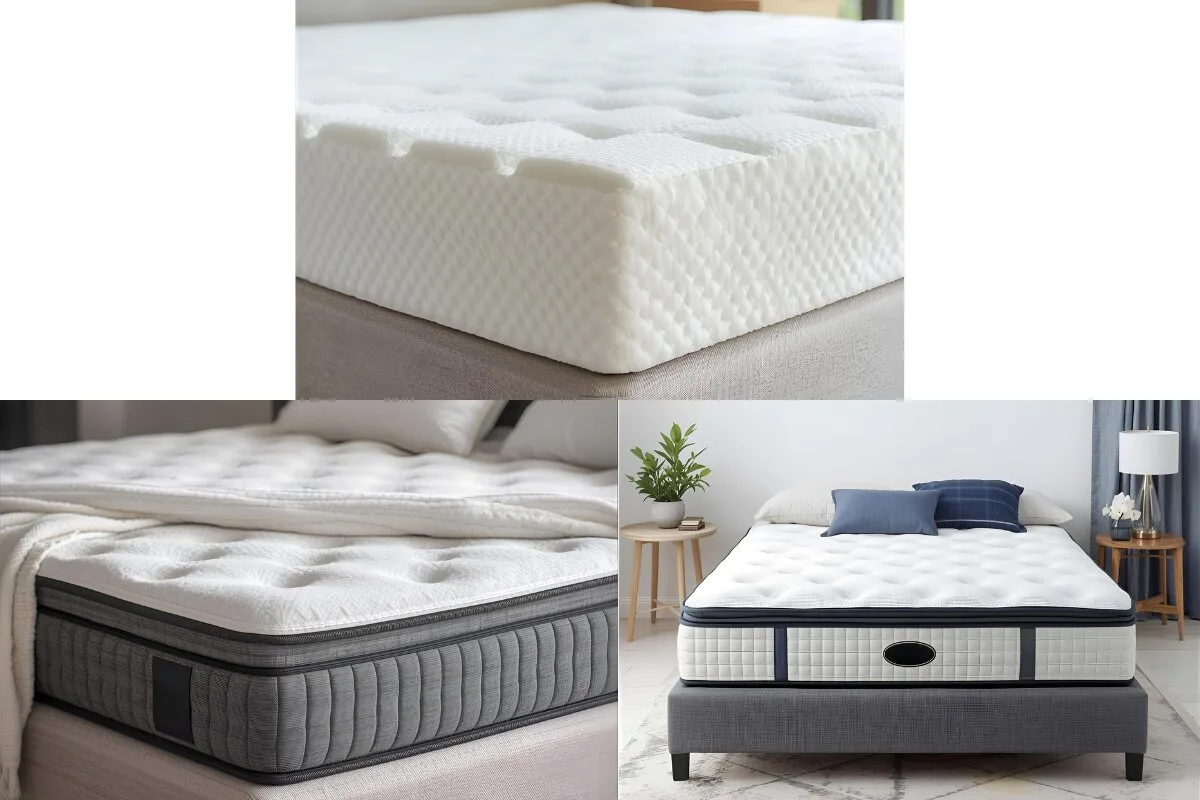
- All-Foam Mattresses (Memory or Latex): These are good for people who like a soft feel that gently surrounds the body. Memory foam sinks in more, while latex feels a bit firmer and has a light bounce. Both can help the shoulders and hips settle in without extra strain.
- Hybrid Mattresses: This type blends foam with coils and gives balanced comfort. It suits people who shift positions during the night and need steady support. The coils help with airflow, and the foam adds a smooth, cushioned feel.
- Pillow Top or Euro Top Mattresses: These can be helpful when the base layer underneath is sturdy. The padded top adds relief for pressure spots on the body. A thicker top layer gives a softer surface without losing support from below.
Best Mattress Materials For Side Sleepers
- Memory Foam: Memory foam shapes to the body and eases pressure around the shoulders and hips. It helps keep movement from spreading across the bed. But it can hold heat, so people who sleep warm may want a cooler foam option.
- Latex Foam: Latex feels springy and responds fast when someone shifts positions. It stays breathable and gives steady support without sinking too deep. It also lasts a long time and is a good pick for those who prefer a more natural material.
- Hybrid: A hybrid blends soft foam layers with coil support underneath. This setup gives a mix of bounce, airflow, and stable comfort for the body. It suits side sleepers who want cushioning without losing strong support for the back.
Signs Your Mattress Isn’t Right For Side Sleeping
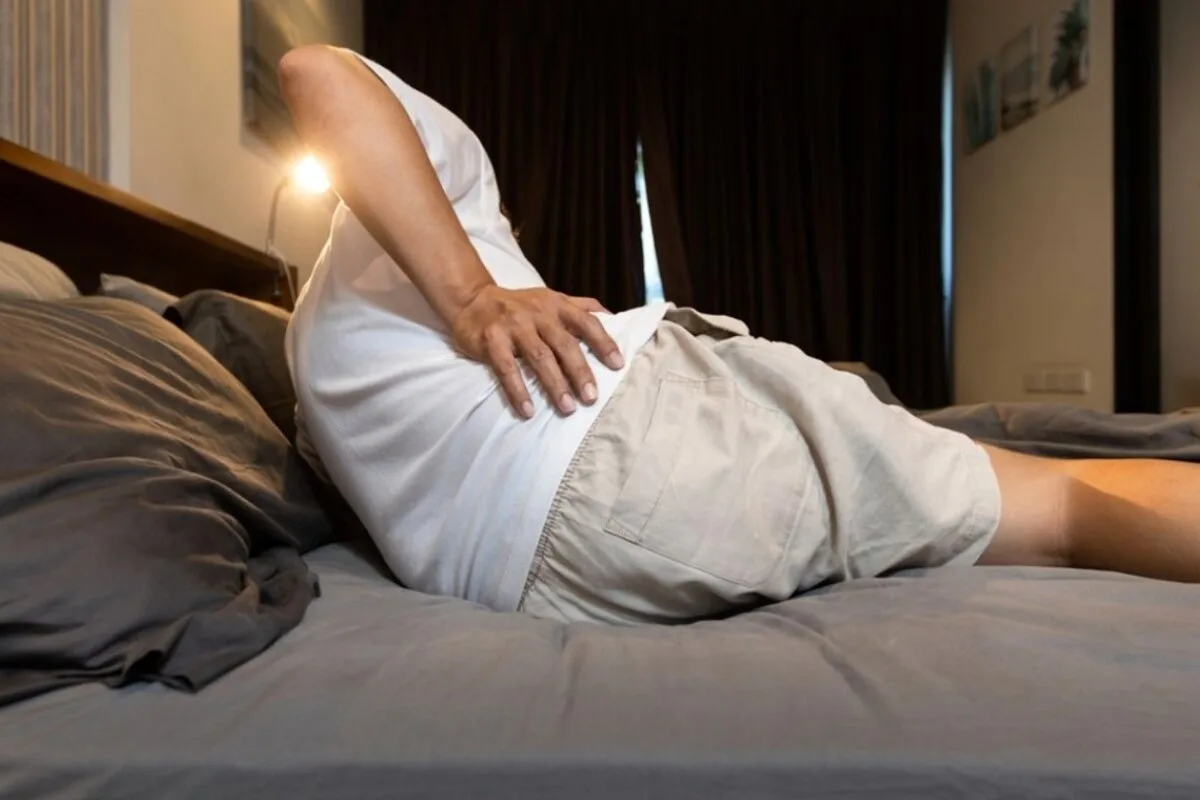
Many side sleepers notice when their mattress isn’t giving the support they need. They may wake up with numb arms or sore hips because the surface isn’t cushioning them enough. And if their back feels stiff right after getting out of bed, that’s another clear sign something isn’t right.
Some people also struggle to stay comfortable through the night. They keep shifting around, trying to find a spot that doesn’t hurt. And when a bed feels too hard or too flat, it can make those pressure points even worse. There are cases where they can even feel the coils or the base layer pushing through the top. When that happens, the mattress is no longer doing its job. At that point, they may need a new mattress or at least a softer topper for better comfort.
What To Look For In A Side Sleeper Mattress
Side sleepers need a mattress that eases pressure on the shoulders and hips. A mattress with the right contour can help keep the back in a neutral line. And it helps when the surface responds to movement without letting the body sink too deep. A mattress should also limit motion if another person shares the bed. This helps keep sleep steady when someone turns or gets up. Breathable materials are helpful too, since they keep the surface from feeling warm through the night.
It’s better to stay away from beds that feel flat or too springy without any cushion. Very firm options may feel stiff for side sleepers, unless a soft topper is added. A balanced feel with gentle support give the most comfort.
What About Mattress Thickness?
How thick should a mattress be for side sleepers? Side sleepers usually sleep better on a mattress that’s around 10 to 14 inches thick. This range gives space for the comfort layers to cushion the shoulders and hips. It also keeps the support layers steady so the body stays level through the night.
A thicker mattress, around 12 inches or more, spreads out the pressure in a gentler way. This can help people who weigh more and need extra depth to feel supported. Couples may also prefer this since it handles two bodies without feeling uneven. Thinner mattresses can feel firm and may not give the same ease at pressure points. When a mattress doesn’t have enough layers, the body may sink in awkward spots. Choosing the right thickness helps side sleepers feel more settled and relaxed.
Best Mattress Brands For Side Sleepers
- Nolah Evolution 15″: Side sleepers stay cool on this mattress. It supports hips and shoulders and helps keep the spine aligned. The plush top and tri-zoned support give comfort where it’s needed.
- Helix Midnight Luxe: It keeps people who sleep hot comfortable. The top is soft but still holds the back straight. Zoned foam provides support in the right spots.
- Bear Elite Hybrid: This mattress eases pressure on areas that cause back pain. Soft foam layers and support zones add comfort. Cooling features keep sleepers from overheating.
- Leesa Sapira Hybrid: It cushions the hips but has a firm base under. The hybrid design helps side sleepers with hip pain. Springs and foams work together to give even support.

Can A Mattress Topper Help Side Sleepers?
Side sleepers who feel their mattress is too hard can try a soft topper. A 2–3 inch layer of memory foam or latex cushions the hips and shoulders and supports proper pillow height for side sleepers.
Look for toppers marked plush, soft, or medium-soft. These help ease pressure and make sleep less uncomfortable. The best choice depends on how firm the mattress already is. Using a topper costs less than replacing a mattress. It can fix soreness without buying something new. And it’s simple to swap or adjust if needed.
Final Thoughts
Sleeping on the wrong mattress can cause shoulder pain, hip discomfort, and restless nights. Side sleepers need support that fits their body. A mattress that is too soft or too firm can make mornings painful. A good mattress gives gentle cushioning where the body presses down and steady support underneath. Memory foam, latex, or hybrids give that balance. They help keep the spine in line and ease pressure on joints.
Your bed should match your sleep position, not fight it. Don’t just choose the first mattress you find. A proper mattress helps you rest deeply and wake up without aches.