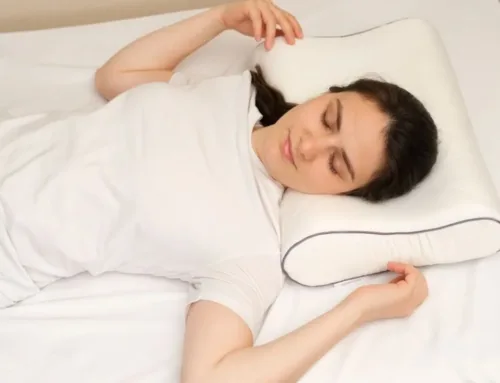

Choosing the right sleep setup is essential for comfort and support, including mattress type and pillow firmness. If someone sleeps on their stomach, mattress thickness matters. The wrong one can strain the lower back and neck, and that can lead to poor sleep and soreness in the morning. The ideal mattress for stomach sleepers should keep the spine straighter. It should support the hips without pushing them too high to help reduce pressure while they sleep face down.
In this article, we’ll talk about the importance of mattress thickness for stomach sleepers. You will learn why thicker or thinner is not always better.
Key Takeaways
- A 10 to 12-inch mattress is generally a good choice for stomach sleepers because it provides a balance of support and comfort while helping keep the spine aligned.
- A medium-firm to firm mattress can help prevent the hips from sinking too deeply, which may reduce strain on the lower back.
- A firm support core, a thin comfort layer, and a breathable cover can provide steady support, pressure relief, and improved airflow.
- Very thick or overly plush mattresses may allow too much sinkage, which can affect spinal alignment and increase neck or back discomfort.
- A 1 to 2-inch firm latex or high-density foam topper, along with a sturdy foundation, can improve support and help extend the life of the mattress.
Why Mattress Thickness Is Important For Stomach Sleepers
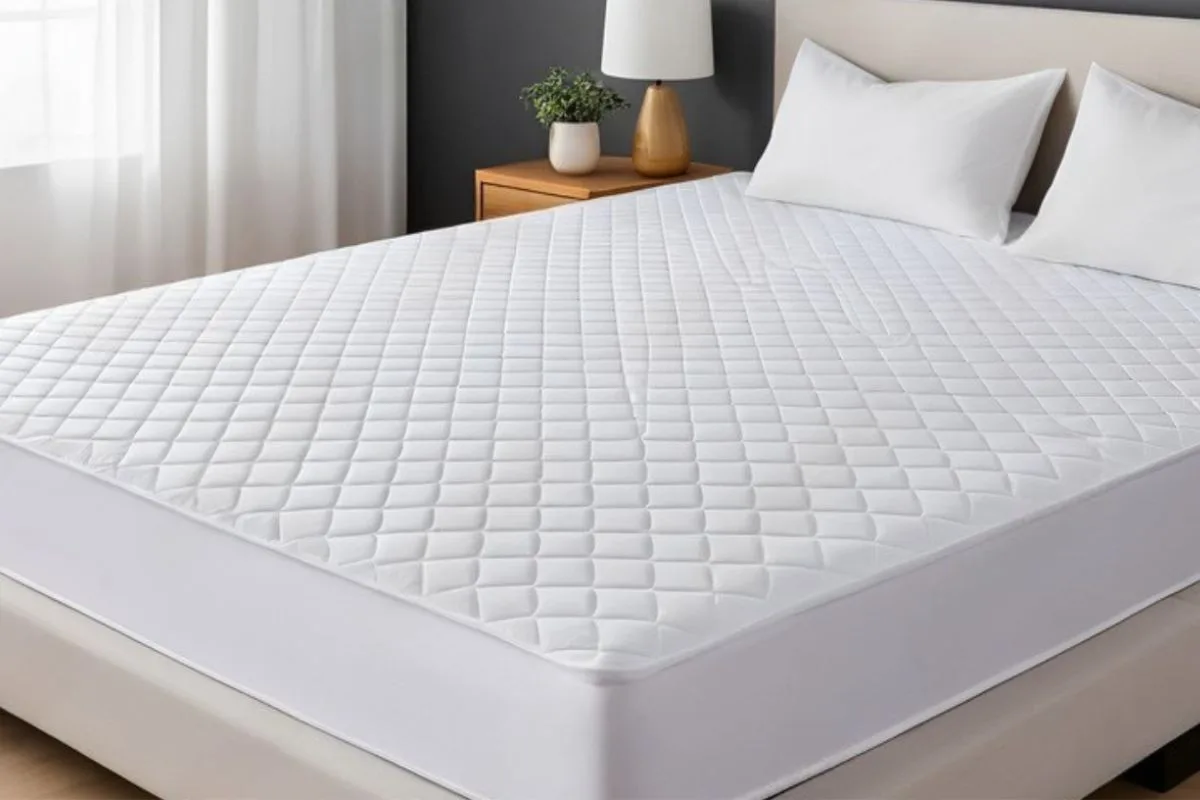
When someone sleeps on their stomach, most of the weight sits in the middle of the body. The chest, stomach, and hips press down the most. A mattress that is too thin may not give enough support under the body. The sleeper can feel the base or slats below, which can lead to soreness and pressure pain. Stomach sleepers need a mattress height that stays balanced and should feel firm enough to hold the body up. It should also have slight cushioning so the body does not feel stiff or tense.
What Is The Best Mattress Thickness For Stomach Sleepers?
The best mattress thickness for stomach sleepers usually falls between 10 and 12 inches. This range gives light cushioning on top with firm layers below as it helps keep the spine and hips level. Too much padding can push the lower back out of line. A person under 150 pounds can feel supported on a 10-inch mattress. Someone over 200 pounds usually needs closer to 12 inches. Extra thickness helps limit sink around the stomach and hips. Less sink means less strain through the lower back.
What Happens If A Mattress Is Too Thick Or Too Soft?
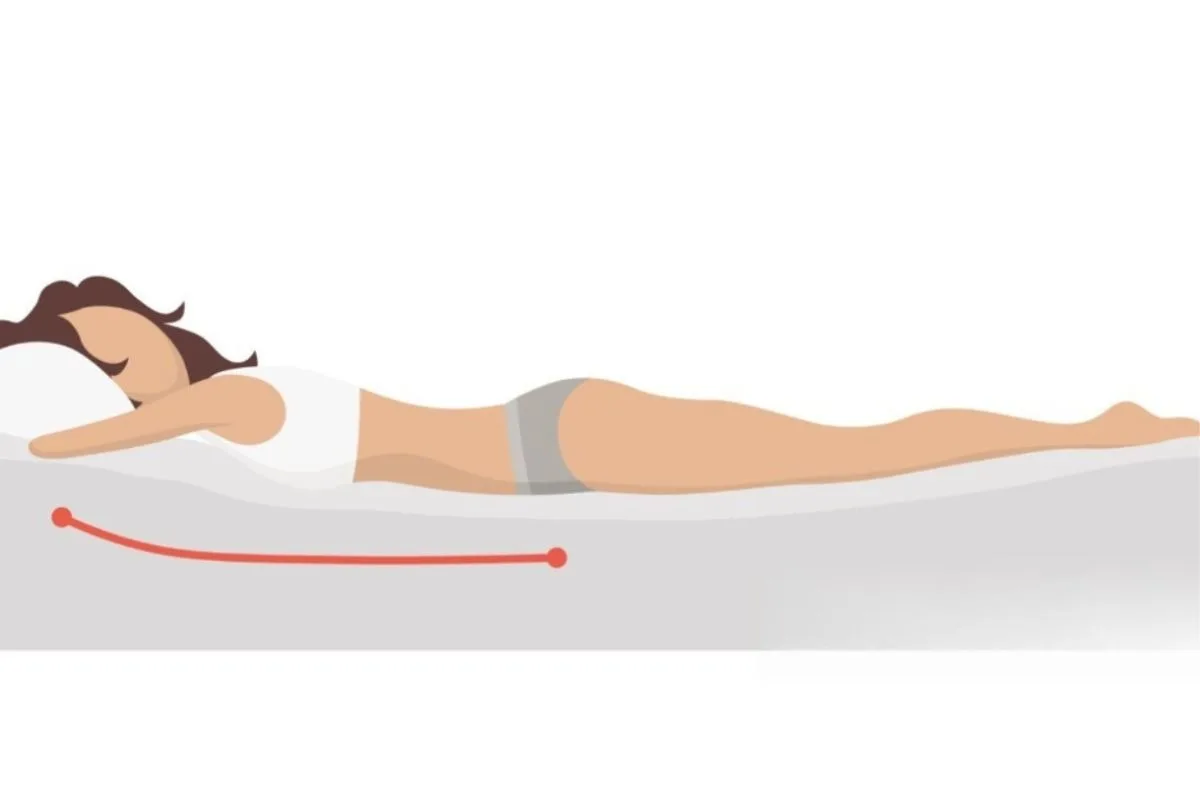
A mattress that is too thick or too soft can cause the body to sink, especially around the hips. When that happens, the lower back bends in a way it should not. For stomach sleepers, this position can also make breathing feel harder. Too much sink can strain the neck and shoulders over time. The head may turn at an odd angle just to get comfortable and that pressure can build up night after night.
Many mattresses over 14 inches have several plush layers. While they feel good at first, they do not give enough support for stomach sleeping. A firmer feel, usually medium to medium-firm, keeps the spine in a straighter line and reduces stress on the lower back.
What Is The Ideal Mattress Firmness For Stomach Sleepers?
Mattress firmness matters as much as thickness. A bed can be tall and still fail if it feels too soft. For stomach sleepers, support is the main concern. Most stomach sleepers feel better on a medium firm to firm mattress. That usually falls between 6.5 and 8 out of 10 on the firmness scale. This firmness level keeps the hips from sinking too far.
When firmness is matched with the right height, the body stays aligned. A mattress around 10 to 12 inches is enough for support without extra bulk. This setup helps keep the spine straight through the night.
Do Stomach Sleepers Need A Box Spring Or Foundation?
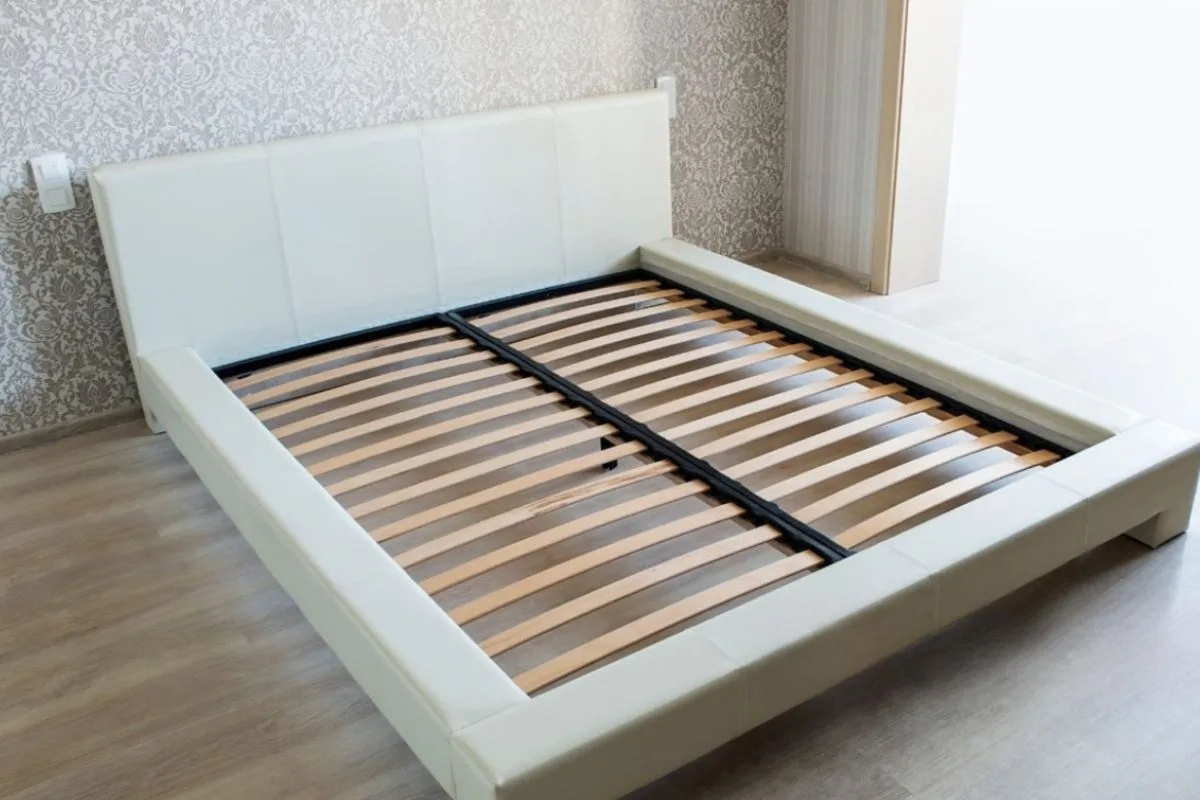
Stomach sleepers can use a box spring, a platform bed, or a slatted frame. The main goal is proper support and a height that feels comfortable. Around 24 inches from the floor is a common target for easy movement. Anything too low or too high can strain the body during daily use.
A solid foundation helps the mattress keep its shape. This matters for long nights and daily use. Without it, even a good mattress can wear down faster. The base should not bend or feel weak. If it does, the mattress can dip over time. That dip can pull the spine out of line while sleeping. Poor support shows up slowly but builds discomfort night after night. Support underneath plays a quiet role in long-term comfort.
Thin Vs Thick Mattress: Which Is Better For Stomach Sleepers?
Stomach sleepers need a mattress that keeps the spine straight. Thin mattresses under 8 inches feel hard and don’t give much cushioning. Over time, they can cause discomfort and poor support. Thick mattresses over 14 inches are soft and plush. They can make the body sink and create a curve in the spine. This can feel unstable and uncomfortable for sleeping on the stomach.
The best choice is a mattress 10 to 12 inches thick. It should have a firm core with a thin comfort layer on top. This setup gives support while easing pressure on the body.
What Layers Should A Mattress Have For Stomach Sleepers?
Stomach sleepers need a mattress that stays firm. The main support should be dense, like high-density foam or pocketed coils. This keeps the body from sinking too much. A firm base helps the spine stay in a neutral position. The comfort layer should be thin, around two to three inches. Too much soft foam or memory foam can push the spine out of alignment. Stomach sleepers need a flatter surface. A thinner layer also makes it easier to turn during the night.
A breathable cover helps with heat and keeps the mattress cool. Thick pillow tops or plush layers aren’t necessary. They are better suited for side sleepers. Choosing a cover that wicks away moisture can make sleep more comfortable.
Can A Mattress Topper Help?
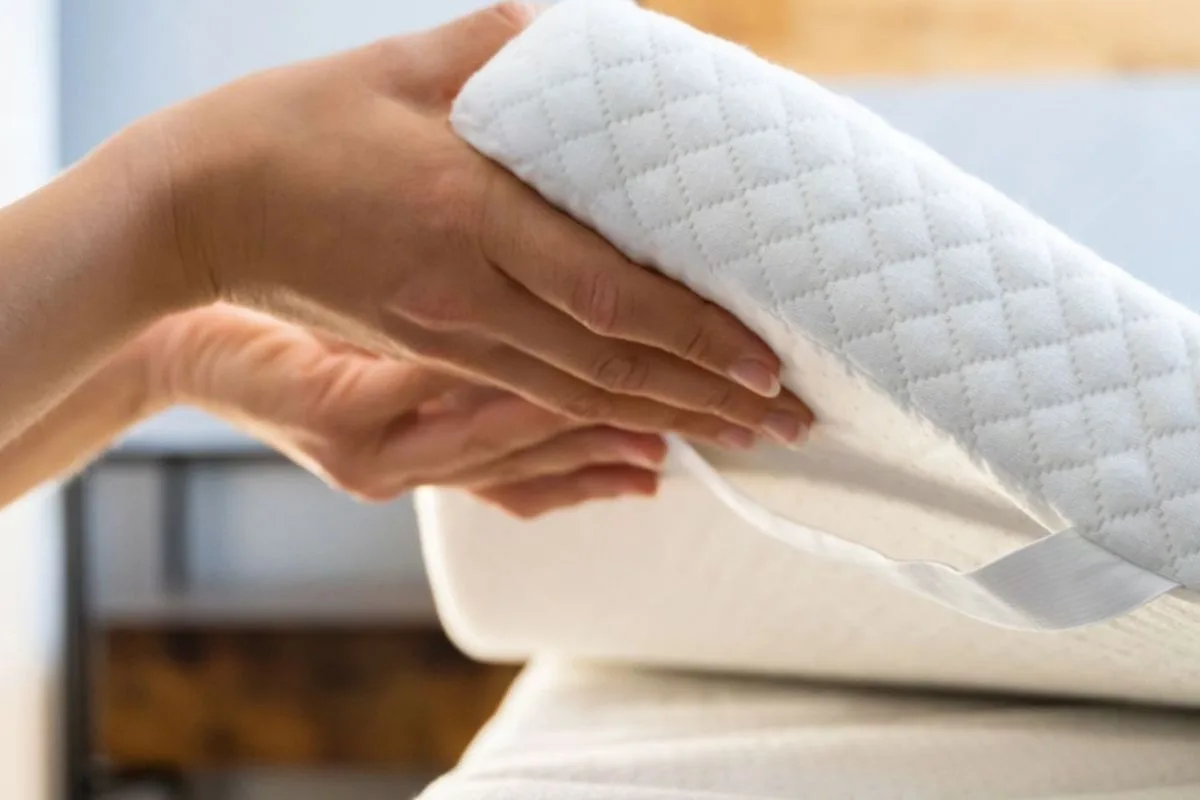
If a mattress feels too soft or too firm, a topper can change how it feels without buying a new bed. Stomach sleepers should pick a firm latex or high-density foam. They should avoid thick memory foam or featherbeds. A thin topper can also make it easier to move around at night.
A topper should be only one to two inches thick. This keeps the body from sinking too much. It helps the spine stay more level while sleeping. It also adds a bit of extra cushioning without changing the mattress completely. Using a topper this way can improve comfort and support. It doesn’t fix every problem, but it can help. And it saves the trouble of replacing the mattress. It’s an easy way to test what firmness feels best.
Is A Memory Foam Mattress Good For Stomach Sleepers?
Memory foam can be okay for stomach sleepers if it’s medium-firm and not too thick. Too soft or too plush can make the body sink and the back curve. Heat can build up over time, which can feel uncomfortable. High-density foam, around 2.5 pounds or more, is usually best. A 10-inch firm mattress gives support without letting the hips drop. Stomach sleepers should skip thick soft layers like euro-tops.
However, some people go for latex or hybrid mattresses instead as they give more bounce and support while staying cooler. These types can be easier on the spine for those who sleep on their stomach.
Final Thoughts
Stomach sleepers need to pay attention to mattress thickness. It’s not just about how the bed looks. The right mattress keeps the spine straight, supports the hips, and helps mornings start without pain. Most people do best with something 10 to 12 inches thick and medium-firm to firm. Stomach sleepers can follow proper comfort and support guidelines while staying aware of important considerations for better sleep.
A mattress that is too thick can make the body sink too much. One that is too thin won’t give enough support. The key is balance and choosing support over softness instead of buying into fancy marketing terms. Firm support with a small amount of cushion is enough to take pressure off the body. This helps with deeper sleep and easier mornings. Stick with what feels steady and supportive rather than flashy or overly plush.