

Some people fall asleep on their back, switch to their side, and end up curled up by morning. That person is a combination sleeper. It means they move between two or more sleep positions during the night. This sleep style is very common. Most people do not stay in one position until morning. It can feel comfortable at times, but it can also cause issues when choosing a mattress, pillow, or bedding.
The right setup depends on how the body moves and where pressure builds up. Support and comfort both matter here. Combination sleepers benefit from sleeping for optimal comfort, being aware of factors for better rest, and choosing the right surface and bedding that supports their movements.
Key Takeaways
- A combination sleeper is someone who shifts between two or more sleep positions during the night to stay comfortable and ease pressure.
- Changing positions during sleep helps spread body weight, supports circulation, and reduces morning stiffness in the shoulders, hips, and lower back.
- A medium-firm mattress suits this sleep style by giving enough support while staying comfortable as the sleeper moves and changes position.
- Responsive mattresses like latex, hybrids, or fast-responding memory foam allow easier movement without the feeling of being stuck.
- Adjustable pillows, breathable bedding, and a solid bed frame support natural movement instead of resisting the sleeper’s habits.
Signs That You’re a Combination Sleeper
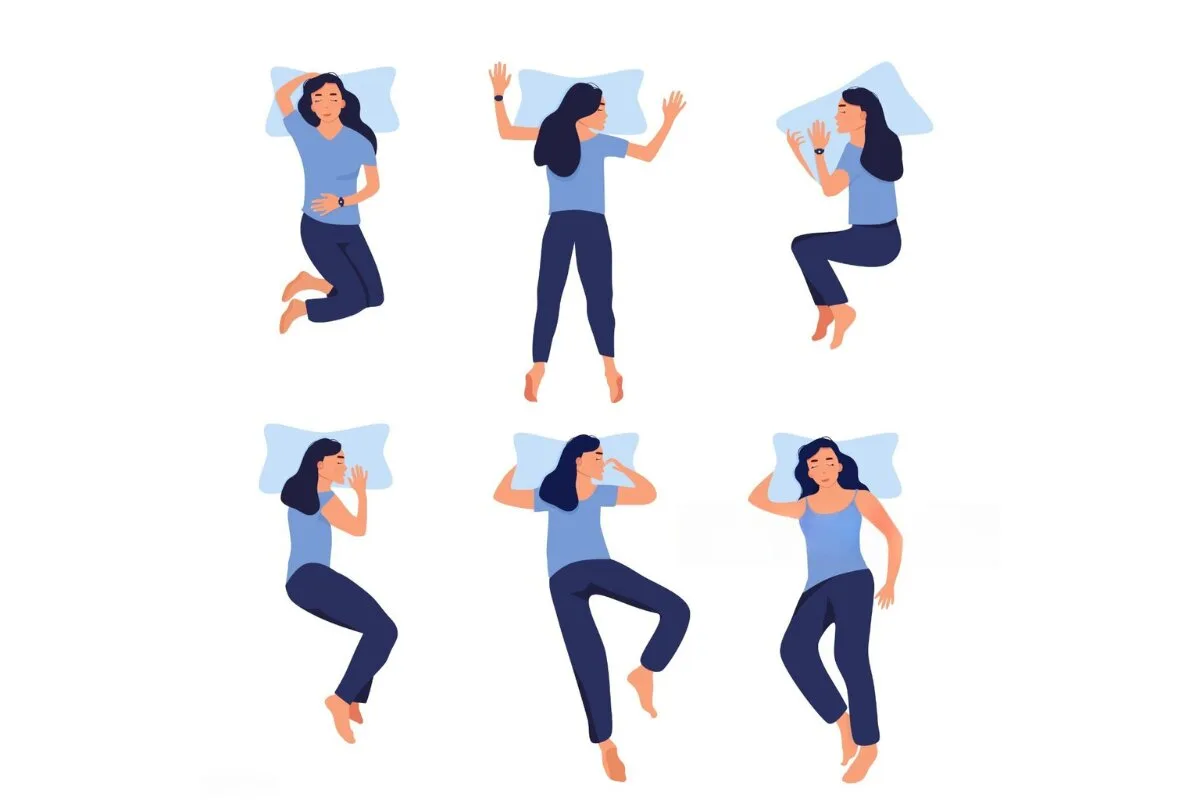
A combination sleeper does not stay in one position all night. They may fall asleep on their side and wake up on their back. The body shifts without much thought. This movement happens even during deep sleep. Movement during sleep is common for them. Lying still too long can lead to stiffness or mild soreness. Changing positions helps the body stay comfortable. It is the body’s way of easing pressure.
Someone sharing the bed may notice the movement first. Sheets shift and the mattress never feels still. These signs point to a combination sleeper. It usually becomes a nightly pattern.
The Benefits of Being a Combination Sleeper
Being a combination sleeper is not a problem. It can actually help the body during rest. Moving between positions keeps pressure from building up in one spot. This kind of movement feels natural for many sleepers.
Shifting sleep positions helps blood flow stay steady. Weight gets spread out instead of sinking into one area. This can ease stress on the shoulders, hips, and back. It may also help prevent numbness during the night. Changing positions during the night also helps the body reset. Joints and muscles stay looser with movement. And the body can adjust on its own to stay comfortable. This can lead to fewer aches in the morning.
What Are the Most Common Sleep Positions?
- Back sleeping: The person lies flat on their back. This position keeps the spine in a straight line. It can help reduce pressure on the neck and lower back.
- Side sleeping: The person lies on the left or right side. This position can help with snoring and digestion. Many people shift slightly between sides through the night.
- Stomach sleeping: The person lies on their belly. This position can strain the neck and lower back. It gives less support to the spine.
- Combination sleeping: Some people move between these positions while asleep. Their body needs support in more than one way. The bed should feel steady and comfortable in every position.

Challenges of Combination Sleeping
Combination sleepers can have a hard time getting a good night’s rest. What feels supportive for the back might feel wrong on the side, and switching positions can throw off your comfort.
Pillows can be tricky too. Your head and neck need different angles depending on how you sleep, so one pillow might not be enough. The mattress can also cause problems. A bed that’s too soft or too firm in one position can lead to aches in another, so focusing on what type of mattress and firmness is best for combination sleepers supports better rest and prevents back pain. That’s why choosing the right mattress, pillow, and bed frame is important for combination sleepers.
Best Mattress Type for Combination Sleepers
Combination sleepers need a mattress that adapts as they move. A medium-firm mattress helps keep the body supported without feeling too soft or too hard. It should also relieve pressure on the shoulders and hips when lying on the side. Latex and hybrid mattresses are good options. They are bouncy and breathable, giving both comfort and support. Memory foam can work too, but it should respond quickly so it doesn’t feel like sinking when changing positions.
Support is important for back or stomach sleeping. The mattress should keep the spine aligned and reduce strain. Choosing the right type can help combination sleepers move comfortably through the night.

Are Pillows Important for Combination Sleepers?
Pillows matter for combination sleepers because they affect how your head and neck rest through the night. The right pillow should adjust easily, letting you add or remove filling to match your position. It should move with you and provide enough support for your neck whether you sleep on your side or back. Some sleepers find using two pillows helpful. One pillow can be for sleeping and the other for hugging or propping. This can keep the body aligned and reduce strain.
Comfort is important but so is support. A pillow that shifts with your movements and cushions your neck can improve rest. Combination sleepers do not need a single solution. Flexibility in pillow choice is what counts.
Do Combination Sleepers Need a Special Bed Frame?
Combination sleepers don’t always need a special bed frame, but the right one can help. A sturdy frame keeps the mattress from sagging and keeps it responsive. It also provides a quiet, solid base, which is useful for light sleepers. Some people might consider an adjustable base. This lets you raise your head or legs for comfort. It’s not required, but it can make certain positions easier to sleep in.
Motion transfer is another thing to watch. If you share a bed, a frame that doesn’t shake with movement helps both people sleep better. Overall, a stable and quiet frame is a good upgrade for combination sleepers.
Bedding Tips for Combo Sleepers
Combo sleepers need bedding that moves with them. Breathable sheets are important so heat doesn’t get trapped when switching positions. Lightweight blankets help with easy adjustments, and smooth surfaces prevent tangling while rolling over. Materials like cotton, linen, or bamboo are best. They let the skin breathe, manage moisture, and keep the bed feeling fresh. These fabrics are simple but effective for staying comfortable all night.
Choosing the right bedding isn’t complicated. Focus on sheets and blankets that allow movement and temperature control. A few thoughtful choices can make sleep more restful without overthinking it.

Tips for Getting Better Sleep as a Combination Sleeper
Combination sleepers change positions during the night, so having the right mattress is important. A mattress with balanced firmness and some bounce can support different sleeping positions without feeling too soft or too hard. Pillows should also support the neck whether lying on the back, side, or stomach.
Selecting the right type of mattress, deciding between soft or firm or medium and firm options, determining the best firmness, and choosing the appropriate thickness for combination sleepers are also all important in supporting restful sleep.
Stretching before bed can relax the muscles and reduce tossing and turning. Weighted blankets can help calm the body while still allowing movement, making it easier to stay comfortable through the night. Heavy comforters, on the other hand, can make it harder to roll over and adjust positions.
Keeping these adjustments simple can improve sleep without much effort. Focus on support and comfort rather than fancy bedding or strict routines. Small changes like these can lead to more restful nights for combination sleepers.
Final Thoughts
A combination sleeper is someone who changes positions during the night. They might switch from their back to their side or stomach, and that movement can help with comfort and circulation. It’s a normal sleep pattern for many people.
The important part is having a mattress, pillow, and bedding that support this style. If these are right, the body stays comfortable while moving. It can help prevent stiffness and joint pain.
With the proper setup, falling asleep and staying asleep becomes easier. Waking up feels more refreshing, even after lots of shifting. The goal is simple comfort that adapts to your movements.