

People who switch positions during the night, back, side, or stomach, are called combination sleepers. Their bodies move a lot while sleeping, so the mattress needs to support each position. The tricky part is that every position has different needs for comfort and support.
Combination sleepers can sleep better by picking a mattress that fits their style, keeping their spine aligned, and using bedding that doesn’t interfere with movement. Paying attention to these details helps reduce aches and stiff spots in the morning. Small adjustments in pillows or mattress firmness can have a noticeable effect. Combination sleepers should be aware of better rest and should sleep on the right mattress and bedding for support.
Finding the right setup isn’t complicated, but it does take some trial and error. The right mattress and alignment can help the body rest instead of struggle. In this guide, we’ll walk you through the best positions, mattress types, and key tips for combination sleepers.
Key Takeaways
- Combination sleepers need a mattress that supports side, back, and stomach positions.
- A 2–3 inch comfort layer with a responsive core lets you move without strain.
- Latex, hybrid, and pocketed coil mattresses adjust to movement and reduce pressure points.
- Zoned mattresses can help spinal alignment with firmer hips and softer shoulders.
- Mattress height, motion isolation, and pillow loft all help prevent stiffness and morning aches.

Understanding Combination Sleeping
Combination sleeping is the most common way people sleep. Few stay in one position all night. They might start on their side, roll onto their back, or even lie on their stomach. Each position puts different demands on a mattress. Side sleepers need relief for pressure points. Back sleepers need support for the spine. Stomach sleepers need a firmer surface with less sink.
Because of this, combination sleepers benefit from a mattress that moves with them. Memory foam, latex, and pocketed coils adjust to body movements. This helps the sleeper stay comfortable no matter how they shift during the night.
Best Sleep Positions For Combination Sleepers
Not all sleep positions affect the body the same way. For combination sleepers, knowing how each position impacts your back, hips, and shoulders can help prevent discomfort or back pain.
Side sleeping eases pressure on the hips and shoulders but works best with a softer top layer. Back sleeping keeps the spine aligned, so a medium-firm surface gives good support for the lower back. Stomach sleeping flattens the body, which can strain the lower back if the mattress is too soft. A firmer surface helps reduce that pressure.
For those who switch positions at night, choosing a mattress that supports multiple positions is key. A zoned mattress or one with a comfort layer and responsive support core can handle side, back, and stomach sleeping. This approach helps the body stay supported no matter how it moves.
Sleeping hot at night? Explore our guide to the best cooling mattresses and compare options designed for airflow, temperature control, comfort, and support.
What To Look For In A Mattress
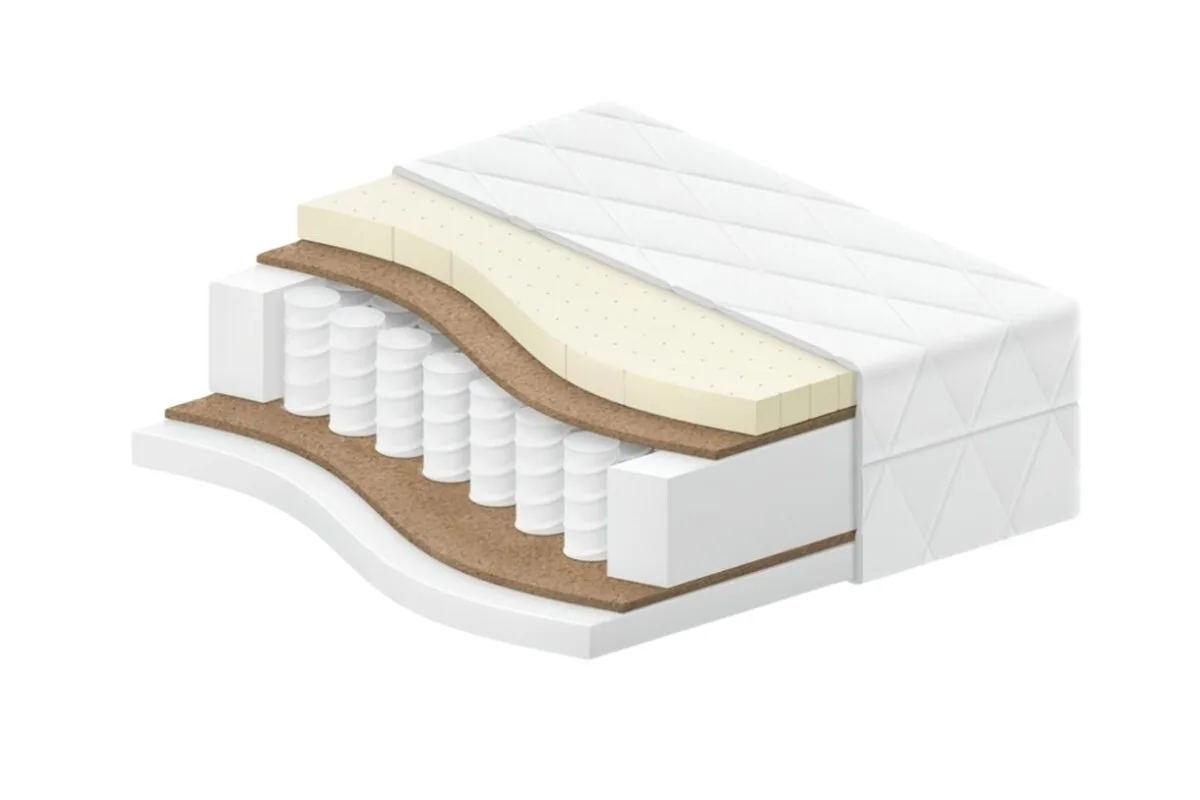
Combination sleepers need a mattress that balances comfort and support. It should let the body sink just enough without feeling trapped. Too soft or too firm can cause discomfort over time. A comfort layer of about 2–3 inches gives gentle cushioning. Beneath it, a softer support or transition layer helps relieve pressure and keeps the spine aligned. This setup allows the body to adjust while changing positions.
Latex is a good option because it adapts to movement. It softens under light pressure but firms up when more support is needed. This helps the mattress respond to different sleeping positions naturally. The ideal mattress includes considering the right firmness, thickness, choosing between soft or firm and medium or firm options for combination sleepers.
Best Mattress Types For Combination Sleepers
Combination sleepers need the right type of mattress that adjusts as they move. Latex mattresses are bouncy and responsive, which helps with turning and shifting positions during the night. Pocket coil innersprings provide zoned support, giving different parts of the body the right amount of pressure relief. Hybrid mattresses mix coils with foam or latex, offering a balance of support and comfort. Responsive memory foam is another option because it recovers quickly and doesn’t trap the sleeper in one spot. These types of mattresses help reduce discomfort from changing positions.
Combination sleepers should avoid slow memory foam that holds them in place. Fast-responding materials are better for keeping the body supported. Choosing the right ma mattress can help you sleep without stiffness and sore.
Should You Consider Zoned Mattresses?
Zoned mattresses have different levels of support across the surface. Softer areas are placed under the shoulders, while firmer zones support the hips. This setup can help keep the spine in a straight line in different sleeping positions. For combination sleepers who switch between side and stomach, a reverse zoned mattress is an option. It has softer areas under the hips and shoulders and firmer support for the lower back. But it doesn’t suit every body type, so comfort may vary.
Choosing a mattress with the right zoning comes down to how your body feels. Some people notice less pressure on shoulders and hips, while others may find it too firm or soft in certain spots. Testing it before committing is the safest way to know if it’s right.
Tips For Combo Sleepers
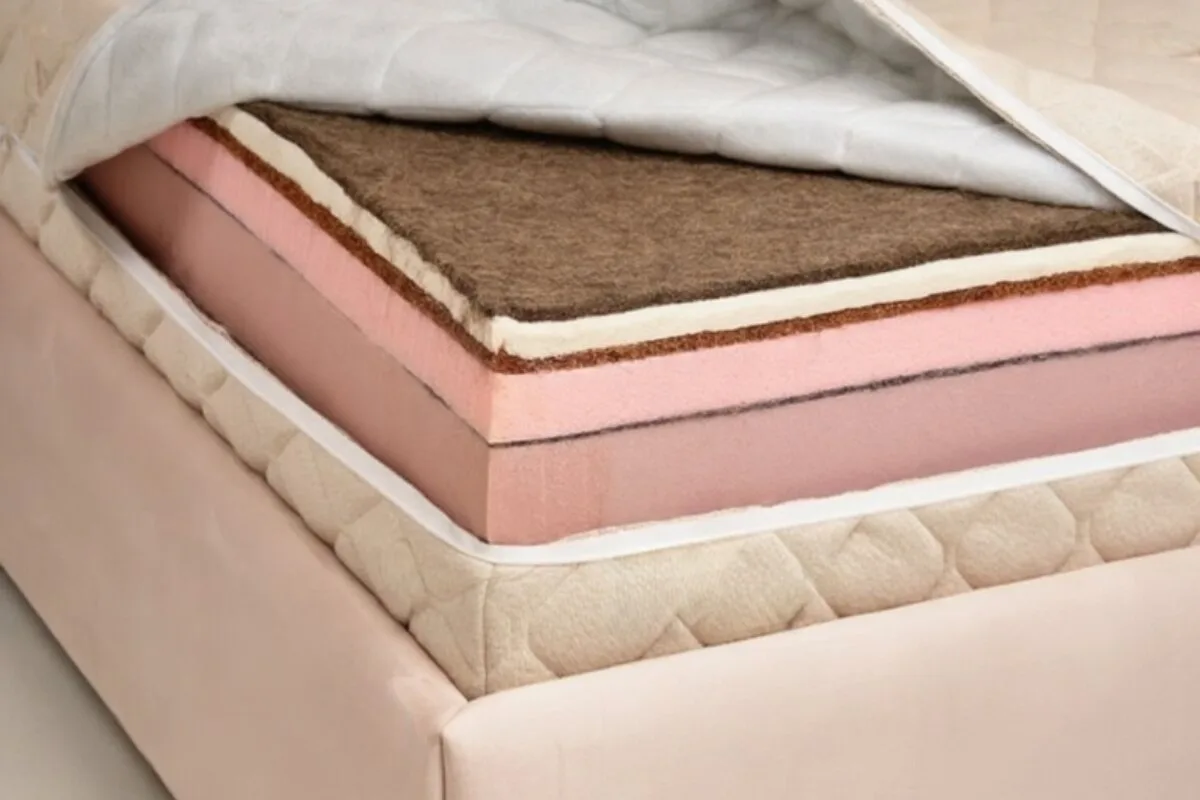
Combo sleepers need a mattress that responds to movement. Options like latex, hybrid, or zoned coil help support different positions. A pillow that fits your usual sleep style also helps. Spine alignment matters. Your back, neck, and shoulders should stay neutral while sleeping. Testing all positions on a mattress before buying is important.
Avoid mattresses that are too soft or too firm all over. Thick pillows can cause strain if you sleep on your stomach. Following these tips can reduce tossing, turning, and morning aches.
The Role Of Pillows For Combination Sleepers
Pillows play an important role for combination sleepers. They help keep the spine aligned as the body moves between positions. Choosing the right pillow can reduce strain on the neck and shoulders. Side sleepers should use a thicker pillow to fill the gap between the shoulder and neck. Back sleepers need a medium-thin pillow to keep the neck in a neutral position. Stomach sleepers may do better with a very thin pillow or none at all.
Shredded memory foam or adjustable loft pillows are practical options. They let you change the height based on your sleeping position. This flexibility helps keep the neck and spine supported throughout the night.
Is Motion Isolation Important?
If you sleep with a partner and move a lot during the night, a mattress with good motion isolation can help. Memory foam and latex absorb movement, so you don’t disturb the other person. Pocket coils also reduce bounce compared to older innerspring designs. These materials help separate each person’s movement. When one partner shifts or rolls over, the other stays mostly undisturbed. This can lead to better sleep for both.
Choosing a mattress that controls motion can be especially useful if one person is restless. It doesn’t fix all sleep problems, but it can prevent waking each other up. And that’s why motion isolation matters for shared beds.

Mattress Thickness
Mattress thickness can affect how comfortable you feel while sleeping. Thicker mattresses aren’t always better. For people who are heavier or change positions a lot, 12 inches is a good starting point. Lighter sleepers usually don’t need as much thickness. A mattress around 9 to 10 inches can provide enough support. The goal is to avoid sinking too far while still feeling comfortable.
It’s important to have enough layers for support and pressure relief. The mattress should give some bounce without feeling too firm. Choosing the right thickness helps the body rest without strain.
Final Thoughts
Combination sleepers need a mattress that adapts to movement. It should be firm enough to support the body but soft enough to change positions without strain. Comfort and support have to balance. Pillows matter too. Choose one that adjusts to different sleeping positions and keeps the neck and head supported. Alignment is key for reducing stiffness and pain.
Pay attention to how the body feels each morning. Small adjustments to the mattress or pillow can improve rest. With proper support, sleep can feel more refreshing and less uncomfortable.