

Sleeping on your stomach can cause aches and poor posture if the mattress isn’t right. A soft mattress lets your hips sink too much. A firm mattress can strain your neck and spine. Many people don’t realize their mattress is the main cause of morning pain. Stomach sleepers benefit most from a mattress that balances support and comfort, combining firmness and plushness in a way that addresses what mattress firmness is best for stomach sleepers, if stomach sleepers need a soft or firm mattress, and if a plush mattress is good for stomach sleepers.
The key is finding a mattress that balances support and comfort. Stomach sleepers need one that keeps the spine aligned. Otherwise, restless nights can become normal. Choosing the wrong mattress can also affect energy and mood during the day.
Key Takeaways
- The best mattress for stomach sleepers gives support so the hips don’t sink too much and the spine stays straight.
- Medium-firm to firm mattresses prevent the lower back from arching and reduce neck or back pain.
- Latex and hybrid mattresses give firm support while still having a bit of cushioning on top.
- Very soft beds or thick pillow-tops let the middle sink and can cause discomfort.
- Using a thin pillow under the hips can help keep the spine straight and reduce stiffness in the morning.

Why Mattress Choice Is Important For Stomach Sleepers
Stomach sleeping puts the spine in a tricky position. If the hips sink too much, the lower back arches and causes pain. The neck can twist if the pillow or mattress doesn’t support the head properly. A good mattress can help keep the body aligned. Medium-firm is usually best for stomach sleepers. It should support the hips and stomach without letting them sag, while still being comfortable.
Choosing the right mattress can prevent back pain and poor sleep. It can make getting a full night of rest easier. Sleeping on a mattress that fits your style protects the body over time and ensures proper support for stomach sleepers, the right mattress thickness for comfort, and surfaces that prevent back pain while keeping sleepers aware of key considerations.
What Is The Best Type Of Mattress For Stomach Sleepers?
Stomach sleepers need a mattress that is firm enough to keep their hips and chest level. This helps the spine stay straight and reduces strain. A thin comfort layer is enough for some padding without sinking too much. Latex and memory foam mattresses are usually a good choice. Hybrids with foam on top and coils underneath can also support a flat posture. Pillow-top mattresses are not recommended unless you are very light, because they let the midsection sink.
The right mattress for stomach sleepers holds the body in a neutral position. It prevents the core from sagging and supports a flat alignment. Choosing the right firmness is more important than brand or style.
What Type Of Mattress Is Best For Side And Stomach Sleepers?
Sleeping on your side and stomach at the same time can be tricky. Side sleeping puts pressure on the shoulders and hips. Stomach sleeping needs the hips and spine to stay aligned. A medium mattress with zoned support can help. It has firmer areas under the hips and softer areas under the shoulders. Latex hybrids or memory foam with ergonomic layers are good options.
The right mattress should support both positions without sagging or feeling too stiff. It should keep the body aligned and comfortable. This helps prevent pain in the shoulders, hips, and back.
What Kind Of Mattress Is Best For Stomach Sleepers?
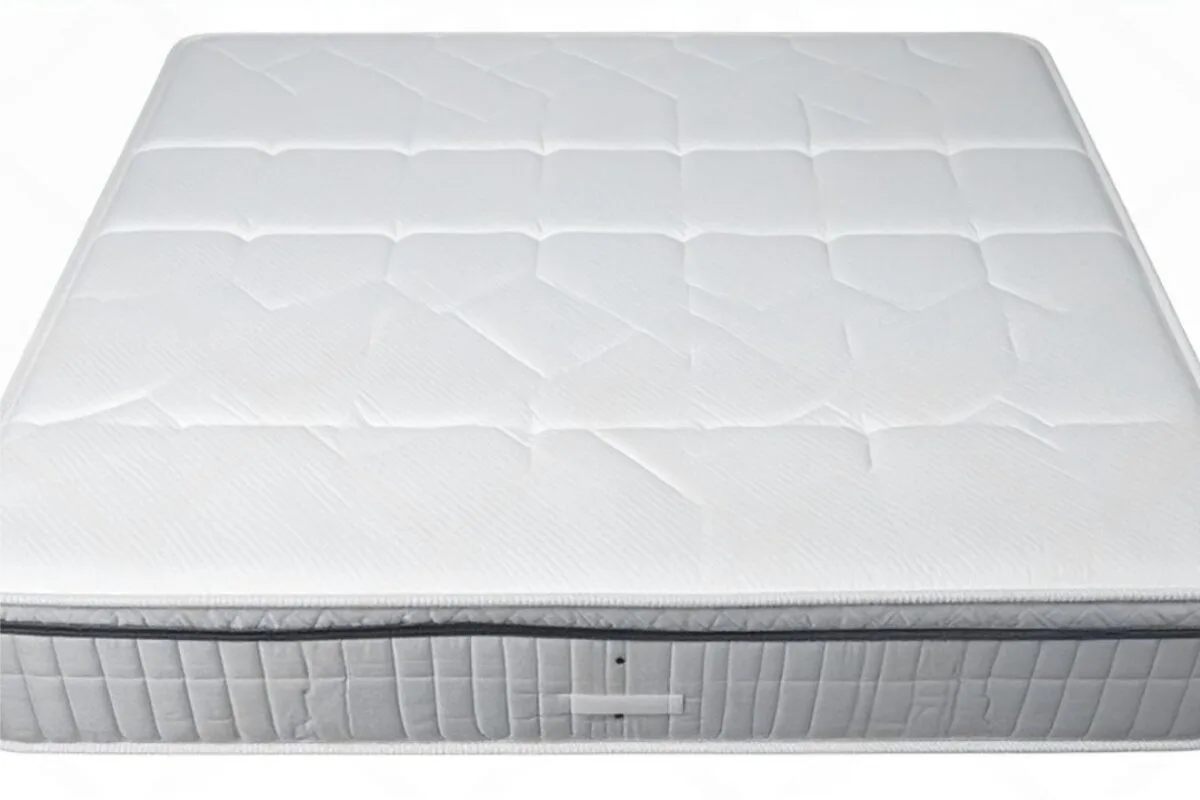
- Latex Mattresses: Firm and supportive. Natural latex holds its shape, relieves pressure, and lasts a long time.
- Hybrid Mattresses: Combines coils and foam. Look for a firm support layer with thin padding on top to stay aligned.
- Memory Foam (Medium-Firm): Contours to the body. Choose a firmer option so the hips don’t sink too much.
When choosing a mattress for stomach sleeping, focus on firmness, solid support layers, and little sinkage around the hips.
Medium-Firm For Stomach Sleepers
Stomach sleepers need the right mattress firmness. Medium-firm usually works best. It keeps the hips from sinking and the spine aligned. This helps prevent back pain over time. People who weigh more might need a firmer mattress. It helps prevent their body from sinking too much. Lighter sleepers can do fine with medium firmness. Choosing the right firmness depends on your weight and body shape.
The mattress layers matter too. Comfort layers should be soft enough to reduce pressure. Support cores underneath should stay firm to hold the body up. A good mattress balances both layers for proper support.
Best Mattress Materials For Stomach Sleepers
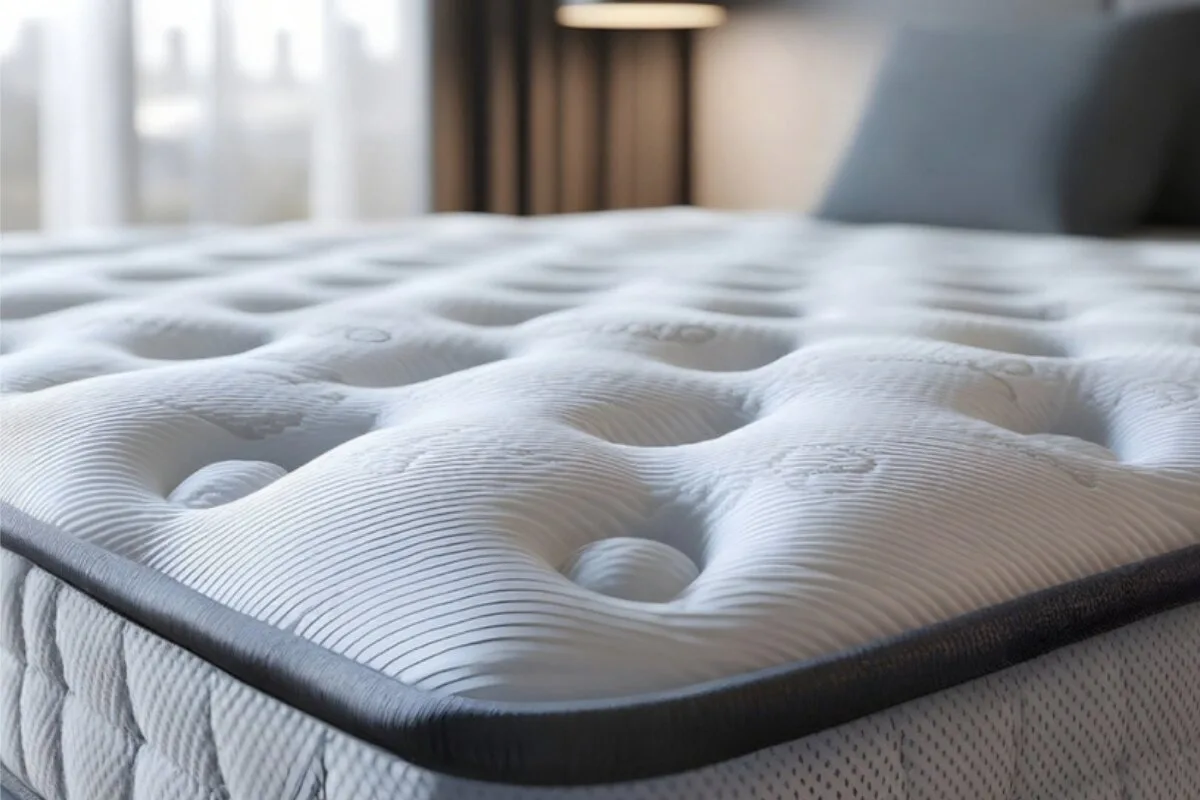
Stomach sleepers need a mattress that keeps their body supported. Natural latex is a good choice because it is durable, breathable, and holds shape. It gives steady support without letting the body sink too much. High-density memory foam can help by contouring to the body while reducing deep sinkage. Zoned pocket coils are another option. They lift the hips and cushion the shoulders to keep the spine aligned.
High-resilience polyfoam is firm and resists sagging over time. These materials last longer than cheap innersprings or low-density foams. And that support helps prevent aches for people who sleep on their stomachs. Combining the mattress with the best pillow firmness for stomach sleepers and positioning for best comfort and support enhances spinal alignment and overall rest.
What Kind Of Mattress Is Best For Side And Stomach Sleepers?
Side and stomach sleepers need a mattress that balances support and softness. Too firm can hurt the shoulders and hips. Too soft can sink the body out of alignment. Choosing the right mattress can make a noticeable difference in how you wake up.
Look for mattresses with zones that relieve pressure and keep the spine straight. Medium firmness is usually best. The mattress should respond to your body without sagging. Paying attention to these details helps prevent long-term discomfort. Good options include hybrid latex mattresses with zoning or medium memory foam with lumbar support. These types keep the body supported while letting the hips and shoulders sink a little. They help prevent pain and stiffness. Testing a mattress in person is the safest way to see what fits best.
Are Firm Mattresses Too Hard For Stomach Sleepers?
Firm mattresses aren’t always uncomfortable for stomach sleepers. Heavier people or those who sleep hot might find them supportive. Lighter sleepers or side sleepers can feel pressure on their chest or shoulders. It helps to test a mattress for a few nights before deciding. A solution is a firm base with a thin and soft top layer. Many latex hybrid or high-density memory foam beds use this design. It gives support while reducing pressure points. This setup can make sleeping on your stomach easier.
Choosing the right mattress depends on your weight and sleeping style. Stomach sleeping can be comfortable with some softness on top. And small adjustments can prevent aches and improve rest. A mattress that feels right at first may still need tweaks over time.

Do Adjustable Beds Help Stomach Sleepers?
Adjustable beds are not always good for stomach sleepers. Raising the head or feet can twist the spine and cause discomfort. This position can make it harder to keep the body aligned. Some people still try them, but results vary. For people who mostly sleep on their stomach, a flat mattress is usually better. It keeps the back and neck in a neutral position. Extra features from adjustable bases might not help in this case. A firmer mattress can give better support overall.
If someone still wants adjustability, it’s best to test it first. Lying flat while trying the settings can show if it feels right. That way, they know what’s comfortable before buying. It’s easy to notice small misalignments while testing.
Final Thoughts
Stomach sleepers need a mattress that protects their spine and prevents pain. Comfort is important, but support is more critical. A firm mattress can keep the body aligned while still letting you rest.
The best options are medium-firm to firm mattresses with a strong core. Materials like natural latex, high-density foam, or zoned coils help support your chest and hips. A thin comfort layer on top can give just enough cushioning without letting your midsection sink. If you switch positions at night, look for a mattress that adapts to both side and stomach sleeping. Avoid very soft mattresses that let your body sink too much. Choosing the right firmness and support will help your mornings feel better and your sleep more restful.