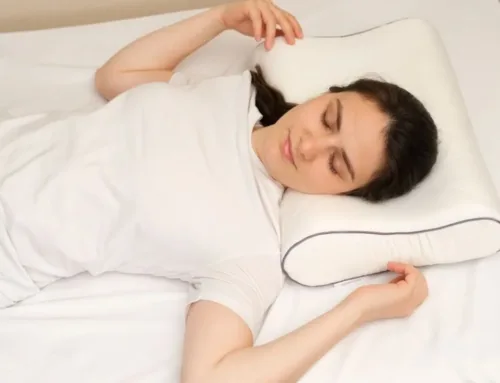

Stomach sleepers need a mattress that keeps their body steady. When the surface is too soft, the hips sink and the spine bends in a painful way. Over time, this leads to a stiff neck, sore lower back, and rough mornings. The right firmness helps keep the spine in a flat line. It also gives the body enough support to stay comfortable through the night. And for someone who sleeps on their stomach, that balance makes sleep feel easier and more restful.
This guide explains the firmness level that fits stomach sleepers and the common issues they face. It also covers mattress materials that stay supportive and what to avoid when buying a new bed. The type of mattress best for stomach sleepers, what stomach sleepers should be aware of, and what stomach sleepers should sleep on are all important considerations for a comfortable and supportive night’s rest.
Key Takeaways
- Stomach sleepers need a mattress that stops their hips from sinking too much to keep the spine straight.
- Medium-firm to firm mattresses give support without feeling too hard under the chest and belly.
- Latex and hybrid mattresses balance solid support with some cushioning where it’s needed.
- Very soft mattresses or thick pillow-tops let the midsection sink and can cause back and neck pain.
- A thin pillow under the hips can help keep the body aligned and reduce morning stiffness.

Why Mattress Firmness Is Important For Stomach Sleepers
When someone sleeps on their stomach, most of their weight sits in the belly and chest. If the mattress is too soft, their hips sink and pull the spine out of place. This leads to back pain, neck stiffness, and sleep that feels broken. A firmer mattress keeps the midsection from dipping too deep. This helps the spine stay in a straighter and safer position. And it keeps that tight pull in the lower back from happening through the night.
A plush mattress is not ideal for stomach sleepers, and the mattress thickness should provide enough support without allowing the midsection to sink too far. With better support, their breathing feels easier and the body stays more relaxed. Their muscles don’t strain as much because everything sits in a steady position. And this gives them a calmer and more comfortable sleep.
The Best Firmness Level For Stomach Sleepers
Most stomach sleepers usually feel better on a medium-firm to firm mattress. On a scale from 1 to 10, this sits around 6 to 8. This range keeps the body steady without feeling too soft.
A medium-firm bed keeps the hips from sinking and still gives a small amount of cushion. It also takes pressure off the ribs and chest. Some people pick a firm bed if they have a heavier build or want a flatter surface for alignment. Beds that are too soft let the core dip, and that can cause strain. But beds that are extremely firm can feel stiff and uncomfortable. The goal is to find a balance that keeps the body supported through the night.
Want a mattress that supports comfort, movement, and intimacy? See our guide to the best mattresses for sex and compare options for responsiveness, support, edge stability, and cooling.
Signs Your Mattress Is Too Soft Or Too Firm
Too soft:
- Lower back pain when waking up.
- Feeling stuck or sinking deep into the bed.
- A slight arch in the lower spine that feels uncomfortable.
Too firm:
- Pressure in the ribs, knees, or neck.
- Sleep interruptions because your body feels tense.
- A bed surface that doesn’t have enough give or comfort.
Your mattress should keep the body stable and supported. And if someone wakes up sore or stiff, their mattress may not match the firmness they need for their sleep style.

Best Mattress Types For Stomach Sleepers
Latex and hybrid mattresses are reliable choices for stomach sleepers. They give steady support and keep the body from dipping too low. This helps the sleeper stay more comfortable through the night.
Latex has a firm and slightly springy feel. It lets air move through, stays strong for years, and helps keep the spine in a straight line. It’s a simple and stable option for this sleep position. Hybrid mattresses mix coils with foam or latex. This setup gives a firm base with a bit of cushion on top. Memory foam can be used too, but only in a medium-firm setup, because soft foam on top can lead to sinking over time.
Spinal Alignment
Your spine has a gentle curve, and it needs to stay in a neutral position while you sleep. A mattress should support that shape without pulling your body out of place. Stomach sleepers deal with this more because the midsection tends to sink lower than the rest of the body. Positioning and support are essential for spinal health, so stomach sleepers sleep on proper surfaces and prevent back pain for stomach sleepers.
When a mattress is too soft, the lower back bends too much. This puts extra strain on the muscles and creates tension by morning. But if the surface is too firm and has no cushion at all, the chest and ribs take most of the pressure, which can also push the spine out of line. The right firmness keeps the hips lifted and the body steady. This helps the muscles rest without fighting for balance. And by morning, the body feels supported instead of tight or sore.

Body Weight Matters When Choosing Mattress Firmness
A person’s weight changes how much their body sinks into a mattress. Someone under 130 pounds may feel a medium mattress as firm already. They usually do well with something near a 6 out of 10.
People between 130 and 230 pounds tend to feel most balanced on a medium-firm level. A 6 to 7 range gives steady support for stomach sleepers. It helps keep their body from dipping too low. Those over 230 pounds need a firmer feel to stay supported. A 7 to 8 range keeps their hips lifted and the surface stable. And it’s better for long-term comfort and strength.
One Mattress Can’t Fit All Sleep Styles
One mattress can’t support every sleep style. A person who turns from their stomach to their side or back needs something that can handle those shifts. And they need steady support without feeling stuck in one spot. They may want zoned support, so the middle feels firm while the shoulder area stays softer. Responsive materials like latex can help the surface adjust when they change positions. A medium-firm feel can also keep the body steady while easing pressure.
But a mattress made only for stomach sleeping can feel too firm once they roll to their side. Their shoulders may press too hard into the surface. And that can leave them waking up sore instead of rested.
Can A Mattress Topper Help?
A mattress topper can help, but only in certain situations. If someone has a mattress that feels a bit too firm, a thin and firm topper, like latex, can ease the pressure. It softens the surface just enough while keeping the support steady. People notice the difference mostly in how their shoulders and hips feel at night.
But a topper won’t solve everything. If the mattress is too soft, adding another layer won’t change its base support. The body will still sink, and the problem stays the same. Trying to fix a soft mattress with just a topper usually leads to frustration. In cases like that, replacing the mattress is the smarter choice. A soft and sagging bed can lead to back pain that gets worse with time. People usually feel better once they switch to a mattress that supports them properly. A new mattress gives a more even surface that lasts longer.
Common Mistakes Stomach Sleepers Make
Stomach sleepers need support, not just softness. Picking a plush mattress because it feels comfy in the store can cause back pain. The surface might feel nice, but the body can sink too much.
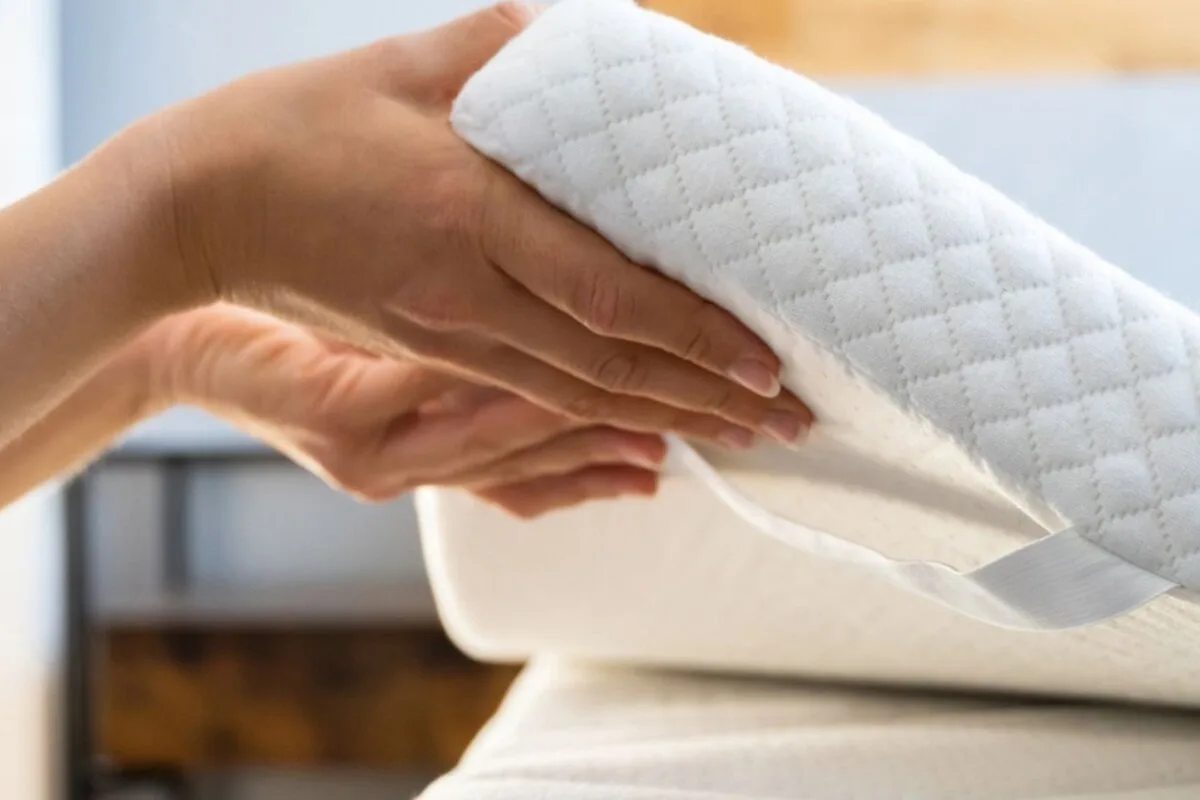
Pillows and top layers are important, but the support underneath matters more. Memory foam without a firm base won’t keep the spine aligned. Ignoring these layers can lead to discomfort over time. Firmness comes from more than just the top feel. Ask about the materials in both comfort and support layers. Understanding how they work together helps avoid pain and keeps the spine straight.
Final Thoughts
Stomach sleepers need a mattress that keeps their body supported. The wrong firmness can cause pain, stiffness, and restless nights. A medium-firm to firm mattress usually helps the body rest better. Proper mattress and pillow choices, including the best pillow firmness for stomach sleepers and soft or firm mattress for stomach sleepers, work together to provide full support.
Spine alignment matters, and hips need support. Materials like latex or hybrid layers hold shape and don’t sag. A mattress that lifts the body while easing pressure can improve sleep quality.
Finding the right mattress can change mornings. Less stiffness and more comfort help the body recover. Good sleep starts with a surface that fits your body’s needs.