
Sleeping on the stomach can feel comfortable, but it can strain the neck, back, and spine. Many people wake up stiff or tired even after sleeping a full night. Small changes can help reduce pain and make sleep more restful. Stomach sleepers can adjust their mattress and pillow to support their body better. A firm mattress and a thin pillow keep the spine straighter. Adding a small pillow under the hips can also ease pressure on the lower back.
Choosing the right setup is important, including what stomach sleepers sleep on, what type of mattress is best for stomach sleepers, and what’s the best pillow firmness for stomach sleepers. Keeping the body aligned is the key to avoiding soreness. Avoid twisting the torso or bending the knees too much. With simple adjustments, stomach sleeping can be more comfortable and less stressful on the body.
Key Takeaways
- Using a firm mattress, a thin pillow, and a small pillow under the hips can help support the spine and reduce lower back strain while sleeping on the stomach.
- Firm latex, hybrid, and high-density foam mattresses can help stomach sleepers maintain better body alignment throughout the night.
- A thin pillow, a soft latex or feather pillow, or even sleeping without a pillow may help reduce strain on the neck.
- Morning neck pain, lower back soreness, or frequent tossing and turning may be signs that a mattress or pillow is not providing enough support.
- Keeping the spine in a neutral position, avoiding body twisting, and gradually transitioning to side sleeping may help improve comfort if stomach sleeping continues to cause pain.
Why Stomach Sleeping Is Tricky On Your Body
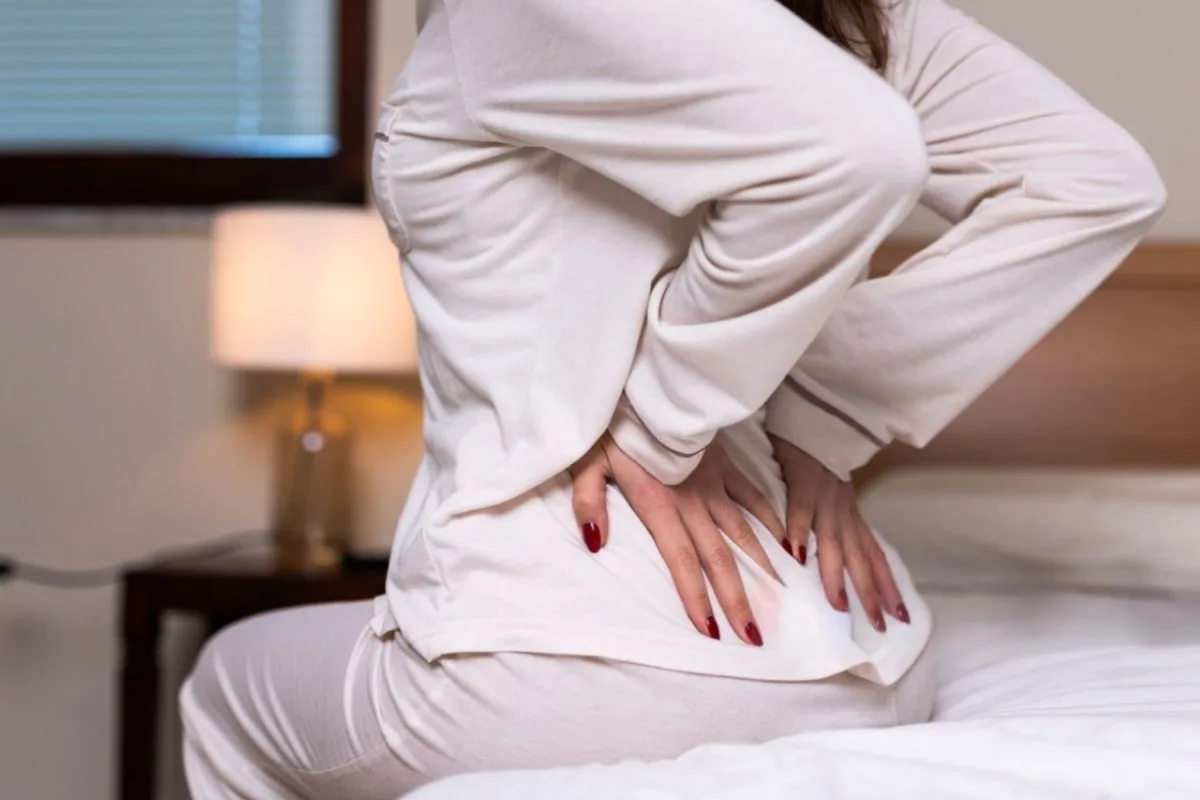
Sleeping on the stomach puts pressure on the body. Most of the weight sits on the torso, which can make the hips sink lower than the head or legs. This tilts the spine and can lead to back pain. Choosing the right mattress can help reduce some of this pressure. The neck can take a toll too. Turning the head to breathe for hours can cause stiffness or soreness. Over time, this position may create more serious neck issues. Using a thin pillow or none at all can ease strain on the neck.
Some people still prefer stomach sleeping. It can help with digestion or reduce snoring. The key is finding ways to keep the body and spine supported while lying this way. Placing a small pillow under the hips can help keep the spine straighter.
Keep Your Spine Straight
Sleeping on your stomach can put stress on the lower back. The spine has a natural curve, but lying flat on your stomach can flatten it. Over time, this can lead to discomfort if the mattress is too soft.
Stomach sleepers should focus on keeping their hips and shoulders aligned. A firmer mattress can help prevent the middle of the body from sinking. Proper support is key to protecting the lower back. Better spinal alignment can reduce pain and improve energy. How you sleep affects your body more than most people realize. Paying attention to your sleeping position can help keep your back comfortable.
The Best Mattress Type For Stomach Sleepers
The right firmness and thickness are important in comfort and support for stomach sleepers, whether a soft or firm mattress works, or plush options.
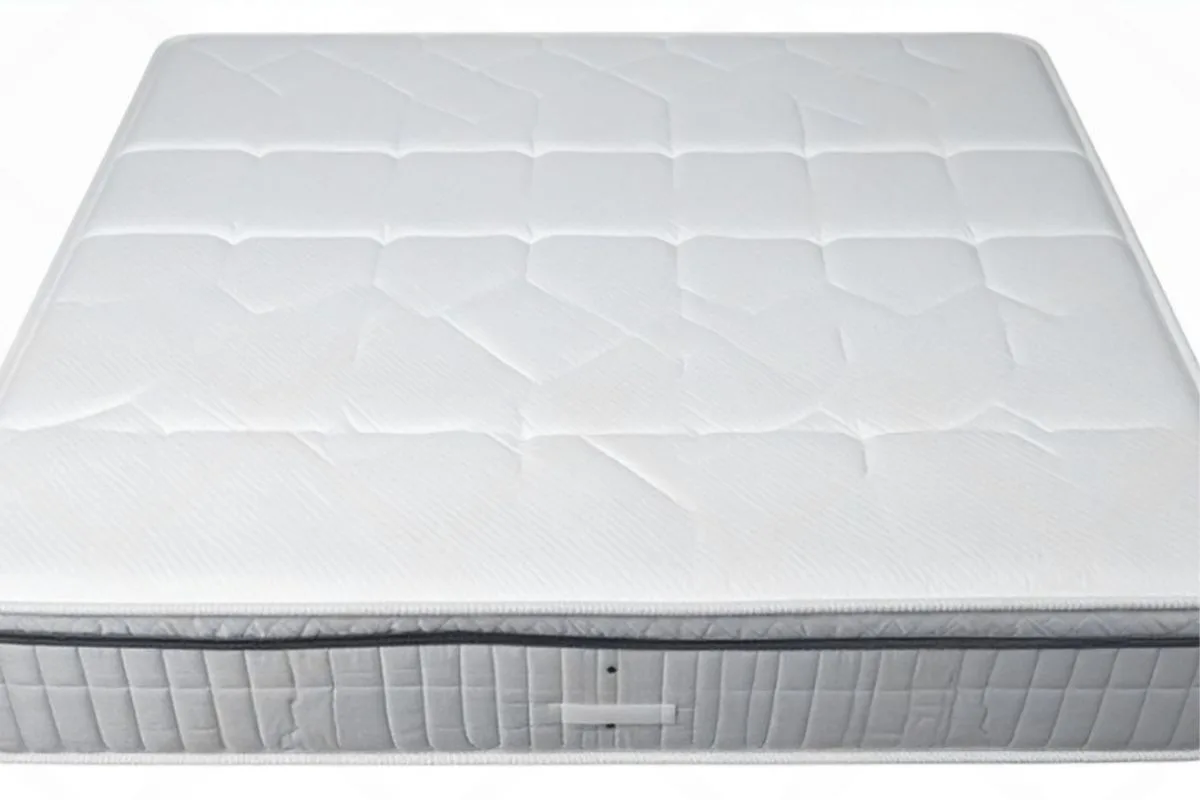
Stomach sleepers need a firm mattress. Soft beds let the midsection sink and can cause back pain. A firm surface keeps the body more aligned while lying on the stomach. Latex and hybrid mattresses suit stomach sleepers. Latex is firm but responsive, giving support without being too hard. Hybrids combine springs with firm foam, adding a slight cushion while holding the body up. Memory foam can work if it’s firm enough. Low-density foam may sag under the hips and belly. Choosing high-density foam under the top layer helps keep the body stable and supported.
Should You Use A Pillow?
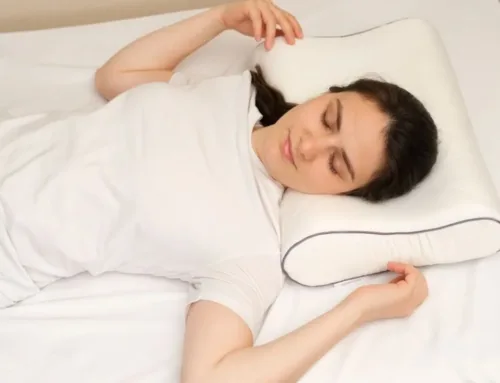
For people who sleep on their stomach, thick pillows can push the head up and strain the neck. A slim, flat pillow keeps the head more level. Some sleepers do better with no pillow at all. It can take a few nights to find the right thickness.
If a pillow is used, it should keep the head close to the spine’s natural line. Thin feather or soft latex pillows are easy to adjust. They give support without raising the head too much. Choosing the wrong pillow can lead to stiffness in the morning. Another option is a small pillow under the hips. It lifts the pelvis slightly and eases pressure on the lower back. This can make stomach sleeping more comfortable. Even a thin pillow can improve alignment and reduce strain.
Signs Your Sleep Setup Is Hurting You
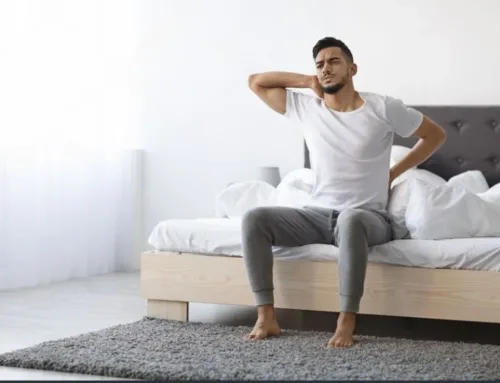
Some people wake up with neck or lower back pain and wonder why. Tossing and turning through the night can also signal an issue. Feeling sore even after a full night of sleep is another warning. These problems can slowly get worse if ignored.
A sagging mattress can add to the problem. Sleeping on the stomach puts extra strain on the spine. Small changes in your setup could ease discomfort. Checking your pillow height and firmness can also help. Switching pillows or adjusting mattress support can help. Paying attention to how your body feels is key. And if pain continues, it’s worth trying a new approach to sleep. Sometimes even minor adjustments make sleep feel more restful.
Sleeping Without A Pillow
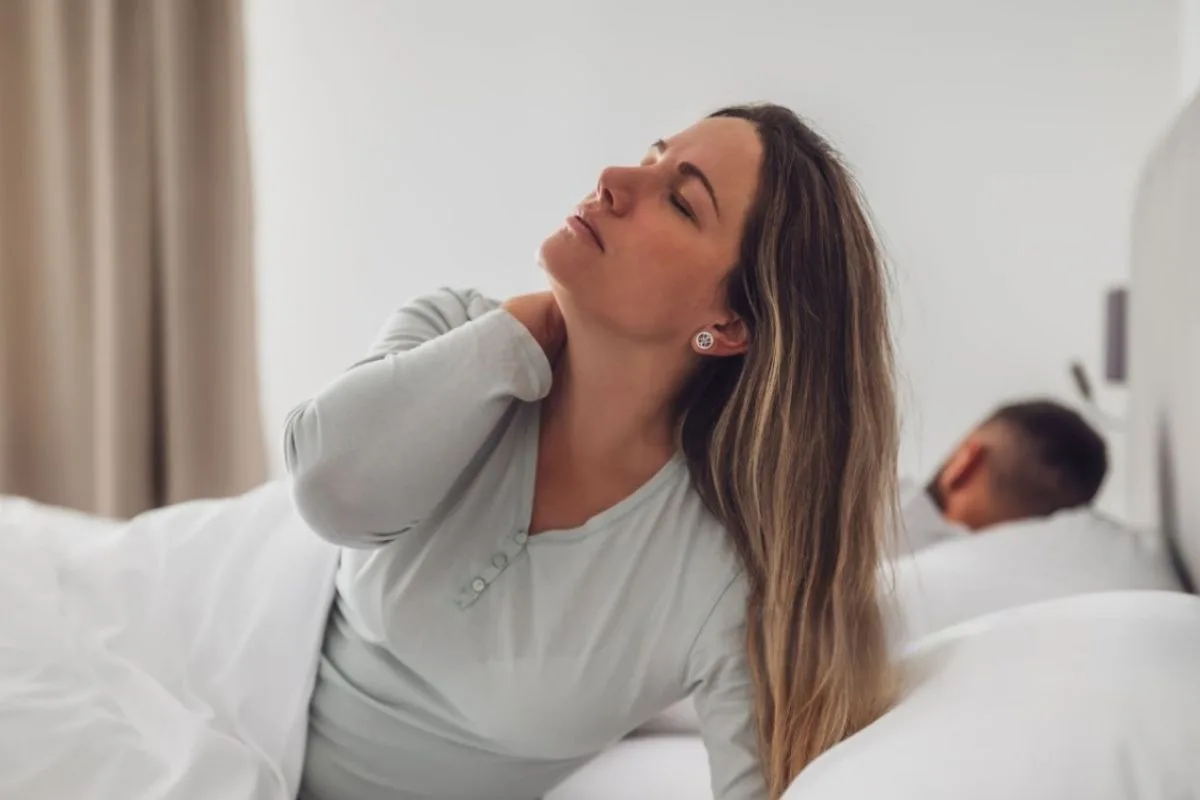
Some people sleep better without a pillow. It can help keep the neck straight, especially for stomach sleepers. This can reduce strain while resting. Some notice less stiffness in the morning when they skip it.
Bodies are different, so not everyone will feel better without one. If it feels uncomfortable, try a thin pillow first. The goal is to keep the head and neck in a natural position. It may take a few nights to get used to the change. It’s important to pay attention to comfort. Neck alignment is good, but feeling at ease matters too. Adjust until sleeping feels right. Everyone’s best position is a little different, so listen to your body.
Arm And Leg Position Tips For Stomach Sleepers
Stomach sleepers should pay attention to their arm and leg positions. Arms are best kept at the sides or tucked under a pillow. Stretching them overhead can strain the shoulders and neck. This helps keep the upper body relaxed while sleeping.
Bending one leg a little helps reduce pressure on the hips. Straight legs can create tension in the lower back. Keeping them slightly bent keeps the body more relaxed. It also eases strain on the lower spine. It’s important not to spread limbs too far. Twisting the spine can cause discomfort. Small adjustments in posture can make stomach sleeping easier and less painful. Over time, these changes can improve overall sleep quality.
How Should Stomach Sleepers Sleep To Wake Up Pain-Free?
Stomach sleepers should focus on small adjustments to protect their back and body. Preventing back pain for stomach sleepers and being aware of pressure points and spinal alignment are important to staying comfortable.
Stomach sleepers need the right support to avoid pain. A firm mattress keeps the body from sinking too much. Using a thin pillow or no pillow helps the neck stay in line. Sleeping without twisting the body also keeps muscles relaxed. Placing a small pillow under the hips can ease pressure on the lower back. It lifts the pelvis slightly and helps the spine stay straight. This reduces strain while sleeping. Even small changes in position can make a noticeable difference.
Keeping the spine and neck neutral improves rest. It can help lessen stiffness in the morning. Small adjustments like these make sleep more comfortable. Over time, these habits can lead to better overall sleep quality.

Can You Train Yourself To Stop Sleeping On Your Stomach?
Changing sleep positions takes patience. Stomach sleepers can try using a body pillow to stay on their side. Some place a small object on their chest to prevent rolling over. It can feel awkward at first, but the body adjusts over time. Adjusting the bed setup can also help. Raising pillows or using a firmer mattress can encourage side or back sleeping. These changes guide the body without forcing it. Small tweaks in pillow placement can make the position more comfortable.
Results take time. The body slowly adapts to new habits, and small steps can lead to more comfortable sleep. Consistency each night helps the change stick. Even a few nights of practice can start forming a new habit.
Final Thoughts
Stomach sleeping isn’t ideal for everyone, but some people feel most comfortable this way. Using the right pillow and mattress can help reduce strain. Small adjustments to your position can make sleep easier. Keeping the head on a thin pillow keeps the neck more level. Some people add a small pillow under the hips for support. Avoid twisting the torso or bending the knees too much.
With these changes, stomach sleeping can be less uncomfortable. People can adjust their setup over time. Even if they try other positions later, the spine stays safer.