

Sleeping on the back is seen as a healthy position, but it is not pain free for everyone. Some people still wake up stiff or sore. That usually points to a sleep setup that is not giving the right support.
Back sleepers need comfort and support at the same time. The spine should stay in a natural line through the night. When the mattress or pillow throws that off, strain builds in the lower back. Proper sleep for back sleepers includes the best mattress type and firmness, the ideal mattress thickness, the right pillow height, and sleeping on a surface that keeps the spine aligned and supported.
The pain is usually not caused by the body alone. It can come from a mattress that sinks too much, a pillow that sits wrong, or poor sleep posture. We’ll explore how these small setup issues affect back sleepers and how to adjust them.
Key Takeaways
- Back sleepers can help reduce back pain by keeping their spine in a neutral and properly aligned position during sleep.
- A supportive mattress and a suitable pillow can help keep the head, neck, and lower back aligned throughout the night.
- Placing a pillow under the knees may ease pressure on the lower back and help maintain the spine’s natural curve.
- Mattress firmness, sleeping habits, and the overall sleep environment can all influence how the body feels in the morning.
- Regular stretching and supportive bedding can help create a more comfortable sleep setup and reduce aches and discomfort.

Why Back Sleepers Experience Back Pain
Back sleepers depend on steady spinal alignment. If a mattress is too soft, the hips sink and pull the spine out of line. If it is too firm, the lower back lacks support and a gap forms under the lumbar area. Pillow height adds to the problem. A pillow that is too thick pushes the head forward and strains the neck. A pillow that is too thin tilts the head back and sends stress down the spine.
Body weight and sleep habits also matter here. Mattress materials control how pressure and support are shared through the body. When these do not match, the spine drifts from a neutral position during sleep.
How Proper Spinal Alignment Prevents Pain
The spine has a natural S shape. When a person sleeps on their back, the mattress should hold that curve in place. It should not flatten it or push it too far. To maintain proper spinal support, back sleepers should be aware of better sleep and mattress choices for their comfort. Good support keeps the hips from sinking too deep. At the same time, the shoulders and upper back can settle without strain. This keeps pressure from building and lets blood move as it should.
Waking up sore but feeling better later points to poor alignment at night. The body stays under stress while sleeping. Better alignment helps calm inflammation and supports recovery during rest.
Choosing The Best Mattress Firmness For Back Sleepers
Choosing the right mattress firmness matters for back sleepers. A medium-firm feel suits most people who sleep on their back. It keeps the hips lifted while still cushioning the spine. Back sleepers should sleep considering the best firmness, including options that are soft or firm and medium or firm, to find the ideal balance for support and comfort.
But firmness alone is not enough to judge a mattress. Latex and quality hybrid beds respond to movement and support the lower back. Low-density foam breaks down faster and can lose structure over time. A good mattress supports the body from head to toe. The surface should stay level without dips or deep impressions. Visible sagging can strain the back and add to daily discomfort.
The Best Sleeping Position For Back Pain Relief
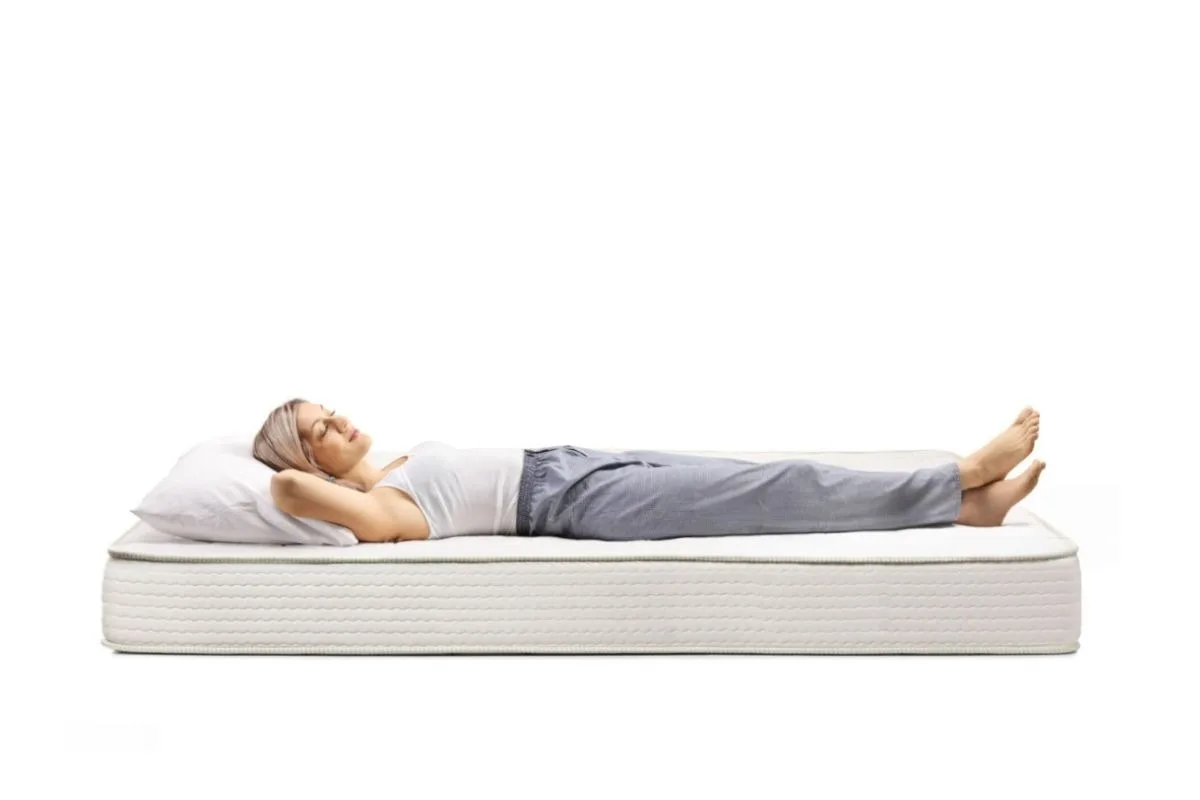
Back sleeping can help with pain, but small details still matter. Arms should rest at the sides or lightly across the chest. Lifting them overhead can stress the shoulders and upper spine. This tension can carry into the neck by morning.
Leg position also affects how the body feels after sleep. Legs should lie flat without pulling or stiffness. When knees fall outward, the lower back may be taking on extra strain. This can lead to soreness when getting out of bed. Body placement on the mattress is just as important. Staying near the center keeps support even through the night. Sleeping too close to the edge can tilt the spine and add pressure. Over time, this uneven support can trigger daily back pain.
Choosing The Right Pillow For Back Sleepers
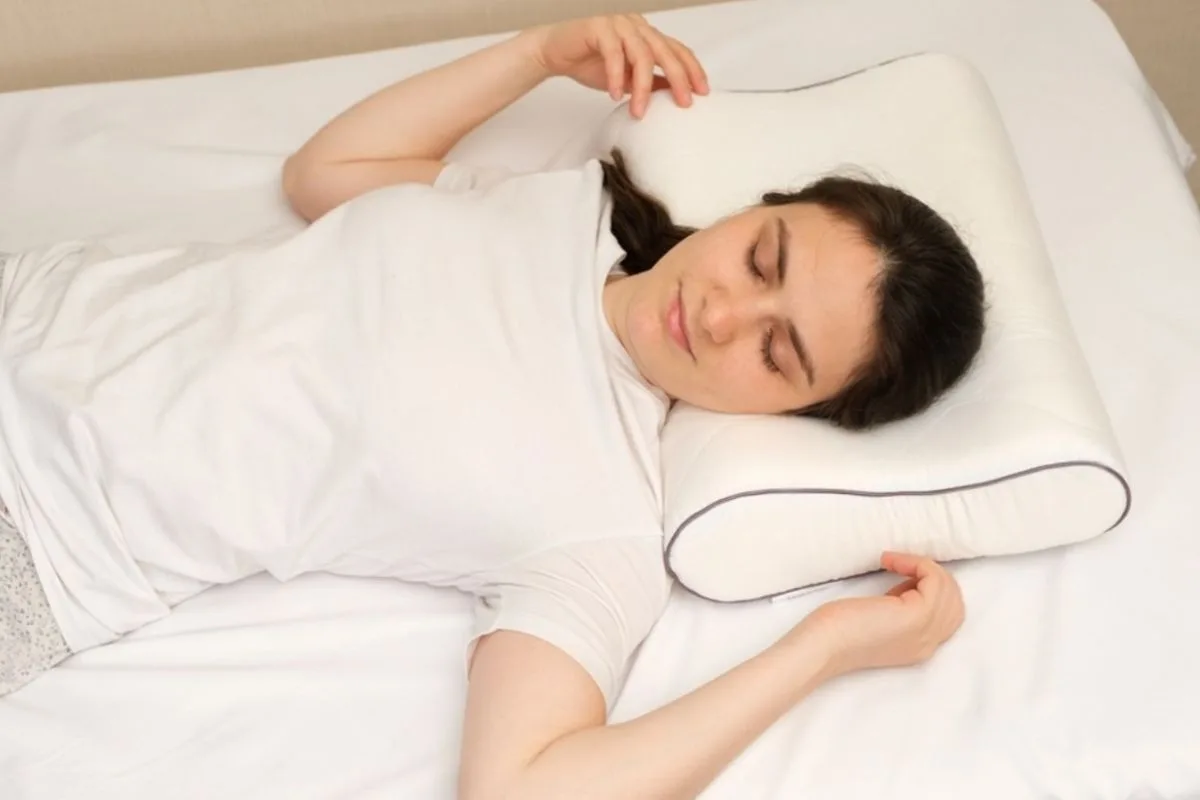
Back sleepers need a pillow that supports the neck without pushing the head forward. A medium-loft pillow with a slight contour can help keep the neck in a natural position. This type of pillow keeps the head steady throughout the night.
Memory foam and latex are good choices because they hold their shape and respond to movement. Fluffy pillows that squash easily can create uneven support and discomfort. The right material helps maintain proper head and neck alignment. The head should stay level with the spine while sleeping. Neck pain or headaches in the morning may come from a pillow that doesn’t fit. Choosing the right pillow helps reduce strain and improves rest.
Why A Pillow Under Your Knees Helps
Placing a pillow under the knees can ease back pain for people who sleep on their back. It lowers the curve in the lower spine and helps the spine stay in a neutral position through the night. The pillow does not need much height. A small lift under the knees can reduce pressure on the lower back and help tense muscles relax while lying flat.
This setup helps back sleepers with stiffness or tight hips. Some people feel relief right away after trying it. It is a simple change that does not cost much and is easy to keep.
When Your Mattress Is Causing The Pain
If a mattress is over seven years old, it may stop supporting the body correctly. Sagging, soft spots, and uneven areas can cause misalignment and discomfort. Sleeping on it can lead to pain that doesn’t go away. Rotating the mattress every few months can help it last longer, but it won’t fix worn-out materials. If sleeping somewhere else reduces the pain, the mattress is probably the problem. It’s a clear sign the bed isn’t giving proper support.
A good mattress can help prevent ongoing back pain. The body spends hours on it each night, so support matters. Choosing one that holds up over time can make sleep more comfortable and reduce discomfort.
Mattress Materials That Reduce Back Pain
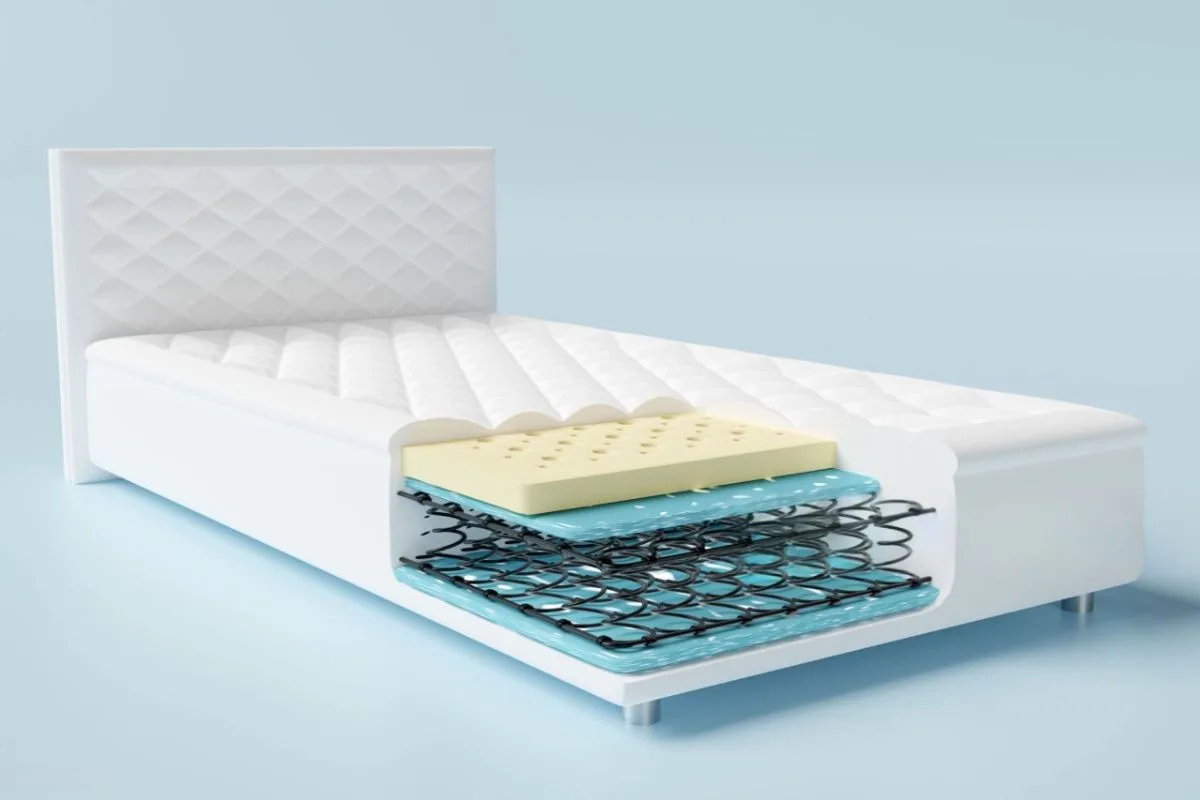
Latex mattresses are a good option for back sleepers. They relieve pressure without sinking too much and keep support steady through the night. They also last a long time and maintain their shape. Hybrid mattresses combine coils with foam or latex layers. This design gives firm support while still feeling comfortable. Models with added lumbar support help reduce strain on the lower back.
Thick pillow-top layers made from soft foam can cause issues. They lose shape quickly and may increase back pain. A firmer, stable mattress is usually a better choice.
Lifestyle Habits That Improve Sleep Comfort
Stretching before bed can help relax muscles and ease tension in the lower back. Simple movements like knee-to-chest stretches or pelvic tilts can improve flexibility and make it easier to get comfortable. This helps the body settle and reduces stiffness during the night. Keeping a regular sleep schedule is important. Going to bed very tired can increase muscle tension and make it harder for the body to recover while sleeping. A consistent routine gives the body a chance to rest fully.
Drinking enough water and paying attention to posture during the day also matter. Slouching or poor posture can cause back pain that shows up at night. Staying mindful of how the body moves can prevent discomfort while sleeping.
Final Thoughts
Preventing back pain for back sleepers begins with paying attention to spinal alignment, mattress support, and sleep posture. Simple changes like adding a knee pillow or choosing a better mattress can improve comfort. These adjustments help the body stay supported through the night.
A mattress should hold the body evenly, not push against it. When support and comfort match, the spine can stay in a natural position. This reduces strain and helps muscles relax while sleeping.
Waking up sore is a sign to make changes. Back pain is not something to ignore. With the right setup, discomfort while sleeping can usually be avoided.