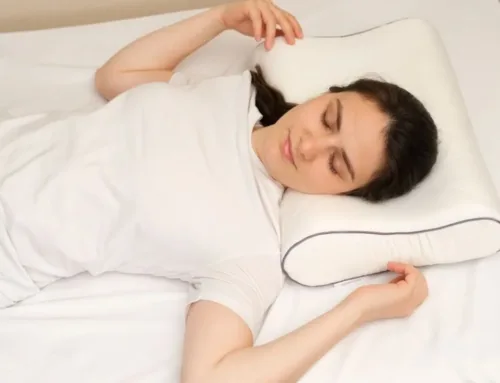

Back sleeping can be healthy if done right. It helps keep the spine in a neutral position, which is good for posture and comfort. But the wrong pillow, mattress, or leg position can cause back pain, stiffness, or restless sleep. Considering both the right surface to sleep on and being aware of sleep habits is essential for optimal support to prevent back pain.
Many people think just lying on your back fixes sleep issues, but small mistakes can ruin the benefits. Mattress choice and pillow height are key, and even leg positioning can change how supported your body feels. Once these factors are right, back sleeping can be one of the most comfortable ways to rest.
Key Takeaways
- Back sleepers need a medium‑firm to firm mattress to keep the spine straight and prevent hips from sinking.
- A medium‑loft pillow supports the neck without tilting the head forward or back.
- Placing a small pillow under the knees eases lower back strain by flattening the spine slightly.
- Avoid very soft pillow‑top mattresses that let the hips sink too much.
- Back sleeping helps posture and reduces pressure when head, shoulders, and hips are aligned.

Why Back Sleeping Is Good for Your Body
Back sleeping supports the spine by keeping the head, shoulders, and hips in line. This position reduces strain on the neck and lower back when done correctly. Lying flat lets the body rest evenly and stay balanced. It spreads weight across the mattress instead of pressing on shoulders or hips. This can lower pressure points that make people shift or wake up at night. A mattress that lets the body sink a little without collapsing helps maintain proper alignment.
Back sleeping can also ease shoulder and hip strain and may reduce facial wrinkles. People with posture or joint issues might notice fewer aches in the morning. Still, the right support is key, because without it, back sleeping can cause pain or stiffness.
How Should Back Sleepers Sleep for Proper Spinal Alignment
Back sleepers should keep their spine in a neutral position, similar to standing with good posture. Ears, shoulders, and hips should line up straight. This helps prevent tension and discomfort during the night.
A supportive mattress is important. It needs to hold heavier areas like the hips while filling the curve of the lower back. If hips sink too much, the spine arches. If they don’t sink enough, the lower back is left unsupported. The best firmness for a back sleeper and a soft or firm mattress or a medium or firm mattress ensures proper support and alignment.
The pillow also matters. The head should rest without tilting forward or backward. If the chin tucks or the head falls back, neck muscles stay tight. Proper alignment lets muscles relax, joints stay neutral, and the body recovers during sleep.
Want a mattress that supports comfort, movement, and intimacy? See our guide to the best mattresses for sex and compare options for responsiveness, support, edge stability, and cooling.
The Best Pillow Setup for Back Sleepers
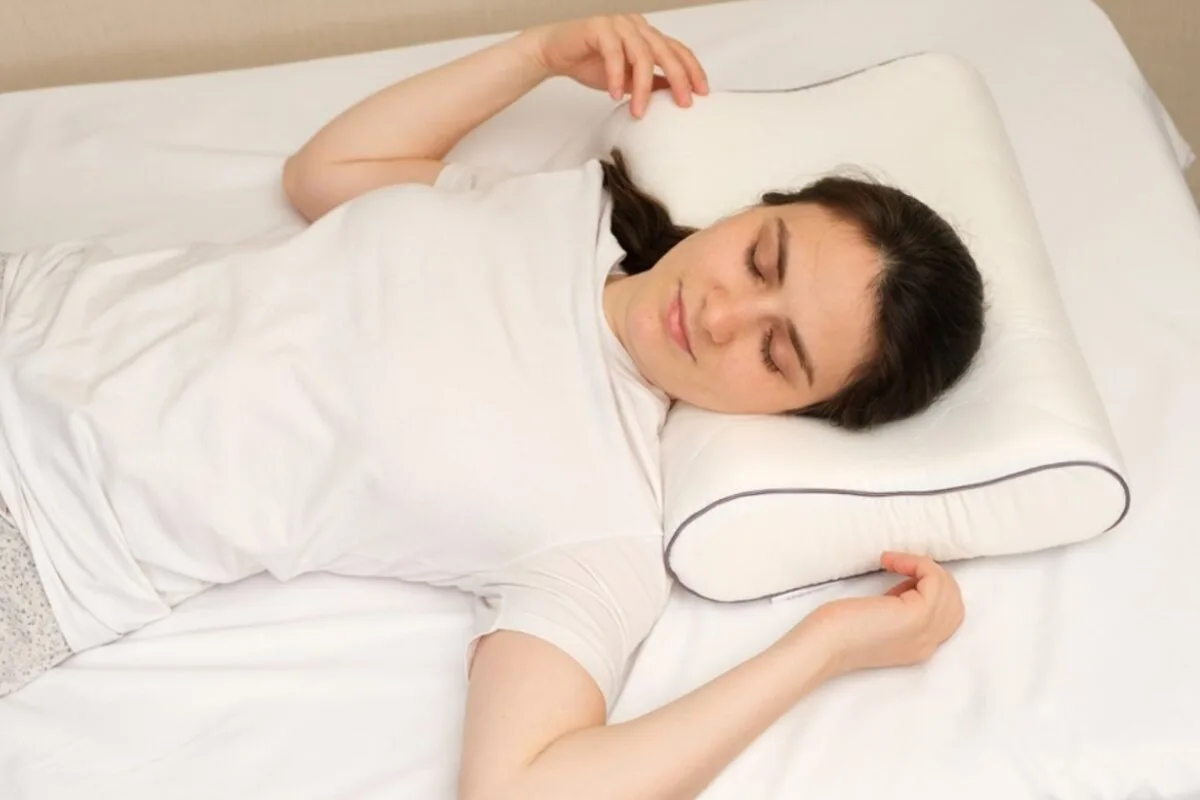
Back sleepers need a pillow that supports the neck, not just the head. A medium-loft pillow usually works best to keep the neck aligned with the spine. The pillow should fill the space between the neck and mattress and follow the natural curve of the neck. Materials that keep their shape, like memory foam or latex, help maintain support throughout the night. Some people find a slight contour or cervical design useful, as it cradles the neck while keeping the head level. Thick pillows can push the head forward and cause strain, so they are best avoided.
Waking up with neck pain or headaches is often a sign the pillow is too high or too firm. Adjusting the height and firmness can relieve discomfort. The right pillow helps keep the spine in a neutral position and supports a more comfortable night’s sleep.
Why a Pillow Under Your Knees Is Important
Placing a pillow under the knees can help back sleepers sleep more comfortably. It reduces pressure on the lower back by flattening the natural curve of the spine. This simple change can ease stiffness and discomfort. When the legs lie flat, the lower back can arch away from the mattress. A pillow under the knees tilts the pelvis slightly and lets the spine rest in a more natural position. This is helpful for anyone with lower back pain in the morning.
The pillow doesn’t need to be thick. Even a small cushion or folded pillow can improve support and comfort. Many back sleepers notice relief soon after using this adjustment.
The Best Mattress Type for Back Sleepers
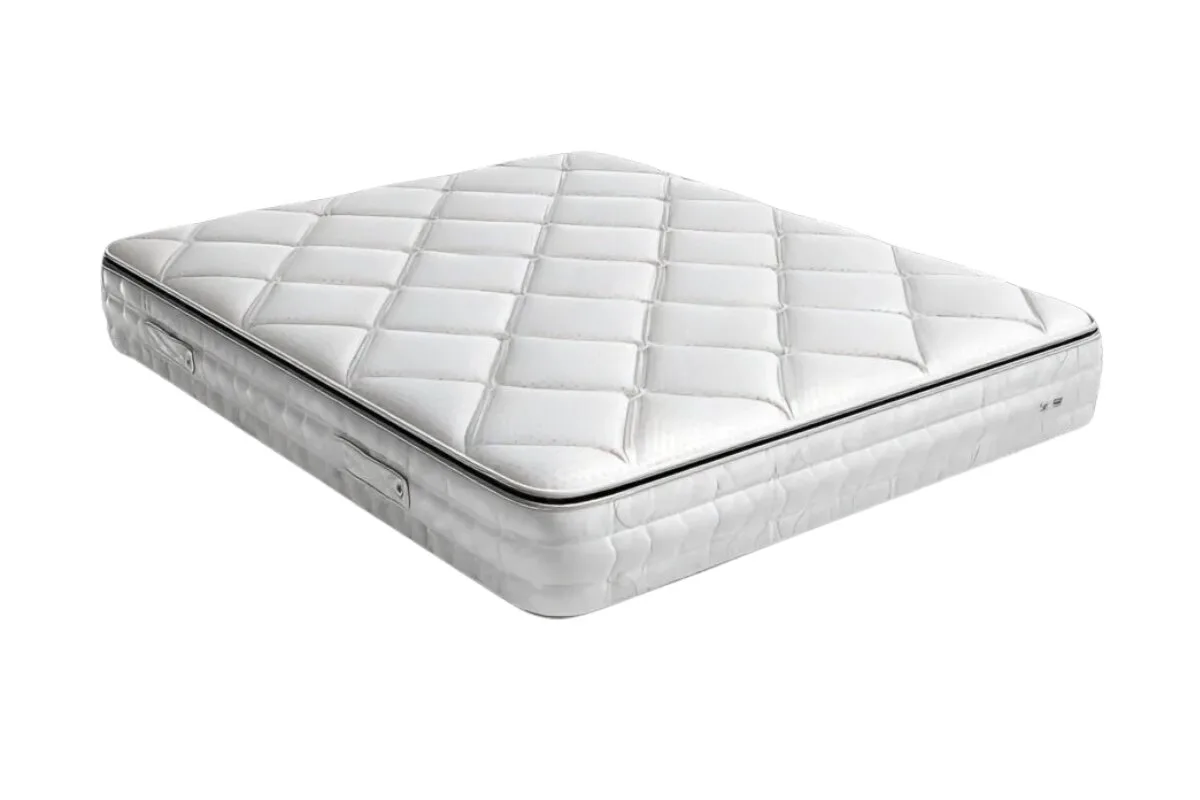
Back sleepers usually do best on medium-firm to firm mattresses. But firmness alone doesn’t tell the whole story. What matters most is how the mattress balances support and comfort. Choosing the right mattress includes considerations of the type of mattress best for back sleepers, the ideal thickness of a mattress for back sleepers, and the proper pillow height for back sleepers.
A mattress should keep the hips from sinking too far while still relieving pressure in the shoulders and lower back. It should also adjust when the sleeper changes positions. Latex and hybrid mattresses with solid support cores handle this well because they stay soft on top but firm up deeper to keep the spine aligned.
Mattresses with thick, soft pillow tops made from low-quality foam should be avoided. They may feel comfortable at first but tend to sag over time. Choosing a mattress that supports the body steadily can prevent aches and help back sleepers rest better.
Common Back Sleeping Mistakes to Avoid
Back sleepers can run into problems that hurt their sleep or cause discomfort. One common issue is using a mattress that is too soft. When the hips sink too much, the spine shifts out of alignment. Using too many pillows under the head can also push the neck forward and create strain. Sleeping flat without any support under the knees puts extra pressure on the lower back. This can be worse for people who already have back pain. Over time, old mattresses lose their structure and stop supporting the body evenly.
Waking up stiff, sore, or tired is a sign that the sleep setup isn’t right. Adjusting the mattress, pillows, or adding knee support can help. Paying attention to these details keeps the spine more comfortable during sleep.
Is Back Sleeping Good for Everyone?
Back sleeping can be healthy, but it’s not ideal for everyone. People who snore a lot or have sleep apnea might notice their symptoms get worse. When lying flat, the tongue and airway can fall back, making it harder to breathe. Pregnant people are usually told to avoid sleeping on their back, especially in the later months. Lying flat can reduce blood flow and affect circulation. Side sleeping is often recommended for comfort and safety.
For those who find back sleeping uncomfortable or notice breathing issues, small adjustments can help. Using a slight incline or an adjustable bed can improve airflow. Raising the head a little keeps the spine supported while easing breathing.
How to Train Yourself to Sleep on Your Back
Switching to back sleeping can take time. The body is used to certain positions, and habits don’t change overnight. Patience is key during this adjustment. Setting up the bed correctly helps. A pillow under the knees and supportive pillows on each side can keep the body from rolling over. Proper support makes sleeping on the back more comfortable. It can take a few weeks to get used to it. Some stiffness at first is normal, but sharp pain is not. If discomfort continues, check your mattress and pillow instead of forcing the position.

Back Sleeping and Mattress Longevity
Back sleepers usually see their mattresses last longer than side sleepers. Weight spreads more evenly across the surface, so there’s less pressure in one spot. This reduces the chance of sagging and uneven wear. Durable materials are still important. Cheap foams can soften fast, even if weight is balanced. Mattresses with strong support cores and quality comfort layers hold up better over time.
Regular rotation and a good foundation also add years to a mattress. Flipping or rotating helps prevent dips and uneven wear. Supporting the bed properly keeps it stable and comfortable longer.
Final Thoughts
Back sleepers should pay attention to alignment, support, and their bedding choices. Sleeping on the back can be healthy if the mattress and pillows fit the body’s needs. The wrong setup can lead to discomfort and poor posture. Keeping the spine neutral is key. A pillow that supports the neck and a small one under the knees can reduce lower back strain. The mattress should balance comfort with support and avoid sagging.
With the right setup, back sleeping can help the body rest fully. Waking up feeling supported and without pain is possible. It’s about matching your sleep position with the right bedding.