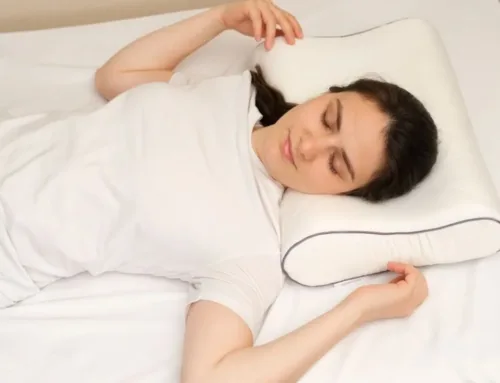

If a person sleeps on their back, mattress firmness matters more than it seems. A mattress that is too soft or too hard can lead to back pain or stiff shoulders. Night after night, poor support can disrupt sleep and cause discomfort. These issues tend to build up instead of going away on their own.
Back sleepers need a balance of support and gentle cushioning. The mattress should hold the spine in a neutral position without sinking too much. At the same time, the shoulders and hips need space to relax. Without that balance, the body can feel tense by morning.
Choosing the right firmness becomes simpler once the goal is clear. Support should match the body’s natural curve, not fight against it. This includes considering what type of mattress is best for back sleepers, whether a soft or firm mattress or a medium or firm mattress suits them best. We’ll explore which firmness levels suit back sleepers best and how mattress design affects support. This helps narrow down what to look for before buying.
Key Takeaways
- A medium-firm mattress is a popular choice for back sleepers because it can provide a balance of support and pressure relief.
- Body weight can influence firmness preferences, with lighter sleepers tending to prefer a medium feel and heavier sleepers usually needing firmer support.
- The support and comfort layers of a mattress work together to keep the hips stable and help maintain proper spinal alignment.
- Waking up sore may be a sign that a mattress is not the right firmness, whether it feels too soft or too firm.
- Materials such as latex, supportive coils, and durable foam can provide consistent support and long-term comfort.
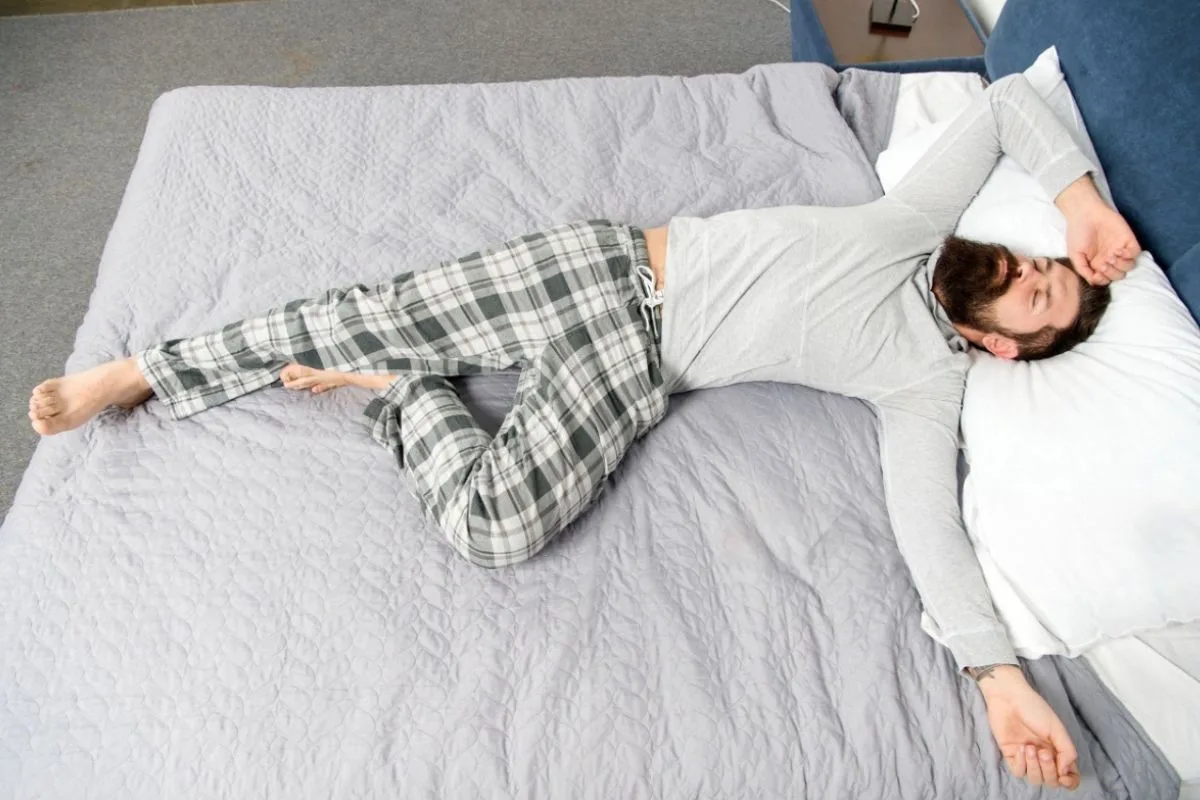
Why Mattress Firmness Is Important For Back Sleepers
Back sleepers rest with a natural S shape in the spine. A mattress should support that shape without letting the hips sink too low. If it feels too soft, the spine bends and pain can show up. This strain usually builds during the night, not right away. A mattress that feels too firm creates a different issue. The lower back may not touch the bed at all. That gap can lead to pressure and stiffness over time. Some people wake up sore even after a full night of sleep.
Firmness controls how the body stays aligned through the night. Back sleepers need support and pressure relief at the same time. Too much of one and not enough of the other causes problems. When firmness is right, the spine stays steady and supported.
What Is The Best Firmness For A Back Sleeper?
For most back sleepers, a medium firm mattress feels right. On a 1 to 10 scale, this usually sits around a 6 or 7. It supports the hips while easing pressure on the shoulders and lower back, without feeling stiff. This firmness lets the body sink in just enough for comfort. It prevents sinking too deep, which can throw off posture. That balance helps keep the spine straight during sleep and reduces strain by morning.
The right feel can still vary from person to person. Lighter back sleepers may lean toward a true medium feel. Heavier back sleepers usually need something firmer for steady support and better control.
The Role Of Support Layers And Comfort Layers
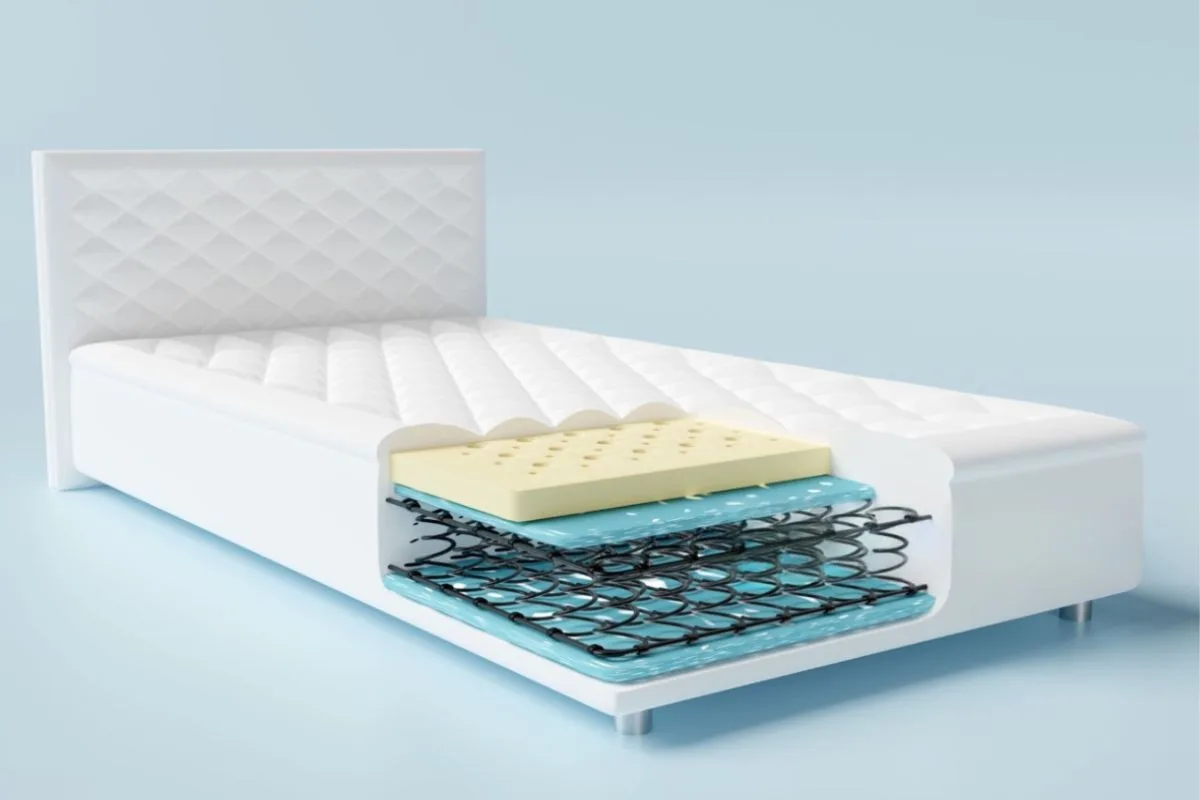
Firmness isn’t just how a mattress feels on the surface. It depends on how the layers inside work together. Comfort layers ease pressure, while the support core stops the body from sinking too much. Back sleepers need layers that support the lower back and shoulders. The core, whether foam, latex, or springs, keeps the hips and torso steady. Both layers are needed for proper spine alignment.
Many mattresses feel soft in stores but don’t hold up over time. Without good support, sagging and discomfort show up quickly. A mattress that balances comfort and support lasts longer and feels better for back sleepers.
Trying to save without sacrificing comfort? Explore our guide to the best cheap mattresses and compare budget-friendly options for support, durability, and value.
How Body Weight Affects Firmness Choice
Body weight changes how a mattress feels under the body. A heavier person sinks deeper into the layers. A lighter person stays closer to the top, so firmness feels different. The way a mattress responds can affect how well someone sleeps through the night.
For someone under 130 pounds, a medium feel is usually enough. It lets the lower back settle without feeling stiff. A mattress that feels too firm can press too hard at this weight. Choosing the right support can help prevent aches in the morning. People between 130 and 230 pounds usually feel best on medium-firm. It gives steady support while keeping the spine level. Those over 230 pounds may need firm or medium-firm support to limit sinking and keep balance. Finding a mattress that matches body weight can improve overall comfort.
Signs Your Mattress Is Too Soft Or Too Firm
Your body can show when a mattress is too soft or too firm. Waking up with lower back pain usually means the mattress is too soft and your hips sink too much. It’s a sign your spine isn’t properly supported. You may also notice your shoulders or hips feeling sore after sleeping. Stiffness or soreness across your back can mean the mattress is too firm. This happens when your lower back can’t sink in at all. How you feel in the morning is a clear way to tell if firmness is right. Sleeping positions can also affect how firmness feels each night.
Mattresses change over time, even if they felt perfect at first. Foam can soften and sag, shifting support. Back sleepers may notice this affecting spinal alignment more than others. Checking your mattress regularly can help prevent ongoing discomfort. Following proper techniques for back sleepers and choosing the right sleeping setup, including what mattress to sleep on, its thickness, and pillow height, supports spinal alignment, promotes comfort, and prevents back pain.

Is Medium-Firm Always The Best Choice?
Medium-firm mattresses suit many back sleepers, but not everyone. Some need firmer support, especially if they have lower back pain. A firmer mattress can prevent sinking and keep the spine aligned. Everyone’s comfort level is different, so it’s important to test it out. Others prefer a softer, medium feel, especially if they sleep on their side sometimes. Mattresses with responsive materials, like latex, can give extra cushioning without losing support. This type can adjust to your movements through the night.
The main point is how the mattress supports the lower back. If the back feels relaxed and aligned when lying down, the firmness is likely right. Checking how it feels after a few nights helps confirm your choice.
Best Mattress Materials For Back Sleepers
Some materials are better suited for back sleepers. Latex is a strong choice because it supports the body and eases pressure points. It responds quickly to movement and helps keep the spine in line. It can also feel cooler than other foams. Innerspring mattresses with good comfort layers can work too, especially those with pocketed coils that give support where it’s needed. High-density foam cores are another option when paired with sturdy comfort layers. These setups can offer a firmer feel without being too hard.
The most important factor is the quality of the material. Lower-quality foams wear down faster, which changes firmness and support over time. Back sleepers do best with materials that hold their shape for years. Choosing the right mattress can reduce back tension and improve sleep comfort.
Firmness And Back Pain
Many people think a firmer mattress helps back pain, but that’s not always true. Studies and experience show medium-firm mattresses can relieve pain better for back sleepers. They balance support and pressure without causing strain. A mattress that’s too hard can press on the body, while one that’s too soft can make the spine misalign. The key is keeping the spine neutral in your usual sleeping position. Comfort and alignment go hand in hand.
If back pain is already an issue, testing firmness carefully is important. Pay attention to how your lower back feels after lying flat for a few minutes. Small differences in firmness can affect comfort and support.
How To Test Firmness The Right Way
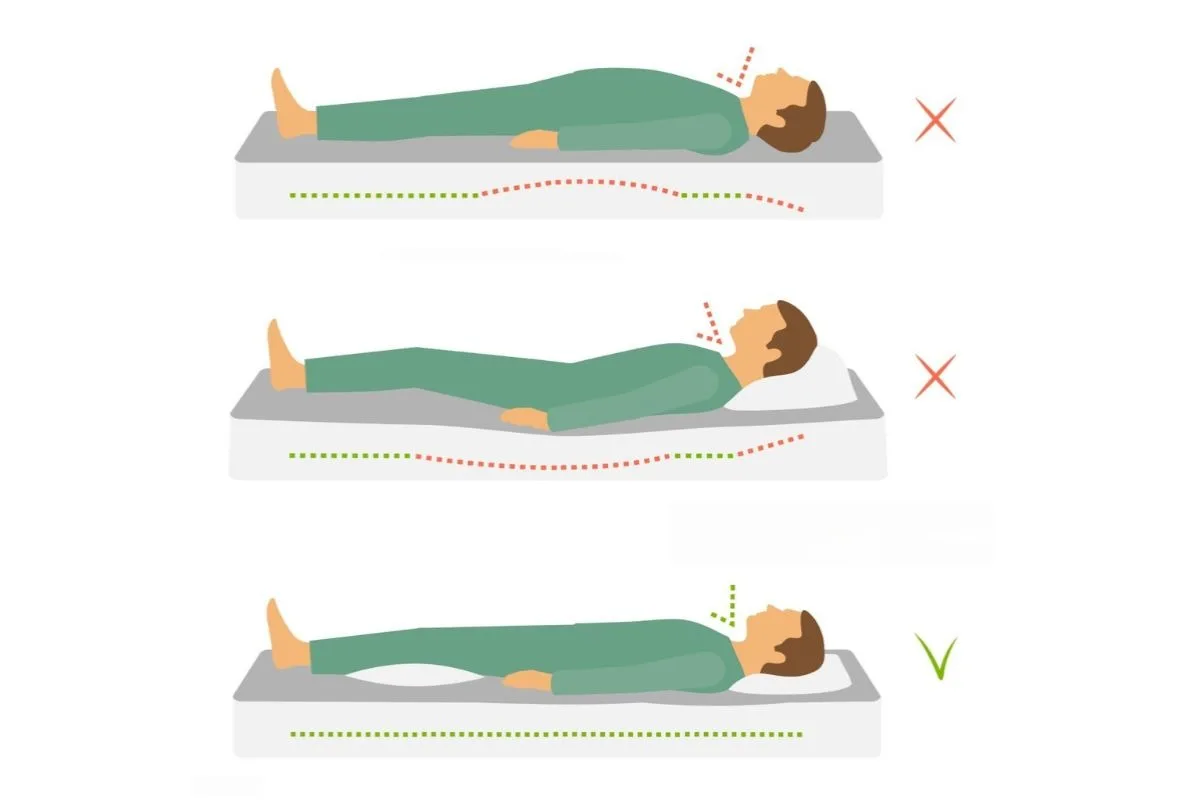
When testing a mattress, lie on your back for 10 to 15 minutes. Notice if your hips sink too much or if your lower back feels unsupported. You should feel even support from your shoulders to your hips. Take a few deep breaths and move slightly to see how the mattress responds. Slide your hand under your lower back. A little space is normal, but a big gap means the mattress is too firm. If your lower back presses hard, the mattress may be too soft. Pay attention to any pressure points that feel uncomfortable.
This method gives clearer information than just sitting or lying down for a few minutes. It helps you understand how the mattress supports your body. Take your time to feel how it holds you. Try testing in different positions to see if it stays comfortable.
Final Thoughts
Choosing the right firmness is key for back sleepers. Medium-firm usually balances support and comfort as it keeps the hips and lower back supported and adapts to most body types. But still, the best choice depends on weight, personal comfort, and any back problems. Support should come first, comfort second. A mattress that keeps your spine straight is more important than one that just feels soft.
Keeping in mind what back sleepers should be aware of for better sleep and how thick a mattress should be for back sleepers ensures proper alignment and reduces discomfort. A mattress that fits your body helps you sleep better. And that can make getting up in the morning easier.