

Combination sleepers change positions throughout the night, and that’s normal. Most people don’t stay in one position, so picking the right mattress firmness can be tricky. Each position, side, back, or stomach, needs a different kind of support. To understand this better, it helps to know what a combination sleeper means and the things combination sleepers should be aware of for better rest and what combination sleepers sleep on.
The best firmness for combination sleepers balances softness and support. It should cushion your shoulders and hips when you’re on your side but stay firm enough to support your back and stomach. This balance helps keep your spine aligned and reduces morning aches.
Key Takeaways
- Combination sleepers usually find the best balance of comfort and support on a medium to medium-firm mattress.
- Responsive materials such as latex, hybrid constructions, and pocketed coils can make it easier to switch positions during the night.
- A good comfort layer should cushion the shoulders and hips while helping keep the spine properly aligned in different sleeping positions.
- Body weight can influence firmness preferences, with heavier sleepers generally needing more support and lighter sleepers preferring a softer feel.
- Features like motion isolation, edge support, and breathability can contribute to a more comfortable and uninterrupted night’s sleep.

Why Firmness Is Important For Combination Sleepers
Firmness affects how much you sink into a mattress. For combination sleepers, this is important. Moving between side, back, or stomach positions requires a mattress that adapts. Too soft, and the hips sink too far when on your back. Too firm, and the shoulders can feel pressed when on your side. The thickness of the mattress for combination sleepers, whether it is soft or firm and a medium or firm feel, are all important in balancing comfort and support.
A medium to medium-firm mattress usually fits best. It cushions the body without letting it sink too much. The spine stays supported while curves get gentle padding.
Materials also matter. Responsive foam or pocket coils add bounce and help the mattress recover quickly. This makes shifting positions easier. Comfort stays consistent no matter how you sleep.
The Ideal Comfort Layer For Combo Sleepers
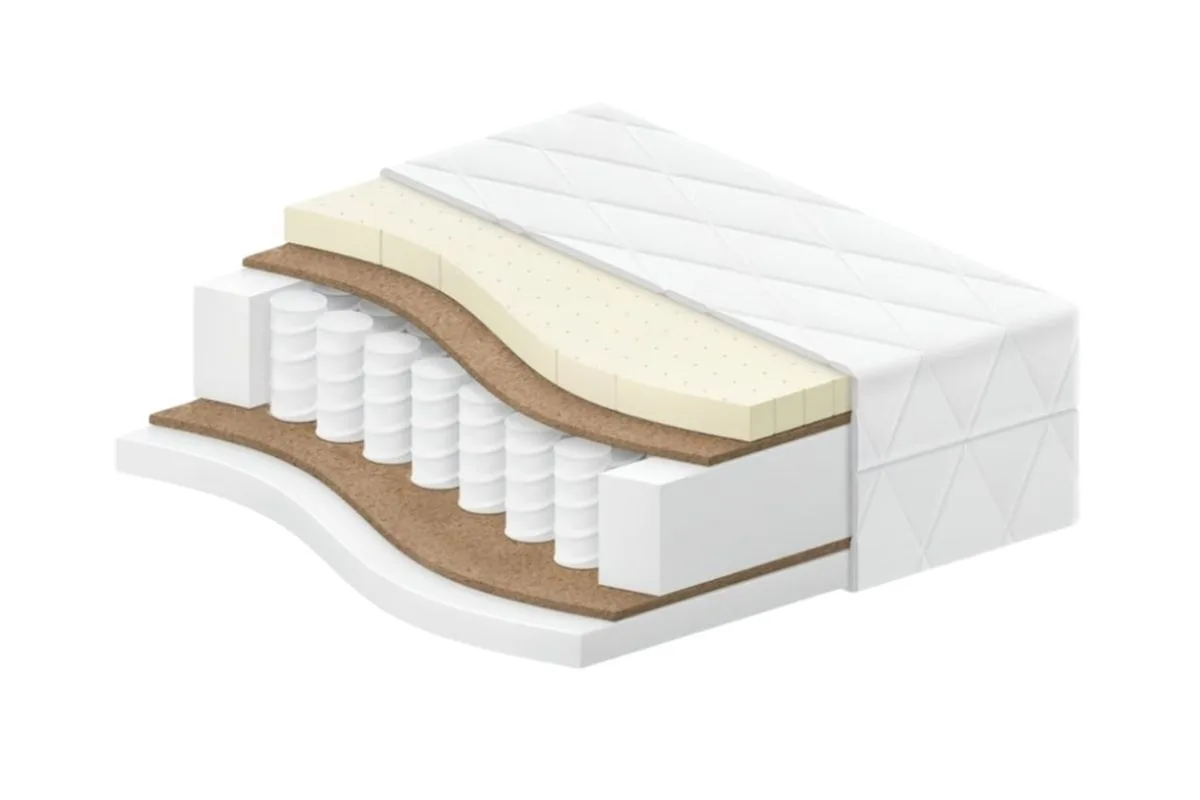
The comfort layer is the top part of a mattress. For combo sleepers, it should be thick enough to support the body but not so thick that it traps you. This layer cushions the shoulders and hips without losing support when switching positions. Side sleeping needs more pressure relief, so a thinner layer works best. About 2 to 3 inches of soft foam or latex lets the shoulders and hips sink just enough. At the same time, it keeps the body supported when rolling onto the back or stomach.
How Support Layers Affect Your Sleep
Support layers sit at the bottom of a mattress, under the comfort and transition layers. They hold the body and keep the hips from sinking too far, which can cause back pain, especially for those who sleep on their back or stomach. For combination sleepers, a firm base is usually best.
If a mattress has a thin comfort layer, the support layer should be softer and more flexible. This helps the mattress cradle the whole body better. But when the comfort layer is thick, the support layer can be firmer since the top layers already give enough cushioning.
A transition layer between the comfort and support layers can also help. It makes it easier to change positions without sinking too much. This layer helps balance softness and support so the mattress feels stable.
Recommended Mattress Types For Combination Sleepers
Combination sleepers need mattresses that adjust easily to different positions. Latex mattresses are a solid choice because they are responsive and durable. They allow for smooth movement while giving support across the body.
Hybrid mattresses blend foam with pocketed coils. This combination provides gentle contouring and a bit of bounce. Pocket coil innersprings also respond to each part of the body, easing pressure and minimizing motion transfer.
Memory foam can work if it is medium density with quick response or open-cell design. Foams that feel soft on top but firm under pressure, like latex or high-quality polyfoam, suit combination sleepers best. They give comfort without trapping the body in one position.
Signs Your Mattress Firmness Is Off
Waking up with sore hips, shoulders, or back can be a sign your mattress isn’t right. Some people feel stuck in the bed if it’s too soft. Pressure points can make tossing and turning all night common. Morning back pain is another clue the firmness might be off. Side and back sleepers can feel it differently, but discomfort is usually a warning. Your sleep position can affect how firm the mattress should be.
If these issues sound familiar, your mattress might not suit your combination sleep style. Adjusting firmness could help reduce pain and improve rest. A mattress that’s too soft or too firm can make sleep uncomfortable.

What ILD And Firmness Ratings Mean
Firmness is measured using ILD, which stands for Indentation Load Deflection. It shows how much a mattress resists pressure when you press on it. Soft mattresses, with an ILD of 14–22, usually feel too soft for people who change positions a lot during sleep.
Medium mattresses, with a 23–30 ILD, provide a balance between support and cushioning. They relieve pressure while still holding the body in a neutral position. This range is generally the most comfortable for combo sleepers.
Firm mattresses, with an ILD of 31 or higher, offer strong support. They can keep the spine aligned but may feel too hard for side sleepers. ILD is only one factor; layer thickness and body weight also affect how firm a mattress feels.
How Your Body Type Changes Everything
Your body shape and weight change how a mattress feels. People over 200 pounds usually need a medium-firm or firm mattress to keep from sinking too much. Lighter sleepers under 130 pounds may prefer a softer mattress that still supports their body. Where you carry your weight also matters. If your hips are heavier, a mattress with extra support in that area can help. Softer zones around the shoulders can keep the spine aligned.
Choosing the right firmness depends on these factors. It’s not just about comfort but support where the body needs it most. A mattress that balances these areas can improve sleep and reduce pressure points.
Best Mattress Firmness For Couples Who Toss And Turn
For couples who toss and turn, a medium or medium-firm hybrid or latex mattress is usually the best choice. These mattresses provide steady support and reduce motion transfer, so one person’s movements don’t disturb the other. They also offer a balance of comfort and bounce. Mattresses with zoned support or dual firmness options can help if each person has very different needs. These designs give firmer support where it’s needed and softer areas where pressure relief matters.
Adding a mattress topper is another way to adjust comfort without replacing the whole bed. It lets each side feel closer to your preferred firmness. This can be helpful for combination sleepers who share a bed.

Other Important Features
Edge support is important for anyone who sleeps near the edge or likes to sit on their bed. It helps keep the mattress stable and prevents sagging. Without it, the edges can feel soft and unsafe.
Motion isolation matters for people who share a bed. Materials like memory foam, latex, or pocketed coils absorb movement. This way, one person’s tossing and turning doesn’t disturb the other.
Breathability is key for anyone who sleeps hot. Mattresses with latex, open-cell foam, or coils let air flow better. These features can make the bed more comfortable for different sleeping positions.
Final Thoughts
Combination sleepers need a mattress that balances support and comfort. It should cushion the hips and shoulders on your side but keep your spine aligned on your back or stomach. Finding this balance can reduce pressure and improve sleep quality.
Choosing the right mattress type for combination sleepers and preventing back pain for combination sleepers and ensuring combination sleepers sleep for optimal comfort is essential for consistent rest. Medium to medium-firm mattresses are usually the safest choice for people who change positions during the night. Materials like latex, hybrid layers, or medium-density memory foam respond well to movement. Look for options that give enough bounce to move without strain.
The right mattress helps you wake up feeling rested instead of sore. Support and comfort layers matter more than fancy features. When the mattress fits your body, sleep feels smoother and more consistent.