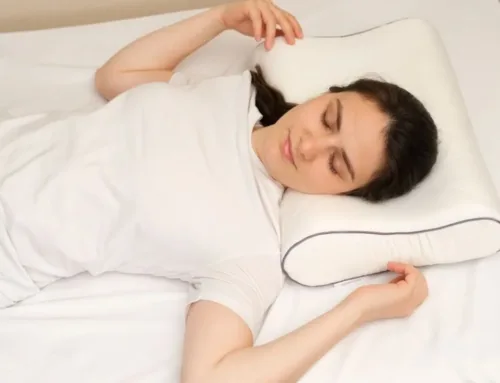

Back sleepers need a mattress that keeps their spine in a natural position. If the mattress is too soft, the hips sink, and the spine curves unnaturally. If it’s too firm, it can create pressure points and gaps under the lower back. The best choice combines the type of mattress suitable for back sleepers with the best firmness for a back sleeper, along with the question of which is better soft or firm to ensure comfort and alignment.
Choosing between medium and firm depends on body weight and comfort preferences. Medium to medium-firm mattresses usually provide balanced support for most back sleepers. Heavier individuals or those needing extra support may prefer a firmer mattress. Finding the right firmness can improve sleep and reduce discomfort. And the key is keeping the spine aligned while staying comfortable.
Key Takeaways
- Medium mattresses give balanced support and cushion the hips while keeping the lower back supported.
- Firm mattresses provide stronger lower back support with less sink around the hips.
- Lighter sleepers usually prefer medium firmness.
- Heavier back sleepers usually need firmer support.
- The best mattress keeps the spine neutral, prevents sagging, and feels comfortable for steady sleep.
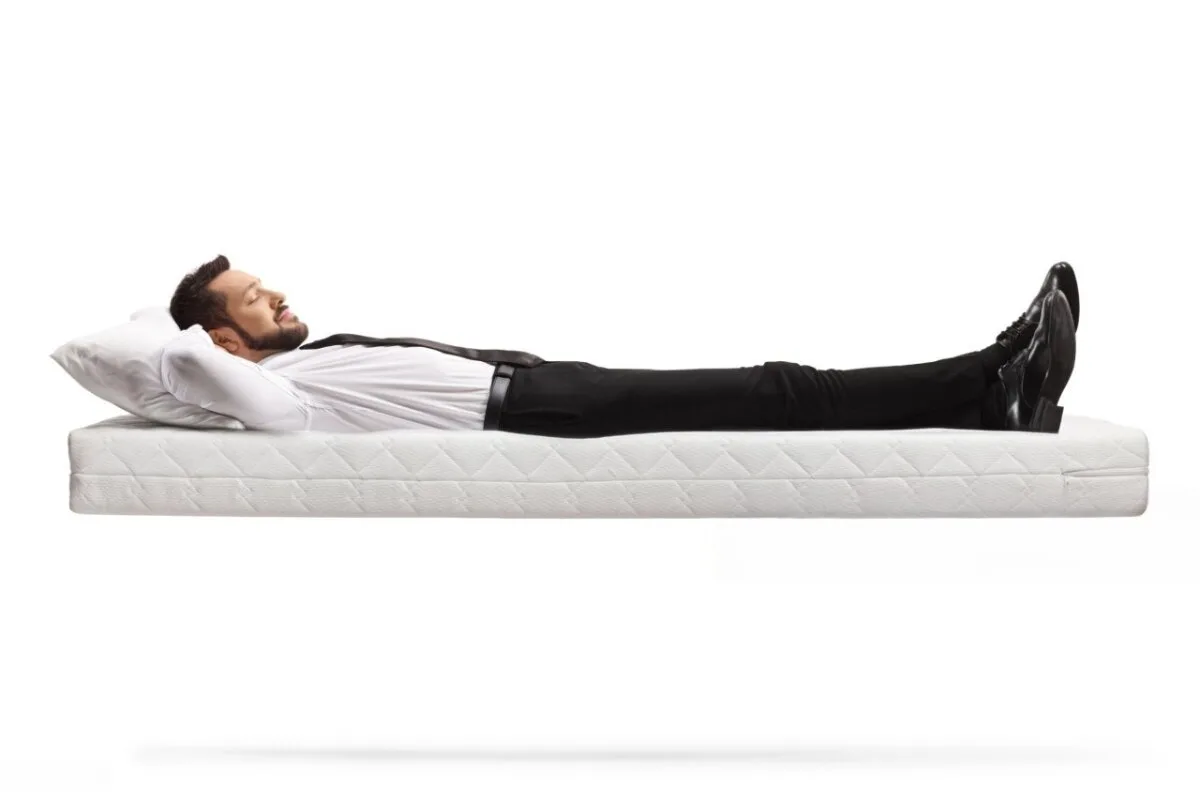
What Do Back Sleepers Need From A Mattress?
Back sleepers have a flatter body profile when lying down, so the lower back needs proper support. If a mattress is too soft, the hips sink and the spine bends unnaturally. If it’s too firm, the lower back doesn’t get enough support, which can cause stiffness or soreness. Back sleepers should pay attention to the factors that improve sleep quality, including what should back sleepers be aware of for better sleep, how should back sleepers sleep, and what should back sleepers sleep on.
A mattress with a softer layer on top, about two inches, can help relieve pressure. It should also prevent the hips from sinking too far. This combination helps the spine stay in its natural curve. Keeping the spine aligned reduces back pain and can improve sleep quality. Support in the right areas matters more than overall firmness. Choosing a mattress that balances these needs is key for back sleepers.
The Difference Between Medium And Firm Mattresses
A medium mattress balances softness and firmness. It supports the body without letting it sink too far. Most medium mattresses fall between 5 and 6.5 on the firmness scale. Firm mattresses are stiffer, usually rated 7 to 8.5. They give more resistance, so you feel like you’re sleeping on the mattress instead of in it. This can be better for those who prefer less sink.
Back sleepers usually benefit from a medium-firm mattress. It supports the spine, fills the lower back gap, and reduces pressure on hips and shoulders. This can help keep the body more comfortable overnight.
Signs Your Mattress Is Too Soft Or Too Firm
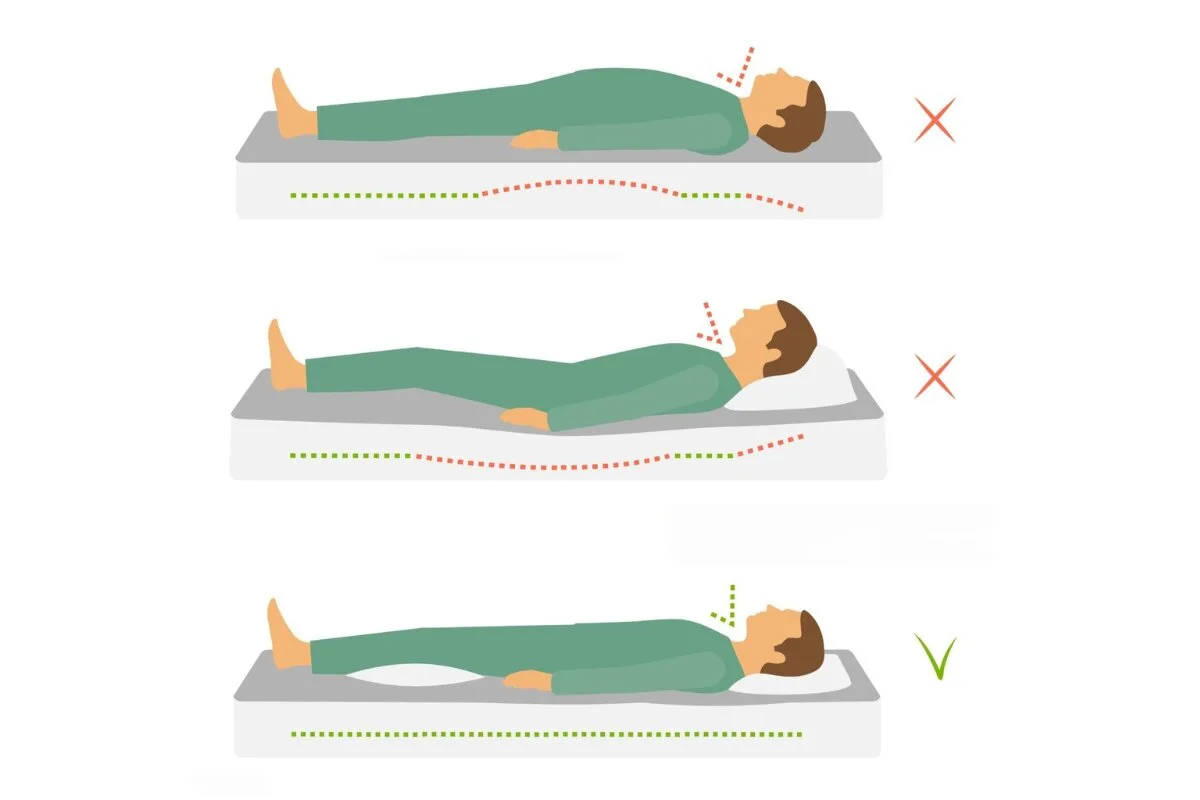
A mattress that is too soft can cause your hips to sink lower than your shoulders. This can leave your lower back feeling sore or unsupported. You might wake up stiff or achy and notice tension in your body. A mattress that is too firm can press hard under your shoulders or butt. It can also leave a gap under your lower back. The surface may feel hard and not contour to your shape, making it uncomfortable to sleep.
Pay attention to your body’s signals. If you wake up with pain or toss and turn at night, your mattress may not be the right firmness. Adjusting it could help you sleep more comfortably.

How Body Weight Affects Firmness Choice
Body weight affects how a mattress feels. Heavier people over 230 lbs sink more, so a firmer mattress can give better support. Lighter people under 130 lbs might find the same mattress too hard. Firmness is relative. One person’s medium could feel firm to someone else. It depends on how much the mattress compresses under their weight and how their spine lines up.
Choosing a mattress isn’t one-size-fits-all. Support and comfort change with weight. The key is picking something that keeps the body balanced while sleeping.
Why Spinal Alignment Is Important
Spinal alignment is crucial for back sleepers. When the spine keeps its natural curve, muscles can relax. This helps avoid waking up with aches or tension. If the hips sink too much, the lower spine can bend downward. That often leads to back pain. And if the upper back is raised too high, the spine curves the wrong way.
A mattress should support the lower back without letting the hips drop too far. Even support along the spine matters. This keeps the body balanced and comfortable through the night.
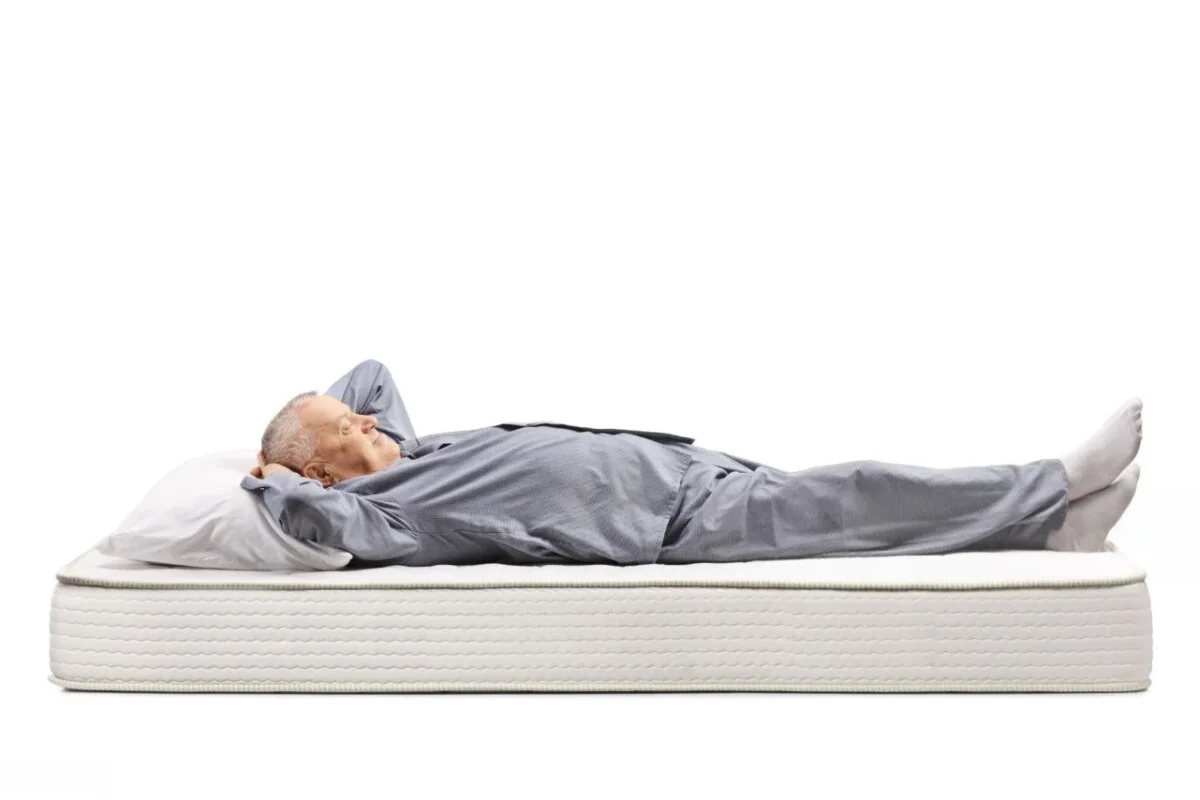
What Mattress Materials Work Best For Back Sleepers?
Back sleepers need a mattress that keeps the spine in a natural position. Latex provides gentle contouring and responds to movement. Memory foam eases pressure but needs a strong base to prevent sinking. Pocketed coils support specific areas and help with airflow. Hybrids mix foam and coils, giving both comfort and structure. A good hybrid has a soft top layer with a firm core underneath.
The key is balance. A 2-inch comfort layer over a supportive core usually works best. It should stop the hips from sinking too much while still feeling comfortable.
What ILD Should You Look For?
ILD, or Indentation Load Deflection, shows how firm foam feels. Soft foam usually has an ILD between 14 and 22. Medium foam falls in the 23 to 32 range, while firm foam is 33 or higher. It helps to know these numbers before picking a mattress. Back sleepers tend to prefer a medium or medium-firm layer on top. This layer sits above a firmer core. The core keeps the spine supported and aligned through the night. A good combination prevents the hips or lower back from sinking too much.
Choosing the right ILD can prevent tension and discomfort. Too soft or too firm can create pressure points. A balanced setup helps the body rest evenly without strain. It also makes it easier to change positions without waking up.
Should You Consider Zoned Support?
Zoned mattresses have different firmness in specific areas. Shoulders might be softer, while hips are firmer. This design helps support the body in the right spots. It can feel more balanced than a uniform mattress.
Back sleepers with heavier hips or lower back needs benefit from zoned support. It can keep the spine neutral during sleep. It also helps prevent sagging in pressure points. This can reduce discomfort over the night. People with unusual body shapes or extra weight may notice a clearer difference. Zoned mattresses give targeted support where it’s needed. It can improve comfort for those areas. Many find it easier to wake up without stiffness.
Best Pillow Type For Back Sleepers
Back sleepers need more than a good mattress. The wrong pillow can strain the neck and shoulders. A medium-thickness pillow is usually best. It should feel comfortable without forcing the head forward. Proper height of pillow and thickness of mattress help support the head and spine and prevent back pain for back sleepers. It should support the natural curve of the neck. Pillows that are too high or too flat can cause discomfort. Proper support keeps the spine in line. Choosing the right material can also affect how well it holds up overnight.
A suitable pillow works with the mattress to reduce tension. It helps the body rest evenly through the night. This completes a simple support system for back sleepers. A pillow that maintains its shape adds consistent support for better sleep.
Final Thoughts
Choosing a mattress for back sleepers is about balance. The bed should support the spine without feeling too hard or too soft. Medium-firm mattresses usually provide support and comfort for most back sleepers. Everyone’s body is different, so the best choice can vary. Try different firmness levels before deciding. Ask about the materials inside the mattress. Quality foams and a simple, solid design make a noticeable difference. Testing the mattress in person can reveal how it really feels.
The right mattress can leave you feeling rested and aligned. Pay attention to how your body feels when you wake up. Small changes in firmness or materials can affect comfort and pain levels. Over time, the right mattress can reduce stiffness and improve sleep quality.