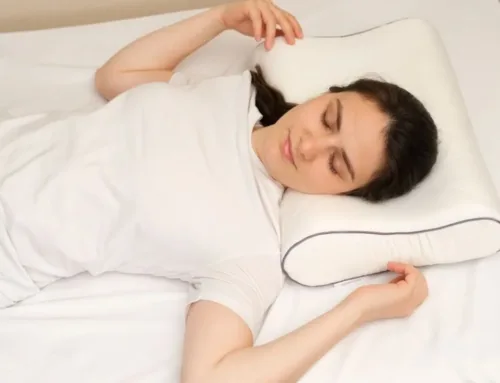

Back pain can keep someone awake for hours, especially when sleeping on the back. Mattress firmness affects how the body settles through the night. A surface that sinks too much can pull the hips down, while one that feels hard can stress the lower back.
To choose the right mattress for back sleepers, consider the type and firmness together, including whether a medium or firm mattress is better, and what firmness suits a back sleeper best. Back sleepers need even support from the head down to the hips. The spine should stay in a natural curve without forcing the body to shift. When that support is missing, muscles stay tight instead of relaxing.
Key Takeaways
- Back sleepers usually do best on a medium-firm or firm mattress that keeps the spine straight and neutral.
- The right firmness stops hips from sinking too far and reduces strain on the lower back.
- Mattresses that are too soft let the hips sink, which can misalign the spine, especially for heavier sleepers.
- Firm mattresses provide steady support, but very firm surfaces can create pressure points for some people.
- Medium-firm mattresses often balance support and comfort, keeping the back aligned without sinking too much.
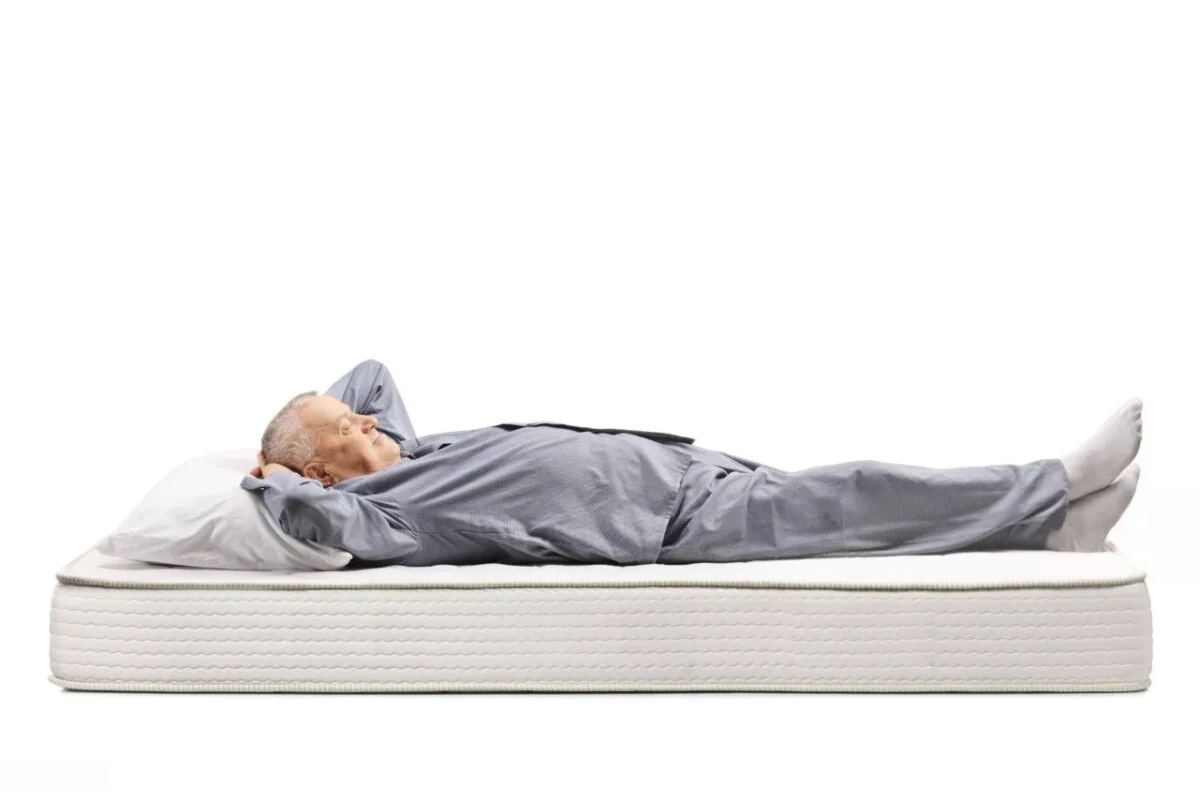
What Is Mattress Firmness?
Mattress firmness describes how soft or hard a bed feels when someone lies down. It is usually rated on a scale from 1 to 10. A lower number feels softer, while a higher number feels firmer.
For back sleepers, a medium to medium firm feel is usually a safe range. This sits around a 5 to 7 on the scale. It supports the hips and shoulders while keeping the spine in a straight, neutral position. If a mattress feels too soft, the body can sink too far. If it feels too firm, pressure can build in the lower back. The right firmness keeps the lower back supported through the night.
Why Back Sleepers Need Proper Support
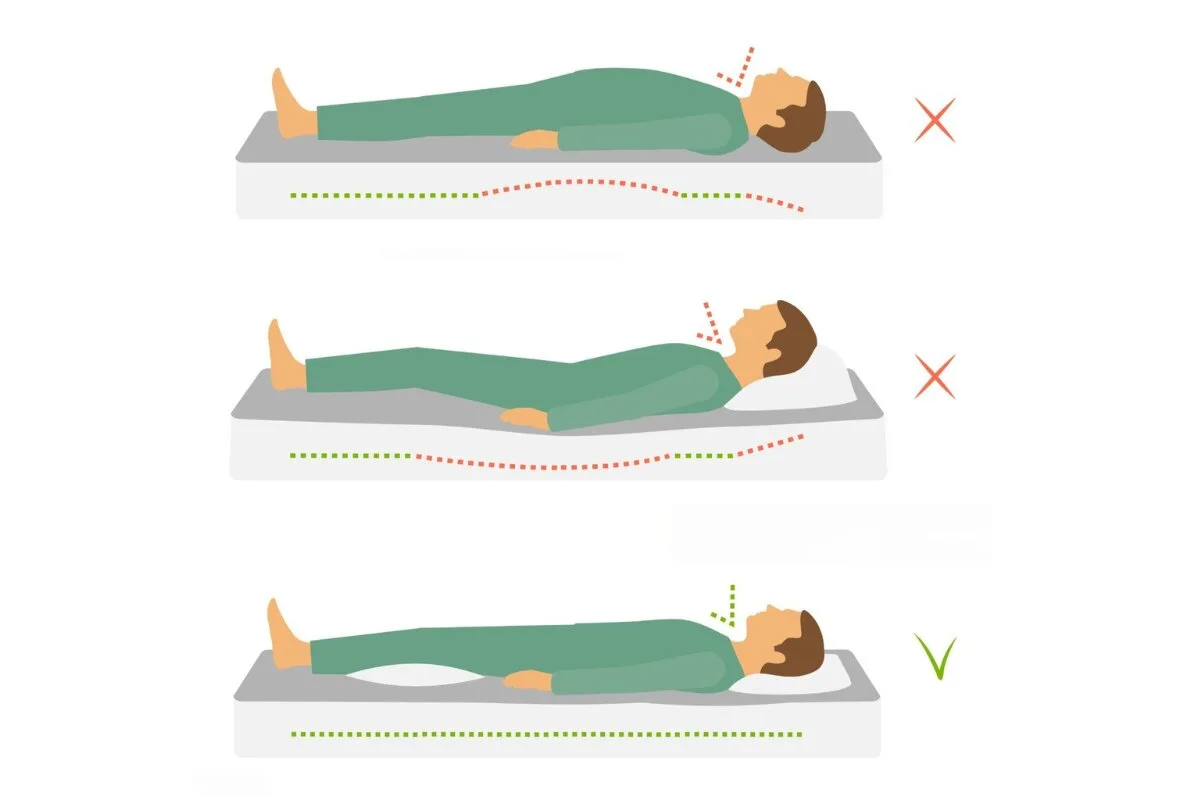
Back sleepers carry most of their weight in the hips and shoulders. If the mattress is too soft, the hips sink lower than the rest of the body. This pulls the spine out of its natural shape and can lead to lower back pain. Proper support and positioning are essential, including maintaining correct sleeping posture, preventing back pain for back sleepers, and selecting the right mattress thickness for back sleepers.
A mattress that feels too firm can cause its own problems. Instead of supporting the back, it can press against it. This pressure can build around the tailbone or shoulder blades during the night. Proper support keeps the body level from shoulders to hips. The mattress should hold the spine in a neutral position. It should support the body without sagging or pushing back too hard.
Do Body Weight And Shape Matter?
Body weight affects how a mattress feels. Lighter sleepers under 130 lbs may find firm mattresses too hard and prefer a softer, medium feel. Average sleepers between 130 and 230 lbs tend to do best on medium-firm beds. Heavier sleepers over 230 lbs need more support to avoid sinking too much. Firmer mattresses give the support their body needs. Without it, the bed can feel uncomfortable and uneven.
Body shape also plays a role. People who carry more weight in their hips need a mattress that prevents sinking. This helps keep the spine more level while sleeping.

Which Mattress Types Are Best For Back Sleepers?
Back sleepers need a mattress that supports the natural curve of the spine. Memory foam can be a good choice since it molds to the body and eases pressure points, but it should not be too soft. Latex foam is another option that offers bounce, support, and better airflow. Hybrid mattresses combine coils with foam or latex to give both support and comfort. They can suit back sleepers who need a balance between firmness and softness. Traditional innerspring mattresses are very supportive, though they can feel too firm if there isn’t enough padding.
Latex and hybrid options stand out for back sleepers because they provide support where it’s needed and comfort on top. They help keep the spine aligned while sleeping. Overall, choosing the right mattress type can prevent discomfort and improve sleep quality.
What Is The Best Mattress Firmness For Back Sleepers?
Back sleepers do best on a medium-firm mattress, usually around a 6 or 7 on the firmness scale. This level of support keeps the spine in a neutral position while giving some cushion for the shoulders and tailbone. It balances comfort and support without letting the body sink too much.
Lighter sleepers, under 130 pounds, can usually get by with a medium mattress. It gives enough support without feeling too hard. Heavier sleepers, over 230 pounds, might need a firmer option to prevent sagging and maintain alignment.
Finding the right firmness helps prevent back pain and keeps the body comfortable through the night. The goal is to support the spine evenly and avoid pressure points. Back sleepers should focus on how the mattress feels when lying flat and adjust based on body weight.
Pros And Cons Of Soft Mattresses For Back Sleepers
Soft mattresses feel plush and cozy the moment someone lies down, easing pressure on the shoulders and joints. They can be especially comfortable for lightweight back sleepers who don’t need extra support. At first, they often feel like a perfect fit for a restful night. The downside comes with support. Hips can sink too far into a soft mattress, which can pull the spine out of alignment. This issue becomes more noticeable for heavier sleepers, making the mattress less practical over time.
People over 230 pounds may find soft mattresses unsuitable. The initial comfort can fade as the night goes on, leaving the back unsupported. What feels great at first may not provide proper support by morning.
Pros And Cons Of Firm Mattresses For Back Sleepers
Firm mattresses provide strong support for the hips and spine, helping back sleepers stay aligned during the night. They prevent sagging and dips that can strain the back, which is especially useful for heavier individuals. Overall, they give a steady, stable feel while sleeping. Some sleepers may find firm mattresses too hard. Pressure can build up around the shoulders and other points, causing discomfort. They don’t contour to the body much, so the surface can feel rigid.
If a mattress is too firm, it can feel almost like lying on a board. It keeps the back straight, but without soft layers, tossing and turning can happen. Finding the right balance within comfort and firmness is key.
Common Mistakes Back Sleepers Should Avoid
Back sleepers sometimes pick mattresses that are too soft. This can make the hips sink and the lower back curve too much. A mattress that is too firm can also be a problem, creating pressure points in the shoulders and back. It helps to lie down flat during a trial period and check spinal alignment. If the hips dip or the shoulders feel tense, the mattress isn’t suitable. Body weight should be considered when choosing firmness to avoid discomfort.
Edge support and the mattress’s core strength are easy to overlook. Weak edges can make getting in and out of bed harder. Testing these features ensures the mattress supports the body evenly. Proper pillow height, awareness of sleep habits for better rest, and choosing the right sleeping surface also contribute to overall comfort and spinal support.
Signs You Need A New Mattress
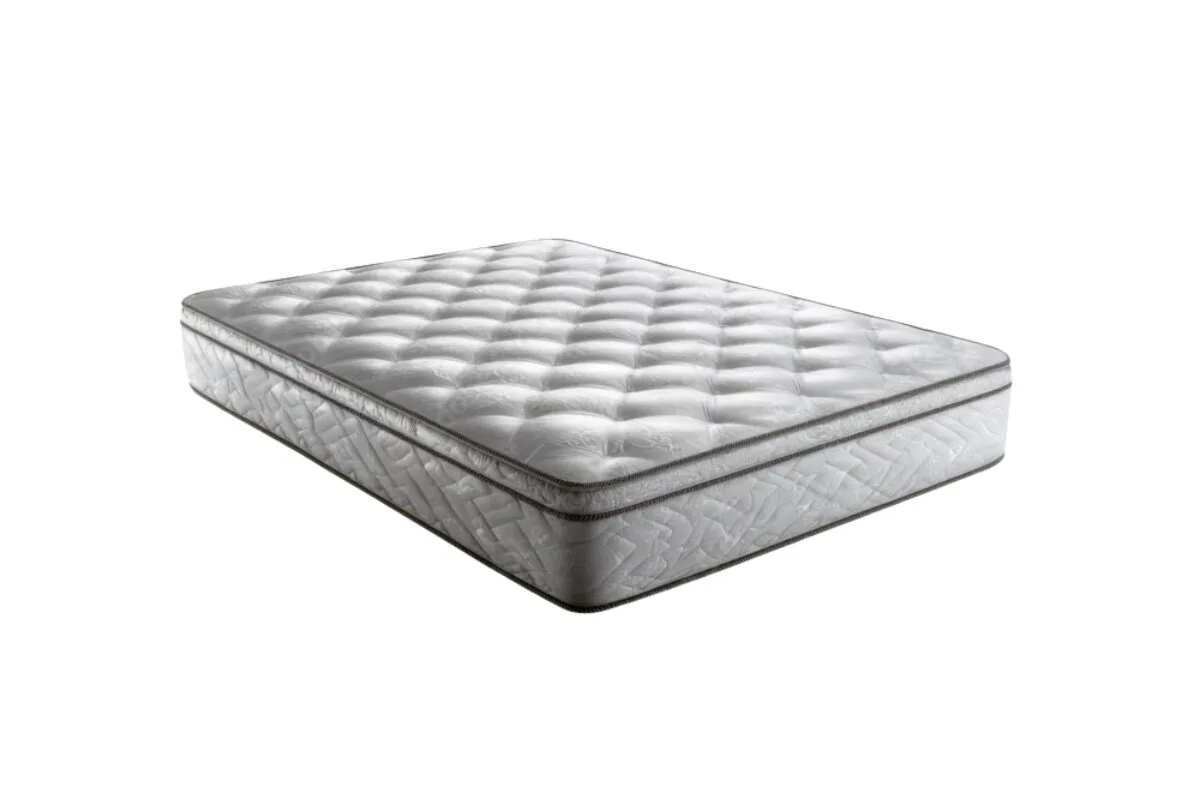
Waking up with back pain or stiffness can signal a mattress is no longer supporting the body properly. Tossing and turning through the night is another sign the mattress isn’t comfortable. Uneven or saggy spots can make it hard to rest.
Mattresses over 7–10 years old can lose support and shape, even if they look fine. Feeling better on a couch or at a hotel suggests the mattress at home isn’t doing its job. These signs show the body isn’t getting proper rest. Replacing a mattress can improve sleep quality and reduce discomfort. It helps the spine stay supported and eases pressure points. Checking for these signs regularly can prevent long-term issues.
Final Thoughts
Choosing between a soft or firm mattress for back sleepers isn’t simple. It depends on your body more than the mattress label. What feels right can vary from person to person. Back sleepers need support for the spine, hips, and pressure points like shoulders and tailbone. A medium-firm mattress usually balances comfort and support. It keeps you from sinking too much while still feeling gentle enough to relax.
There’s no single answer for everyone. Your weight, shape, and sleep habits affect what firmness suits you. Starting with medium-firm can help, and paying attention to your body will guide you to the right choice.