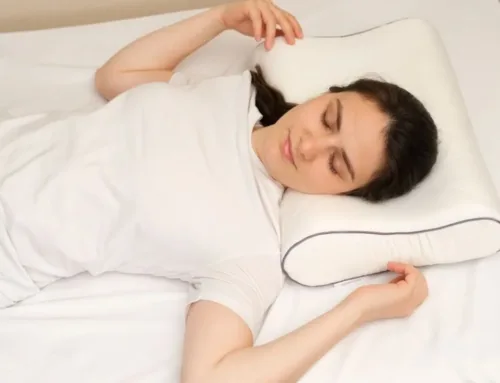

A combination sleeper moves a lot during the night, shifting between back, side, and stomach positions. Not every mattress can handle this. Some feel fine when you lie still but get uncomfortable once you roll over. The best firmness for combination sleepers, soft or firm choices, and medium or firm mattresses all contribute to a restful night. Certain mattresses are better for combination sleepers. They support your back, relieve pressure on your sides, and keep your hips from sinking on your stomach. This way, you can move freely without waking up sore.
It helps to know what to look for in a mattress and what to avoid. Choosing the right one can make sleeping in any position easier. Understanding these basics can improve your rest night after night.
Key Takeaways
- Combination sleepers move around a lot at night, so a mattress must balance comfort and support to feel good in every sleeping position without tossing and turning.
- The ideal firmness for most combo sleepers is medium to medium‑firm — it’s soft enough to cushion shoulders and hips yet firm enough to keep your spine aligned.
- Mattresses made of latex, hybrid coils, or responsive memory foam are best because they adjust quickly as you change positions and make turning over easier.
- Too soft or too firm mattresses can cause discomfort — soft beds may let your hips sink too far, and very firm ones can press on shoulders when lying on your side.
- Extras like cooling materials and strong edge support help combo sleepers stay comfy all over the mattress and maintain an even sleep temperature.

Why Mattress Choice Is Important For Combination Sleepers
Combination sleepers need a mattress that adjusts to their movements. A mattress that is too firm can press on shoulders and hips when lying on the side. Too soft, and the lower back may sink when sleeping on the back or stomach. A good mattress for combination sleepers supports the spine in any position. It responds quickly when changing positions so the body doesn’t feel stuck. It also eases pressure on the hips, shoulders, and lower back.
Comfort and support should work together throughout the night. You need a surface that allows movement without causing pain. The right mattress helps you rest without constantly shifting.
Best Mattress Types For Combination Sleepers
- Latex Mattresses – They are responsive and supportive. Easy to move around on. They also hold their shape well over time.
- Hybrid Mattresses – Mix foam and coils. Give bounce and pressure relief. They can suit both back and side sleepers.
- Memory Foam (Responsive) – Newer memory foams respond faster. Traditional ones can feel too slow. They contour to the body without sinking too much.
Avoid ultra-plush or extra-firm mattresses. They don’t give the balance needed for different sleep positions.
Want a mattress that supports comfort, movement, and intimacy? See our guide to the best mattresses for sex and compare options for responsiveness, support, edge stability, and cooling.
Why Responsiveness Is Important
A responsive mattress changes with your movements. When you shift positions, it adjusts to your body quickly. This helps you stay comfortable and reduces waking up at night. Materials that respond well include natural latex, hybrid coil systems, and high-resiliency foam. They bounce back fast and follow your body’s shape. Older memory foams take longer to adjust, which can feel stiff or slow.
Choosing a responsive mattress is important if you move a lot while sleeping. It keeps pressure points from building up and supports different positions. This ensures combination sleepers sleep for optimal comfort and thick mattresses provide proper support for all positions, keeping the body aligned and comfortable throughout the night.

Medium Firmness
Combination sleepers usually do best with a mattress that is medium to medium-firm. It gives enough softness to support the sides of the body when lying on the side. At the same time, it is firm enough to keep the hips and back aligned when lying on the back or stomach. This level of firmness helps prevent pressure points while still providing support. It allows the body to shift positions without feeling too sunk in or too stiff. That balance is what combination sleepers need to stay comfortable through the night.
A medium-firm mattress can adapt to different sleeping positions. It cushions the shoulders and hips while keeping the spine in line. For those who move a lot in their sleep, it gives both support and flexibility without causing discomfort.
Pressure Relief For Side Sleeping
Side sleepers put a lot of pressure on their shoulders and hips. A mattress that is too firm can cause pain and reduce blood flow. Choosing the right comfort layer can help prevent these issues.
Materials like latex, gel-infused memory foam, and high-density polyfoam provide support while easing pressure. They allow the body to sink just enough without feeling stuck. This helps the shoulders and hips rest more comfortably. A mattress with these layers can make sleeping on the side less painful. It keeps the body aligned and reduces tossing at night. And that’s why selecting the right material matters for side sleepers.

Spinal Support For Back And Stomach Sleepers
Back and stomach sleepers need strong support around the lower back and hips. Without it, the hips can sink too much, causing the spine to bend and creating back pain. Choosing the right mattress core can help prevent this. Ensuring proper spinal alignment and support is essential for combination sleepers, and they should be aware for better rest and focus on the right surfaces to sleep on to prevent back pain.
Support cores can include firmer zones in the middle, dense latex foam, or thick polyfoam layers. These materials give different areas of the body the support they need. They help the spine stay straight while sleeping. A mattress with proper support keeps the body balanced in every position. It reduces strain on the back and helps sleepers stay comfortable. And it can make a noticeable difference in how rested someone feels in the morning.
Cooling Features For Restful Sleep
Combination sleepers move around a lot during the night, which can raise body heat and make it hard to stay comfortable. Cooling features in a mattress help keep the temperature steady and reduce tossing and turning.
Materials like breathable covers, gel memory foam, perforated latex, and coil systems that allow airflow can help with temperature control. These features let air move through the mattress and prevent heat from building up. Sleeping cooler can help people stay asleep longer, even when changing positions multiple times. It supports a more consistent rest and can make waking up less disruptive.
Edge Support
Good edge support keeps a mattress firm all the way to the sides. This is important for people who change positions in their sleep and don’t always stay in the center. A mattress with weak edges can feel like it dips when you lie near the edge.
Mattresses with reinforced foam or strong perimeter coils usually handle weight better along the sides. These features help the edges hold up and prevent sagging. You can use the full surface of the mattress without worrying about falling off. And that’s helpful for combination sleepers who move around at night. Strong edges give a consistent feel no matter where you lie. It also adds stability when sitting on the side of the bed.
What To Avoid As A Combination Sleeper
Combination sleepers need a mattress that lets them move easily at night. Mattresses that are too slow to respond, like traditional memory foam, can trap the body and make shifting positions difficult. This can lead to discomfort and poor spinal alignment.
Mattresses without bounce or support zones can cause uneven pressure on the body. Without proper support, hips or shoulders may sink too much, which can create aches and stiffness. A mattress should help the body stay balanced in different positions. Ultra-soft mattresses are also a problem for combination sleepers. If the surface is too soft, it can be hard to change positions during the night. Choosing something with a firmer feel or zoned support helps keep the spine aligned and allows easier movement.
Final Thoughts
Finding a mattress as a combination sleeper isn’t that challenging. Whether you sleep on your back, side, or stomach, the bed should support you without feeling too soft or too hard. A medium or medium-firm mattress usually fits the bill. Materials like latex or hybrid coils let you shift positions easily. It should also give pressure relief and keep your spine supported no matter how you sleep.
You don’t have to buy the most expensive mattress to get it right. Focus on solid materials and a simple design. With the right choice, you can rest easy and stop worrying about whether your mattress will suit you.