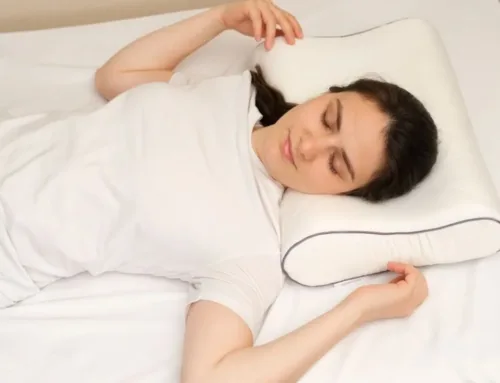

Back sleepers need a mattress that supports the spine and keeps it aligned. A mattress that is too soft or too firm can cause lower back pain or restless nights. The right mattress can help them sleep more comfortably and wake up without stiffness. Mattress firmness is important, as well as considerations of medium or firm support, optimal firmness for back sleepers, balancing soft and firm comfort, and awareness of key factors for better sleep.
Choosing a mattress for back sleeping means paying attention to firmness and support. Different types of mattresses offer varying levels of comfort and durability. Knowing what to look for can make it easier to find a mattress that fits your needs.
Key Takeaways
- Back sleepers need a medium‑firm to firm mattress to keep their spine straight and prevent hips from sinking.
- Aim for a firmness around 6–8/10 to support your lower back without being too soft.
- Latex, hybrid, or memory foam mattresses can give the right mix of support and comfort.
- Avoid very soft pillow‑tops that let your hips sink and strain your back.
- Placing a thin pillow under your hips can help keep your spine aligned and ease morning stiffness.

What Mattress Firmness Is Best For Back Sleepers
Back sleepers usually need a mattress that’s medium-firm to firm. This level keeps the spine straight and stops the body from sinking too much. When hips and shoulders stay level, it reduces pressure on the lower back.
A firmness rating around 6 to 8 out of 10 is a good range. Medium-firm provides some cushion but still supports the body. Firmer mattresses give extra support and prevent the lower back from sagging. Very soft mattresses are not ideal for back sleepers. They allow the hips to sink and misalign the spine. Choosing the right firmness can help avoid morning aches and maintain better posture while sleeping.
What Kind Of Mattress For Back Sleepers
Back sleepers do best with mattresses that support the spine. Latex, memory foam, and hybrid mattresses are the main options. Each type feels different and offers different support. Choosing the right one can help prevent morning aches. The focus should be on what back sleepers sleep on and the thickness of the mattress for back sleepers, and the height of the pillow for back sleepers.
Latex mattresses are firm but springy. They let air flow and help keep the back aligned. Memory foam hugs the body and can feel softer around the curves. They also reduce pressure on the shoulders and hips. Hybrid mattresses combine coils with foam or latex layers. They give solid support and a bit of pressure relief. Back sleepers can pick one depending on how firm or soft they like it. These mattresses balance support and comfort for most people.
What Mattress Is Best For Back And Side Sleepers
People who sleep on their back and side need a mattress that balances support and comfort. Medium firmness is usually best, with softer spots for the hips and shoulders. This helps reduce pressure while keeping the spine aligned. Choosing the right mattress can improve how you feel in the morning.
A zoned hybrid mattress can be a good choice. It is firmer in the middle and softer on the edges. This design helps the back stay supported while the sides get gentle cushioning. Many people find this style makes switching positions easier during the night. Memory foam or latex hybrids also suit back and side sleepers. They hold the body evenly and offer some give where it’s needed. And that support can make changing positions during the night easier. These materials also last longer and keep their shape over time.

Zoned Support Mattresses For Back Sleepers
Zoned mattresses have areas with different firmness. For back sleepers, this can help with support. A firmer middle section holds up the lower back, while softer areas cushion the shoulders and legs. And it can make lying on your back feel more natural. This design helps keep the spine straight and reduces pressure. Latex and hybrid mattresses often use these zones for better support. People with back pain may find relief using this type of mattress. It can also help prevent stiffness in the morning.
It is not a cure-all, but it can improve comfort while sleeping on your back. Choosing the right mattress still depends on your body and preferences. Testing different options is the best way to see what feels right. And paying attention to how your back feels can guide your choice.
Why Spinal Alignment Is Important For Back Sleepers
Spinal alignment means the spine stays in its natural curve while sleeping. Back sleepers need support for the head, shoulders, hips, and lower back. Proper support helps the body rest evenly. Without it, the body can tense up during the night. If the hips sink or the lower back arches, it can make it hard to sleep through the night. A level surface reduces strain and discomfort. Over time, poor alignment may lead to chronic back problems. Preventing back pain for back sleepers and maintaining the ideal sleeping position ensures a more restful and uninterrupted night.
Choosing a mattress that keeps the spine neutral is important. It helps prevent aches and stiffness in the morning. And it lets sleepers rest without interruptions. A good mattress can also improve overall sleep quality.

Pros And Cons Of Memory Foam For Back Sleepers
Memory foam hugs the body, especially around the hips and shoulders. It can reduce pressure in these areas and helps keep the spine aligned. Back sleepers may notice less discomfort in sensitive spots. Many people find it comfortable for long nights. The material also limits motion transfer. This means if a partner moves at night, it’s less likely to disturb sleep. That can be useful for light sleepers or couples. It can make sharing a bed easier.
But memory foam can feel too soft if it’s not dense enough. Some versions trap heat, which can be uncomfortable. Choosing a medium-firm option with cooling features can help avoid this. It’s important to test the mattress before committing.
Latex Vs Hybrid: Which Is Better For Back Sleepers?
Latex and hybrid mattresses both suit back sleepers, but they feel different. Latex is bouncy and responsive. It lifts the body instead of letting it sink, and it usually lasts a long time. Many people also like that it stays cool through the night. Hybrids mix support coils with soft comfort layers. They give structure and softness at the same time. They usually have better edge support and airflow. People who are heavier or need extra lumbar support may prefer hybrids.
Choosing between them depends on what you need. Latex works if you want a springy, durable feel. Hybrids fit if you like a mix of support and softness. And it’s worth trying both to see which feels right for your back.
What Kind Of Mattress Is Best For Back Sleepers With Back Pain
Back sleepers with back pain need a mattress that supports the spine properly. Beds that are too soft don’t hold the lower back, while very firm beds can feel hard on the hips and shoulders. Zoned support or lumbar-targeted areas can help keep the spine aligned. Choosing the right mattress is important for getting consistent, restful sleep.
A medium-firm to firm mattress is usually best. High-density foam or responsive latex gives support without letting the body sink too much. Look for durable materials that resist sagging over time. These options can help maintain proper posture while lying down. Choosing the right mattress can reduce pain and make sleep more comfortable. Proper support helps the body rest and recover overnight. And over time, a supportive bed can help prevent stiffness and soreness. A well-chosen mattress can also improve overall sleep quality.

Do Back Sleepers Need A Pillow-Top Mattress?
Back sleepers don’t always benefit from a pillow-top mattress. Some pillow-tops are too soft and let the hips sink, which can strain the spine. This can lead to discomfort over time. A mattress that doesn’t support the lower back can make mornings painful. If someone likes a pillow-top feel, a firmer mattress with a thin pillow-top is better. It keeps the spine supported while still adding a soft layer. That way, the plush surface doesn’t cause pain. It also prevents the body from sinking too much in the middle.
Choosing the right mattress is about balance. Too soft can be harmful, too firm can feel harsh. A thin pillow-top on a firm base gives comfort and support for back sleepers. This combination helps maintain proper posture throughout the night.
Final Thoughts
Back sleepers need a mattress that supports their spine. The right firmness can prevent morning aches and help the body rest properly. Comfort alone isn’t enough. Choosing the wrong mattress can leave you tossing and turning all night.
A medium-firm to firm mattress is usually best. Materials like memory foam, latex, or hybrids give support without sagging. Extra lumbar or zoned support keeps the spine aligned. These options help reduce pressure points and keep your posture natural. If you switch to your side sometimes, look for pressure relief in the shoulders and hips. Pick a mattress that holds your body evenly. Good sleep starts with a bed that truly supports your back. A well-chosen mattress can make getting out of bed easier and less painful.