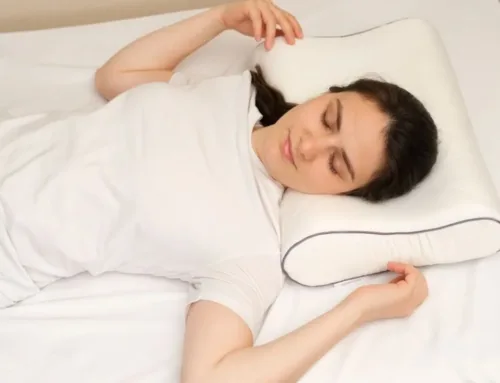

Stomach sleepers know the pain of waking up sore. A tight neck, aching back, or stiff hips can start the day off wrong. Sleeping face down puts extra strain on the spine and pulls the body out of line.
Many beds are sold as soft and plush. That sounds nice, but it is not ideal for stomach sleepers. They need steady support to keep the hips from sinking too low and the spine from bending overnight. The right mattress can ease pressure and support better sleep. It is not about trends or fancy features. The best results come from choosing the type of mattress for stomach sleepers, the right firmness, a plush mattress for stomach sleepers when appropriate, and the best pillow firmness for stomach sleepers.
Key Takeaways
- Sleeping on your stomach can lead to back and neck pain, so a firm mattress helps keep your spine straight.
- Medium‑firm or firm mattresses support your hips and reduce lower back strain.
- Latex, hybrid, or firm foam beds provide steady support and prevent your pelvis from sinking.
- Soft mattresses and thick pillow tops let your body sink, which harms spinal alignment.
- A thin pillow or none, plus a flat pillow under the hips, can reduce morning stiffness.

Why Sleeping on Your Stomach Can Hurt Your Back
Sleeping on the stomach puts pressure in the wrong places. Most of the body weight sinks into the middle of the mattress, which can pull the lower back out of line. Over time, this position can lead to soreness that shows up when the person gets out of bed. The neck also takes strain during stomach sleeping. The head has to turn to one side to allow breathing, and that twist stays in place for hours. By morning, this can leave the neck tight, stiff, or painful.
Reducing stress on the body requires proper back pain prevention, optimal comfort and support for stomach sleepers, and awareness of posture and alignment. A firmer mattress can help keep the hips from sinking too far. Using a very thin pillow, or skipping one, can help keep the neck in a more neutral position.
The Best Mattress Firmness for Stomach Sleepers
Stomach sleepers do best on a firm or medium-firm mattress. The surface needs to hold the hips and stomach up. This keeps the spine closer to a straight line during the night. When support is lacking, the lower back takes the hit.
A mattress that is too soft can feel nice at first. Over time, the middle of the body sinks in. That bend in the spine can lead to soreness or stiffness. Some people notice it when they wake up, not right away. Body weight also affects how a mattress feels. People under 130 pounds may feel supported on a medium-firm bed. Those over 130 pounds usually need something firmer. Sleep position habits can change the feel as well.
Why Spine Alignment Is Important for Stomach Sleepers
Sleeping on the stomach can put stress on the spine. The spine naturally curves, and lying face down can flatten or twist it. A soft or uneven mattress can make this worse. Many people don’t realize how much their mattress affects their back.
A mattress that supports the body helps keep the spine in its normal position. This support can reduce strain on the neck and lower back. Waking up sore may be a sign the mattress isn’t doing its job. Choosing the right firmness can make a noticeable difference. When the spine stays aligned, the body feels less tension. This can lead to more comfortable sleep at night. Paying attention to mattress support can help improve rest and reduce discomfort. Small adjustments, like a thin pillow under the hips, can help too.
What Types of Mattresses Are Best for Stomach Sleepers?
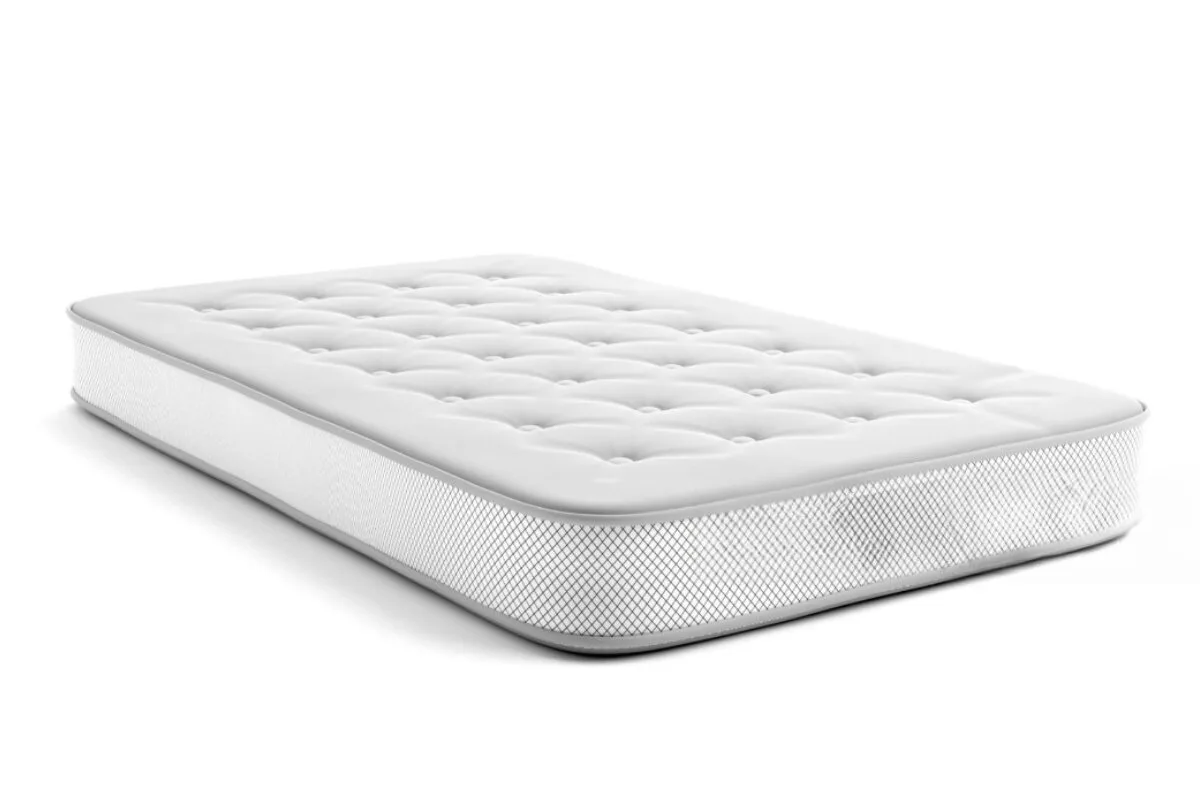
Stomach sleepers need a mattress that keeps the body lifted and steady. Too much sink can strain the lower back and neck. A firmer surface helps keep the spine in a straighter position during sleep.
Latex mattresses give firm support with a slight bounce and feel stable through the night. Hybrid mattresses use coils with foam or latex and provide solid support across the body. Innerspring mattresses are another good option since they hold the hips up instead of letting them drop. Foam mattresses require more care when choosing. High density foam with a firm feel can be acceptable, but soft memory foam can cause the hips to sink too low. Very plush beds and thick pillow tops may feel nice at first but are not a good choice for stomach sleepers.
Do Stomach Sleepers Need a Special Pillow?
Sleeping on your stomach can put extra pressure on your back. The spine naturally curves, and lying face down can flatten or twist it. A mattress that is too soft or uneven can make this worse. Many people don’t notice how much their mattress affects their body. A supportive mattress helps keep the spine in its natural shape. This can reduce strain on the neck and lower back. Waking up stiff or sore could mean your mattress isn’t providing enough support. Picking the right mattress firmness can make a real difference.
Keeping the spine aligned can make sleep more comfortable. Less tension in the back and neck can help you rest better. Even small changes, like adding a thin pillow under your hips, can improve comfort and reduce pain.

Best Sleeping Tips for Stomach Sleepers
Stomach sleepers can protect their bodies by making a few simple adjustments. Stretching in the morning can help ease tight muscles. A firm mattress that supports the hips and chest gives better alignment while sleeping. Choosing the right mattress firmness, thickness and deciding between a soft or firm mattress ensures proper support and comfort throughout the night. Adding a flat pillow under the pelvis can reduce pressure on the lower back. Keeping the legs straight instead of spreading them wide also helps maintain proper posture. These small steps reduce the strain that stomach sleeping puts on the body.
Paying attention to these details can make sleep more comfortable. They don’t take much effort but can prevent aches and stiffness. And over time, these habits can help the body feel less tense in the mornings.
What to Avoid When Choosing a Mattress
Stomach sleepers should avoid soft mattresses and pillow tops. These let the hips sink too much, which can cause back pain. Thick, lofty pillows also put extra strain on the neck overnight. Choosing the wrong mattress can make it hard to sleep through the night.
Name-brand beds with flashy features can be misleading. Some cost a lot but don’t offer real support. Foam-only mattresses under 1.8 lb density are another risk since they break down quickly. A higher price doesn’t always mean better comfort. It’s better to choose a solid, supportive mattress made from reliable materials. Focus on what keeps the body aligned. And don’t get distracted by marketing or fancy designs. Choosing the right mattress can help prevent aches in the long run.
Signs Your Mattress Isn’t Right for Stomach Sleeping
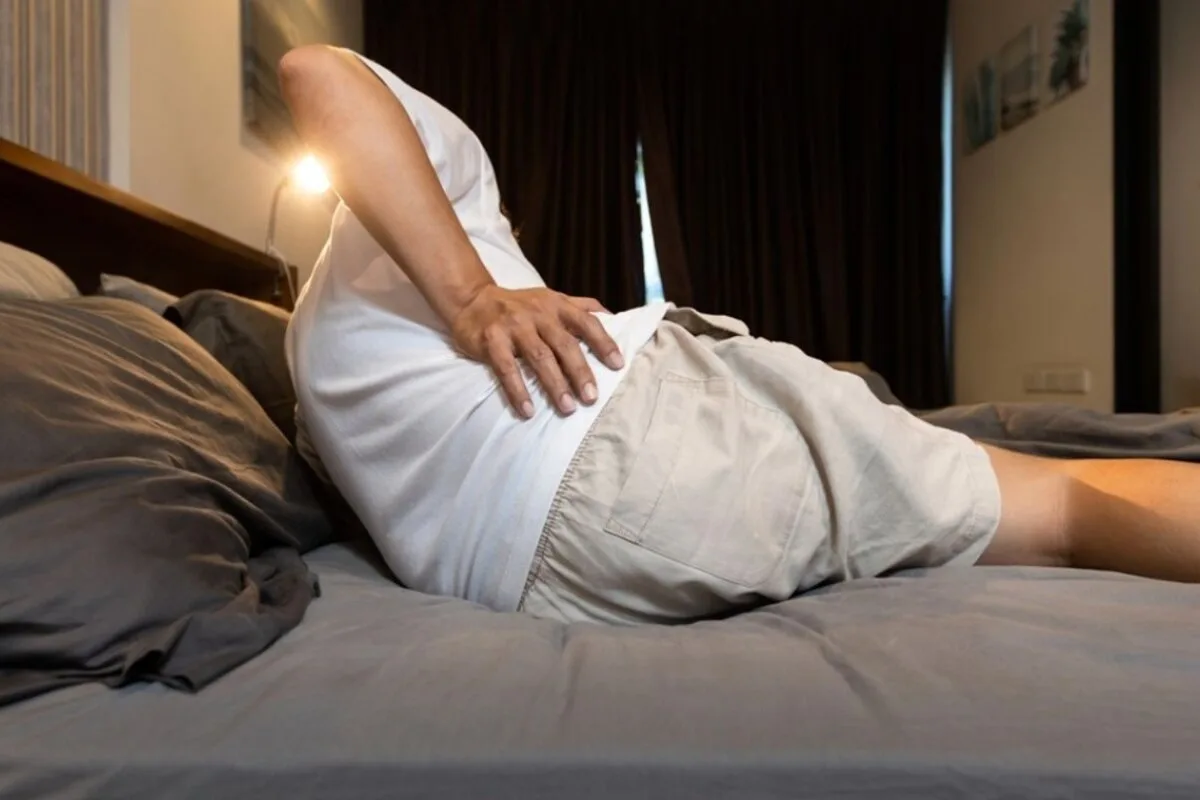
Stomach sleepers may notice discomfort in the morning. If lower back or hip pain shows up regularly, the mattress could be the cause. Pain like this is a clear signal that support is lacking. Even small aches can add up over time if the mattress isn’t right. Another sign is feeling like your stomach is sinking into the bed. This can make it hard to stay comfortable through the night. And if the mattress has visible dips or sags, it won’t support your body properly. A mattress that loses shape can affect how well you rest.
Tossing and turning a lot is also a warning. If you spend nights adjusting, the mattress isn’t helping you sleep. In these cases, it’s worth looking for a mattress that fits your sleeping style better. Finding the right mattress can help you wake up feeling more refreshed.
Should You Stop Sleeping on Your Stomach?
Sleeping on your stomach isn’t automatically bad, but it can cause discomfort. If you wake up with neck or back pain, trying a side or back position might help. A body pillow can guide your body to adjust to a new position. If changing how you sleep feels impossible, don’t stress. Some people just fall asleep easily on their stomach. In that case, the focus should be on support rather than forcing a switch.
Choosing the right mattress and pillow can reduce strain while stomach sleeping. Look for something that keeps your spine aligned. Small adjustments can make your sleep more comfortable without changing your habit completely.
Final Thoughts
Stomach sleepers should pick a mattress that stays firm and flat. Soft mattresses can sink too much and bend the spine in the wrong way. Thin pillows or no pillow at all help keep the neck and back comfortable. Everyone’s body is different, so it’s worth trying a few options before deciding. It’s not about brand names or what’s popular right now. What matters most is support for the body while sleeping. A mattress that keeps the body even can help reduce aches and improve rest. Small changes, like adjusting pillow height, can also make a noticeable difference.
Choosing the right mattress can change how mornings feel. Waking up without stiffness is possible with the right support. Stomach sleepers don’t have to wake up sore every day. Paying attention to firmness and body alignment can help sleep feel more natural.