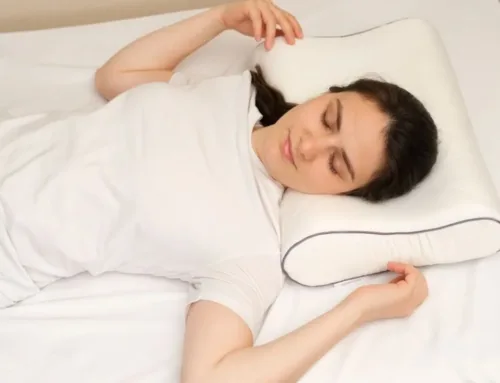

Buying a mattress can be tricky for heavier people. Many beds aren’t made to hold up under more weight. It helps to know what features actually matter. A mattress that isn’t strong enough can sag, cause back pain, and wear out fast. Strong support and durable materials help the mattress last. Some options are made specifically for heavier sleepers.
When choosing the right mattress for heavier bodies, it is important to consider the type and materials, including whether a memory foam mattress, a hybrid mattress, or a combination of memory foam and hybrid mattresses will provide the best support and comfort.
This guide will explain what to look for. It will show how to spot weak materials and marketing tricks. The goal is to find a mattress that keeps you supported and comfortable every night.
Key Takeaways
- A Queen mattress is a popular choice for couples because it provides a good balance of space, cost, and fit for most bedrooms.
- Couples who want more room to stretch out or sleep with pets may prefer the extra space a King mattress provides.
- A California King can be a better option for taller couples thanks to its additional length.
- A Split King allows each partner to choose a different firmness level, making it a practical choice for couples with different comfort preferences.
- Before selecting a mattress size, it is important to consider sleeping habits, budget, bedroom space, and whether children or pets share the bed.
Mattress Firmness For Heavy People
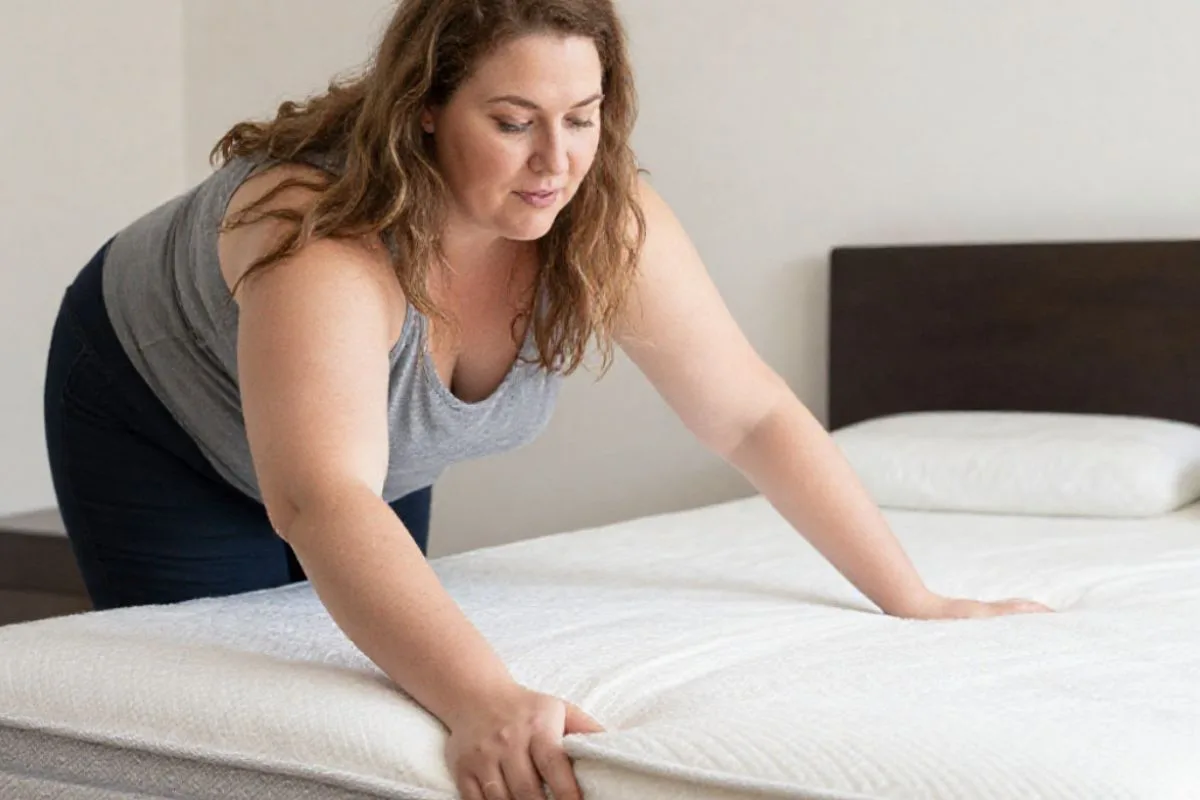
Firmness is very important for heavier people. A medium-firm to firm mattress usually supports the body better. Softer beds can let the body sink too much, which can strain the spine and pressure points. Choosing the right firmness can help prevent aches and improve sleep quality.
For heavier sleepers, the best mattress firmness combines the support of a firmer bed with comfort, showing that a firm or soft mattress and the need for a firmer mattress are essential in proper alignment and restful sleep. A firm mattress gives more pushback, which helps support the hips and shoulders. But firm doesn’t mean rock hard. The top layer should still give some cushion so the body doesn’t feel stiff. It should feel balanced, giving support without being uncomfortable.
Choosing a mattress is about balance. It should hold the body up while letting it rest comfortably. Heavier sleepers need support that lasts without sagging over time. Picking a mattress that matches your weight and sleeping style helps you sleep better every night.
Best Mattress For Plus-Size Sleepers
Latex and hybrid mattresses are good choices for plus-size sleepers. Latex is firm, lasts a long time, and allows air to flow. Hybrids combine coils for support with foam or latex on top, giving both comfort and strength. All-foam mattresses can be risky if they use low-quality materials. They tend to sag or lose support under heavier weight. Choosing dense foam or reinforced coils helps the bed last longer.
Support and durability matter more than softness. A mattress should hold weight without collapsing. Heavier sleepers need layers that cushion but still keep the spine aligned.
Need a mattress built for stronger support and long-term durability? Browse our plus-size mattress reviews to compare comfort, firmness, edge support, cooling, and overall value.
Mattress Thickness For Heavy People
Mattress thickness affects support more than appearance. People who weigh more need mattresses that are at least 12 inches thick. Thicker mattresses hold weight better and prevent sinking too much. Those who change positions while sleeping benefit from extra thickness. It gives the body room to move without losing support. The layers help keep the spine in a neutral position.
Thicker mattresses also last longer under heavier weight. Thin mattresses can sag quickly and cause discomfort. Choosing the right height helps maintain comfort over time.
Mattress Weight Capacity
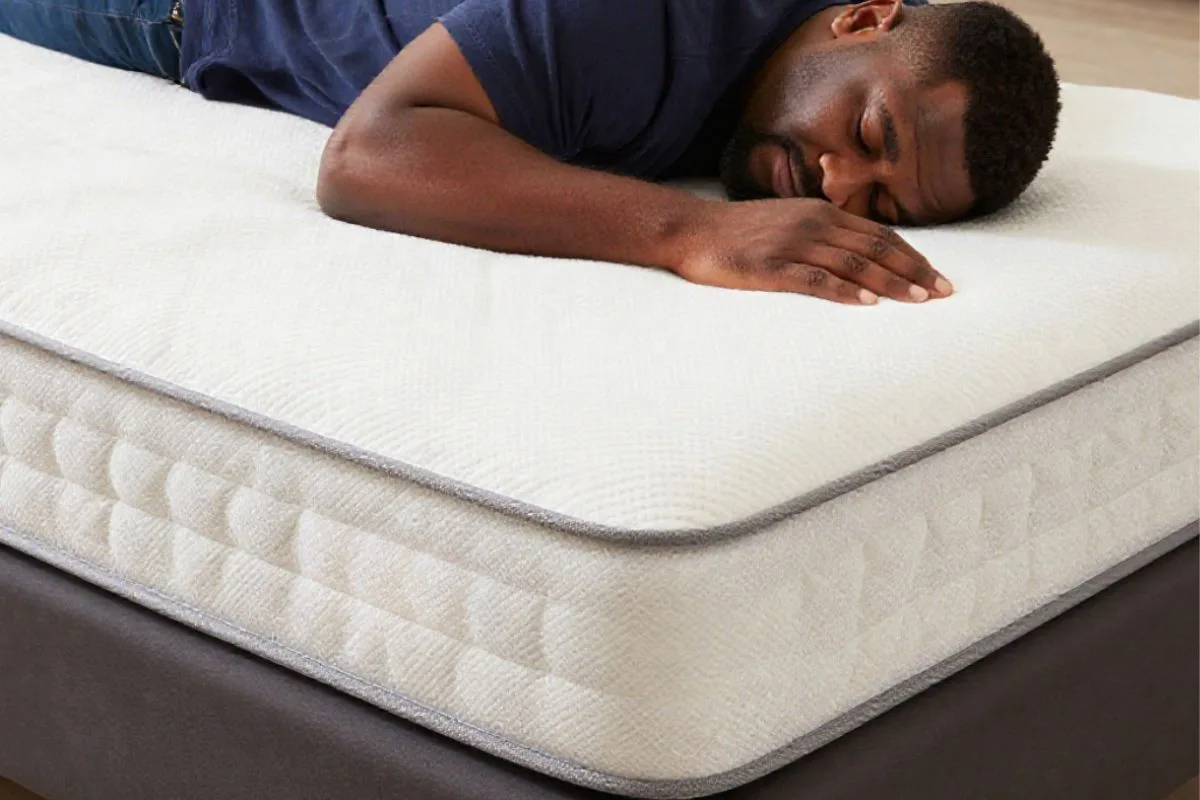
Not all mattresses can hold a lot of weight. Many have limits around 250 to 300 pounds per person. Heavier sleepers should look for models rated for 350 to 500 pounds. Choosing a mattress with the right support can save money in the long run.
Weight limits aren’t always easy to find. Sometimes you have to ask the seller or check the specs carefully. Ignoring this can lead to sagging and early wear. It’s better to confirm before buying than deal with problems later. If a mattress carries more weight than it’s built for, it won’t last. It may feel uncomfortable in just a few months. Choosing the right capacity helps it stay supportive and stable. Overloading a bed can also affect your sleep quality.
Trying to save without sacrificing comfort? Explore our guide to the best cheap mattresses and compare budget-friendly options for support, durability, and value.
Edge Support
Sleeping or sitting near the edge of a bed can be tricky without support. Beds that aren’t reinforced can sag, making people feel like they might slide off. Strong edges help keep the mattress stable. Heavier sleepers especially notice weak edges. Without reinforcement, the sides can collapse under weight. That can make the bed feel smaller and less comfortable.
Hybrid mattresses usually have better edge support. They often use stronger coils around the perimeter to hold shape. Foam-only beds can sink at the sides if they don’t have extra support.
Foam Density
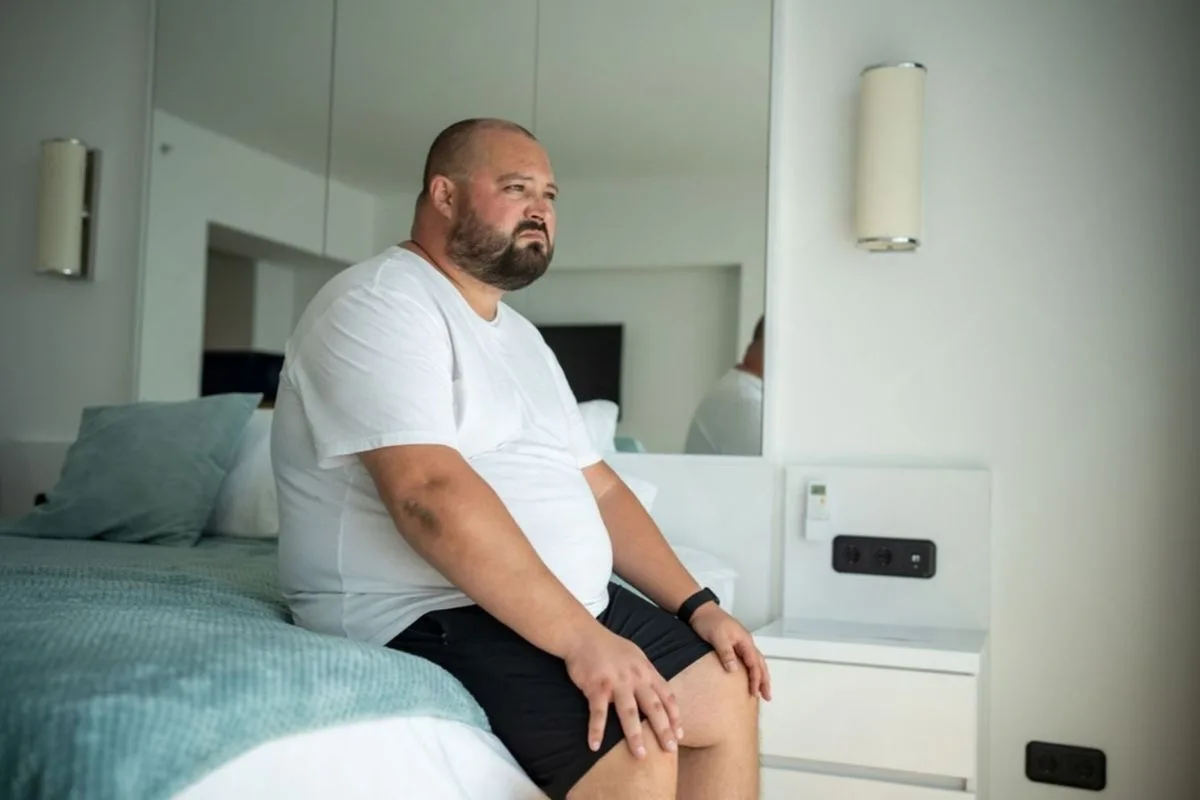
Foam density matters when picking a mattress. High-density (HD) and high-resilience (HR) foams last longer and hold their shape. For comfort layers, 1.8 lb/ft³ is the minimum, and 2.4 lb/ft³ or more is even better. These foams give a stable feel that doesn’t sag after a few months. Low-density foams wear out quickly, especially for heavier sleepers. They might feel soft and cozy at first. But over time, they lose support and start sagging. That can lead to aches and restless nights.
Choosing the right density helps a mattress stay comfortable for years. It keeps the spine supported and eases pressure points. Picking the wrong foam can make even a new mattress feel worn fast.
Motion Isolation
Sharing a bed can be tricky when one person moves a lot at night. Motion can travel across the mattress and disturb the other person. Choosing a bed that limits this movement is important.
Memory foam and latex are good at reducing motion. They absorb movement so you don’t feel your partner shift. This keeps sleep more restful for both people. Pocketed coil hybrids with a foam layer on top also help. They block motion before it spreads across the bed. This option gives support while keeping movement contained.
Spinal Alignment
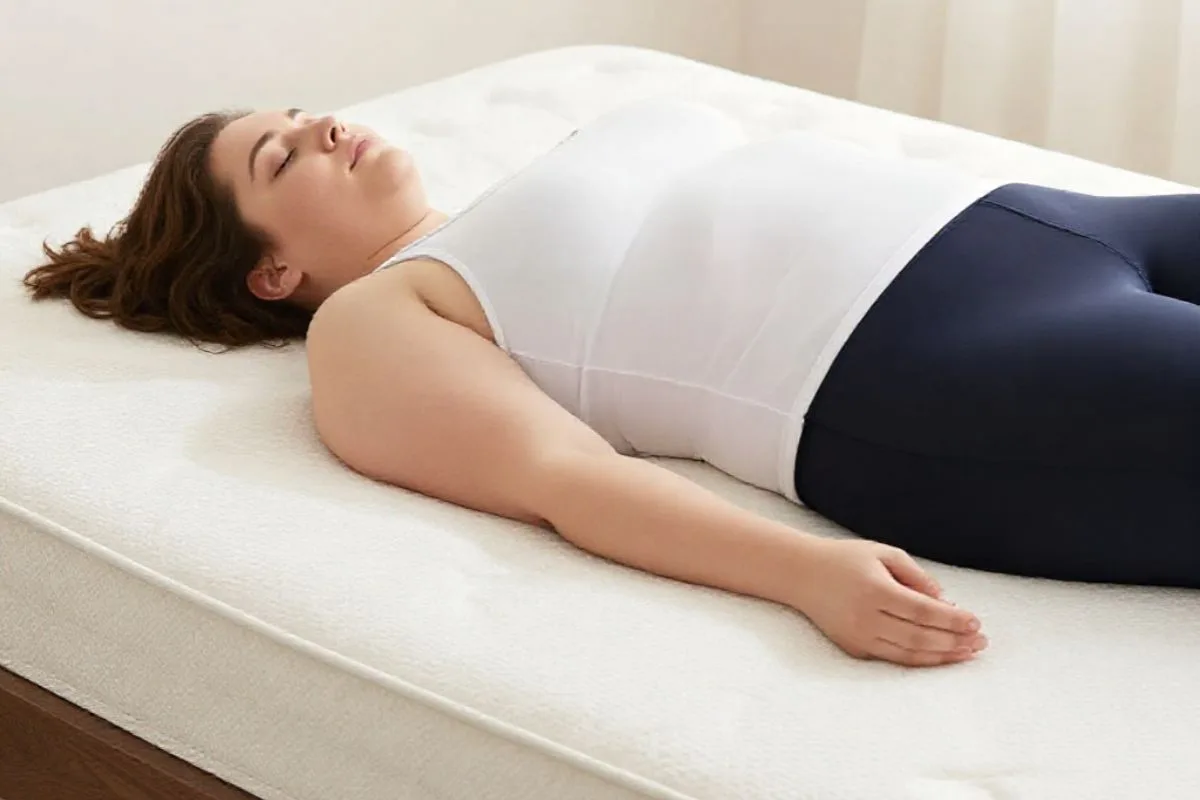
Spinal alignment is very important for heavier sleepers. The spine should keep its natural “S” shape when lying on the back and stay straight on the side. This helps reduce pressure and prevents discomfort. Sleeping in the wrong position can lead to pain over time. To check alignment, lie down and have someone look at your spine from the side. Notice if it curves too much or sinks in certain areas. Small adjustments can improve support and comfort. You can also try different pillows or mattress toppers to see what helps.
If the spine doesn’t stay aligned, the mattress may need changes. A firmer core or a thicker comfort layer in specific zones can help. The right setup keeps the body supported and eases tension. Over time, proper support can improve sleep quality and energy during the day.
Durability
Mattresses cost a lot, so it’s important to pick one that lasts. People who are heavier should look for strong materials like latex, high-resilience foam, or reinforced coils. These hold up better under weight. Avoid beds with thick layers of cheap foam. Low-quality polyfoam wears down fast. It can form deep body impressions in a short time.
Durable materials keep the mattress supportive for years. They help the body stay aligned while sleeping. Choosing the right material can prevent early sagging.
Final Thoughts
Buying a mattress for a heavier body requires some thought. Big brands and flashy ads don’t tell the full story. It’s better to look at the materials, the construction, and the specs.
Choosing the right mattress also depends on mattress thickness and if you can be too heavy. A good mattress will hold the body properly and last longer. Comfort in the store doesn’t guarantee comfort at home. How it performs after months of use matters more than first impressions. Take your time and ask questions before buying. The right mattress can help improve sleep and overall health. Choosing carefully pays off in better mornings and less discomfort.