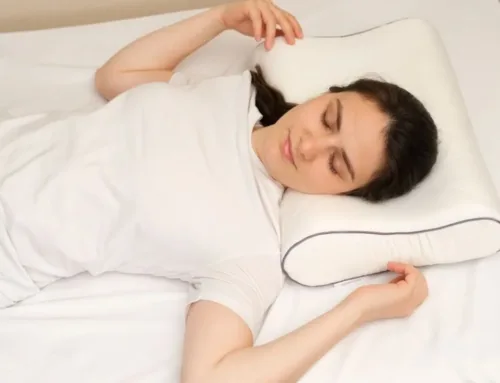

Choosing the right mattress firmness is important, especially for heavier sleepers. A mattress that’s too soft can let you sink in and cause aches. Too firm, and pressure points build up quickly.
The best firmness keeps your spine aligned and supports your body evenly. For heavier sleepers, mattress firmness for a heavy person, whether a firm or soft mattress fits heavy people, and mattress weight considerations together are essential in keeping sleep comfortable, reducing aches, and preventing the mattress from wearing out too quickly. It helps you wake up feeling rested instead of sore. Choosing carefully can prevent discomfort and improve your sleep.
Key Takeaways
- A heavier sleeper usually needs a medium-firm to firm mattress to keep the spine straight and reduce sinking over time.
- A firm hybrid with dense foam and strong coils helps hold up the hips and shoulders and prevents sagging.
- Durable materials like latex, thick comfort layers, and solid edge support help the mattress last longer and stay comfortable.
- A soft mattress may feel nice at first, but it can sink too much and lead to poor support and back pain.
- The right firmness gives both pressure relief and deep support, so the body stays aligned and comfortable through the night.
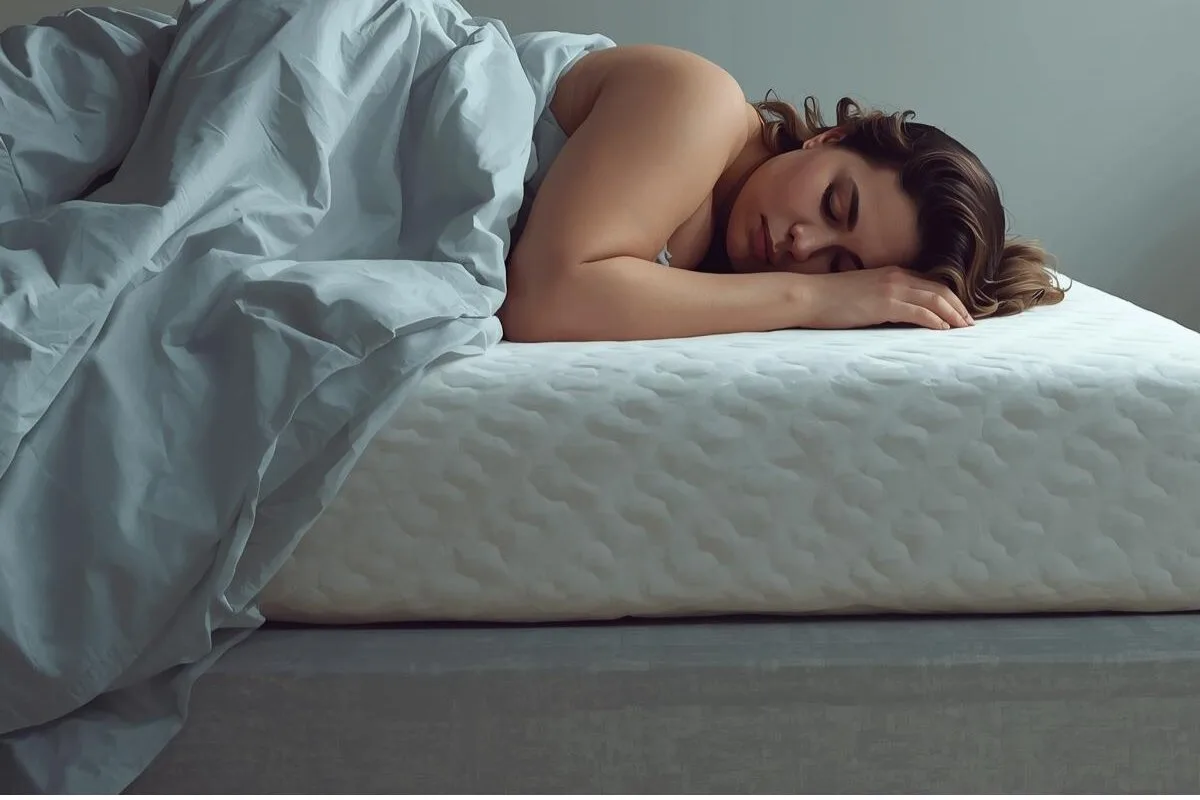
Understanding Mattress Firmness
Mattress firmness is rated from 1 to 10. A 1 is very soft, and a 10 is very firm. Most people feel comfortable somewhere in the middle, but heavier sleepers usually need something firmer to stay supported.
Heavier bodies press deeper into a mattress, so stronger support keeps the spine aligned. Firm mattresses hold up better and stop you from sinking too much. This helps prevent sagging and discomfort over time. For heavier sleepers, awareness of key mattress factors for heavy people, firmness needs for heavier bodies, mattress thickness, and weight considerations together ensure proper support, comfort, and durability while preventing the mattress from wearing out too quickly.
The firmness you choose affects comfort and how long the mattress lasts. Firmer options spread weight more evenly. That reduces pressure points and wear, making the mattress last longer.
Why Support Is So Important For Heavy Sleepers
Support and firmness are not the same. Support is about keeping the spine in a neutral position while lying down. Without good support, heavier sleepers can sink too much at the hips or shoulders, which can strain the back and neck.
Mattresses with strong support layers, like dense foam, latex, or steel coils, are important for heavier people. Weak support might feel comfortable at first but can wear out fast. That causes sagging and restless nights. Materials that resist compression last longer and keep the body aligned. Latex and high-quality coils handle weight better than softer foams. Choosing the right mattress helps prevent pressure points and keeps sleep more comfortable.
Need a mattress built for stronger support and long-term durability? Browse our plus-size mattress reviews to compare comfort, firmness, edge support, cooling, and overall value.
Best Firmness Range For Heavy People
For people over 230 pounds, a medium-firm to firm mattress is usually best. This means a rating around 6.5 to 8. It gives enough support without feeling too hard. Those over 300 pounds should consider firm to extra-firm options, around 7.5 to 9. This level helps prevent sinking too deep and keeps the spine aligned. Support is more important than softness at this weight.
For anyone over 350 pounds, a firm mattress with extra support layers is necessary. It should feel stable, not like sleeping on the floor. Choosing the right firmness balances comfort with proper support.
Signs Your Mattress Is Too Soft
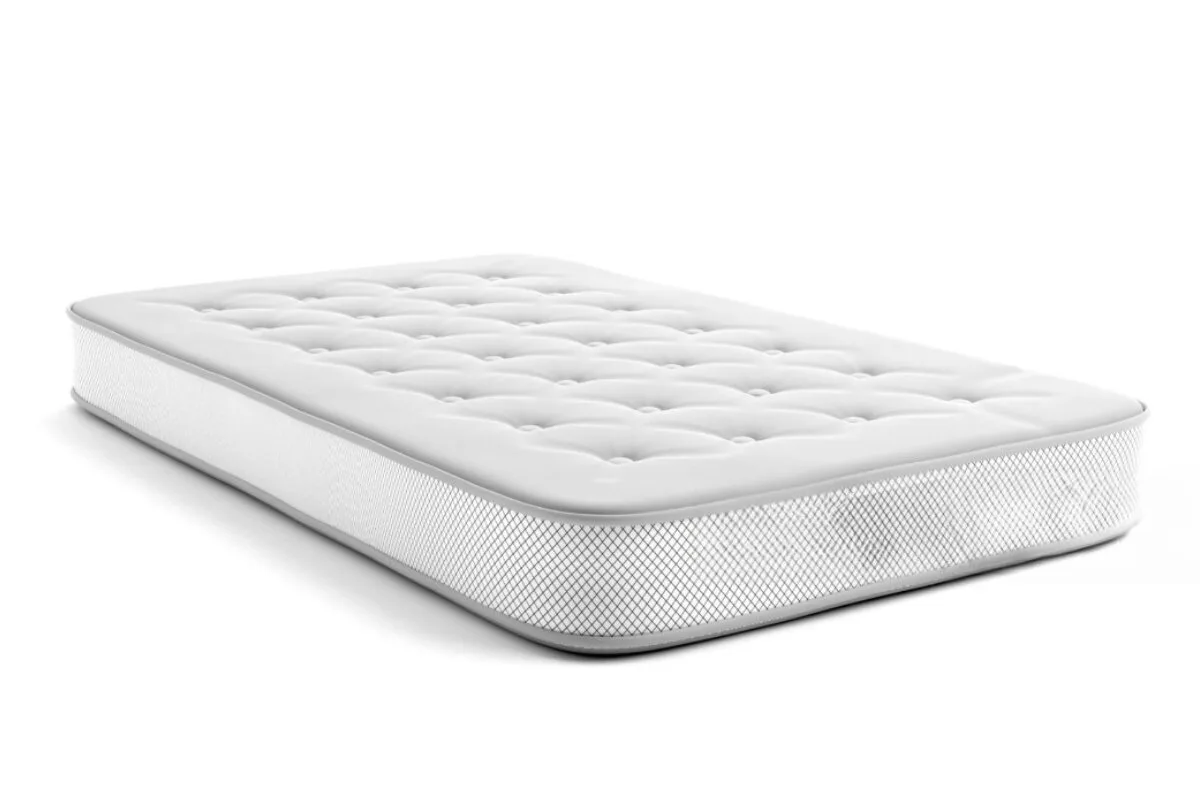
If your mattress is too soft, you might wake up with aches in your hips or lower back. Your body doesn’t get the support it needs, so you feel sore even after a full night of sleep. This discomfort can make it hard to start the day. You may also notice that you sink into the bed and feel stuck. Rolling over or changing positions can take extra effort, leaving you restless. Over time, this can affect how deeply you sleep.
Another sign is permanent dips or impressions in the mattress. These indicate it’s losing support and no longer holds your body evenly. Using a mattress like this can make aches worse and disrupt sleep quality.
Do You Need A Mattress Topper?
If your mattress feels too hard, a topper can add some softness without losing support. A 2–3 inch memory foam or latex topper can ease pressure on your shoulders and hips. It gives extra comfort without letting you sink too much. Toppers are useful when you want better sleep but don’t want a new mattress. They sit on top of your current bed and change how it feels. You can adjust them or replace them easily if needed.
Choosing the right topper depends on your sleeping style. Side sleepers may need something softer, while back sleepers might want firmer. It’s a simple way to improve comfort without spending much.
Firm Doesn’t Always Mean Uncomfortable
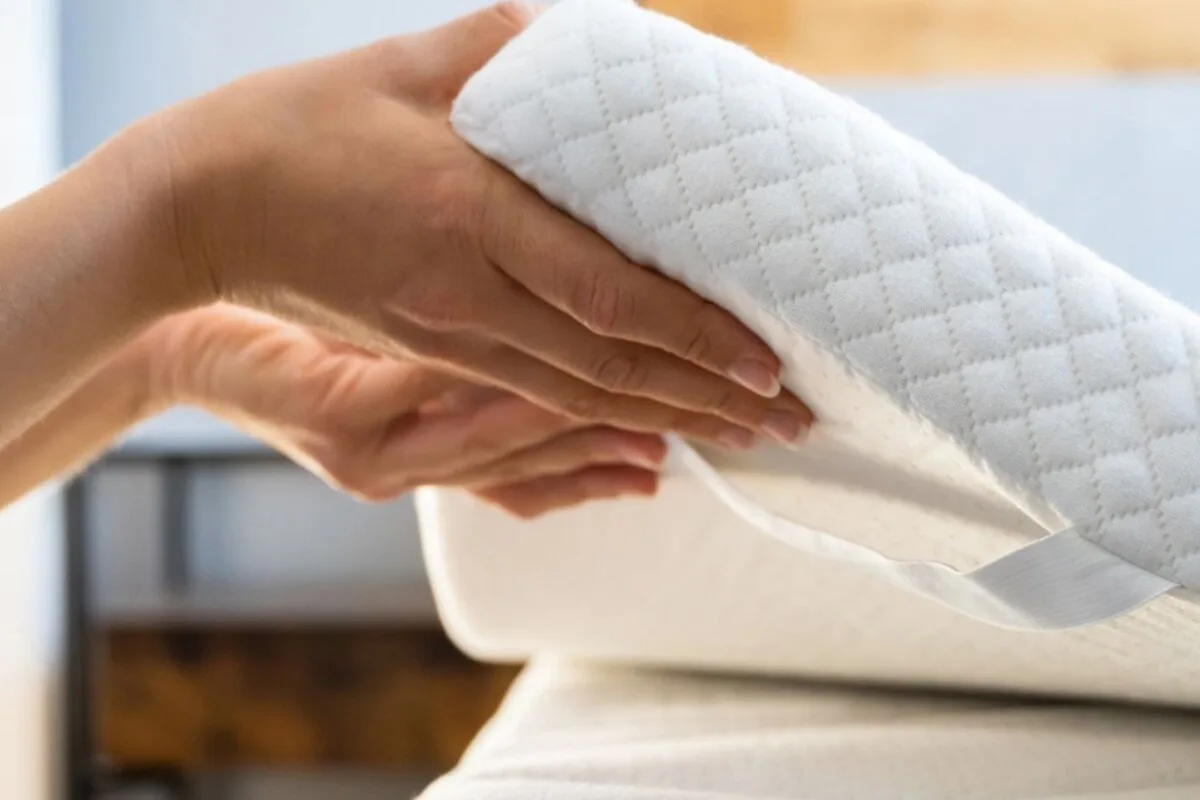
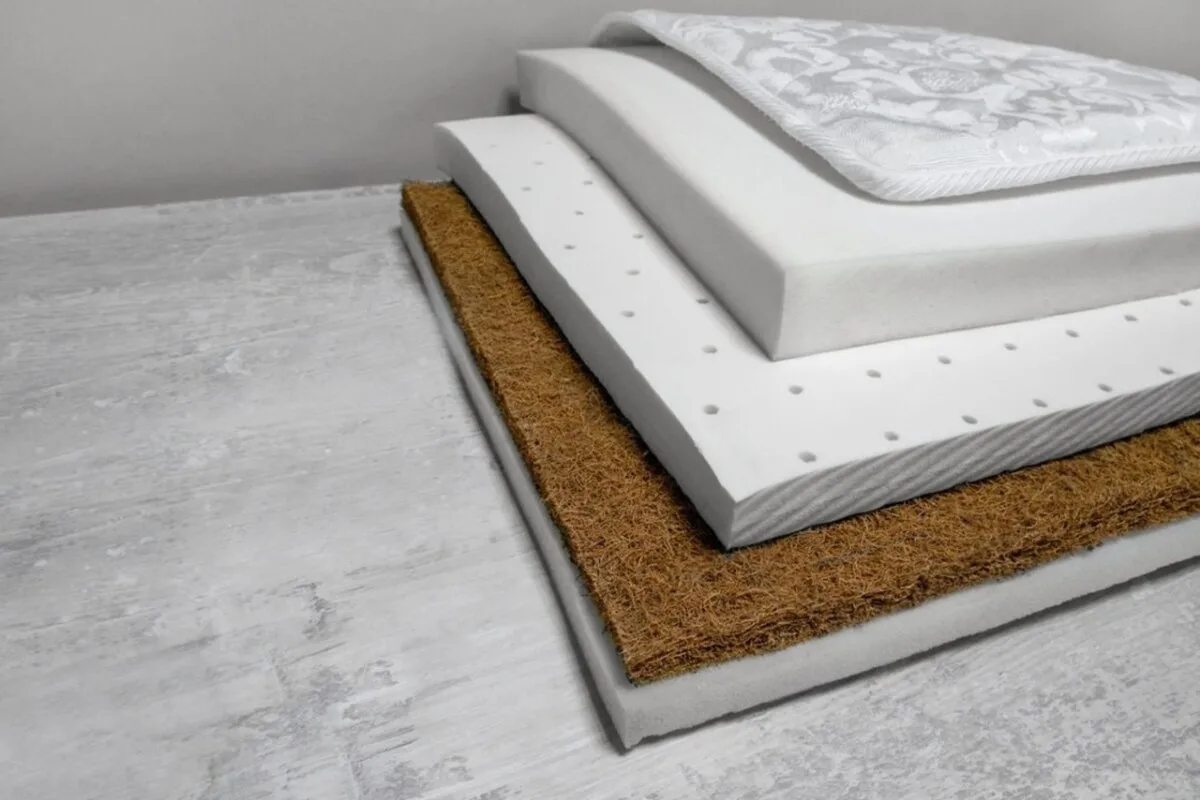
Many people worry that a firm mattress will be too hard. But a firm mattress can still feel comfortable because the top layers are soft. Foam or quilted covers cushion your shoulders, hips, and other pressure points. The mattress is built with a soft top and a firm base. The top makes it feel gentle, while the lower layers give support. This design keeps your body aligned without feeling flat or rigid. You get comfort and support at the same time. The soft layers handle pressure, and the firm base holds your weight. It’s a way to sleep firmly without feeling uncomfortable.
Sleeping Position
Sleeping position affects what kind of mattress is best. Back sleepers need something medium-firm to firm to keep their spine straight. This helps avoid lower back strain. A mattress that supports the natural curve of the back can improve sleep quality over time. Side sleepers should choose a medium-firm mattress with a soft top layer. It cushions the shoulders and hips to reduce pressure points. This makes sleep more comfortable and less stiff. Picking the right top layer can prevent soreness in the morning.
Stomach sleepers do better on firmer surfaces. A firm mattress stops the hips from sinking too far. For heavier side sleepers, a firm base with a soft layer on top, like memory foam or latex, supports the body while relieving pressure on shoulders and hips. Adding extra support in key areas keeps the body aligned through the night.
Mattress Materials
The materials inside a mattress matter as much as how firm it feels. Heavier sleepers should choose high-density foam that’s 1.8 lb/ft³ or higher. Latex foam, either natural or blended, is also a solid option for support.
Steel coils add durability, especially if they are pocketed or zoned. Hybrid mattresses that combine foam and coils can give extra stability and comfort. These designs handle weight better than thin foam alone. For heavier sleepers, memory foam performance for heavy people and hybrid mattress support for a heavy person are key factors that determine how well the mattress holds up and maintains comfort over time. These designs handle weight better than thin foam alone.
It’s best to avoid mattresses with low-density polyfoam or very thin memory foam layers. They may feel okay at first but won’t hold up over time. A mattress that can’t support your weight will lose shape and comfort quickly.
How To Test A Mattress For Firmness
To test a mattress, lie on your back and side. Watch your hips and chest . Your hips shouldn’t sink too low. Spend some time moving around and rolling over to see if it feels natural. Pay attention to pressure on your shoulders, hips, and lower back. If you feel discomfort after a few minutes, the mattress is probably too soft or too firm. A good mattress should keep your spine straight without causing pain.
Try lying down for at least 15 minutes when testing. Move into different positions and notice how your body feels. Stick with a mattress that supports you without adding pressure points.
Final Thoughts
Heavier individuals usually do best with a medium-firm to firm mattress, around 6.5 to 8 on the firmness scale. This level gives enough support without feeling too hard. Materials like latex or pocketed coils add extra durability and comfort.
For anyone over 230 pounds, choosing the mattress type for heavy people, and whether a memory foam or hybrid is great for heavy people, are all important in support, comfort, and overall sleep quality. A mattress that’s too soft can cause back pain and bad posture. It can also make sleep restless and uncomfortable.
The right mattress can help with deeper, cooler sleep. It keeps the body supported through the night. Choosing firmness carefully can prevent aches and help rest feel better overall.