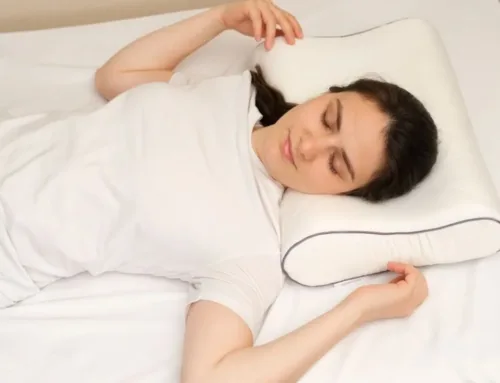

Sleeping with back pain can make nights feel long and uncomfortable. Tossing and turning, waking up stiff or sore, often points to the mattress as the cause. Latex hybrid mattresses are becoming popular because they pair soft latex layers with supportive coils, giving both comfort and structure. These mattresses help keep the spine aligned while easing pressure on shoulders, hips, and lower back.
The combination of latex and coils allows the mattress to contour to the body while still providing firm support where it’s needed. Many sleepers notice less tossing and better rest compared to traditional mattresses. We’ll explore how a latex hybrid mattress works, its benefits for different sleeping positions, and why it could help reduce back discomfort.
Key Takeaways
- A latex hybrid mattress combines latex foam and coils to give both comfort and support. The latex contours to your body while the coils keep your spine in a steady, natural position.
- The latex surface feels springy, so you can move around easily without that “stuck” feeling that some foams cause. It helps you shift positions smoothly through the night.
- If you deal with back pain, the coil base holds up the heavier parts of your body like the hips and shoulders, while the latex layer softens pressure on your lower back.
- A medium-firm feel usually works best for sleepers with back pain. It keeps the body supported but still gives enough cushioning so you don’t sink too deep.
- A quality latex hybrid can last 10–15 years. Watch for any sagging or uneven areas, and rotate it every few months to keep the support even and extend its lifespan.
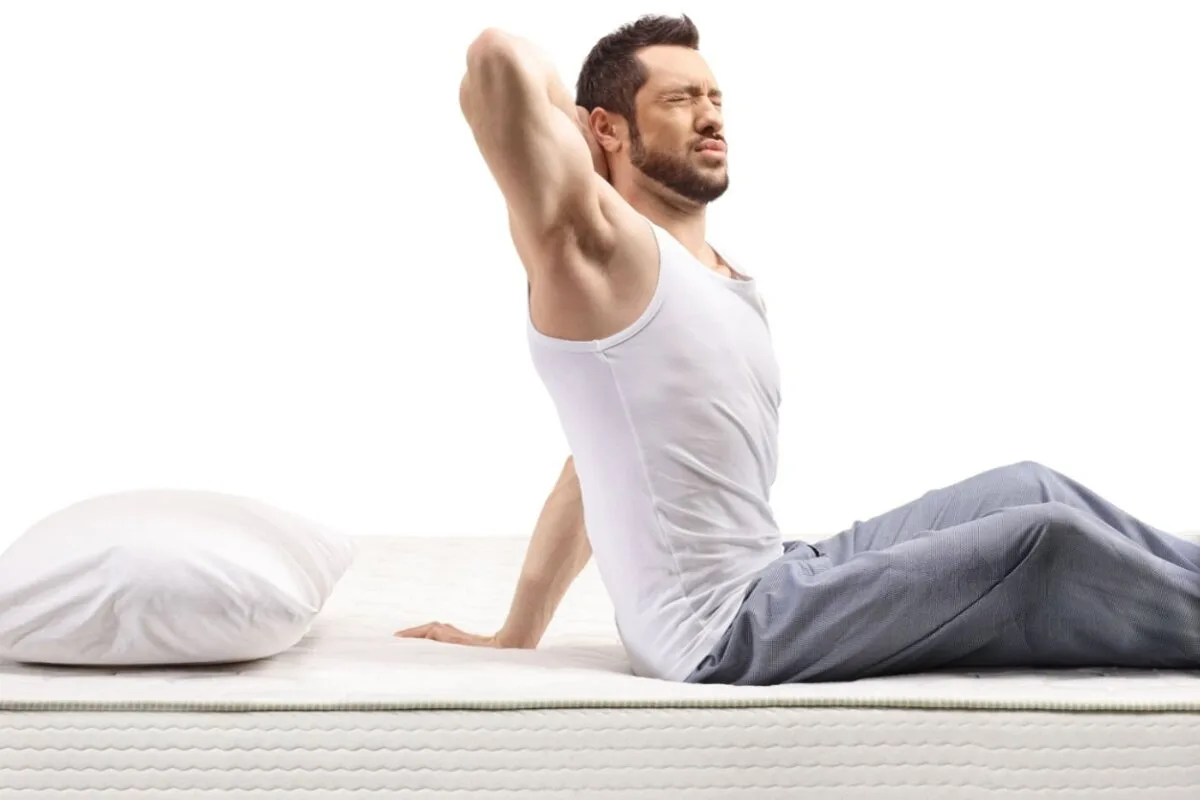
What Is A Latex Hybrid Mattress?
A latex hybrid mattress combines a latex foam layer with a coil support system underneath. The top layer gives a soft, springy feel, while the coils provide firm support for the body. This design balances comfort and stability. It can help reduce pressure points for a more restful sleep.
The latex layer helps relieve pressure and stays resilient over time. Coils add a solid base that responds to movement. Together, they keep the mattress breathable and long-lasting. The materials also make it easier to turn or change positions at night.
This type of mattress is great for sleepers who want some contouring without sinking too much. It offers support across the body while keeping a gentle, flexible surface. The combination suits different sleeping positions. Many people also look for clarity on the difference between latex and latex hybrid mattress, showing how important it is to fully understand what a latex hybrid mattress is.
Why Mattress Support Matters For Back Pain
When a mattress fails to support the body, the spine shifts out of its natural position. This can lead to back pain, sore muscles, and even neck stiffness. Over time, small issues turn into bigger problems that affect daily comfort. A mattress should feel steady without sinking too much. A good mattress should hold the body in its natural “S” curve. Hybrid designs with zoned coils do this well because they give support where it’s needed most. Proper alignment at night helps muscles rest and heal instead of straining. This kind of support can also prevent tossing and turning.
For people dealing with back pain, this balance is important. A mattress that keeps the spine aligned can reduce pressure and help with recovery. Without the right support, sleep may not feel restful, no matter how many hours are spent in bed. Choosing the wrong mattress can make mornings harder.
Latex Hybrid Mattress Benefits For Back Pain
A latex hybrid mattress combines coils and latex to give strong support for the back. The coils hold the spine in a stable position, while the latex adds a soft layer that eases pressure on sore spots. This balance helps people rest without waking up stiff. The latex surface responds quickly when the body shifts, so there’s no feeling of being stuck. It also keeps airflow moving, which reduces heat build-up during the night. Together, these features create steady comfort for someone dealing with back pain.
Because the latex gently pushes against the body, it fills small gaps in the lower back while still letting the hips and shoulders sink. This keeps the spine straight and balanced. Good alignment like this can reduce strain and bring relief from daily discomfort.

How Latex Compares To Memory Foam
Memory foam and latex both reduce pressure, but they feel different. Memory foam sinks in slowly and shapes around the body. It can feel soft but sometimes traps heat and does not support well. Some people like the deep hug it gives, while others feel stuck in it. Latex responds faster and feels springy, which helps with airflow. It stays cooler during the night and keeps a steady surface. People who need extra back support usually notice the pushback from latex. It also lasts longer without sagging compared to many foams.
Many sleepers enjoy the comfort of memory foam, but some find it too warm. Latex tends to be favored by those with back pain or anyone who wants more support. In the end, the choice comes down to what feels better to the person using it. Both types can work well if matched with the right sleeping style.
What Makes A Mattress “Supportive”?
A supportive mattress is built to keep the body balanced during sleep. It holds the heavier parts like the hips and shoulders so they don’t sink too much. At the same time, it supports lighter spots such as the lower back so they don’t cave in. This balance helps the body rest in a natural position. Without it, pressure can build up in certain areas and lead to discomfort. A mattress that supports well keeps the spine aligned and the body steady through the night.
Latex hybrid mattresses use layers that respond to weight and shape. Some designs have zones made to give extra help in the lower back or waist. These features aim to spread out pressure and give the body even support, with adjustments such as making a latex hybrid mattress softer adding to how a mattress stays supportive.
Best Sleeping Positions For Back Pain Relief
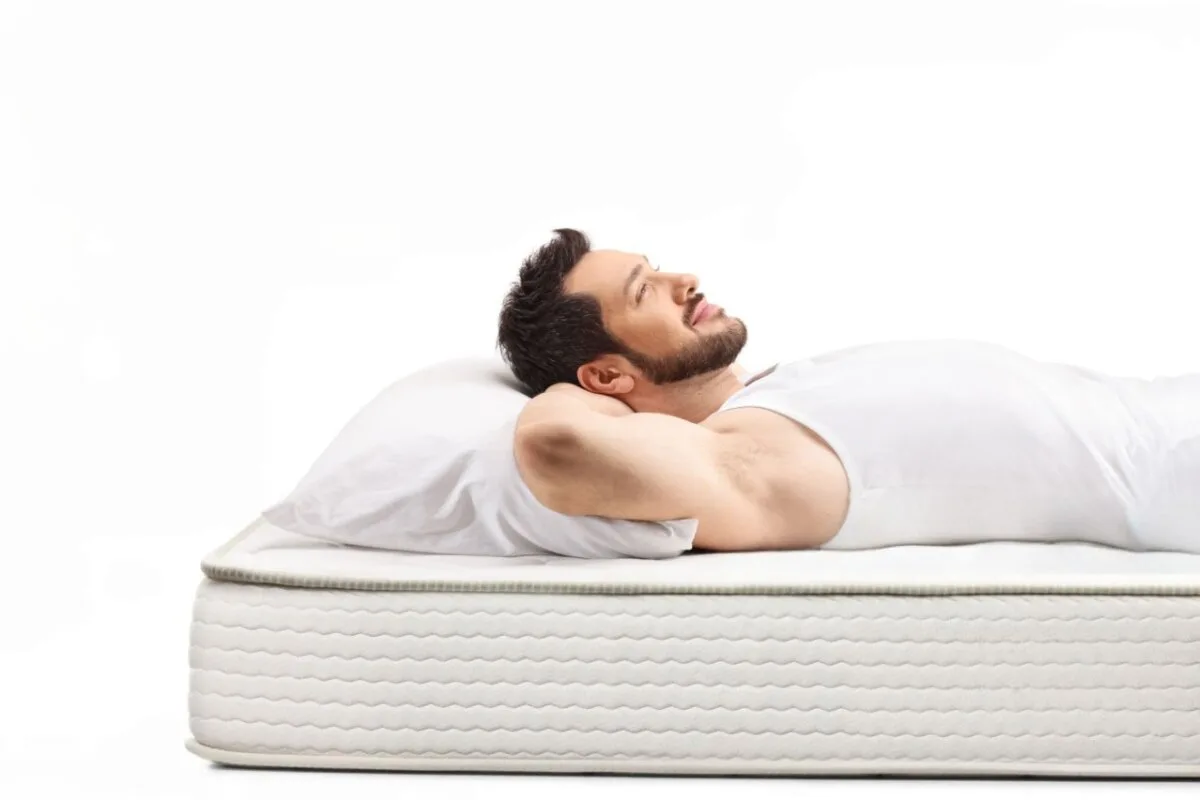
Back sleeping is the easiest way to keep the spine in a neutral position. With the right latex comfort layer, the lower back feels supported without too much pressure. This position gives the body a chance to rest evenly. Some people also find it helps reduce morning stiffness. For side sleepers, a thicker comfort layer is important. It lets the shoulders and hips settle in without pulling the spine out of place. This helps reduce tension that builds up during the night. It can also prevent numbness in the arms or legs.
Stomach sleepers benefit from a firmer feel under the hips. Too much sinking can cause the lower back to bend in an uncomfortable way. A latex hybrid works well here since it offers different firmness choices for every need. This kind of support can make it easier to stay asleep through the night.
What ILD Means In Latex (And Why It Matters)
ILD, or Indentation Load Deflection, explains how firm or soft latex foam feels when pressed. A lower number means the foam feels softer, while a higher number feels firmer. People use this rating to compare comfort and support in mattresses.
Soft latex, with an ILD between 14 and 19, feels gentle and eases pressure on the body. It works well for those who want cushioning but may not hold up as long. Some sleepers enjoy this type for its plush, sinking comfort.
Medium latex, usually 20 to 25 ILD, balances softness with steady support. Firm latex, at 26 or higher, lasts longer and helps keep the spine straight. In hybrid beds, the right ILD in the top layer can ease pressure without losing alignment.
Who Should Choose A Latex Hybrid Mattress?
A latex hybrid mattress can be great for people who struggle with body pain. Those with lower back issues, sore joints, or sciatica may find comfort in its supportive design. It gives the body a steady surface without feeling too hard. This type of mattress also helps people who get too warm at night. The breathable layers allow air to move, keeping the surface cooler. And with its springy feel, sleepers don’t sink in or feel trapped.
It is also useful for people who move around a lot while sleeping. The bounce supports quick shifts in position without strain. For those who prefer natural choices, organic latex hybrids are an option with fewer chemicals and lasting strength.

Things To Watch Out For When Choosing A Latex Hybrid
Some mattresses claim to be latex but only use a thin latex layer. Buyers should check if the bed has a real latex core or comfort layer. Without this, it may not give the support people expect. A quick look at the materials list usually clears this up.
A very soft top can feel nice at first. But over time, it may cause poor body alignment and discomfort. This is something many people notice after months of use. It’s better to balance comfort with proper support from the start.
Zoning features also need a closer look. The zones may not fit every body type or size. And paying more does not always mean better quality or value. What matters most is whether the mattress feels right night after night, along with paying attention to storing it safely, its lifespan, cleaning, and moving, since these are all practical factors to watch out for when choosing a latex hybrid.
Final Thoughts
A latex hybrid mattress can ease back pain, but it depends on the person using it. Everyone has a unique body shape and sleeping habit, so what feels right for one may not work for another. The key is finding a design that matches those needs. Latex offers gentle cushioning that relieves pressure on sore spots, while the coils provide solid support. Together, they create a balanced feel that keeps the spine steady without letting the body sink too much. This mix helps reduce strain during sleep.
Still, not every mattress will fit all sleepers. Trying out different options and checking details like coil placement and comfort layers is important. Choosing carefully gives a better chance of finding lasting relief for the back.