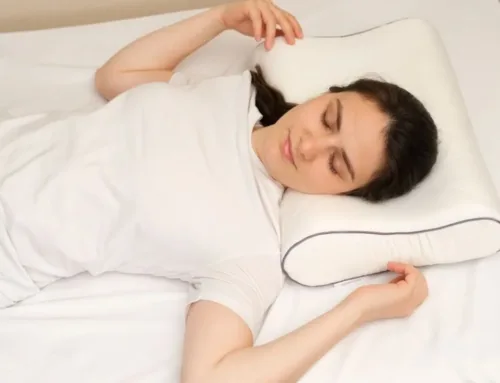

Spending money on a mattress means wanting it to hold up for years. The question many people have is whether organic mattresses last as long as regular ones. In many cases, they do, and sometimes they stay in good shape even longer because they’re built with natural materials like latex, wool, and cotton, making the decision to buy an organic mattress and recognizing its importance clear.
These materials age differently than synthetics. They don’t break down as quickly, and they’re naturally breathable and sturdy. Still, not every organic mattress is the same, so durability really comes down to the quality of what someone buys.
When chosen carefully, an organic mattress can offer long-lasting comfort while being gentler on the body. And since it avoids heavy use of synthetics, it’s a better option for the environment too. Let’s break down why these beds last, how they differ against traditional ones, and what to keep in mind before buying.
Key Takeaways
- Choosing an organic mattress means sleeping on natural latex, wool, and cotton. These materials don’t contain harsh chemicals, so there’s less odor and cleaner air in your room.
- These beds help reduce common triggers for allergies. They resist dust mites, mold, and other irritants that can cause discomfort, so you can breathe easier while you rest.
- Trusted labels like GOTS, GOLS, OEKO-TEX, and MADE SAFE show that the mattress meets strict organic and non-toxic standards. Checking for these helps you know what you’re really sleeping on.
- With regular care, like rotating it, using a mattress protector, and keeping it on a solid base—an organic mattress can stay supportive and comfortable for 10 to 20 years.
- Beyond durability, an organic mattress supports both your health and the planet. It lowers chemical exposure and uses materials that are better for the environment.
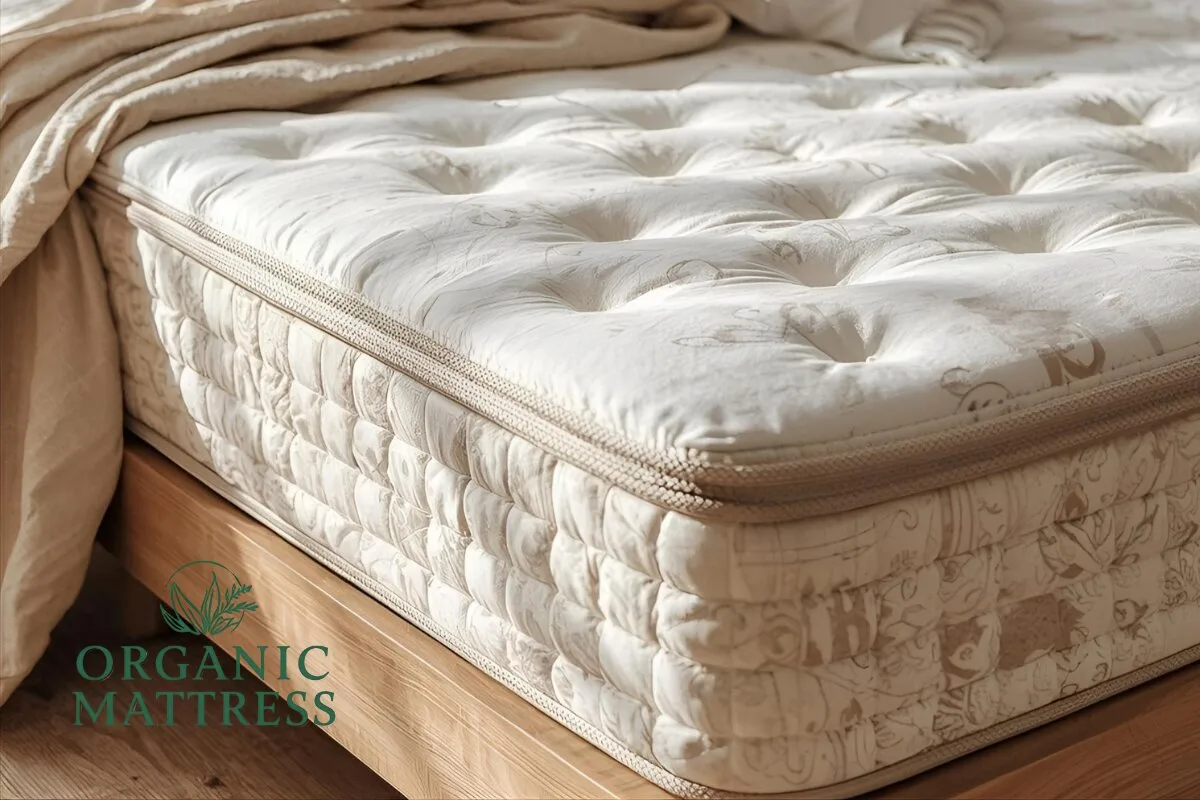
What Is an Organic Mattress?
Organic mattresses use natural materials such as organic cotton, wool, and latex. These materials are grown or produced without harsh chemicals. The goal is to create a clean sleeping surface that feels safe and supportive. Choosing an organic mattress and understanding if they make a difference do not only support health but also longevity.
Compared to synthetic beds that release odors or wear down fast, organic mattresses are built to last. Latex is especially known for its strength and light bounce. This gives the mattress a solid feel while still being comfortable. There are certain labels that help confirm if a mattress is truly organic. GOTS covers textiles like cotton and wool, while GOLS applies to latex. Both show that the bed meets strict health and environmental rules.
How Long Do Organic Mattresses Last?
Organic mattresses can stay in good shape for 10 to 20 years, sometimes even longer with the right care. Regular mattresses made from memory foam or polyfoam usually start wearing out after 6 to 8 years. This is why many people see organic options as a longer-lasting choice.
Latex is the main reason these mattresses last longer. Unlike synthetic foams, latex holds its shape and support for more than ten years. It doesn’t sag as quickly, so the mattress keeps feeling solid and comfortable over time. Other natural materials like wool and cotton also hold up well with age. As long as they stay dry and have good airflow, they keep their comfort. With steady care, an organic mattress can serve someone for much longer than a standard one.
What Makes Organic Mattresses Last?
Here are the main reasons organic mattresses last longer than regular beds:
- Natural latex core: Latex rubber, whether Dunlop or Talalay, holds its shape for years. It resists sagging, tearing, and breaking down the way cheap foam does and off-gases minimally, making organic mattresses durable and safe.
- Breathable wool and cotton: These fibers pull away moisture, keep mold from growing, and help control temperature. All of this helps the mattress stay fresh and stable.
- No synthetic fillers: Unlike beds packed with low-quality polyfoams that collapse fast, organic mattresses use cleaner materials built to stay firm and supportive.
- Strong, natural construction: Many are carefully made with reinforced stitching and high-quality layers, giving them better structure and strength.
All these parts work together to give organic mattresses a longer life. Instead of replacing your bed after a short time, you can expect it to stay supportive and comfortable for years.
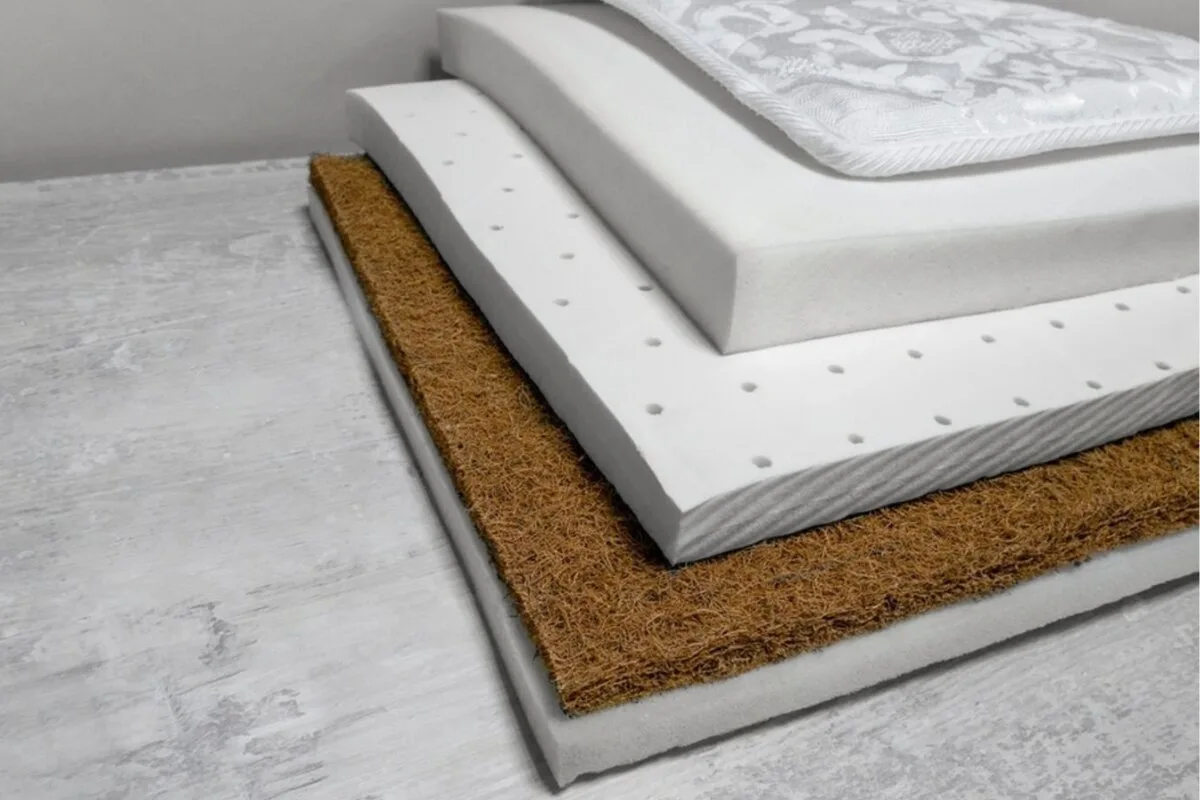
Common Materials in Organic Mattresses
Organic mattresses are built with materials that come from natural sources instead of synthetics. The most common ones are organic latex, wool, and cotton. Some beds also include coils for extra support and bounce.
Organic latex is strong and supportive, while also keeping the bed cooler at night. Wool helps regulate body temperature, resists fire naturally, and manages moisture. Cotton gives the surface a soft, breathable feel that is gentle on the skin. These materials are chosen because they last longer and hold up better over time. A mattress made with them stays comfortable for years without breaking down quickly. That’s why they remain a trusted option for people who want both comfort and durability.
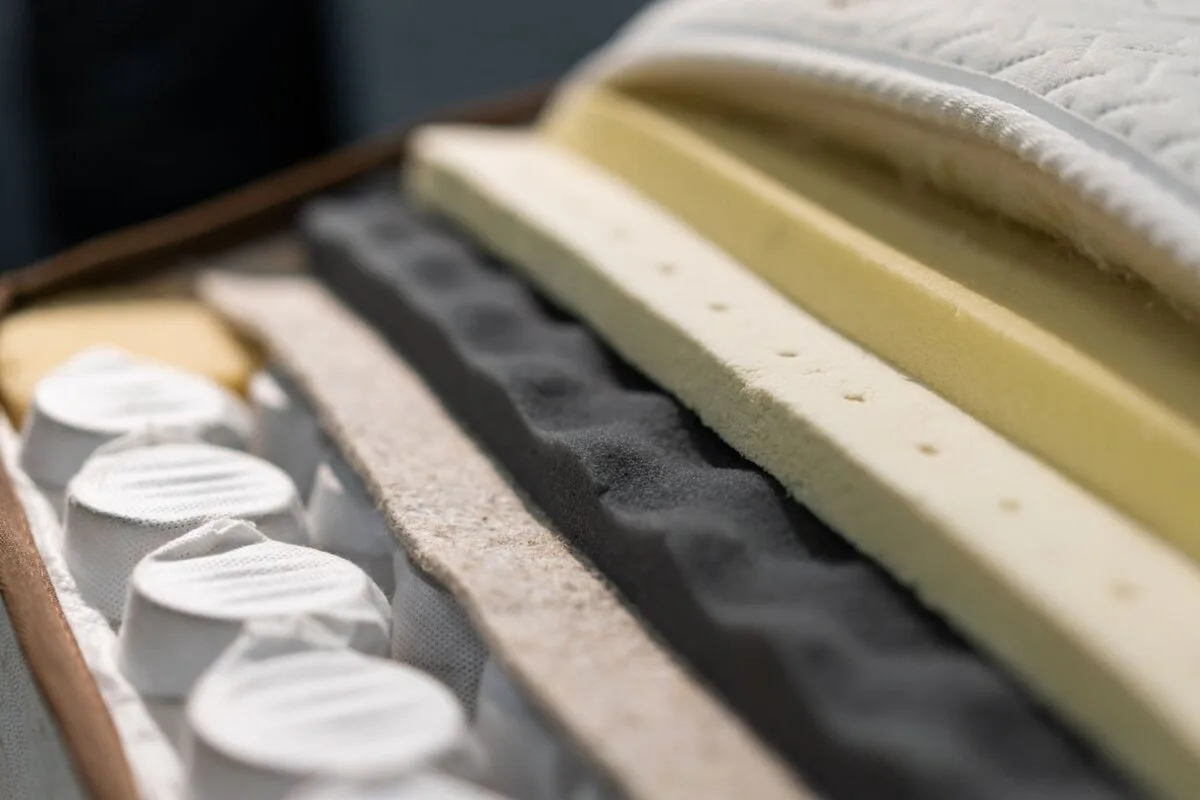
How to Care for an Organic Mattress
An organic mattress can last for many years if it’s taken care of the right way. A simple step is to rotate it every few months, usually between three and six. This helps the surface stay even and stops one side from wearing down faster. Using a protector is another good habit. It keeps away spills, dust, and sweat that can build up over time. This also makes cleaning easier since the protector can be washed while the mattress stays safe.
Keeping the mattress dry is important too. Natural fibers like wool and cotton handle moisture well but still need airflow. Placing the mattress on a solid base or slatted frame gives it proper support, helping it stay comfortable for many years.
Do Organic Mattresses Sag?
Sagging is something people worry about with mattresses. But with organic mattresses, especially latex ones, it doesn’t happen as much. Latex naturally bounces back, so it keeps its shape longer than memory foam.
Many organic brands also skip the heavy pillow-tops that sink after years of use. This helps the mattress stay firm and supportive. A well-made latex mattress usually holds up better in the long run. If sagging shows up, it’s usually from a weak bed frame, not rotating the mattress, or using a thinner latex layer under three inches. With regular care, a high-quality organic mattress should last many years without sagging.
Eco-Friendly Mattress Benefits
An organic mattress doesn’t just last longer. It also brings other real benefits that you’ll notice over time.
- Healthier sleep: These beds skip the harmful stuff like VOCs, chemical flame barriers, and heavy glues. That means cleaner air while you rest.
- Cooler nights: Cotton, wool, and latex breathe better than synthetics, so the surface stays cooler and more comfortable.
- Sustainable choice: With fewer chemicals used in production, they leave less waste behind and put less strain on the planet.
- Low allergens: Natural materials are less likely to trigger reactions, which can be a big help for people with allergies or sensitivities.
So, instead of just a mattress that holds up for years, you get one that supports your health and respects the environment too.

Signs It’s Time to Replace an Organic Mattress
A good mattress can last for years, but it won’t stay in shape forever. Here are clear signs that you may need a new one:
- You wake up with stiffness or body aches.
- The surface feels uneven, bumpy, or uncomfortable.
- Noticeable sagging or dips are showing.
- It has been 15–20 years since you bought it.
If your organic mattress still feels supportive and comfortable, there’s no rush. Keep using it until it shows real signs of wear. And when it’s time to replace your mattress, you can explore the best organic mattress options, their prices, and trusted places to buy one.
Final Thoughts
Organic mattresses last longer than many regular beds. They are made with natural materials like latex, cotton, and wool instead of cheap foams and glues. This gives them better strength and comfort that can hold up for years. They can be compared to sturdy boots that cost more at first but give value over time. The support and durability pay off because you don’t need to replace them as quickly. People who invest in one usually see it as a long-term choice.
For someone who wants a bed that supports health, is gentle on the environment, and doesn’t sag too quickly, organic is a smart option. It may cost more upfront, but it lasts longer. In the end, it’s about sleeping better and keeping that comfort for years.