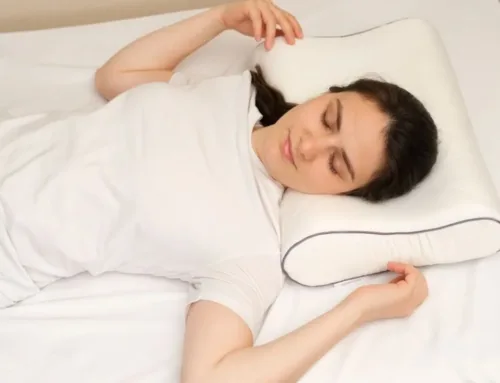

If your mattress doesn’t feel right, you don’t have to replace it right away. There are simple ways to adjust it without spending much. Knowing how the layers are built can help you sleep better, and understanding an adjustable firmness mattress, how it works, and whether it’s good, can guide you in making effective adjustments.
Mattresses have layers that control how soft or firm they feel. The top layers ease pressure, and the bottom layers keep your spine supported. Even small changes to these layers can change how the bed feels and can give you better sleep without buying a new bed.
Key Takeaways
- You can change how firm or soft a mattress feels without buying a new one right away. Simple adjustments to its layers, base, or design can give it a new level of comfort.
- To make a mattress firmer, add a firm topper, place it on a solid base, or tighten or replace the slats. These steps help reduce sagging and give stronger support.
- To make a mattress softer, try adding a memory foam, down, or plush topper. Rotating it regularly and allowing the foam to break in can also help it feel more comfortable.
- Room temperature and humidity can change how foam feels. A warm room can make the foam softer, while a cooler space can make it feel firmer.
- If none of these adjustments work and the mattress is already worn out or sagging, getting a new one might be the best way to keep proper spinal support.
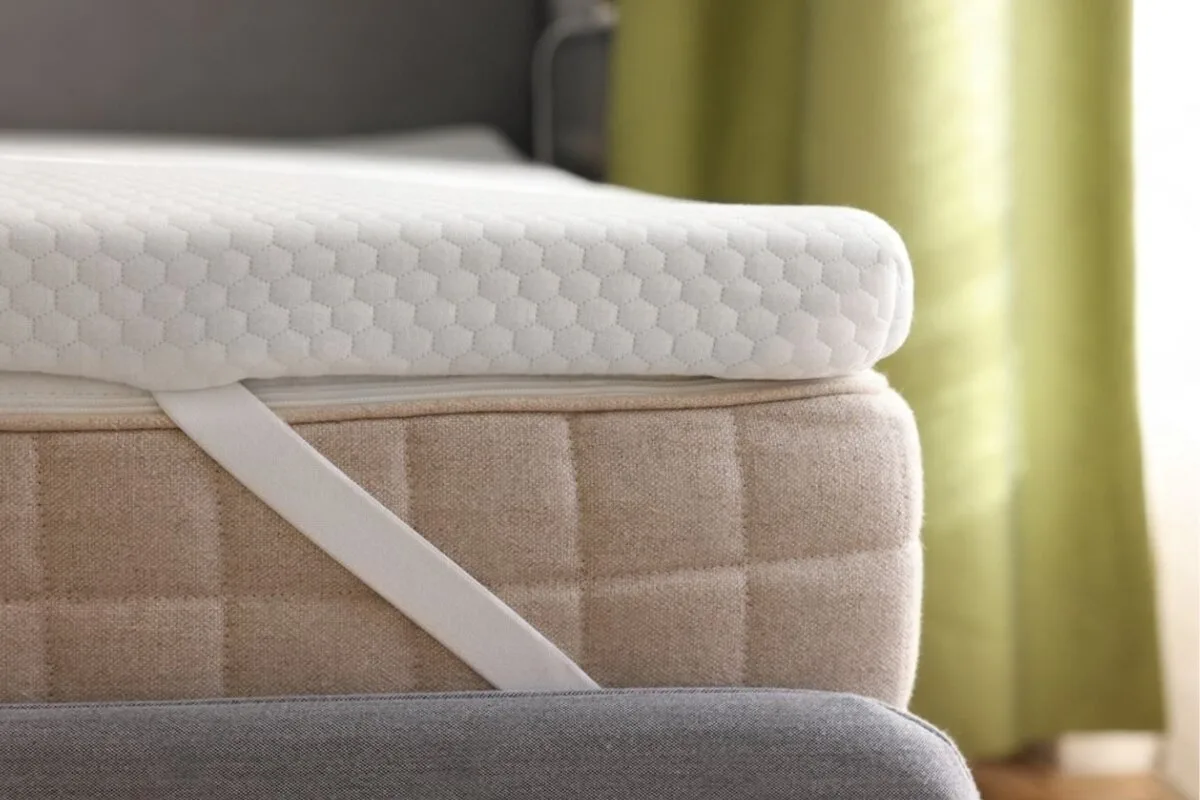
Why Mattress Firmness Is Important
A mattress’s firmness affects sleep quality. If it’s too soft, the hips and shoulders can sink in and strain the spine. If it’s too firm, pressure points may cause tossing and turning. Choosing the right firmness can prevent aches in the morning. Experts also consider overall health and potential risks, so it’s important to know if doctors recommend adjustable firmness mattresses, if it is healthy to sleep on it, and its disadvantages.
The best firmness depends on body shape, sleeping position, and comfort needs. Side sleepers usually need something softer to relieve shoulder and hip pressure. Back and stomach sleepers do better with firmer support to keep the spine aligned. Testing different levels can help find what feels right.
Knowing how firmness affects the body helps when a mattress feels off. Small adjustments like a topper or switching firmness can help. Paying attention to how the body feels guides better sleep choices. It’s worth revisiting firmness if sleep isn’t comfortable over time.
How To Make A Mattress Firmer
If a mattress feels too soft or sags in the middle, the first step is to check the foundation. A weak or worn-out base can make even a firm mattress feel soft. Using a solid platform or slatted frame with narrow gaps helps keep the mattress stable. Adding a firm mattress topper can also help. Latex or high-density foam toppers give extra support and structure to a plush mattress. They can reduce sinking and help the spine stay aligned while sleeping.
Room conditions matter too. Memory foam can get softer in warm or humid rooms. Lowering the temperature or reducing humidity can make the mattress feel firmer overnight.
How To Make A Mattress Softer
If a mattress feels too firm, there are ways to soften it without buying a new one. Adding a mattress topper made of memory foam or down alternative can help relieve pressure and give a more comfortable feel. This lets the bed feel less stiff while keeping the support intact.
Sleeping on a new mattress regularly can also help it soften over time. High-density foams usually loosen up a bit after a few weeks of use. This natural break-in process makes the mattress feel less rigid and more inviting to sleep on. Rotating the mattress every one to three months can improve comfort across the surface. This is especially useful for foam or hybrid beds where pressure can build in certain spots. Keeping the mattress rotated ensures firmness spreads evenly, making it feel softer overall.
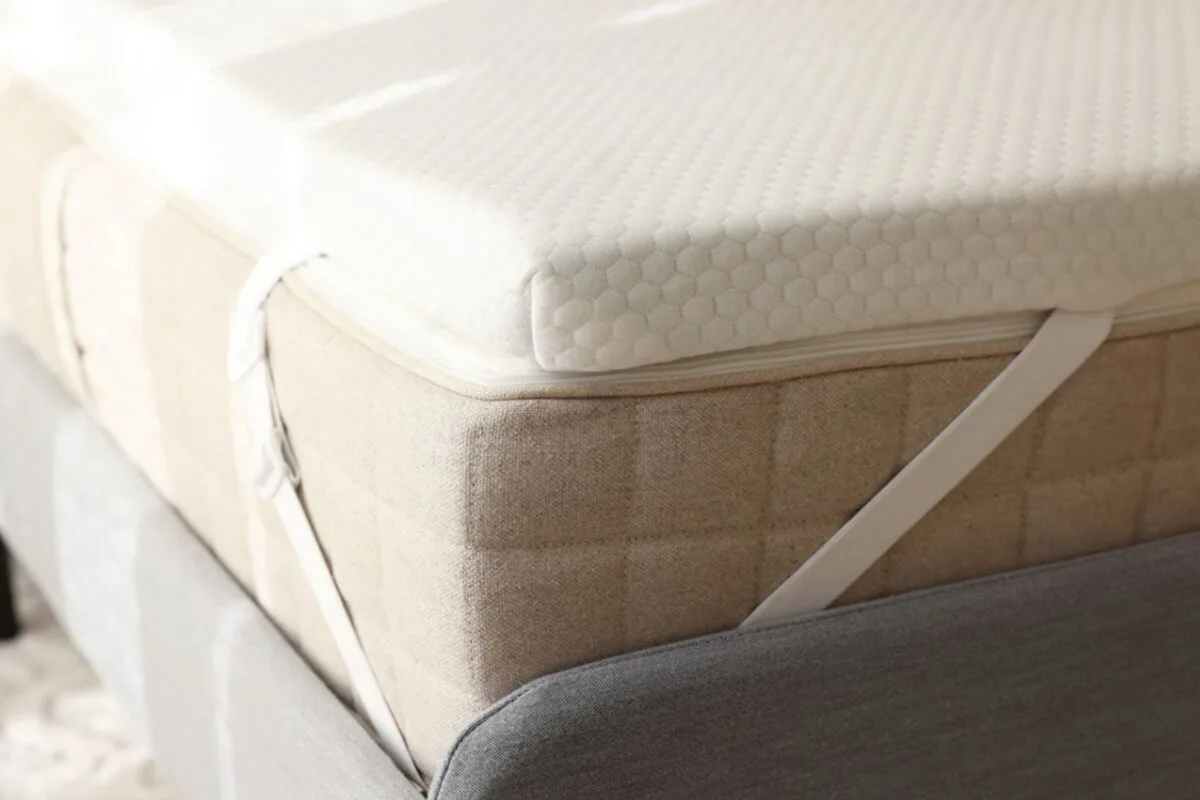
Best Toppers To Make A Mattress Softer
Memory foam toppers come in two to three inches. They sit on top of a firm mattress and add some softness. People use them to feel more comfortable without replacing the bed. They can also relieve pressure on shoulders and hips while sleeping.
Feather or down alternative toppers are soft and light. They can be fluffed or adjusted easily. Many like them for a gentle, cushioned feel. These toppers are good for people who prefer a cloud-like texture. Wool toppers give natural padding. They also help keep the bed temperature balanced. They are a simple way to add comfort without extra weight. Wool is also durable and can last for years with proper care.
Best Toppers To Make A Mattress Firmer
Latex toppers provide extra support and a bit of bounce. They sit on top of the mattress and help keep the body aligned. People who like a firmer feel usually prefer them. They are also durable and can last several years without losing shape.
High-density foam toppers are another option. Around one to two inches thick, they add firmness without changing the mattress too much. They are good for sleepers who want more structure. Foam toppers can also reduce pressure points for side and back sleepers. Dual-layer adjustable toppers let users customize firmness. You can switch layers to make the bed harder or softer. This flexibility works for different sleeping preferences. They are practical for couples who have different comfort needs.
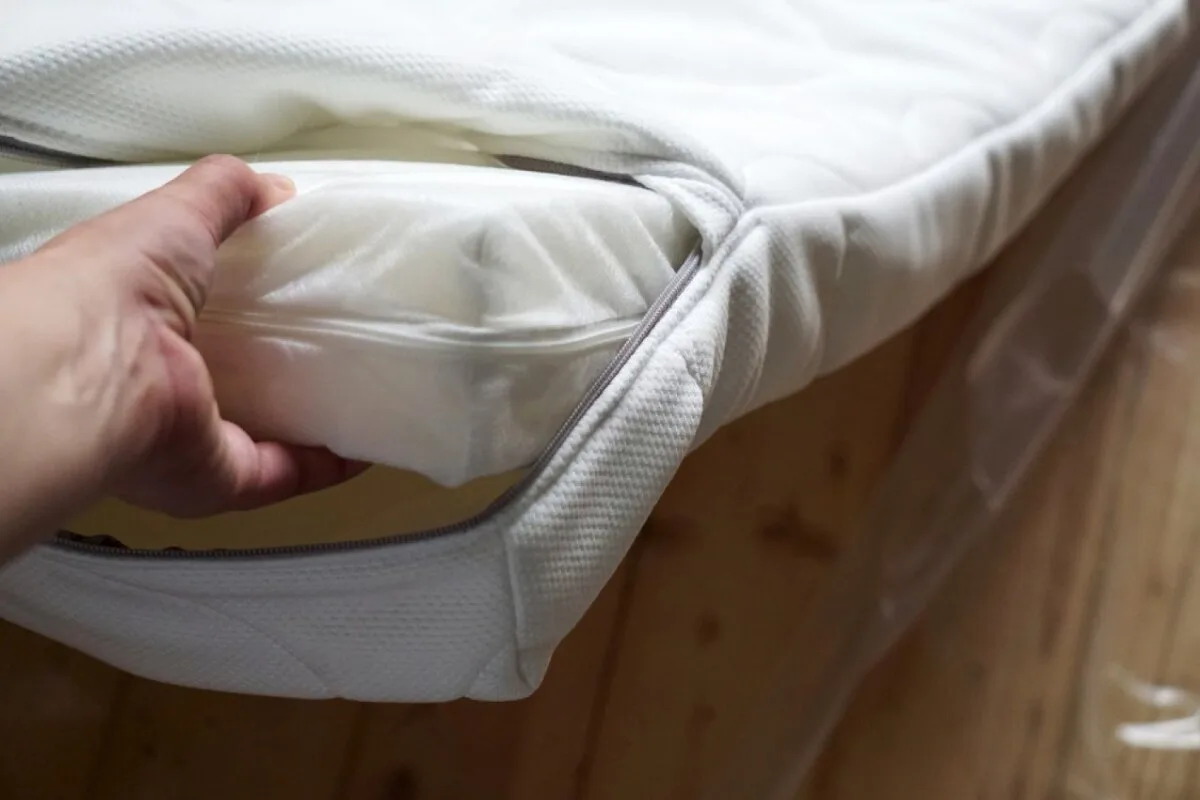
Check Your Mattress Base And Frame
The bed frame or foundation can change how firm a mattress feels. A sagging mattress isn’t always the problem itself. Foam beds need a flat, solid base, while hybrids and innersprings need slats that are close together. Sometimes a mattress feels soft because the support underneath isn’t right. Placing a bunkie board or a sheet of plywood between the mattress and frame can help. This adds firmness without replacing the mattress.
Many people skip checking the base before buying a new bed. Adjusting the foundation can fix issues quickly. It’s a simple step that can improve comfort without extra cost.
Flip Or Rotate Your Mattress
Some mattresses can be used on both sides, and flipping them every few months can help reduce sagging. Even mattresses designed for only one side benefit from being rotated. Turning it 180 degrees spreads weight more evenly and keeps the surface firmer. Flipping or rotating is a simple step but can extend the life of a mattress. It also helps the bed feel more balanced and comfortable. Small changes like this prevent certain areas from wearing out faster than others.
Regular care like rotation keeps the mattress in better shape over time. It can save money by delaying the need for a replacement. And it keeps sleep consistent night after night.
Consider Temperature And Room Environment
Foam mattresses change with the temperature in the room. Warm rooms make the foam softer, while cooler rooms make it firmer. Adjusting the thermostat or adding a cooling pad can help if it feels too soft. Humidity can also affect foam. Moist air can make layers expand slightly, and dry air can make them shrink. This can change how firm or soft the bed feels.
Small adjustments in the room environment can help the mattress feel more comfortable. Using a heated blanket or slightly warming the room can ease firmness. Paying attention to both temperature and humidity gives a clearer idea of how the bed will feel.
When To Replace Your Mattress
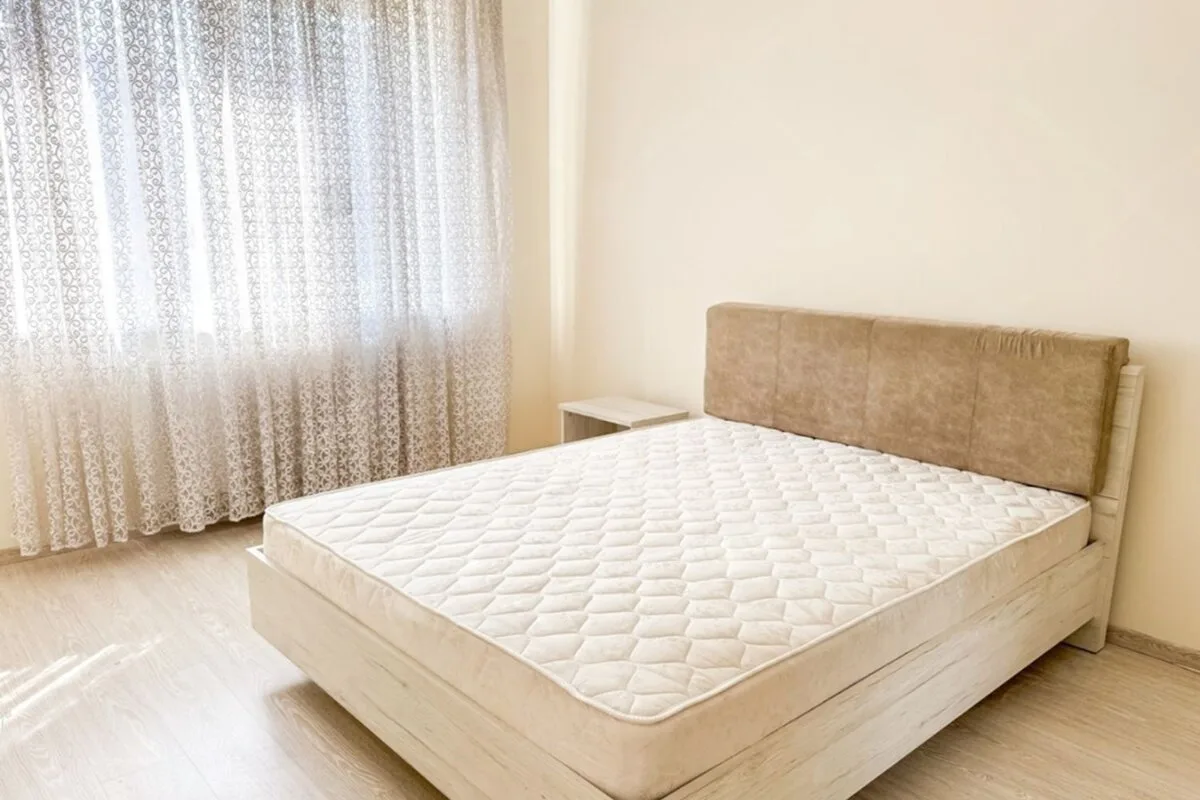
A mattress older than 7–10 years can start causing sleep problems. Springs sag, foam loses its bounce, and no topper can fix these issues. If sleep is uncomfortable despite adjustments, it’s a clear sign to replace it. Choosing a new mattress means thinking about how you sleep. Side, back, or combination sleepers all need different support. Picking one that suits your position helps reduce aches and improves rest.
Some mattresses let you adjust layers or firmness. That way, comfort can change as your needs change. A flexible design can help you get better sleep without replacing the whole bed again. It’s also important to know if an adjustable firmness mattress can be placed on any bed and its typical lifespan, as proper support and durability directly affect sleep quality and long-term comfort.
Final Thoughts
Changing a mattress’s firmness doesn’t have to be complicated. People can make it softer for comfort or firmer for support without buying a new bed. Even small tweaks can improve how the bed feels and how well someone sleeps. Using a solid base, rotating the mattress, or adding a topper can shift the feel. These adjustments change support and comfort. For older beds, switching to one with adjustable layers gives more control over firmness.
Comfort is personal and depends on the sleeper. The mattress should provide proper support each night. Making a few small changes can help sleep feel steadier and more restful.