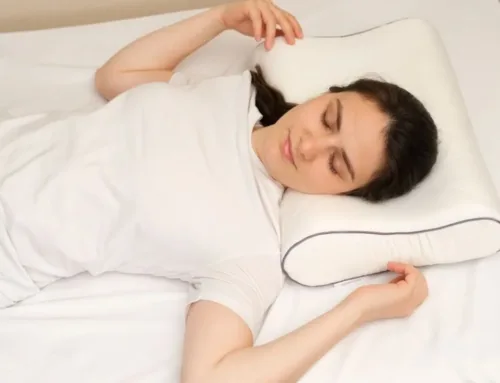

Choosing a mattress as a couple can be tricky. One partner might like soft and cozy, while the other prefers firm and supportive. A good mattress can support both, reduce movement when one person shifts, and help keep the bed cool so neither is disturbed at night. Couples should also consider the type, if it’s a memory foam mattress or a foam or spring mattress, size, and how often a couple should get a new mattress, to ensure both partners stay comfortable and well-rested.
Couples should pay attention to mattress type, firmness, sleeping positions, motion control, and edge support. Budget matters too, but knowing what to compare can make the decision easier. Understanding these features helps both partners sleep without waking each other up. We’ll explore what to look for when picking a mattress for two people. This includes the different types, firmness levels, and features that affect comfort. By the end, couples can choose one that fits both and helps them rest better together.
Key Takeaways
- Pick a mattress that keeps both sleepers comfortable and reduces motion transfer.
- Strong motion isolation helps if your partner moves a lot at night.
- Choose firmness based on body type and sleep position for proper support.
- Cooling features help if both of you get hot while sleeping.
- Good edge support and durability let you use the whole bed without sagging.

Why Choosing the Right Mattress for Couples Is Important
Sleeping next to someone changes how a mattress feels. Movements from one person can disturb the other, and a bed that’s comfortable alone may not be comfortable for two. Choosing a mattress that balances support and comfort for both people is important. If one partner moves a lot during the night, motion isolation can prevent the other from being disturbed. Differences in weight or body shape also matter. A good mattress provides even support so neither person sinks too much or feels pressure.
Couples can also feel warmer together. Mattresses with breathable foam or coils can help reduce heat and keep both people comfortable. Finding a mattress that handles movement, weight, and temperature can make sleep better for both partners.
Mattress Types Best for Couples
Choosing a mattress for couples starts with knowing the different types. Memory foam molds to the body and keeps movement from disturbing a partner, but older foam can get hot. It’s good for those who want pressure relief and quiet sleep. Hybrid mattresses mix coils and foam. The coils give support and airflow, while the foam reduces motion. Couples like hybrids because they balance bounce, comfort, and cooling.
Innerspring beds are bouncy and stay cool, but they don’t block motion as much. Latex mattresses are natural, supportive, and sleep cooler than memory foam. Both offer some motion control, so partners can pick based on comfort and sleeping style.
Choosing the Right Firmness Level
A mattress’s firmness affects how comfortable and supported both people feel.
Soft mattresses, rated 1–3, let you sink in and cuddle, but they may not support heavier sleepers or those who sleep on their stomachs. Medium firmness, 4–6, is the most common choice because it balances comfort with spinal alignment. Firm mattresses, 7–9, give more support and suit back or stomach sleepers and heavier individuals. Couples with different sleeping positions often find medium-firm work best for both. Some mattresses even offer dual-firmness options, letting each person choose their side’s feel.
Choosing the right firmness comes down to sleep style and body type. Side sleepers might prefer something softer, while back and stomach sleepers need more support. Testing a mattress or checking adjustable options can help find a balance that works for both partners.
Sleeping hot at night? Explore our guide to the best cooling mattresses and compare options designed for airflow, temperature control, comfort, and support.
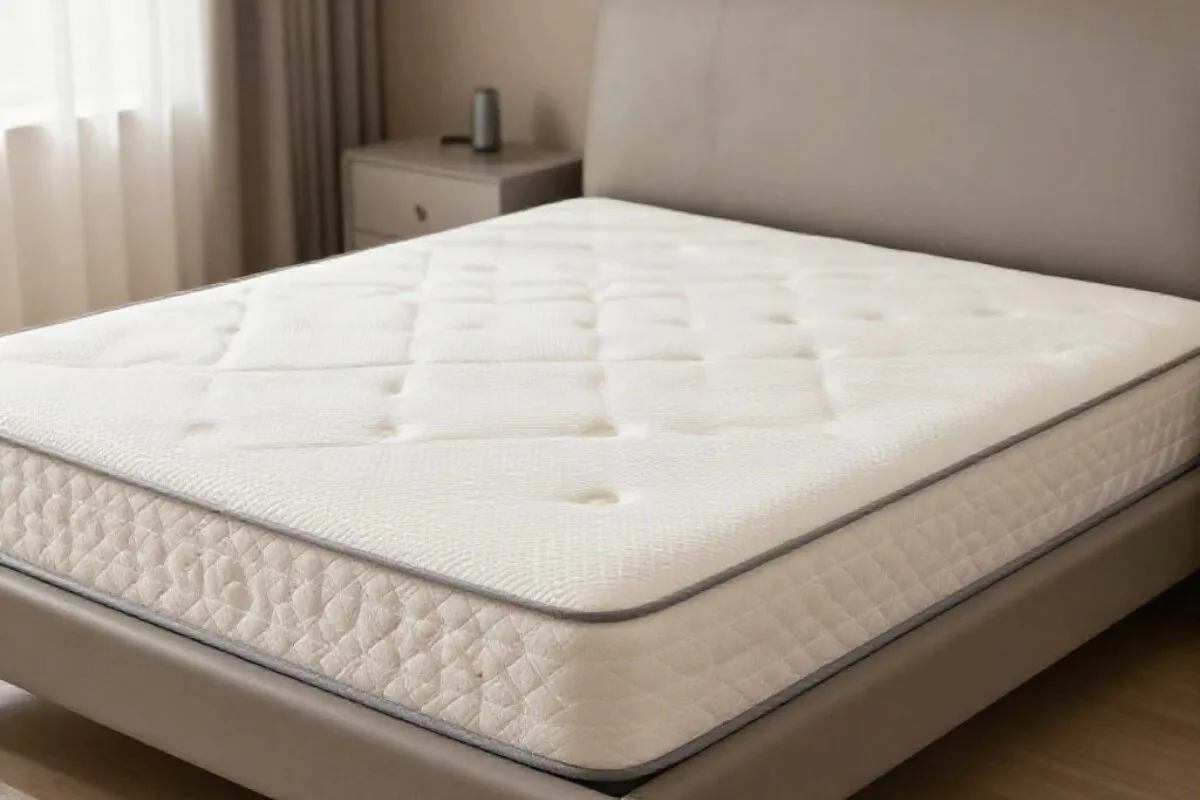
Motion Isolation
Motion isolation is important for couples who share a bed. It refers to how well a mattress absorbs movement so one person doesn’t feel the other shifting. Without it, sleep can be disturbed every time a partner moves.
Memory foam mattresses and some hybrid models with thick foam layers handle motion well. Features like plush foam on top, dense comfort layers, and individually wrapped coils improve motion control. Traditional spring mattresses without these features tend to transfer more movement.
Couples where one partner wakes up often should focus on motion isolation when picking a mattress. It can help both people sleep through the night with fewer interruptions. Choosing the right mattress reduces tossing, turning, and restless nights.
Temperature Regulation
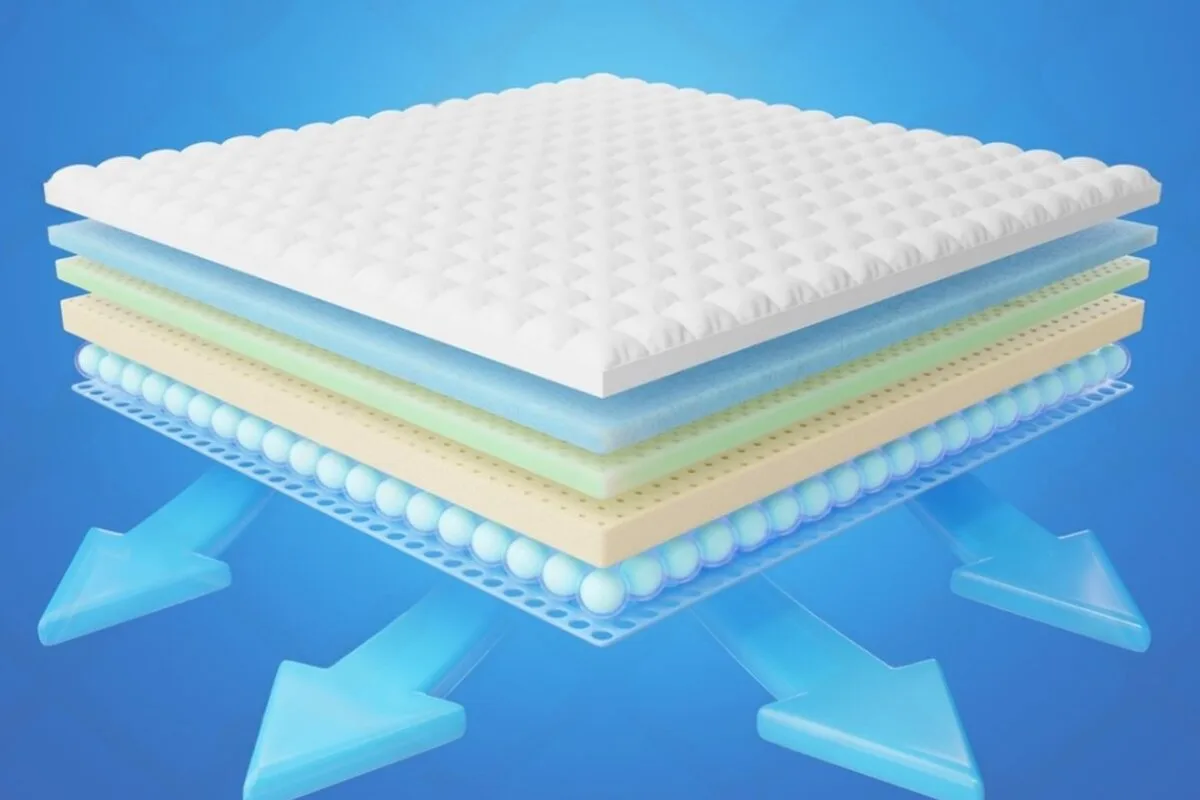
When two people share a bed, body heat adds up, and it can get uncomfortably warm. Mattresses with cooling features help keep the temperature down. Options like gel‑infused foam, breathable covers, open‑coil designs, or natural latex improve airflow. These materials let heat escape instead of trapping it, so sleepers don’t wake up sweaty. Air can move through the mattress more easily, and the surface stays cooler. This can help both partners rest without constantly adjusting blankets or tossing and turning.
Choosing a mattress with these features is useful for anyone who gets warm at night. Gel layers or latex provide a cooler feel, and open coils allow air to circulate. A breathable cover completes the setup and keeps the bed comfortable all night.
Edge Support
Edge support refers to how firm and stable the sides of a mattress feel when someone sits or lies near the edge. For couples, strong edge support can create more space to sleep comfortably and make getting in and out of bed easier without sinking. It also helps reduce the feeling of rolling off the bed. Mattresses with innerspring or hybrid constructions tend to have better edge support because they often include reinforced edges. Memory foam mattresses can feel softer at the sides, which might not be ideal if both people use the full width of the bed.
Choosing a mattress with solid edge support can make shared sleeping more comfortable and practical. It allows couples to use the entire surface of the bed and adds stability for sitting, lounging, or moving around at night.
Considering Body Weight and Sleeping Styles
Body weight and sleeping position affect the type of mattress a person prefers. Side sleepers put more pressure on their shoulders and hips, so a softer to medium mattress helps relieve that pressure. Back sleepers need support that keeps the spine straight, usually a medium to medium-firm mattress. Stomach sleepers need firmer support to prevent the hips from sinking. When choosing a mattress, consider both comfort and support. A mattress that is too soft can cause misalignment, while one that is too firm can create pressure points. Finding a balance helps maintain proper posture during sleep.
Couples with different sleeping styles should look for a mattress that offers a balanced feel. It should be supportive enough for back or stomach sleepers but still soft enough for side sleepers. This way, both partners can sleep comfortably through the night.
Mattress Sizes for Couples
Couples need a mattress that fits both comfortably. A queen is the most common choice and gives enough room for two average-sized adults. A king offers more space and is good if one or both partners move a lot during the night. A California king is longer but narrower than a standard king, which helps taller sleepers stretch out. Choosing the right size can prevent feeling cramped. Bigger beds let each person have more personal space.
Having extra room can make sleeping easier and less disruptive. Couples can avoid rolling into each other during the night. Picking a mattress size that suits both bodies helps everyone rest better.

Trial Periods and Warranties
When buying a mattress, check if it includes a trial period and a warranty. Trial periods usually last three to four months, giving time to test the mattress. It helps couples see if the mattress suits both people. Sleeping on it for several weeks can show how it feels for different preferences. This prevents one partner from ending up uncomfortable while the other is fine.
Warranties are often ten years or longer, protecting against defects. They usually cover issues that appear over time, like sagging or broken springs. They give reassurance that the mattress will last. Combining a solid trial with a long warranty helps buyers make a confident choice.
Final Thoughts
Choosing a mattress as a couple doesn’t have to be complicated. It starts with understanding each other’s sleep habits, body types, and what matters most, like firmness or motion isolation. Once you know these, finding a mattress that fits both needs becomes easier. Considering the ideal thickness, key features to consider, and firmness that work for both ensures restful sleep and prevents back pain for couples.
Testing the mattress together is important, and trial periods can help avoid mistakes. Take your time and don’t rush. Picking the right mattress can improve sleep, comfort, and make sharing a bed less stressful. Knowing your priorities and communicating about them helps you make a choice that works for both. A mattress that supports both partners creates better rest and fewer disturbances. With this approach, couples can sleep well together without compromise.