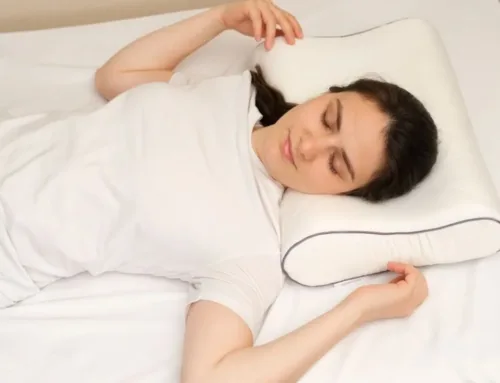

Finding the right mattress can be hard, especially for heavier people. You need more than just something soft. The mattress should give solid support, relieve pressure, and hold up over time. For heavier sleepers, mattress type best for heavy people, memory foam performance for heavy people, and if hybrid is great for heavy people, are all important in support, comfort, and durability throughout the night.
Memory foam and hybrid mattresses handle weight differently. Each has advantages depending on what you need, like support, comfort, or durability. Choosing the right one can affect how well you sleep and how your body feels in the morning. In this post, we’ll explore the key differences between memory foam and hybrid mattresses. This will help show which option fits bigger bodies better. You’ll get a clear idea of what to look for and why it’s important.
Key Takeaways
- People over 230 pounds need a mattress that supports weight and relieves pressure.
- Memory foam cushions joints and limits motion, but high-density foam (4–5 lb+) prevents sinking.
- Hybrid mattresses combine coils and foam for better edge support and weight distribution.
- Medium-firm to firm mattresses (6.5–8) help keep the spine aligned for back or stomach sleepers.
- Check the build quality. 13–15 gauge coils, dense comfort layers, and materials for heavier bodies.
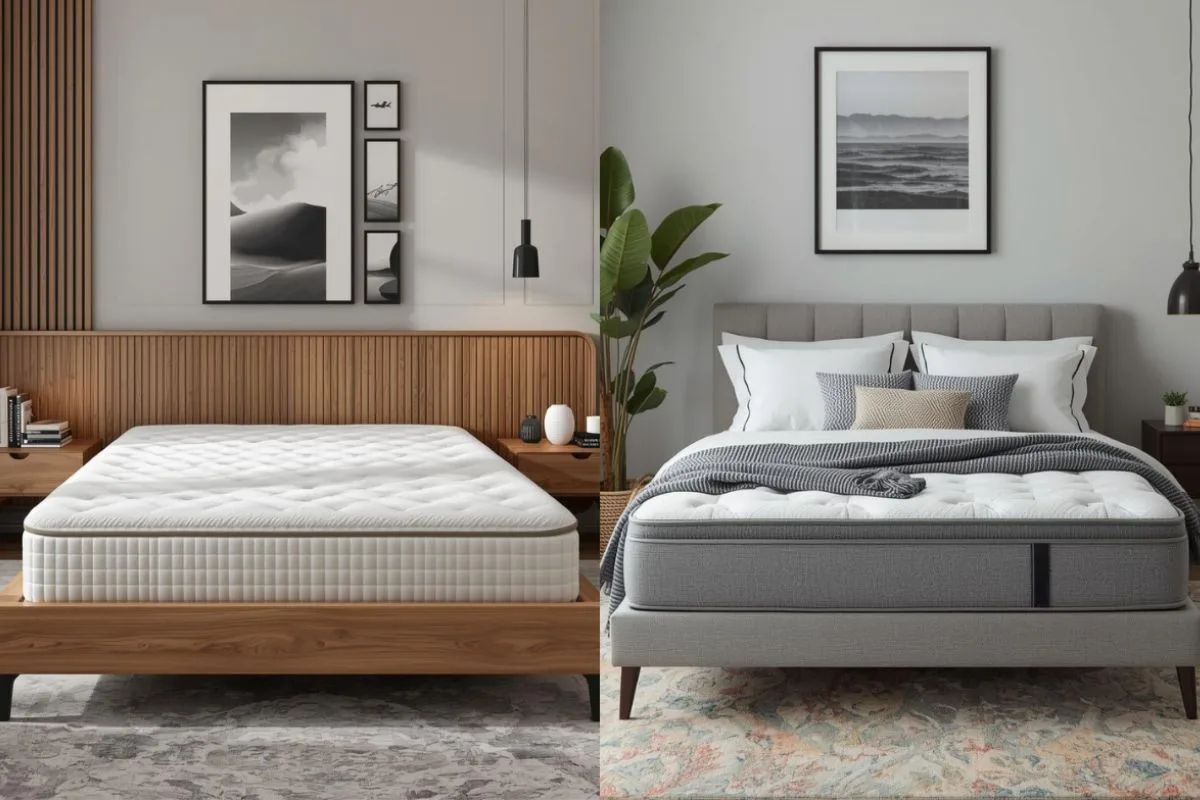
What Is A Memory Foam Mattress?
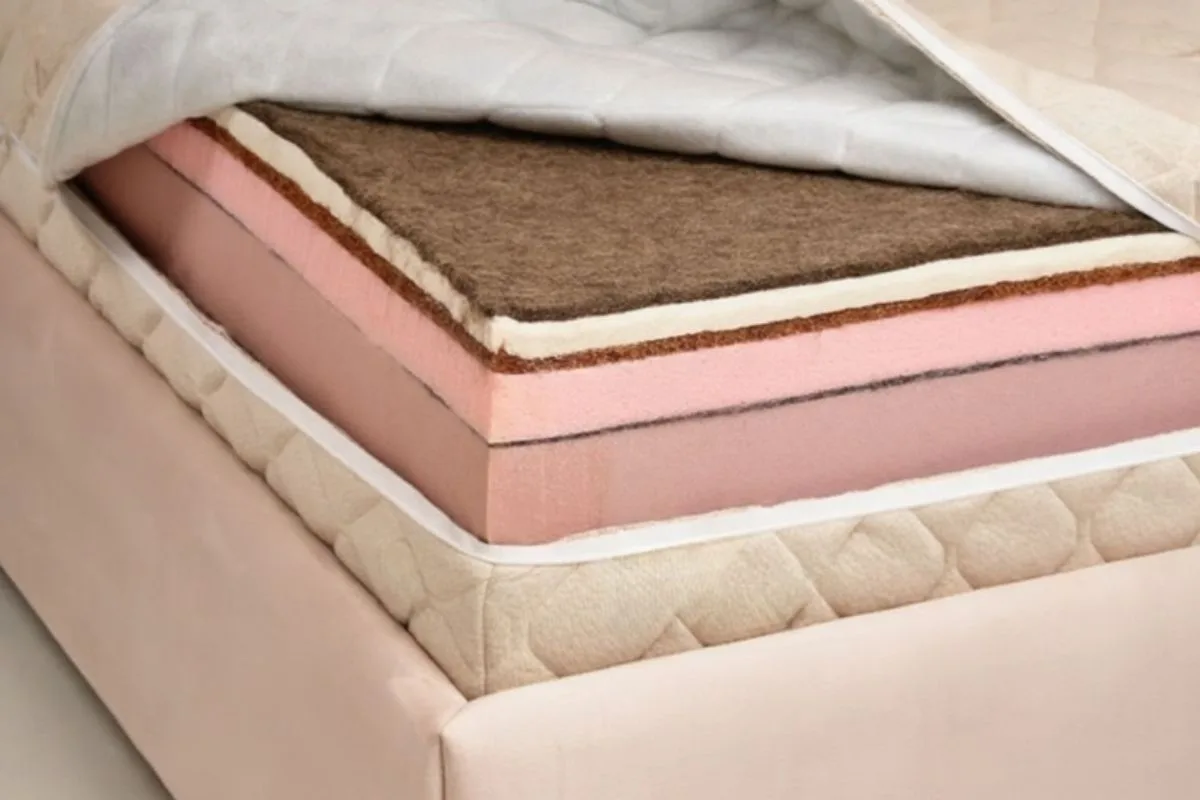
Memory foam mattresses are made of thick layers of soft foam that shape to the body. When someone lies down, the foam hugs their curves and eases pressure on joints. This creates a sinking-in feeling that also reduces movement from a partner.
Memory foam isn’t perfect. Heavier people might sink too much, which can misalign the spine. Lower-density foam wears out faster, forming dips that reduce support over time. High-density memory foam is more durable, especially at 5 lb/cu ft or higher. It can provide strong pressure relief for sleepers who need it. But the key is choosing foam that is built to last.
What Is A Hybrid Mattress?
A hybrid mattress has springs inside with foam or latex on top. The coils give support while the foam adds comfort. It’s a simple way to get both support and softness in one bed. People who like a mix of bounce and cushioning usually prefer hybrids. The springs hold up heavier weight better than all-foam beds. They also let air move through, which can help keep the mattress cooler. Many hybrids have stronger edges and last longer than foam-only options. This combination can make sleep feel more balanced for different positions.
But not all hybrids are the same. Look for good-quality coils and dense foam if you weigh over 230 pounds. Cheaper models can sag and lose comfort fast. Choosing the right one can help you avoid early wear and extra costs.
Mattress Firmness
Mattress firmness is important for people who are heavier. A mattress that’s too soft can let your hips sink too far, which can hurt your back. Too firm, and your shoulders or hips don’t get enough give, creating pressure points. Most heavier sleepers do better with something between medium-firm and firm, around a 6.5 to 8 on a 10-point scale. Hybrid mattresses usually hit this range, giving both support and comfort. Memory foam can work too, but it needs to be dense and avoid sinking too much.
Mattress thickness, whether a heavier person’s need for firmer support, and mattress suitability for heavier sleepers combine to ensure proper spinal alignment, pressure relief, and long-lasting comfort.
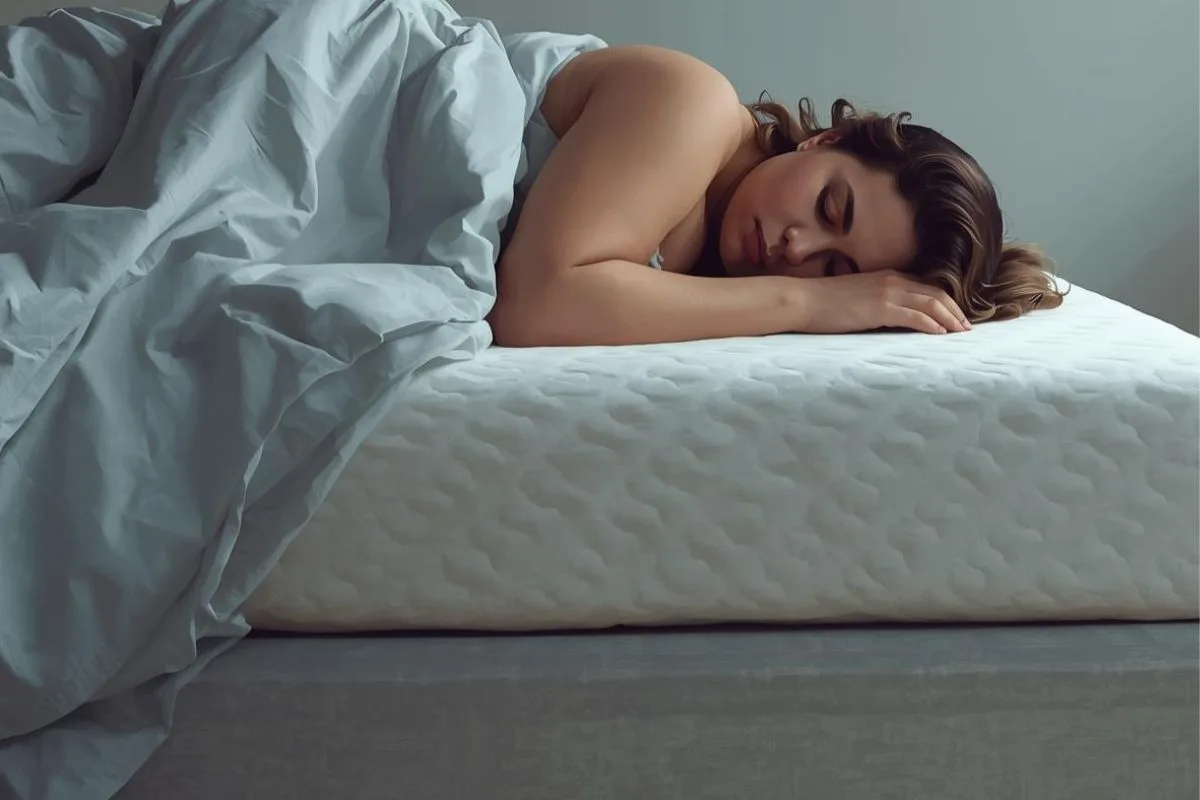
Memory Foam Vs Hybrid
Memory foam mattresses are good for relieving pressure and keeping motion from spreading across the bed. They can trap heat, which might make sleeping hot an issue. Heavier sleepers may notice sagging, and the edges feel softer with less bounce.
Hybrid mattresses combine coils with foam for stronger overall support. They tend to sleep cooler because air can move through the layers. The edges are firmer, and there is a bit more bounce than memory foam. For people with more weight, the coils in a hybrid provide extra support. This helps the mattress keep its shape over time. Hybrids may cost more, but the durability and support can be worth it.
Sleeping hot at night? Explore our guide to the best cooling mattresses and compare options designed for airflow, temperature control, comfort, and support.
Edge Support
Sitting on the edge of a bed can feel risky if the mattress doesn’t hold up. Poor edge support can make the bed feel smaller and less stable. This is something to notice before buying.
Memory foam mattresses are softer around the edges. This can make it harder to move or feel secure on the bed. For larger bodies, it might make the bed feel tighter than it actually is. Hybrid mattresses, on the other hand, usually have firmer edges because of the coil base. That extra support helps when sitting, getting in, or getting out of bed. Heavier people especially benefit from this stability.
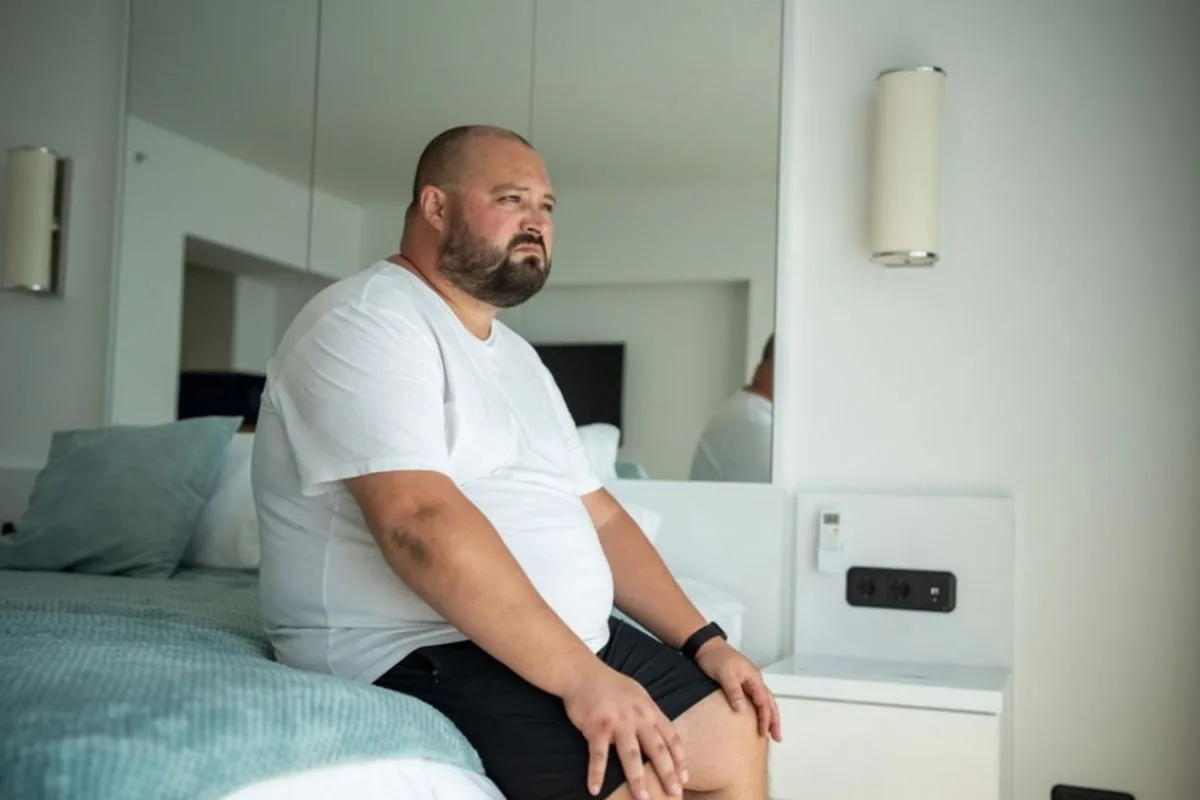
Mattress Durability
Durability is important because weight puts pressure on a mattress. Low-quality mattresses wear out faster and can cause discomfort. Choosing a bed that can handle weight is key. A mattress that breaks down quickly can affect sleep and posture over time.
Memory foam lasts longer when it has the right density. The comfort layer should be at least 4–5 pounds per cubic foot. The base layer should be around 1.8–2 pounds per cubic foot. Higher-density foam usually holds up better under daily use. Hybrids can be more durable than memory foam. Look for pocketed coils with a gauge of 13–15. High-density foam or latex in the comfort layer helps the bed hold up over time. A well-made hybrid can keep its shape and support for years.
Mattress Cooling
Memory foam can hold heat, and heavy sleepers may feel it more. Some newer memory foams have cooling gels or open-cell designs, but they still trap more warmth than other options. People who sleep hot might wake up in the middle of the night because of it.
Hybrid mattresses have coils that let air flow through the bed. This design helps keep the mattress cooler for those who sleep hot. The feel is a bit firmer, but it helps with temperature regulation. If someone lives in a warm climate or tends to overheat at night, a hybrid can help reduce nighttime sweating. It lets heat escape instead of holding it close to the body. Choosing the right mattress can improve comfort and help you sleep more steadily.
Mattress Materials Matter For Heavy Sleepers
Mattress materials are important, especially for heavier sleepers. Heavier bodies press down on the mattress, so cheap or low-quality materials can wear out quickly. Polyfoam and low-density memory foam can sag and lose shape fast. Natural latex lasts longer and bounces back better, making it more durable. Hybrid mattresses with individually-wrapped coils spread weight evenly and reduce motion. This helps the mattress feel stable and supportive over time.
For people over 230 lbs, higher-density foams and strong coils are best. Look for memory foam that’s 4–5 lb+ and coils made from 13–15 gauge steel. These materials hold up longer and provide steady support for heavier sleepers.
How Body Type And Sleep Position Affect Mattress Choice
A person’s body weight and sleeping position is important in choosing a mattress. Back sleepers who are heavier need a firm surface to keep their hips from sinking. A medium-firm hybrid or dense memory foam usually gives the support they need.
Side sleepers with more weight need pressure relief for their shoulders and hips. A hybrid mattress with a plush top or zoned memory foam or latex can help prevent aches. It keeps the body aligned while still soft enough at the shoulders. Stomach sleepers need extra support to stop their midsection from sagging. Firmer hybrids with minimal cushioning are better for this style. Combo sleepers should look for a mattress that balances bounce and contouring, like a responsive hybrid or latex hybrid. Soft beds should be avoided since they let the body sink too much, which can lead to back pain.
Final Thoughts
Choosing between a memory foam or hybrid mattress as a heavier person comes down to what matters most. Memory foam can feel soft and cradling, which some people like. But hybrids usually give stronger support, better cooling, and last longer.
For heavier sleepers, firmness choice and awareness of key factors for heavy people when buying a mattress together ensure proper support, comfort, and durability over time.
If you like sinking in and prefer memory foam, a high-density option can still give a good night’s sleep. But if you want something that holds up, makes moving easier, and stays cooler, a hybrid is usually better. It’s about what fits your body and sleeping style.
The most important part is the mattress’s build quality. Look for dense foam, sturdy coils, and designs that can handle weight without sagging. A mattress that supports your body and lasts will help you wake up without aches and feel ready for the day.