

Sleep problems are common for people with obsessive-compulsive disorder (OCD). Intrusive thoughts and compulsive behaviors can make it hard to fall asleep or stay asleep. The constant cycle of worries and rituals can disrupt rest. Sleep can become a real challenge for those with OCD. This disruption affects more than just sleep. It can make OCD symptoms worse. Trouble sleeping can raise anxiety and make it harder to control obsessive thoughts, creating a cycle that is tough to break. Understanding this link helps in finding ways to improve both sleep and OCD.
Therapy and lifestyle changes can help reduce how much OCD affects sleep. Addressing sleep and OCD together allows people to rest better and support their mental health.
Key Takeaways
- OCD can make falling or staying asleep difficult because of intrusive thoughts and rituals.
- Poor sleep can worsen OCD by raising anxiety and lowering coping skills.
- Combining therapy with healthy habits can support better sleep and OCD management.
- A medium-firm mattress that supports the body and eases pressure can help calm the mind and improve sleep for people with OCD.

The Relationship Between OCD and Sleep

Obsessive-compulsive disorder (OCD) and sleep affect each other in several ways. Intrusive thoughts and compulsive actions can make it hard to fall or stay asleep. At the same time, poor sleep can make OCD symptoms worse. Both brain function and emotional responses play a role in this connection.
How Obsessive Thoughts Affect Sleep
People with OCD often experience unwanted thoughts at night. These thoughts can cause anxiety and make falling asleep difficult. They may lie awake, thinking about rituals or seeking reassurance. Checking behaviors or mental rituals at night can break sleep into fragments. This can delay sleep schedules, leaving the mind active long after bedtime. Poor sleep then causes daytime fatigue and can make OCD symptoms harder to manage.
Sleep Loss and OCD Influence Each Other
Lack of sleep and OCD feed into each other. When someone with OCD doesn’t sleep well, emotions become harder to manage. This can increase negative thinking and strengthen obsessions. Research shows sleep problems worsen OCD even when depression is not involved. Poor sleep reduces the ability to control intrusive thoughts.
Severe OCD can also make sleep difficult, and people with sleep issues may see slower progress in treatment. Treating sleep and OCD together can help break this cycle.
Brain and Emotional Factors
Sleep affects parts of the brain that control emotions and thoughts, like the prefrontal cortex. Changes in these areas can make controlling obsessions harder. Emotional patterns like repetitive negative thinking get worse when sleep is poor. Avoiding uncomfortable thoughts or feelings changes how sleep problems affect OCD. People who face thoughts less avoidantly may notice a stronger link between poor sleep, negative thinking, and OCD.
Common Sleep Problems in OCD
People with OCD usually struggle to fall asleep. Intrusive thoughts and mental rituals keep the mind active at bedtime. This makes it hard to relax and can stretch the time it takes to actually fall asleep. Many lie awake for hours, replaying worries or feeling the need to perform compulsions before resting. This constant mental activity can lead to chronic sleep loss.
Not getting enough sleep can make OCD worse. It weakens impulse control and raises anxiety. The brain finds it harder to manage intrusive thoughts, creating a cycle of poor sleep and worsening symptoms.
Nighttime Awakenings and Fragmented Sleep
Even after falling asleep, people with OCD may wake up often during the night. These interruptions break sleep and prevent deep rest. Awakenings can happen because of leftover anxiety or urges to do compulsive behaviors. Some get up to check locks, clean, or repeat mental checks. This stops them from falling back asleep quickly.
Broken sleep lowers rest quality and leaves someone tired and emotionally sensitive during the day. Feeling drained can make OCD symptoms worse, since the brain is less able to handle intrusive thoughts.
Delayed Sleep Phase Disorder
Delayed Sleep Phase Disorder (DSPD) shifts the body’s internal clock. People with it often fall asleep very late and wake late in the morning. In OCD, rumination and bedtime rituals can push sleep even later. This can clash with work or social schedules and lead to daytime fatigue.
DSPD can worsen OCD by increasing anxiety and making it harder to follow routines. Late sleep patterns may make compulsions and intrusive thoughts harder to manage.
Nightmares and Restless Sleep
Nightmares are common for people with OCD. Disturbing dreams often mirror obsessions, like fears of harm or contamination. These dreams can make going to sleep feel stressful. Restless sleep can also come from tension and hyperarousal caused by OCD-related stress. Repeated nightmares and poor sleep add to daytime fatigue and emotional strain. Being tired reduces the brain’s ability to manage emotions and resist compulsions, which can worsen OCD symptoms.
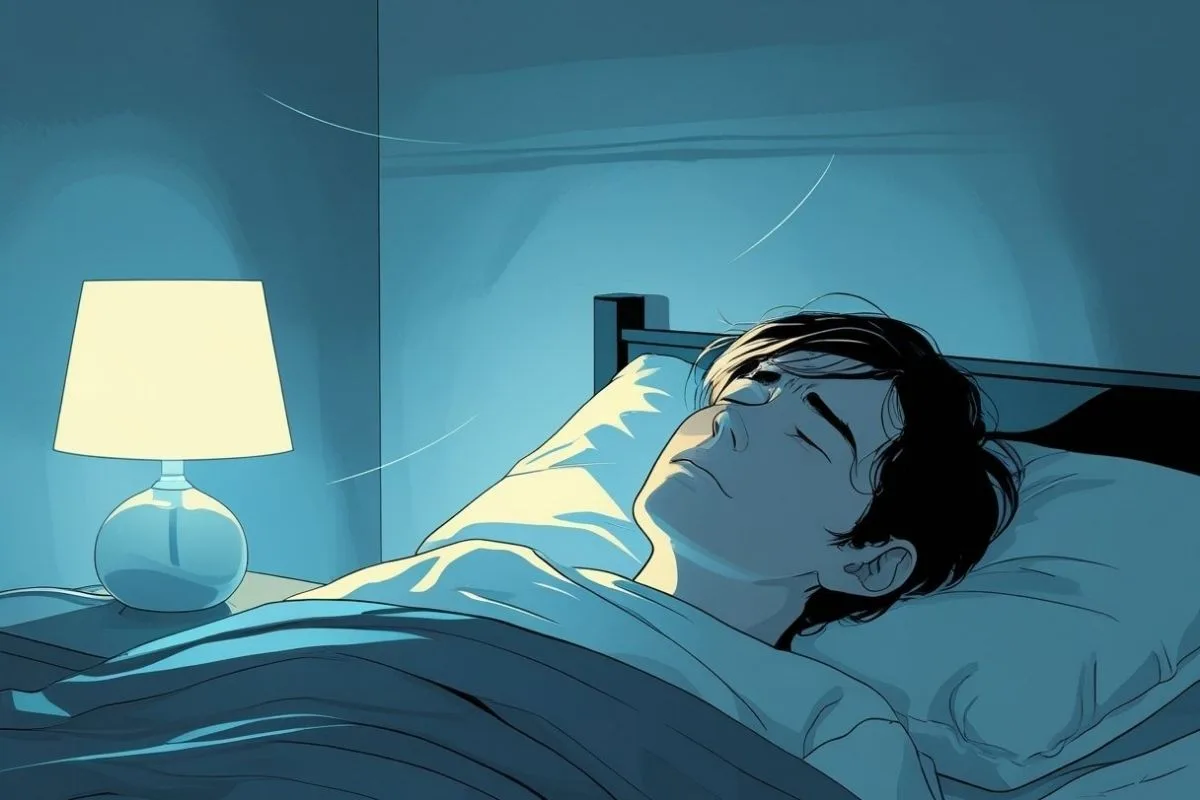
OCD Rituals and Sleep Disruptions
OCD can cause specific behaviors and mental habits that interfere with sleep. These include repeated actions before bed, waking up during the night to do something, and anxious thoughts that repeat in the mind. Together, these make it hard to fall asleep and stay asleep.
OCD Rituals Before Bedtime
Many people with OCD have rituals before bed. They might check locks, lights, or appliances multiple times. These tasks can take longer than expected and delay going to sleep. They may feel the need to do these actions perfectly to avoid something bad happening. This can be frustrating and make bedtime stressful. The longer the rituals take, the later they sleep, which can lead to insomnia. What should be a calming routine becomes tense and tiring.
Compulsions During the Night
Some people wake up at night feeling they have to do something to relax again. This could be checking doors, rearranging items, or reviewing the day in their mind. These interruptions break sleep and lower its quality. The need to complete these tasks can cause multiple awakenings and fragmented sleep. Over time, this increases tiredness and worsens OCD, creating a tough cycle.
Rumination and Pre-Sleep Anxiety
Before sleep, intrusive thoughts and worries can take over. People with OCD might replay events or think “what if” questions repeatedly. This keeps the mind active when it should be resting. These loops make it hard to relax and fall asleep. The need for reassurance adds tension and can cause insomnia. This anxious thinking and sleep loss can make OCD symptoms worse, making good sleep even harder to get.

Diagnosing Sleep Disturbances in OCD
Sleep problems linked to OCD have specific patterns that differ from other disorders. It’s important to figure out whether sleep issues come from OCD or a separate sleep disorder.
Recognizing Unique Sleep Patterns in OCD
People with OCD often have trouble falling or staying asleep. Intrusive thoughts or compulsive behaviors can keep their minds active at night. This can shorten sleep and reduce sleep quality.
Common sleep problems in OCD include:
- Difficulty relaxing before bed
- Waking up multiple times at night
- Feeling tired or unrested in the morning
Tracking these patterns helps show how OCD affects sleep. Sleep issues can get worse when OCD symptoms flare. Compulsions or anxiety can create a cycle that reduces rest over time.
Separating OCD Sleep Issues from Other Disorders
It’s important to tell the difference between sleep problems caused by OCD and those caused by other disorders like insomnia or sleep apnea. People with OCD may also have another sleep disorder that needs a different approach.
Signs to look for include:
OCD-related sleep issues:
- Nighttime intrusive thoughts
- Compulsive rituals at bedtime
- Anxiety-driven wakefulness
Other sleep disorders:
- Loud snoring or gasping for air
- Excessive sleepiness during the day
- Sudden, uncontrollable sleep attacks (narcolepsy)
Doctors may need a detailed history or sleep studies to find the root cause. Correctly identifying the problem helps treatment address both OCD and sleep issues.
Impact of Sleep Deprivation on OCD Symptoms

Sleep deprivation can make OCD harder to manage. It changes how the brain handles thoughts and emotions. Poor sleep can create a loop where OCD worsens sleep, and poor sleep worsens OCD.
When someone with OCD doesn’t get enough rest, it’s harder to control intrusive thoughts and compulsive behaviors. Mental clarity and focus drop, making it tough to resist urges. Emotional regulation also suffers, increasing anxiety, irritability, and distress. Sleep loss can weaken coping strategies learned in therapy and affect memory, making it harder to stick to treatment plans.
OCD and sleep problems often feed each other. Nighttime anxiety and intrusive thoughts can make it hard to fall asleep or stay asleep. Poor sleep then worsens OCD the next day, increasing anxiety and compulsions. Over time, this cycle can make symptoms more severe and harder to treat. Addressing sleep problems can help reduce OCD severity and improve daily life.
Effects of sleep deprivation on OCD:
- Increases anxiety and compulsions
- Lowers ability to resist intrusive thoughts
- Causes difficulty falling or staying asleep
- Creates a cycle that’s hard to break
Managing OCD and Improving Sleep Quality

Sleep issues linked to OCD need targeted approaches. Addressing intrusive thoughts and compulsive behaviors while keeping healthy sleep habits is key. Sticking to routines, using relaxation methods, and getting professional help can improve sleep for those with OCD.
Cognitive Behavioral Strategies for Nighttime OCD
Cognitive Behavioral Therapy (CBT) can reduce the thoughts and behaviors that interrupt sleep. Exposure and Response Prevention (ERP) helps people face fears without doing compulsions, which can make falling asleep easier.
CBT also shows ways to handle obsessive thoughts before bed. Mindfulness and deep breathing can lower anxiety and calm the mind. These strategies target the root of OCD symptoms and help stop nighttime sleep disruptions.
Sleep Hygiene and Bedtime Routines
Good sleep hygiene matters for OCD sleep problems. Going to bed and waking up at the same time every day keeps the body’s clock steady.
A relaxing bedtime routine signals the body to wind down. Reading, gentle stretching, or a warm bath can reduce stress. Avoid caffeine, nicotine, and heavy meals close to bedtime. Limiting screens before sleep is helpful. Blue light can affect melatonin, which controls sleep. Keeping the room dark, quiet, and cool also supports better rest.
When to Seek Professional Help
If sleep problems continue, a mental health professional can help. Therapists can suggest CBT, ERP, or medication like SSRIs to manage OCD and sleep issues. Persistent insomnia, waking often at night, or severe sleep anxiety should be evaluated. Professionals can also guide relaxation techniques and routines. Early help can protect mental health and improve sleep over time.
Mattress Choices and Sleep Quality for Individuals with OCD
Choosing the right mattress can affect sleep for people with OCD. Anxiety and restlessness can make it hard to fall asleep, so a supportive mattress helps create a calm space. Comfort can ease muscle tension and reduce some mental stress before bed.
Mattresses that relieve pressure, like memory foam or hybrid types, can help. These mattresses contour to the body and limit tossing and turning. A balance of softness and support prevents discomfort, which can trigger obsessive thoughts about how the body feels. A medium-firm mattress usually gives the best balance. It supports the spine and reduces pressure on hips and shoulders, which helps lower nighttime fixations and interruptions. Key features for sleep include:
- Pressure relief: eases discomfort and reduces tossing
- Medium-firm support: keeps the spine aligned and prevents soreness
- Temperature control: maintains a steady sleep temperature
- Motion isolation: limits disturbances from a bed partner
A mattress with foam and pocketed coils can cover those needs. The Novilla Queen Mattress 12″ Hybrid Mattress has gel‑infused memory foam over a coil support system. The foam helps with pressure relief while the coil core keeps the body aligned and lets air flow through. It also has reinforced edges so the surface feels stable near the sides.
Adding comfortable bedding with a supportive mattress can make a room feel more relaxing. When muscle tension drops, the brain may calm down faster. A mattress won’t fix every sleep issue tied to OCD, but it can be a key part of a sleep setup that helps someone rest more deeply.

Frequently Asked Questions
Sleep problems in people with OCD usually include trouble falling asleep, waking up many times at night, and not feeling rested. Treatment can include medication, therapy, and changes in daily routines. Other mental health conditions can also affect sleep for those with OCD.