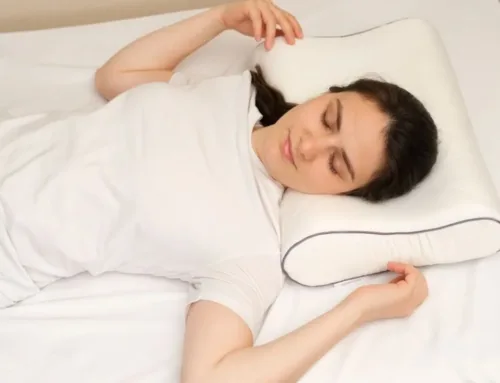

Many people notice changes in their sleep when they start a ketogenic diet. Some sleep deeper, while others struggle with trouble falling asleep or waking up from strong dreams. The shift happens because the body is learning to run on fewer carbs and more fat.
Sleep problems on keto usually show up in the beginning. The body is trying to enter ketosis, and that adjustment can affect rest. These changes tend to settle down as the body gets used to the new routine, but knowing why it happens can help someone handle it better. Simple steps can ease these sleep problems. A slow change in carb intake or a calmer bedtime routine can help the body rest again. And if sleep doesn’t improve, it may be time to adjust the diet or talk to a professional.
Key Takeaways
- Keto may cause temporary changes in sleep patterns.
- Sleep issues improve as the body adjusts.
- Simple adjustments can help restore better sleep on keto.
- A cooling and supportive mattress can improve sleep for those on a ketogenic diet, which helps the body adjust to ketosis and maintain steady sleep cycles.

Keto and Sleep: The Fundamental Connection

The ketogenic diet changes how the body gets its energy. This shift can affect sleep in different ways. Some people struggle to sleep at first, while others notice improvement later. These changes come from how the body adjusts its metabolism and brain chemicals linked to rest and alertness.
What Is Keto Insomnia?
Keto insomnia is a term people use when they start having sleep problems after beginning a ketogenic diet. It usually shows up as trouble falling asleep, light sleep, or waking up many times. This happens because the body is learning to function with low carbs, which can lower melatonin and adenosine, two chemicals that help regulate sleep.
This phase usually lasts up to four weeks while the body shifts from using carbs to using fat and ketones for fuel. People dealing with it may also feel “keto insomnia” symptoms like headaches and low energy. Drinking enough water and starting the diet slowly can help lessen these issues.
How Keto Diet Affects Sleep
The keto diet changes the body’s main energy source from glucose to ketones. This can affect hormones and brain chemicals tied to sleep. In the beginning, eating fewer carbs may reduce melatonin, which can interrupt normal sleep patterns. As the body adjusts, keto can help calm the nervous system by increasing adenosine. Adenosine helps settle the brain and supports deeper sleep. Lower inflammation from weight loss may also help improve sleep with time.
Common Sleep Changes on Keto
People may notice different sleep changes on keto. Some deal with insomnia at first, while others feel they sleep deeper once their body adapts. Common changes include:
- Harder time falling asleep at the start
- More awakenings through the night
- More REM sleep as the body adapts
- Less daytime tiredness for some people
These changes depend on each person and how closely they follow the diet. Keeping good sleep habits can ease the early sleep issues and help maintain a steady sleep routine while on keto.
For more on managing keto insomnia and sleep changes, see this article on keto insomnia and managing sleep.
Why Keto Causes Sleep Disturbances
Starting a ketogenic diet can change how a person sleeps. The body shifts its balance and energy use, and these changes affect systems that support steady, restful sleep. Understanding the causes can help someone manage keto insomnia or low carb insomnia.
Electrolyte Imbalances and Dehydration
When someone begins keto, they cut carbs, and the body releases more water and electrolytes like sodium, potassium, and magnesium. Carbs help the body hold water, so eating fewer carbs means more water leaves the system.
Electrolytes support nerve function and help muscles relax. These are both important for sleep. When levels drop, a person may feel muscle cramps, restless legs, or trouble falling asleep. This leads to keto diet insomnia.
To ease these problems, someone can:
- Drink more fluids
- Eat foods with natural electrolyte-rich food like leafy greens, avocados, and bone broth
- Add magnesium or potassium supplements if needed
Keeping electrolytes steady helps the body restore normal nerve and muscle activity, which supports better sleep during the adjustment phase.
Blood Sugar Fluctuations
Keto pushes the body to switch from using glucose to using fat for fuel. This change can make blood sugar levels unstable at first. It may feel like carb withdrawal. A person might notice irritability, low energy, or trouble sleeping. When blood sugar drops at night, the body may release adrenaline and cortisol. These hormones increase alertness and interrupt sleep cycles. This can cause ketosis insomnia or what some call keto can’t sleep nights.
To steady blood sugar, someone can:
Lower carbs slowly instead of cutting them all at once
Eat small keto snacks like nuts or cheese if needed
Avoid eating late at night to reduce stress on digestion
These steps help the body adjust to fat burning without sudden drops in energy that interfere with sleep.
Hormonal Shifts and Cortisol Changes
Starting keto can raise cortisol, the body’s stress hormone. A low carb intake may signal the body to respond as if it is under stress. This can increase cortisol in the evening. High cortisol disrupts the sleep cycle. It becomes harder to fall asleep or stay asleep. This is a common cause of keto insomnia or low carb insomnia during the first few weeks.
To help manage cortisol, someone can:
- Practice simple calming habits like deep breathing or meditation
- Keep a steady bedtime routine
- Limit caffeine later in the day since keto can increase sensitivity to it
These habits support lower cortisol levels and improve sleep during keto.
For more details on these causes and how to manage keto sleep problems, see keto insomnia resources from Shunketo.

Typical Symptoms of Keto-Related Sleep Issues
When someone starts the keto diet, they may notice changes in how they sleep. These changes can include trouble falling asleep, waking up during the night, or feeling tired the next day. Seeing these signs helps them understand keto insomnia and handle it in a practical way.
Difficulty Falling Asleep
Difficulty falling asleep is common during the first stage of keto. The body is shifting from using carbs to using fat for energy. During this shift, blood sugar can drop and cause a rise in adrenaline. This creates tension and slows down the process of falling asleep.
A drop in carbs also lowers serotonin. This hormone helps set the sleep cycle. When serotonin goes down, it can take longer for a person to drift off. Caffeine can make the problem stronger, especially late in the day. People who struggle to sleep on keto may need to check their caffeine habits and build a calm routine before bed.
Night Wakings and Restless Sleep
Waking up at night is another common issue. One cause is increased urination. Keto triggers a diuretic effect, so the body releases more water and creates more bathroom trips.
Low magnesium or sodium can also disturb sleep. These minerals support muscle relaxation and help the nervous system settle down. If levels drop, the sleeper may deal with restlessness or light sleep. Stress and hunger add more interruptions. Early keto stages can raise stress hormones and hunger cues, making it harder to stay asleep through the night.
Daytime Fatigue and Grogginess
People with keto insomnia may feel drained or slow during the day. Poor sleep leaves the body without enough time to recover.
The shift to fat-burning can also bring short periods of low blood sugar. This can lead to daytime tiredness. Some people also eat fewer calories at first, which can raise hunger hormones like ghrelin and lower energy. Managing these signs usually means checking diet, hydration, and sleep habits. Keeping electrolytes steady and reducing carbs in a gradual way can help support energy and lower daytime fatigue.
The main signs of keto-related sleep issues are clear once someone knows what to look for. For more guidance on how keto affects sleep, see the article on keto insomnia symptoms and management.

Duration and Progression of Keto Insomnia
Keto insomnia usually starts soon after beginning the ketogenic diet and changes as the body adapts to ketosis. Its length and intensity depend on individual metabolic responses and lifestyle factors.
How Long Does Keto Insomnia Last?
Keto insomnia usually stays around for 3 to 5 weeks after someone starts the diet. This is the same period when the body shifts from using carbs for energy to using fat. During this time, people may struggle to fall asleep, wake up many times, or feel restless through the night.
The length is different for everyone. Some settle into ketosis within two weeks. Others may deal with sleep trouble for more than a month. Keeping electrolytes steady and changing when carbs are eaten can help shorten this phase. If sleep problems continue past 5 weeks even with changes, it’s a good idea to talk to a doctor. Long-lasting insomnia may come from something other than keto and might need proper care.
Short-Term vs Long-Term Sleep Changes
Short-term sleep issues are common when the body is still adjusting. Hormone changes, low blood sugar, and going to the bathroom at night can break sleep during this stage. These usually improve once the body settles into ketosis. Over time, many say their sleep feels deeper and more restful once they are fully adapted. But this is not the same for everyone. Some may still feel light sleep changes from things like caffeine or stress.
Keeping consistent routines and watching nutrient intake can help handle these shifts. It’s important to know the difference between temporary keto insomnia and sleep problems that stay longer. This helps anyone on keto understand what needs attention and what should ease with time. More details are available on how to manage these in the article on keto insomnia duration and management.
Strategies to Improve Sleep on Keto
Improving sleep on keto starts with small changes in food choices, hydration, and daily habits. When someone manages their nutrients, times their meals better, and keeps a steady sleep routine, it becomes easier to deal with keto insomnia.
Managing Electrolytes and Hydration
Electrolyte changes are common on keto because lower insulin makes the kidneys release more sodium, potassium, and magnesium. This can lead to headaches, cramps, and trouble sleeping. Keeping these minerals steady helps the body relax at night.
Here’s what helps:
- Magnesium-rich foods like almonds, spinach, and chia seeds support melatonin.
- Potassium sources like avocados and broccoli support nerves and muscles.
- Adding a bit of salt to meals or drinking broth keeps sodium steady.
Staying hydrated matters, but drinking too much water before bed may interrupt sleep. Some people use electrolyte drinks made for keto so they can stay balanced without overhydrating. It is also helpful to check if any medication affects electrolyte levels.
Optimizing Meal Timing and Composition
Meal timing can change how someone sleeps on keto. Eating carbs in the evening can help because carbs support tryptophan. Tryptophan turns into serotonin and melatonin. Both support sleep.
Keto-friendly carbs include:
- Cauliflower
- Nuts
- Small portions of berries
Heavy meals close to bedtime can upset the stomach. High-fat meals can do the same. Keeping dinner lighter can reduce this problem. Limiting caffeine at least six hours before bed helps people fall asleep easier. And for anyone struggling with keto insomnia, slowly lowering carbs instead of cutting them all at once can help with the adjustment.
Reducing Stress and Improving Sleep Hygiene
Stress and poor nighttime habits can make keto insomnia worse. A consistent sleep schedule supports the body’s natural rhythm. Going to bed and waking up at the same time each day keeps this rhythm stable.
Helpful habits include:
- Reading or listening to calm music before bed
- Meditation or deep breathing
- Staying away from screens two hours before sleep
Daytime movement helps people sleep better at night. But intense workouts late at night may keep some people awake. A simple bedtime routine with quiet activities can help the body shift into rest mode.
Individual Differences and When to Seek Help
Keto diets affect sleep in different ways depending on many factors. Some people say they rest better, while others deal with sleep issues like insomnia. Knowing who is more likely to feel these changes and spotting signs that need medical care can help. Small adjustments to the diet can also support better sleep.
Who Is Most Affected by Keto Sleep Issues?
People who are new to keto tend to notice sleep problems. Some struggle to fall asleep or stay asleep, and this is sometimes called keto insomnia. Anyone with a history of sleep trouble or anxiety is more likely to feel these effects. Age also plays a role because older adults already deal with changing sleep patterns.
A low carbohydrate intake can affect brain chemicals that help with sleep. Serotonin and melatonin may drop for a short time. People who cut carbs too fast may feel stronger sleep disruptions. Those using keto for medical reasons may also react differently depending on their condition. Tracking sleep early in the diet can help show who is having a harder time.
Indicators for Medical Attention
Sleep problems that last for more than a few weeks on keto should be checked by a doctor. Signs include severe insomnia, daytime sleepiness, mood changes, or trouble thinking clearly. Anyone who shows sleep apnea symptoms or has breathing problems at night needs quick medical care.
If keto sleep issues start to affect daily tasks or mental health, it is time to see a healthcare provider. Symptoms that should not be ignored include:
- Difficulty staying awake during normal activities
- Increased anxiety or depression
- Noticeable problems with memory or focus
- Loud snoring or choking sounds during sleep
Ignoring these signs can delay treatment and affect overall health. A medical professional can check for other causes and suggest the right support.
Adjusting Keto for Better Sleep
Some changes to the keto plan may help improve sleep without stopping the diet. Cutting carbs slowly instead of removing them all at once can reduce sleep problems. Adding foods like leafy greens, nuts, or fatty fish may support natural serotonin and melatonin levels. Eating meals earlier in the day and avoiding caffeine later can help the body settle at night. Staying hydrated and keeping electrolytes balanced is also important because low fluids or minerals can cause restless sleep.
Using a sleep diary can help track what is changing and guide adjustments. Meeting with a dietitian who understands keto and sleep can also help create a safe and personalized plan.
Keto, Sleep Quality, And The Right Mattress
Sleep quality is important for anyone on a ketogenic diet. Rest helps the body stay in ketosis and supports overall health. But good sleep depends on more than just food. One key factor is the mattress. The right support can reduce aches and help keep sleep cycles steady. Keto can change sleep patterns at first, and a comfortable mattress can make that adjustment easier.
Here are some features to consider when picking a mattress for better sleep on keto:
- Firmness: Medium-firm is balanced for many people.
- Pressure Relief: Foam layers ease pressure points that can wake someone up.
- Temperature Regulation: Cooling materials help prevent overheating, which can disrupt sleep.
- Durability: A mattress that keeps its shape supports long-term sleep needs.
Some people on keto notice REM sleep stabilizes once they reach ketosis. Combining that with a mattress that fits their body can help even more. Side sleepers may need extra cushioning. Back sleepers may prefer firmer support. A mattress with cooling features can help, especially for those who sleep warm. The Brooklyn Bedding Aurora Luxe is one option with a cooling feel that keeps the body comfortable all night.
That mattress keeps the surface cool. Its top layer has a “GlacioTex” cover that pulls heat away from the body. Beneath that are foam layers with cooling fibers and gel. They absorb and release heat as needed. Below the foam, individually wrapped coils allow air to flow. They reduce heat buildup and give solid support.
A calm sleep environment matters too. A supportive mattress, breathable bedding, and a dark, quiet room all make it easier to fall asleep and stay asleep while on a ketogenic diet.