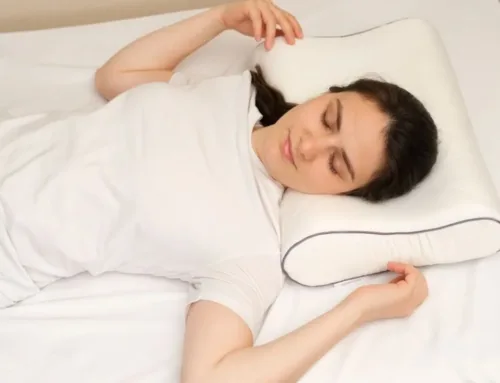

Sleeping while sitting up can be useful when lying down is not possible, like during travel or certain health conditions. The best way to do it is to support the lower back, keep the neck straight, and recline the seat slightly. These steps help reduce pressure and make resting while upright easier. Sleeping upright can feel strange at first because the body is used to lying flat. Proper positioning can help avoid neck pain or stiffness. Moving the legs sometimes and drinking water also help reduce problems from sitting too long.
Knowing how to get comfortable in a seated position can improve rest on planes, in recliners, or for medical reasons. Small adjustments can prevent discomfort and support better sleep while sitting up.
Key Takeaways
- Support and slight recline improve upright sleep.
- Good positioning prevents pain and stiffness.
- Moving and hydrating reduce health risks.
- A mattress with medium firmness, responsive support, and good edge support can make sitting upright comfortable while keeping the spine aligned.

Understanding Sleeping Sitting Up

Sleeping while sitting up is a method some people use for comfort or health reasons. It means resting without lying flat, often in a chair or reclined seat. People might do this while traveling, recovering from illness, or dealing with certain conditions.
What Is Sleeping Upright?
Sleeping upright is when the body is at an angle instead of horizontal. It usually involves sitting with back support, using pillows for the head and lower back. This position can ease pressure on the chest or stomach, which helps people with acid reflux, breathing issues, or heart problems.
Is It Possible to Sleep Sitting Up?
Yes, it is possible, but it can be tricky without proper support. Neck, back, and leg support improve comfort, and a slightly reclined seat helps. While it might not give the same deep rest as lying down, people can still get meaningful sleep with the right setup.
Can Humans Sleep Standing Up?
Humans cannot sleep standing for long because we need balance and muscle control. Unlike some animals, humans do not have joints that lock to allow standing rest. Short naps can happen, but for real rest, a supported seated or reclined position is safer and more comfortable. For detailed techniques on resting comfortably in an upright position, see this guide on sleeping sitting up.
Benefits and Disadvantages of Sleeping Sitting Up
Sleeping while sitting up can help in some situations but also brings challenges. It changes how the body rests and can affect comfort and health. Knowing the effects can help people decide when and how to try this sleep position.
Pros of Sleeping in an Upright Position
Sleeping upright can help people with certain medical issues. For example, those with acid reflux or asthma may feel better because sitting up keeps stomach acid down and eases breathing. It is also suggested for people with COPD or heart problems, as it reduces pressure on the lungs and heart. This position can also reduce snoring and ease sleep apnea by keeping airways open. Some people notice less back or neck pain when sleeping in a recliner or with the head elevated. It can also help after injuries or surgery by limiting movement.
Sleeping upright can be useful while traveling. On long flights, it allows for some rest without a bed. Support for the lower back and neck is important to avoid discomfort.
Cons and Potential Risks
Sleeping sitting up for long periods can cause muscle stiffness, especially in the neck and back. The spine and muscles are not fully supported as they are lying flat. It may also reduce deep and REM sleep, which the body needs to restore itself. One concern is deep vein thrombosis (DVT), particularly if sitting for long hours without moving. Blood can pool in the legs and form clots. Stretching and walking during travel can reduce this risk.
Sleeping upright could strain the heart for some people, though it is usually not an issue for healthy adults. People with heart problems should talk to a doctor before making this a regular habit.
Common Health Concerns
Sleeping upright without proper support may cause poor posture, headaches, or nerve pain. Some might get dry mouth or nasal congestion since lying flat helps mucus drainage.
For most healthy people, occasional upright sleep is safe but may not provide full rest. People with sleep apnea or acid reflux may benefit, but it generally isn’t ideal for long-term sleep. The body needs full muscle relaxation during normal sleep cycles. Those considering sleeping upright regularly should weigh comfort against health risks. Consulting a doctor is wise if symptoms like swelling, pain, or heart problems appear.
Learn more about the pros and cons of sleeping sitting up.

When Should You Sleep Sitting Up?
Sleeping while sitting up is not usually the first choice. But some people need it to rest comfortably or safely. Knowing when to sleep propped up can prevent discomfort and health problems. This position can help with breathing, reduce pain, or work in situations like traveling.
Medical and Health Reasons
Some people sleep sitting up because lying down causes issues. People with acid reflux or heart problems may find relief by keeping their upper body elevated. It can prevent stomach acids from rising and take pressure off the heart and lungs.
Breathing problems, like sleep apnea or COPD, can improve when sleeping upright. It keeps airways open and makes breathing easier. After some surgeries, patients may sleep this way to avoid pain or protect healing areas. But sitting up too long can strain the neck and back and reduce deep sleep. Medical guidance is important to know when this position is safe and effective.
Travel and Other Situations
Sleeping while sitting is common on planes, trains, or cars. These places often lack beds and have limited space. Reclining seats may not lie flat, so sitting up can be more practical. It can also lower risks like deep vein thrombosis by encouraging movement and better blood flow. Neck pillows and reclining the seat help with comfort. Still, long periods in a seated position can cause stiffness or reduce sleep quality. Taking breaks to stretch, staying hydrated, and adjusting the seat to about 40 degrees can improve rest during travel.
How to Sleep Sitting Up Comfortably

Sleeping while sitting up can be easier by focusing on the space, posture, and supportive tools. Comfort and reducing strain matter most. Paying attention to these areas can help maintain rest and prevent pain.
Setting Up Your Space
The first step is creating a comfortable space. Pick a chair or seat with enough padding and room to shift a little. Recliners or seats that lean back slightly take pressure off the spine. Adding blankets or cushions softens hard surfaces and adds warmth. Loose, comfortable clothes help you relax. Controlling light with an eye mask can block distractions. Noise can make sleep harder, so earplugs or noise-canceling headphones help. A quiet, calm area supports falling asleep faster and staying asleep longer. This setup works at home, in offices, cars, or planes.
Proper Sleeping Posture
Keeping the right posture protects your back and neck. Support the back to keep its natural curve. Don’t slouch or lean forward. Try to keep the head in line with the spine. A small pillow or neck roll helps support the neck and limits side-to-side movement. Elevating the legs slightly can help circulation. Shifting positions occasionally reduces stiffness. Gentle stretching after waking eases tension. Small adjustments help prevent soreness and make upright sleep more comfortable.
Recommended Support Accessories
Support tools can make upright sleep more comfortable and reduce pressure. A travel pillow or memory foam neck pillow keeps the head stable and prevents neck pain. Lumbar cushions help the lower back maintain its curve. They’re useful for long periods of sitting upright. Seat cushions or gel pads reduce pressure on hips and tailbone. Weighted blankets or soft throws add warmth and comfort. They can make sleep feel cozier. Accessories designed for upright sleeping improve rest and reduce discomfort.
For more tips on improving sleep comfort while sitting up, see this guide on how to sleep sitting up comfortably.
Risks and Safety Considerations
Sleeping while sitting up can lead to health problems. Paying attention to posture and movement is important. Small adjustments can reduce risks and make it more comfortable.
Deep Vein Thrombosis and Circulatory Issues
Sitting for long periods while sleeping can increase the risk of blood clots in deep veins, especially in the legs. Pressure on veins and limited leg movement can slow blood flow. People who sleep upright for hours are at higher risk if their knees bend sharply or their feet aren’t supported. To lower the risk, legs should be slightly elevated and supported. Standing or stretching every hour improves circulation. Compression socks can help those with circulatory concerns. Ignoring these steps may cause swelling, pain, or dangerous clots reaching the lungs.
Preventing Discomfort and Injury
Sleeping upright can strain the neck, back, and knees. Holding the head up tightens neck muscles, while sitting stresses the lower back and legs. Over time, this can lead to soreness, stiffness, or long-term issues. Using pillows to support the neck’s natural curve and the lower back helps keep proper posture. A firm, cushioned chair or recliner prevents slouching. Elevating the legs reduces knee stress and improves blood flow.
Moving regularly is important. Shifting positions or standing each hour prevents stiffness and joint pain. Drinking water before sleep keeps muscles flexible and reduces cramping during long sitting periods.
Tips for Better Quality Sleep While Sitting Up

Sleeping while sitting up can be challenging, but the right setup and habits help you rest better. Comfort, support, and posture are important to reduce strain and sleep more easily.
Optimizing Your Environment
A supportive space can prevent pain when sleeping sitting up. A recliner or adjustable chair that leans back at least 40 degrees can take pressure off the spine. This position also helps blood flow and keeps muscles from stiffening.
Adding items like a neck pillow or lumbar cushion can improve posture. A neck pillow keeps the head steady and reduces neck pain. Lumbar support keeps the lower back in its natural curve. Room conditions matter too. A cool, dark space helps the body relax. A light blanket can prevent chills without getting too warm. Staying hydrated also helps stop cramping or stiffness during long periods of sitting.
Improving Sleep Quality
Sleeping well while sitting up requires steady support and avoiding strain. Slightly elevating the feet, if possible, can improve circulation and lower the risk of blood clots. Changing position a little every hour can prevent muscles from getting tight. Small stretches or adjustments reduce discomfort. Leaning back instead of sitting fully upright helps muscles relax during sleep. Keeping the head and neck aligned stops soreness and tension from waking you. Deep breathing and relaxed posture make it easier to fall asleep. Poor positioning often causes restless sleep, so comfort is key.
Choosing a Mattress for Sleeping Upright
When choosing a mattress for sleeping upright, support is the main concern. Too soft and the body sinks, making sitting uncomfortable. Medium mattresses hold the body without being too hard. The materials in a mattress affect comfort. Memory foam that responds quickly and allows airflow is better for sitting. Hybrids with coils give extra support and edge stability, which matters when sitting near the headboard.
Key features for upright sleeping include:
- Medium firmness: supports the spine and eases pressure points
- Responsive foam: adjusts to movement, avoids sinking
- Zoned support: firmer at the lower back, softer at the shoulders
- Good edge support: stops collapse near edges
- Cooling technology: keeps airflow and lowers heat
Mattresses like the Amerisleep AS3 combine plant-based foam with support layers for comfort both sitting and lying down. Choosing the right mattress can reduce back pain and make reading or watching TV in bed easier.
The Amerisleep AS3 is a medium mattress around 12 inches thick. Its top layer is made of plant-based “Bio-Pur” foam that lets air flow and helps prevent heat from building up. Below that, the support layers keep the spine aligned and ease pressure on the hips and shoulders. The mattress also has a cooling cover that pulls heat away from the body, which can be helpful for sitting or lying down for long periods.