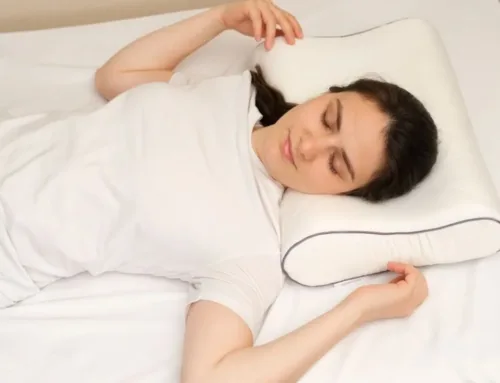

Chest pain can make it hard to fall asleep or stay asleep. Certain positions put extra pressure on sore areas, which adds to discomfort. The easiest ways to sleep are on your back with pillows for support or on the side that doesn’t hurt. Raising the upper body slightly can also help with breathing and reduce pressure. Different causes of chest pain call for different approaches, but the main idea is to keep the body aligned and relieve pressure. Small changes in how you lie down, using pillows in smart ways, and choosing a mattress that supports your body can help manage pain through the night.
Knowing how to position your body to avoid strain and support healing can help you rest better. This guide explains simple sleeping techniques and tips that can improve comfort and allow for better sleep even with chest pain.
Key Takeaways
- Sleeping on the back or the non-painful side reduces pressure on sore areas.
- Slightly elevating the upper body can ease breathing and discomfort.
- Pillows and a supportive mattress are important for relief.
- A supportive mattress that keeps your spine aligned and eases pressure on your chest and shoulders can help improve sleep quality for those with chest pain.

Understanding Chest Pain at Night
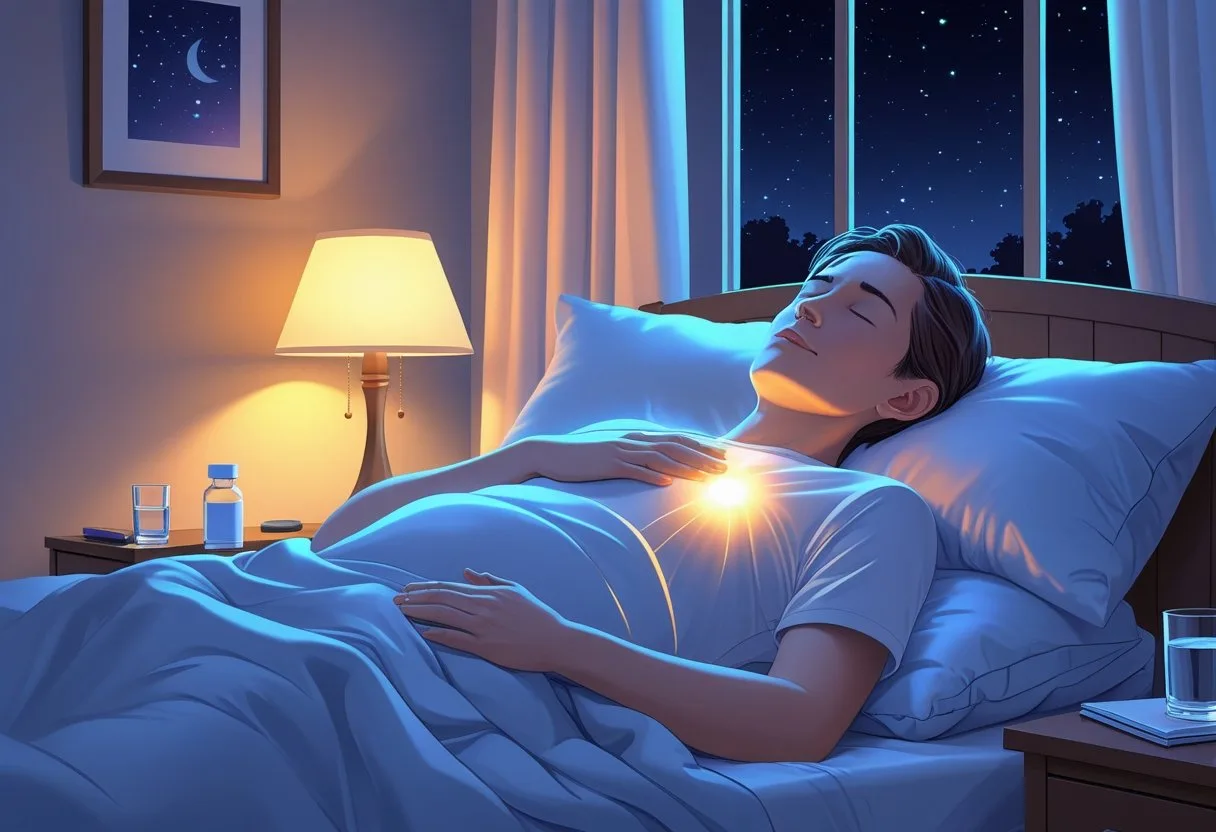
Chest pain during sleep can come from several causes, each needing different care. Some types of chest pain are harmless, while others require urgent attention. It can also greatly disturb sleep, making it harder to rest and heal.
Common Causes of Chest Pain During Sleep
Chest pain at night can come from acid reflux. Stomach acid can irritate the esophagus, causing a burning feeling that gets worse when lying flat. Another cause is costochondritis, which is inflammation in the cartilage of the ribs. This can create sharp pain that changes with position. Heart problems, like angina, can also trigger chest pain while sleeping. This happens when the heart doesn’t get enough blood. Anxiety and panic attacks may create tightness or discomfort in the chest too.
Sleep apnea can cause chest discomfort by interrupting normal breathing patterns. Respiratory infections, such as pneumonia, may also produce chest pain due to lung inflammation and changes in breathing during sleep.
Recognizing When Chest Pain Signals an Emergency
Some chest pain requires immediate medical attention. Pain that feels crushing, spreads to the jaw or arms, or comes with shortness of breath, dizziness, or nausea could be a heart attack. Call emergency services immediately if this happens.
Sudden, severe pain that is different from usual should also be treated seriously. Sweating, palpitations, or fainting are other warning signs. New or rapidly worsening chest pain should always be checked by a healthcare professional.
How Chest Pain Disrupts Sleep
Chest pain can make deep sleep difficult. It may cause frequent waking or trouble falling asleep, especially if lying flat worsens the discomfort from acid reflux or heart issues. Pain can increase stress and anxiety, which makes it harder to sleep. Poor sleep can make pain feel worse, and ongoing discomfort keeps interrupting rest.
Finding a comfortable sleeping position can reduce pain. Elevating the upper body or avoiding the painful side may help. Supportive pillows and adjusting sleep habits can improve rest even with chest pain. Following tips for the best sleeping positions for chest pain can provide relief.
Best Sleeping Positions for Chest Pain Relief
Finding the right sleeping position can ease chest pain by reducing pressure on the heart and surrounding muscles. Proper support and alignment help blood flow and prevent irritation. Changing how you sleep can also affect breathing and overall comfort during the night.
Sleeping on Your Side vs. Back
Sleeping on the left side is usually suggested for heart health and easing chest pain. It improves blood flow and takes pressure off the organs. People with congestive heart failure or mitral valve issues may notice fewer palpitations or less shortness of breath when sleeping on this side. Sleeping on the back spreads weight evenly, but lying flat can put pressure on tender areas and worsen chest pain. Adding a small pillow under the head or upper back can help. Avoid sleeping on the side that hurts, because it can add pressure and increase discomfort.
Elevated Sleeping Positions
Raising the upper body by 15 to 30 degrees can reduce chest pressure and make breathing easier. It can also prevent fluid buildup near the heart and reduce strain on the ribcage. This works for people with heart issues, acid reflux, or general chest discomfort. Using a wedge pillow or an adjustable bed frame keeps support steady without straining the neck or spine. Elevating too much, above 45 degrees, may be uncomfortable or interrupt sleep. Elevation with back sleeping usually provides the best relief for chest pain.
Choosing the Right Mattress and Pillows
A medium-firm mattress helps the spine stay aligned and reduces pressure that could worsen chest pain. Mattresses that are too soft or too firm can strain muscles or joints connected to the chest.
Pillow placement matters. One pillow should hold the head and neck so the spine stays neutral. Side sleepers do well with a pillow between the knees to keep hips aligned and stop the torso from twisting toward the sore side. Avoid putting pillows directly on the chest; even light pressure can trigger pain. A full-length body pillow can help maintain safe positions and prevent rolling onto the painful side. Using the right mattress and pillows together creates a stable setup that protects sensitive chest areas.

Is It Better to Sleep on the Left or Right Side?
Choosing the best side to sleep on can affect chest pain and heart health. Each side offers specific benefits and risks, especially for people with heart problems or acid reflux. Knowing these differences helps in selecting the safest and most comfortable position.
Left Side Sleeping and Heart Health
Sleeping on the left side is usually recommended for reducing acid reflux and improving digestion. This position keeps the stomach below the esophagus, which helps prevent stomach acid from flowing back and causing heartburn, a common trigger of chest discomfort. For heart health, left-side sleeping has pros and cons. It may increase pressure on the heart because gravity shifts the heart’s position slightly, which worries some people with heart conditions. However, it supports better blood flow and lymphatic drainage, which can be beneficial.
Left side sleeping is generally safe but may not be ideal for those with specific heart problems that worsen with changes in heart pressure. It remains the preferred position for pregnant people and those managing acid reflux issues. More details on left side benefits appear in this sleep guide.
Right Side Sleeping Considerations
Right side sleeping often causes less pressure on the heart because the heart rests more naturally between the lungs. This position may be better for people with heart failure or certain arrhythmias as it avoids shifts in heart placement that could stress the organ. It can also improve breathing by keeping airways open, reducing the chances of snoring or sleep apnea, a risk factor for chest pain and heart problems. However, it may worsen acid reflux symptoms due to stomach positioning.
Right-side sleeping is generally okay for most people but might not provide the same digestive benefits as left-side sleeping. For more on heart-related reasons to sleep on the right, see this detailed explanation.
Side Effects and Who Should Avoid Certain Sides
Sleeping on the left or right side can cause issues depending on individual health conditions. Left side sleeping might increase discomfort in people with certain heart conditions due to changes in heart pressure. Right side sleeping can worsen acid reflux, leading to nighttime chest pain or discomfort. People with untreated sleep apnea should avoid back and stomach sleeping but may benefit from side sleeping to keep airways open.
Stomach sleeping is generally the least healthy, increasing the risk of airway blockage and straining the neck and spine. Consulting a doctor is important for anyone with chest pain or heart issues to determine the safest sleep position.

Heart Conditions and Specialized Sleeping Positions
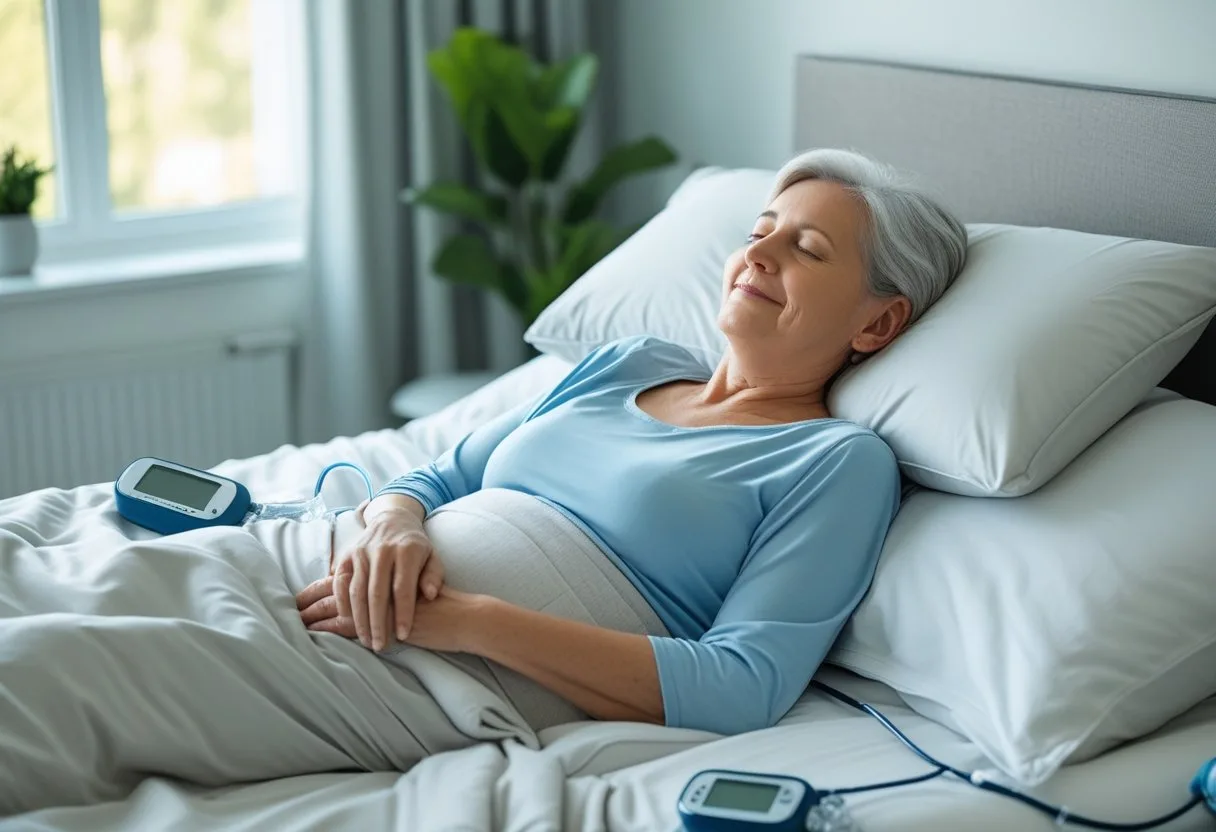
Certain heart problems require specific sleeping positions to reduce chest pain and improve comfort. Adjusting sleep posture can help ease symptoms like heart palpitations and pressure on the heart. Each condition has key sleeping guidelines to support heart function and safety during rest.
Recommended Positions for Heart Failure
People with heart failure may sleep better with their upper body raised. Using a wedge pillow or an adjustable bed at a 30 to 45-degree angle helps reduce fluid in the lungs and makes breathing easier.
Sleeping on the right side can also ease strain on the heart. Left-side sleeping can put extra pressure on the heart and might be uncomfortable in some cases. Lying flat on the back can make breathing harder or cause fluid to collect in the chest. Keeping the upper body elevated helps blood flow and lowers nighttime discomfort linked to heart failure.
Aortic Aneurysm and Palpitations
If you have an aortic aneurysm, it’s important not to put pressure on the chest. Sleeping on the back with a slight elevation can reduce strain on the aorta.
For heart palpitations, sleeping on the right side can ease pressure on the heart and improve breathing. This position may also reduce the awareness of irregular heartbeats, which can help people with bradycardia or atrial fibrillation. Stomach sleeping is not recommended because it can increase chest pressure and worsen palpitations. A supported side or slightly elevated back position keeps the heart calmer during sleep.
After ICD Implant: Safe Sleeping Strategies
After getting an implantable cardioverter-defibrillator (ICD), proper sleeping positions protect the surgical site and help healing. Sleeping on the back with the head and upper chest slightly raised is safest at first. Avoid lying on the side where the ICD was implanted. Supporting the back and the non-implanted side with pillows can make sleep more comfortable and prevent pressure on the device.
As recovery continues, side sleeping may be possible again, but it’s important to check with a cardiologist. Sleeping correctly after an ICD implant lowers the risk of pain and problems with the device.
Practical Tips for Sleeping With Chest Pain

Sleeping with chest pain requires paying attention to your sleep setup, habits, and how your body gets ready for rest. Small changes in these areas can help reduce discomfort and improve sleep.
Environmental Adjustments and Sleep Hygiene
A mattress that supports your spine and relieves pressure is key. Too soft or too firm can make chest and shoulder pain worse. Pillows should raise the upper body by 6 to 8 inches to ease breathing and reduce acid reflux. A wedge pillow or stacked pillows can do the job. Keep the bedroom dark, quiet, and cool, around 60 to 67°F. Reduce noise and light to help the body relax. Avoid screens and bright lights at least 30 minutes before bed. Going to bed and waking up at the same time every day helps your internal clock stay steady.
Relaxation Techniques and Pre-Bedtime Routines
Relaxing before sleep can lower chest pain caused by stress or anxiety. Deep breathing slows down the nervous system. Gentle stretches around the chest and shoulders relieve tension. Mindfulness or meditation can take attention away from pain and help you feel calmer. Avoid stressful or stimulating tasks right before bed. Instead, try reading, listening to soft music, or taking a warm bath to wind down.
Managing Triggers and Lifestyle Factors
Healthy habits before sleep can help chest pain. Eat smaller meals 2-3 hours before bed to prevent acid reflux. Skip large, fatty, or acidic foods, and avoid caffeine or alcohol in the evening. These can worsen chest discomfort. For those concerned about heart health, sleeping on the right side may reduce pressure on the heart. Stomach sleeping is best avoided because it can strain the chest and neck.
Quitting smoking and skipping heavy exercise close to bedtime can also lower chest pain and improve sleep.
When to Seek Medical Attention for Chest Pain in Bed
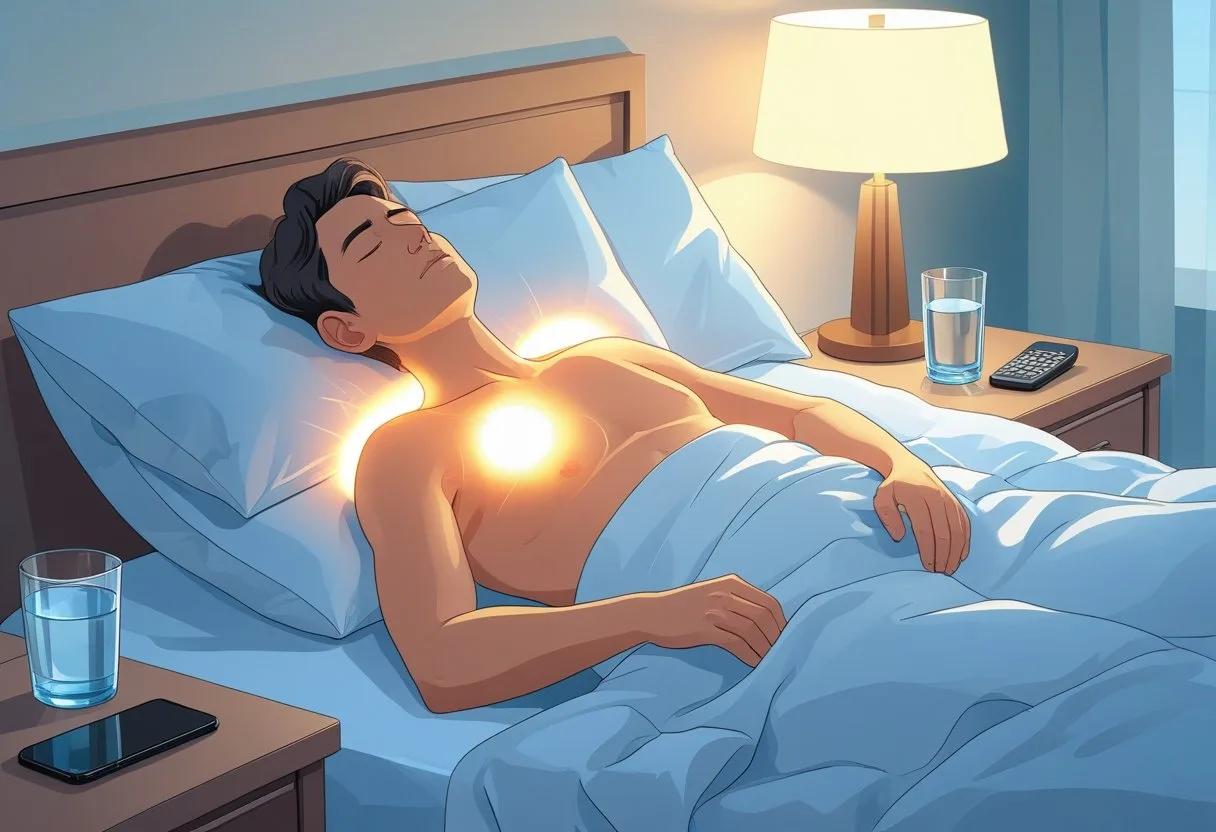
Chest pain at night can signal a serious problem that needs quick action. Knowing the signs that call for emergency care and understanding when to consult a healthcare provider can protect health and prevent complications.
Warning Signs and Symptoms
Certain symptoms with chest pain at night are warning signs. Sudden, strong pain or a crushing feeling may indicate a heart attack. Pain spreading to the arms, neck, jaw, or back raises the concern.
Other urgent symptoms include:
- Trouble breathing or shortness of breath
- Feeling dizzy or lightheaded suddenly
- Cold sweats or nausea
- Fast or irregular heartbeat
If these occur, call emergency services right away. Ignoring them can cause serious heart damage or death. Pain from injury or trauma also needs prompt care.
Consulting Your Healthcare Professional
Chest pain without emergency signs still needs attention. Persistent or repeated pain should be checked, even if it feels mild. A doctor can find causes like acid reflux, anxiety, or muscle strain.
Keep notes on pain: intensity, how long it lasts, what triggers it, and other symptoms. This helps doctors diagnose the problem and decide on tests or treatments. Regular check-ups can catch heart risks early. If chest pain gets worse at night or does not improve with home care, seeing a doctor ensures proper treatment and peace of mind.
Best Mattresses for Sleeping Comfortably with Chest Pain
Choosing the right mattress is important for people with chest pain. A mattress that supports your body and reduces pressure can help you sleep more comfortably. Medium-firm mattresses are great. They keep your spine in a neutral position while avoiding too much pressure on sensitive areas.
Memory foam mattresses conform to your shape, which can help ease pressure points. Latex mattresses feel a bit bouncier and tend to last longer, but they provide similar support. Hybrid mattresses combine foam and innerspring coils. They give support and softness together, which is useful if you move around in bed. The PlushBeds Hybrid Latex Luxury Bliss Mattress is an example. It blends natural latex with wrapped coils to give steady support and gentle pressure relief. Learn more here.
Firm mattresses may help stomach sleepers reduce strain. But for side sleepers with chest pain, they can feel uncomfortable.
When choosing a mattress, consider:
- Keeping your spine aligned
- Reducing pressure on your chest and shoulders
- Using durable materials that maintain support
Adding supportive pillows or an adjustable bed base can help you find a comfortable position and ease chest discomfort.

Frequently Asked Questions
Managing chest pain while sleeping requires paying attention to your body position, using supports, and controlling breathing. Changing habits and adjusting your sleep environment can also help ease pain at night.