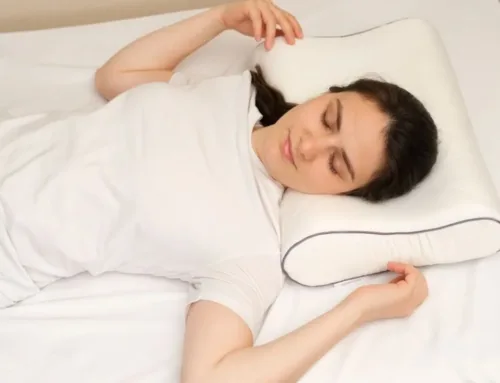

People who care about their sleep, health, and the environment choose organic latex mattresses. These beds are made from clean materials like natural latex, organic cotton, and wool. They don’t rely on harsh chemicals, making them safer and more comfortable for long-term use. This guide begins by exploring what an organic mattress is and the reasons to buy one, helping readers see the real value of choosing one.
With so many brands calling themselves “eco-friendly,” it can be hard to tell which ones are truly organic. Some labels sound natural but use synthetic blends or chemical treatments. That’s why clear, honest information is important before deciding what to buy. We’ll share the top organic latex mattress options that match real comfort needs, especially for side sleepers. Each choice focuses on safety, quality, and sustainability.
Key Takeaways
- An organic mattress is made from natural materials like latex, cotton, and wool for a cleaner, healthier sleep.
- Check for GOLS and GOTS certifications to be sure the mattress truly meets organic standards.
- Side sleepers should pick one with a soft 2–4 inch top layer and firm support underneath for better comfort.
- Watch out for misleading terms like “eco-friendly foam” unless the mattress is properly certified.
- A quality organic latex mattress stays cool, lasts long, and provides steady comfort over time.
What Makes A Mattress Organic?
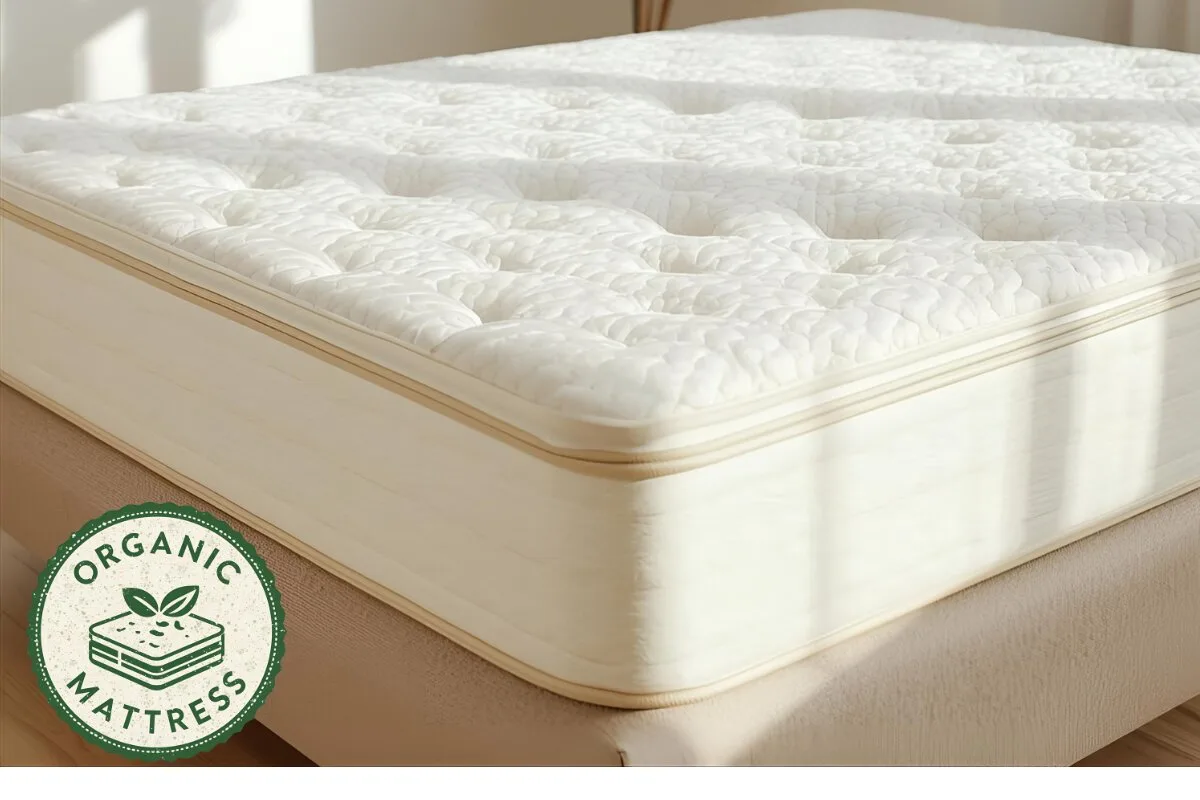
Many mattresses are labeled “organic,” but that doesn’t always mean they truly are. A real organic mattress is made from certified materials such as natural latex, untreated wool, and organic cotton. Labels like GOLS, GOTS, and Oeko-Tex show that the mattress meets strict safety and environmental standards, which explains what makes a mattress organic and shows that organic mattresses off gas less because they don’t use harsh chemicals.
Some companies use clever wording to sound more natural than they are. They might call their foam “eco-friendly” because it includes a small amount of plant oil. But those foams are still made from chemicals and don’t qualify as natural or organic. For anyone who wants a cleaner and safer option, latex is the most reliable choice. It’s made from the sap of rubber trees and doesn’t rely on synthetic fillers. A mattress built with genuine latex and certified fabrics is as close to natural as it gets.
Why Choose Organic Latex?
Organic latex is known for being clean, sturdy, and comfortable. It comes from natural rubber trees and offers strong support without the heavy, sinking feel of memory foam. It also lets air move freely, helping the sleeper stay cool through the night. There are two main types: Dunlop and Talalay. Talalay feels lighter and springier, while Dunlop has a firmer and denser texture. Both provide steady support, but Dunlop tends to last longer because of its solid build.
Its comfort, durability, and purity show the importance of an organic mattress, proving that organic mattresses make a difference and last through years of consistent use. What makes organic latex stand out is its purity. Certified natural Dunlop latex is made without harsh chemicals, making it a better option for those who care about clean materials and sustainable choices. It’s a simple way to rest easier and feel better about what’s in the bed.
What Is The Best Organic Mattress For Side Sleepers?
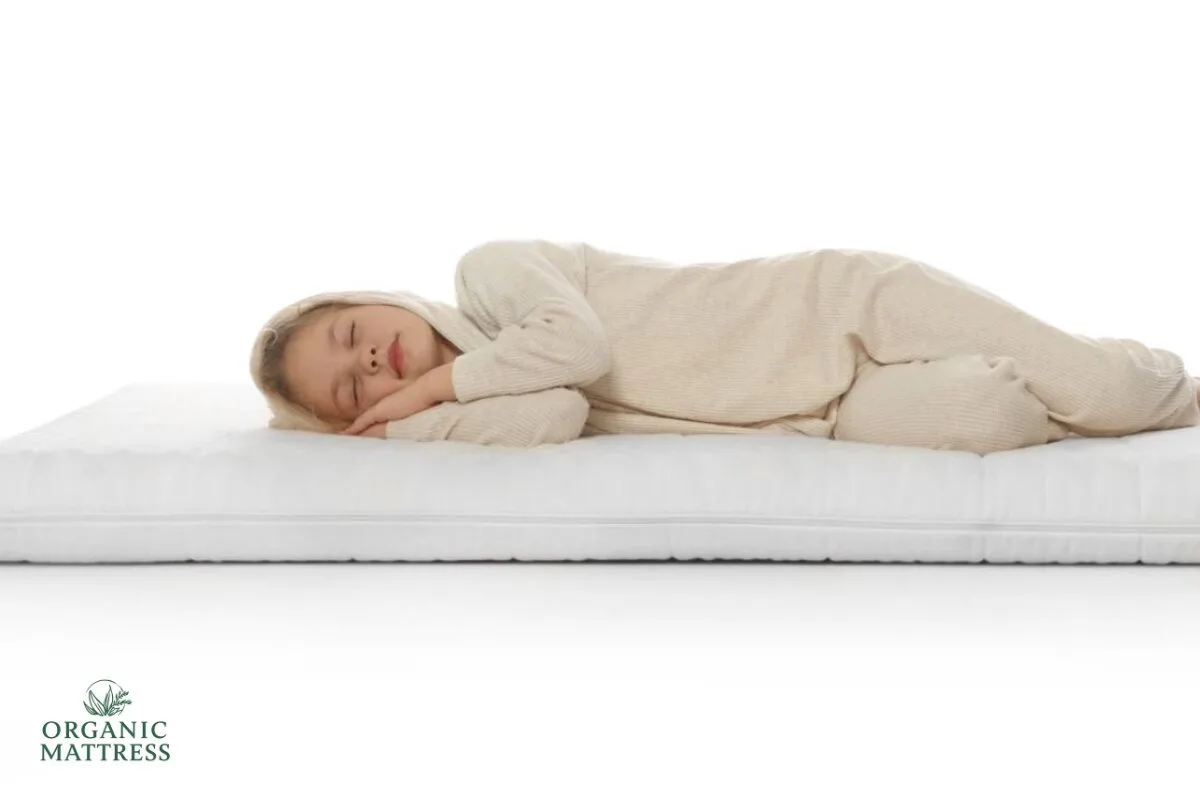
Side sleepers need a mattress that eases pressure on the shoulders and hips. Latex is a good choice because it adjusts to the body without losing shape. A soft 3-inch comfort layer is ideal, giving support without sinking too deep or feeling too stiff. A mattress that’s too firm can cause sore spots, while one that’s too soft may throw off body alignment. Finding the right balance keeps the body supported through the night. The goal is steady comfort, not that “stuck” feeling some beds give.
Some mattresses include zoning, where the shoulder area feels softer and the hip area firmer. This design helps keep the spine straight and reduces movement during sleep. It’s a simple detail, but it helps side sleepers rest better and wake up without pain.
Key Features To Look For In The Best Organic Latex Mattress
Here are some features and brand styles experts usually recommend when choosing an organic latex mattress:
- 100% organic Dunlop latex core
- GOTS-certified organic cotton cover
- Natural wool fire barrier
- Zoned support for the shoulders and hips
- No polyurethane or memory foam
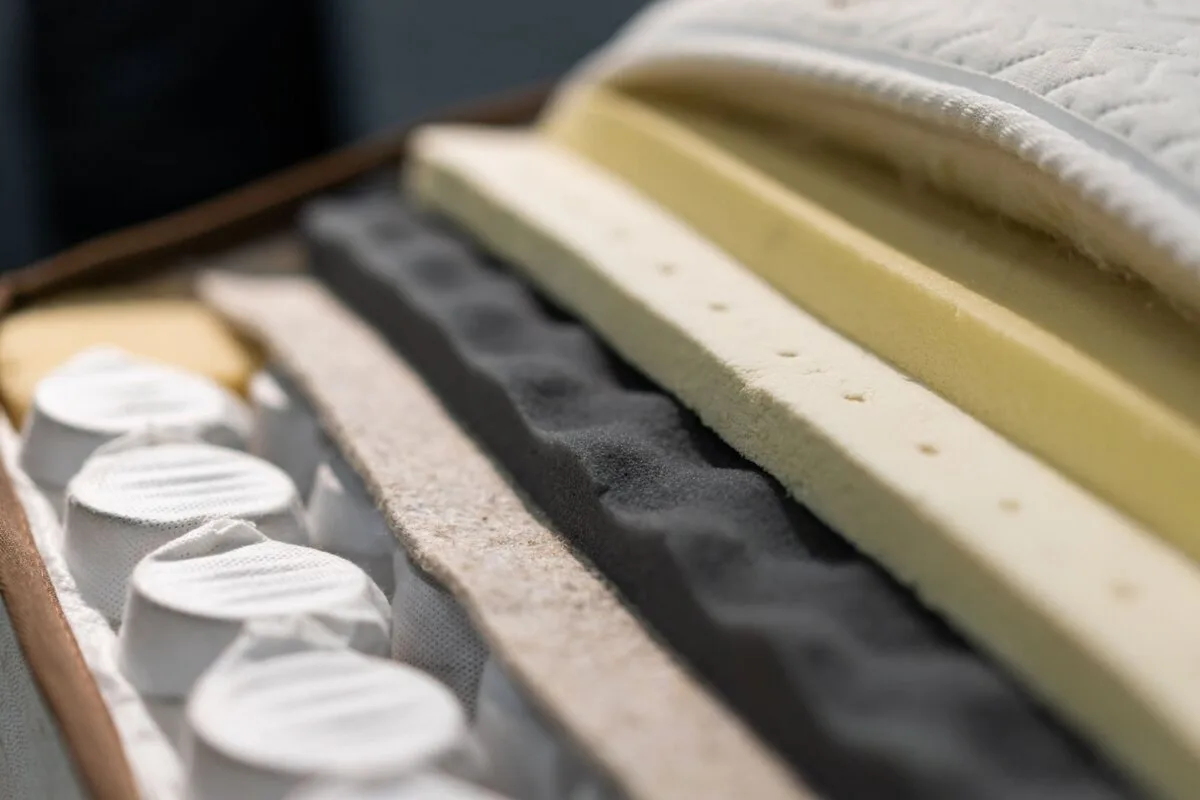
These features help provide steady comfort and airflow while keeping the body supported. The mix of latex, cotton, and wool creates a cleaner and cooler sleep surface that feels balanced through the night.
A mattress built this way supports side sleepers well but also works for all sleep positions. It stays firm where it needs to and soft where pressure builds, giving the body better rest and alignment without trapping heat or chemicals.
Comfort Layer Thickness
For side sleepers, the comfort layer thickness influences how the body rests through the night. It needs to be soft enough to let the shoulders and hips sink slightly, but still firm enough to keep the spine aligned. Too thin and it feels hard; too thick and the body may sink too deep. A comfort layer around two to four inches of softer latex tends to give balanced cushioning and support. It adjusts to body curves while keeping posture in check. The goal is steady support without creating pressure points that can cause soreness.
The right thickness depends on body type and weight. Heavier sleepers or those with broader shoulders may feel better with about four inches of latex. Smaller side sleepers might find two inches comfortable enough for proper alignment and relief.
How To Spot Greenwashing
Many companies use words like “natural” or “eco” to sound environmentally friendly, even when their products still rely on synthetic materials. It’s easy to get misled by packaging that looks clean and green. That’s why it helps to check what the product is really made of.
Real eco-friendly materials usually have clear certifications. For mattresses, GOLS-certified latex and GOTS-certified cotton or wool are reliable signs of quality. These labels mean the materials were made under strict environmental and ethical standards, not just marketing claims. It’s also smart to check for third-party testing. Oeko-Tex is a trusted certification, while CertiPUR only applies to foams, not latex. And if a product claims to use “soy-based” foam or “bamboo” fabric, be careful, as those are still mostly synthetic materials dressed up with green words.
Comfort Layer Thickness
The thickness of the comfort layer has a big impact on how a mattress feels. It’s the first thing the body touches when lying down, so the wrong thickness can make a bed feel either too stiff or too soft. Getting it right can help ease pressure and keep the body comfortable. A thinner layer, around 2 inches, gives a firmer and steadier feel. This suits people who sleep on their back or stomach and need extra support. A thicker layer, about 3 to 4 inches, feels softer and gently cushions the hips and shoulders, which can help reduce discomfort.
For those unsure what to choose, a mattress with layers that can be changed is a smart choice. It gives room to adjust the feel later without buying a new bed. This way, the mattress can match what the body needs over time.
The Importance Of Mattress Zoning
Mattress zoning helps support the body where it needs it most. It’s designed with softer areas for the shoulders and firmer zones for the hips. This setup eases pressure and helps keep the spine straight during sleep. For side sleepers, zoning brings noticeable comfort. The softer shoulder area reduces strain, while the firmer hip section prevents the body from sinking too deeply. It creates a balanced feel that helps the body stay in a natural position through the night.
Some mattresses even have customized zoning for couples. Each side can be adjusted to match how a person sleeps, so both partners stay comfortable. It’s a simple design that supports different sleep needs without compromise.
Natural Fire Retardants To Look For
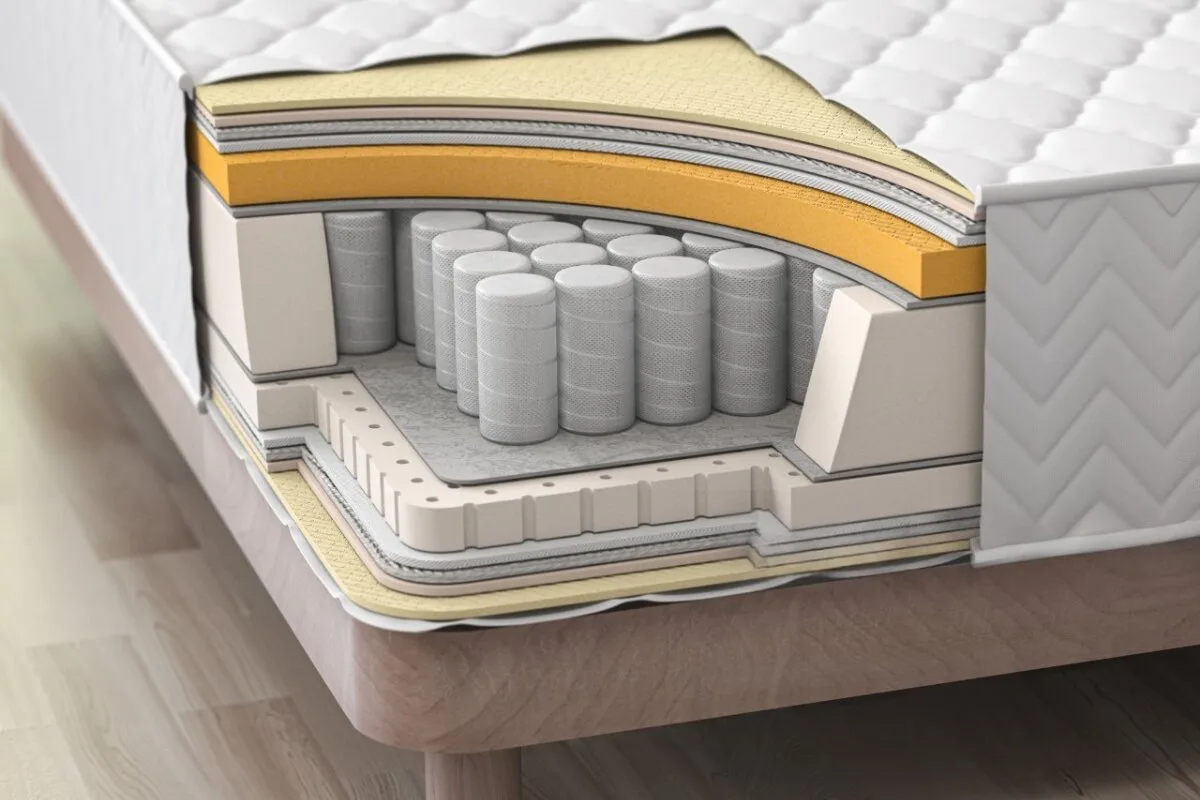
A true organic mattress avoids chemical fire retardants and uses safer, natural materials instead. One common option is compressed wool, which can resist flames without needing extra treatment. Some brands also use silica-infused cellulose as a protective layer. These materials help the mattress meet safety rules without adding harmful chemicals. They’re cleaner, safer, and better for people with sensitive skin or allergies. And for those with medical conditions, a mattress without a fire barrier may be allowed with a doctor’s note.
It’s best to stay away from mattresses that include ingredients with long, hard-to-pronounce names. Those are usually chemical-based and unnecessary. Natural options keep things simple and safe, providing peace of mind without hidden toxins.
Final Thoughts
Finding a good organic latex mattress doesn’t have to be complicated. It starts with checking what it’s made of and making sure it has real certifications. The right one should match how a person sleeps, soft enough for comfort but firm enough to keep the spine straight. You can explore trusted brands that offer certified options and check the places where to buy organic mattresses.
Organic latex, whether Dunlop or Talalay, gives a natural mix of comfort, support, and breathability. When paired with materials like organic cotton and wool, it creates a clean and safe sleep surface. It’s a simple choice that’s gentle on both the body and the planet.
There are many mattresses that claim to be eco-friendly, but not all truly are. The key is to focus on materials and comfort instead of fancy words. Choosing the right organic mattress means better sleep and a healthier space to rest.