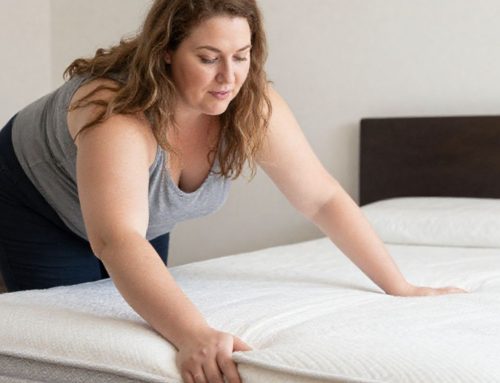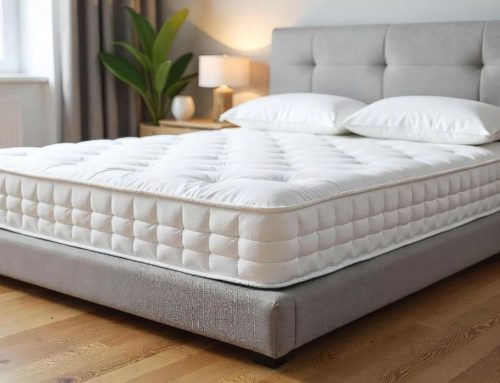
If you wake up with a sore lower back, stiff shoulders, or aching hips, your mattress might not be giving enough support. You don’t always need a new bed to feel better. Adding the right layer on top can improve comfort, help your spine stay aligned, and ease pressure points. Mattress toppers or support pads can add the right amount of cushioning. Small adjustments can make sleeping less painful and help you rest deeper.
With the right setup, sleeping through the night can feel easier, and attention to choosing a mattress for back pain, mattress good for back pain, for lower back pain, and choosing a mattress for lower back pain relief ensures lasting comfort and alignment.
Key Takeaways
- If your mattress is causing back pain, a replacement may not always be necessary, since a mattress topper can improve comfort and support.
- Memory foam toppers can soften a mattress that feels too firm, while higher-density foam can add better support and pressure relief.
- Latex toppers offer responsive support and good airflow, which can help keep the spine in a more natural position during sleep.
- Adjustable bases, support boards, and proper pillow placement can also help reduce pressure and improve sleeping posture.
- The most effective relief usually comes from finding the right balance of comfort and support to keep the spine properly aligned.
Why Your Mattress May Be Causing Back Pain
A mattress has two main jobs, which are comfort and support. Comfort eases pressure on the hips and shoulders. Support keeps the spine in a natural, straight position. If either one is off, it can cause pain in the morning. If a mattress is too soft, the hips sink too far. This puts the spine out of alignment. If it’s too firm, the body doesn’t sink enough, creating pressure points. Both situations can lead to back pain over time.
A thin topper can adjust the feel of a mattress, and keeping in mind mattress firmness, whether a soft or firm support for back pain, and how firm a mattress for back pain can help reduce pain and improve sleep quality.
Mattress Toppers For Back Pain Relief
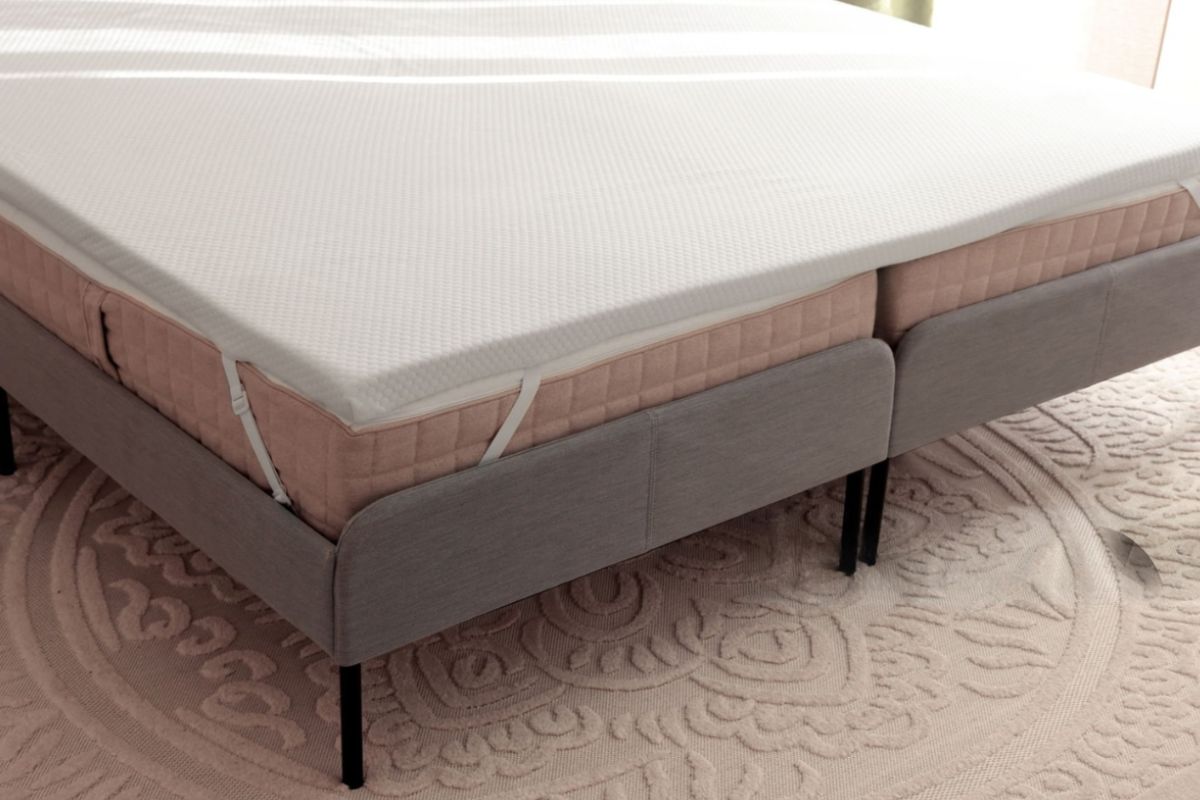
A mattress topper can help with back pain by changing how a bed feels without buying a new mattress. It sits on top and can make a firm mattress softer or a soft mattress firmer. People use them when they want to adjust comfort without replacing the whole bed.
Choosing the right material and thickness is important. A firm topper on a soft bed can help with support, while a softer topper can ease pressure on a hard bed. The wrong choice can make pain worse instead of better. Memory foam, latex, and hybrid toppers are common options. Each type offers a different feel and level of support. Picking one that fits your mattress and your back needs can help reduce discomfort while sleeping.
Memory Foam Mattress Toppers
Memory foam toppers work best when considering mattress suitability for back pain with spring or foam and memory foam effectiveness for back pain relief, helping ensure support and comfort for the spine. These toppers are helpful if the mattress is too firm. They let you sink in slightly to ease pressure points. But low-quality or very thick foam can make hips sink too much and throw off alignment.
Choosing higher-density foam around 4–5 pounds per cubic foot improves support and durability. It holds shape longer and gives steadier comfort. A good topper should add relief without changing posture too much.
Latex Mattress Toppers
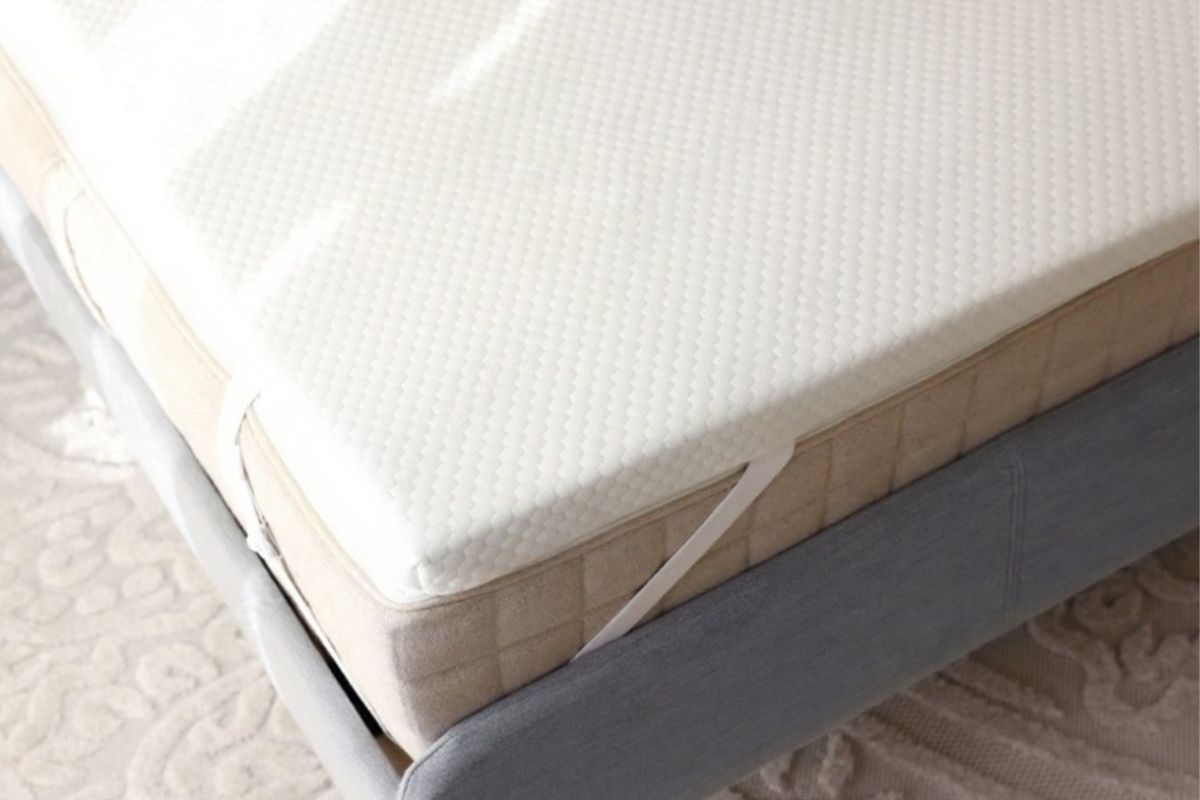
Latex mattress toppers can help with back pain. They respond to the body and give steady support. Unlike memory foam, they push back while still shaping around pressure points. This helps the sleeper feel supported instead of stuck. Latex also allows better airflow than many foam materials. It holds its shape and does not flatten quickly. That means it can last for years with proper care. And it stays more consistent night after night.
A firmer topper can add support if the mattress feels too soft. A softer layer can ease the feel of a bed that is too hard. This balance helps keep the spine in a neutral position. It can be a simple fix before buying a new mattress.
Adjustable Mattress Bases
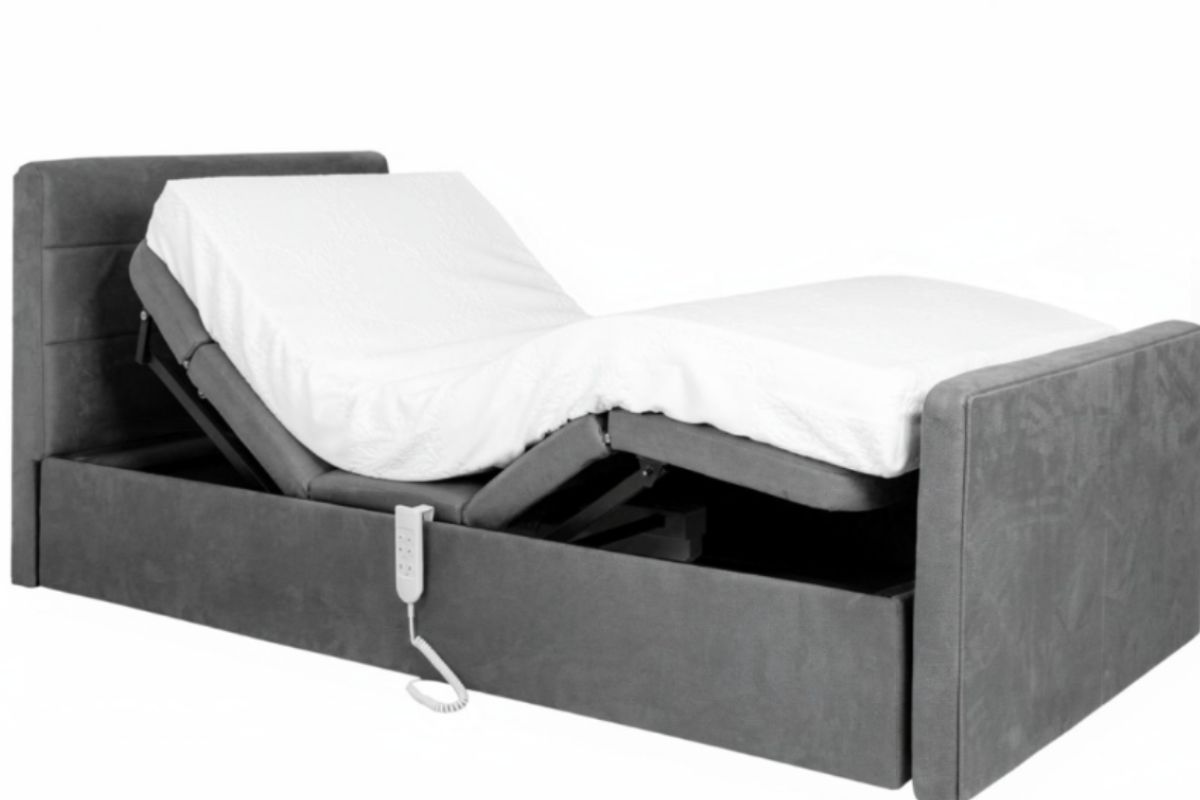
An adjustable mattress base can help with back pain by letting you change your position. You can raise your head or legs a little. This can ease pressure on the lower back and help circulation. Some people with chronic back pain feel better with their knees slightly raised, similar to a zero-gravity position. It doesn’t make the mattress firmer, but it shifts how the body rests. For certain sleepers, this change is enough to feel more comfortable.
Using an adjustable base is about finding the right angle for your body. It works alongside your mattress rather than replacing it. And it can be adjusted any time to match how you feel each night.
Mattress Pads And Support Pads
A mattress pad is thinner than a topper and adds a little cushioning. It doesn’t change how firm the mattress feels. People use it mainly for comfort on the surface. It can also protect the mattress from spills or wear. Support pads go under the mattress. They help if the mattress sags or the foundation is weak. Sometimes back pain isn’t from the mattress itself, but what’s underneath it. These pads can extend the life of an older mattress.
If the mattress dips in the middle, placing a bunkie board or a piece of plywood under it can firm it up. This can improve spinal alignment. It’s a simple step that can help the bed feel more supportive. It’s an easy fix before considering a new mattress.
Pillow Placement For Extra Support
You don’t always need a new mattress to feel better. Adjusting pillows can relieve back pain quickly. Small changes in position can help support the spine. It only takes a few minutes to set up the right arrangement. Side sleepers can put a pillow between their knees. Back sleepers may use one under their knees. Stomach sleepers can try a thin pillow under the hips. These positions guide the body into a more natural alignment.
These simple adjustments keep the spine in a better position while sleeping. They can reduce discomfort without extra products. And sometimes, just moving a pillow is enough to feel relief. Over time, this can improve overall sleep quality.
Material Quality And Durability
Low-quality foam can cause back pain in mattresses. Cheap polyfoam in thick pillow tops breaks down fast. When it softens unevenly, the spine can lose proper alignment. Using the wrong foam can make even a new mattress uncomfortable. It helps to check the materials before buying. Memory foam with a density of 4–5 pounds or more gives firmer support. Natural or high-quality blended latex is another good option. These materials keep their shape better over time.
Low-density polyfoam under 1.8 pounds should be avoided. Stronger materials last longer and keep the mattress supportive. Choosing the right materials can reduce pressure points and improve sleep comfort.
Choosing The Right Firmness Level
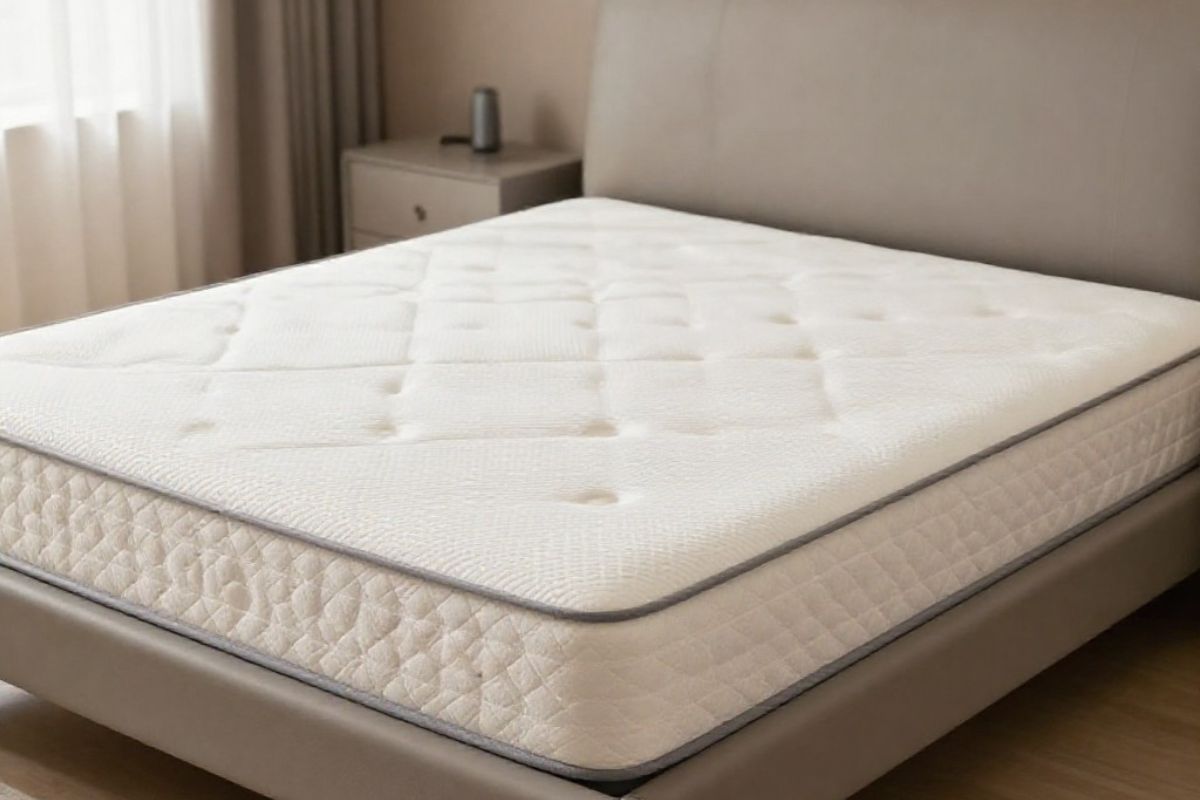
Firmness matters, but firm doesn’t always mean better for back pain. Lighter sleepers usually do better with softer layers. Heavier sleepers may need something firmer to support their weight. Average-weight sleepers tend to do best with medium or medium-firm mattresses. The main goal is keeping the spine in a neutral position. The mattress should let the body sink a little without letting the hips drop too low.
Adding a topper is okay, but balance is important. Too soft on top can undo support underneath. The mattress should feel steady while still giving some pressure relief.
Final Thoughts
If someone is dealing with back pain, they don’t always need a new mattress right away. It helps to figure out the problem first. If the bed is too firm, a memory foam or latex topper can help. If it’s sagging, the foundation may need strengthening. Pillows or an adjustable base can improve positioning. The main goal is to keep the spine aligned while reducing pressure. Comfort and support need to work together so the body can relax during sleep. Small changes can help prevent aches from getting worse overnight.
Back pain can be frustrating, but small adjustments can help. Choosing quality materials and focusing on support matters more than replacing the bed. The right setup can make mornings easier and less stiff.