

Sleep has a strong impact on how well people handle their work and daily responsibilities. When someone gets enough rest, their mind stays sharp. It’s easier to remember things, focus, and make good choices. But when sleep is cut short, it’s harder to stay alert and finish tasks on time. Not getting enough sleep also adds pressure to the mind and body. Stress builds up faster, and motivation starts to fade. It doesn’t just affect how people think but how they feel physically, too. Low energy can make a normal day feel harder to get through.
Small changes in bedtime habits or the sleep environment can lead to steady improvements. A good night’s sleep helps clear the mind and keeps people moving through the day with more ease. It supports both personal goals and professional performance.
Key Takeaways
- Quality sleep improves focus and task completion.
- Poor sleep raises stress and lowers engagement.
- Better sleep habits lead to higher daily productivity.
- The right mattress supports your body, helps you sleep deeper, and gives you the energy and focus you need to stay productive throughout the day.

Understanding the Link Between Sleep and Productivity

Sleep directly affects how well someone performs at work and handles daily tasks.
Lack of sleep slows reaction time, weakens focus, and increases mistakes. Good rest helps the brain stay sharp, improving decision-making and problem-solving.
Why Sleep Is Essential for Work Performance
Sleep affects the brain, heart, and immune system. When someone doesn’t get enough rest, they feel tired and less driven to complete tasks. This lowers their ability to focus and slows down their responses. Many adults don’t reach the recommended seven hours of sleep each night. This leads to fatigue during the day, making work harder to manage and errors more common. In jobs that need fast thinking or quick movements, poor sleep can also increase safety risks.
How Sleep Supports Cognitive Function and Decision-Making
While sleeping, the brain organizes information and builds memories. This process improves learning and sharpens problem-solving skills. Sleep also helps clear waste from the brain, which keeps it alert and working well.
When sleep is lacking, brain cells don’t communicate as smoothly. Thinking slows, focus weakens, and emotions become harder to control. This affects judgment, especially during stressful situations. Over time, poor sleep can also raise the risk of anxiety and depression, which can further harm performance at work.
Is Sleeping Productive?
Some people see sleep as wasted time, but it’s actually part of staying productive. Quality rest restores energy and supports clear thinking. Working longer by cutting sleep leads to lower output and more errors. It creates a cycle of tiredness and unfinished work. Getting enough rest helps people stay focused, react faster, and work more effectively the next day.
Good sleep habits are part of sleep hygiene, which supports steady rest and long-term productivity. For more details on the connection between sleep and work, visit the Sleep Foundation’s guide on sleep and job performance.
The Effects of Sleep Deprivation on Workplace Outcomes
Sleep deprivation affects many areas of work, especially how well employees focus, complete tasks, and interact with others. When people don’t get enough rest, it becomes harder to stay alert and engaged. Mistakes increase, reaction times slow down, and communication with coworkers can become tense or unclear.
Decreased Focus, Energy, and Motivation
Lack of sleep makes it hard for employees to stay focused. Decision-making becomes slower and reaction time weakens. People can feel tired and less equipped to handle stress, especially during busy hours.
Sleep loss also drains motivation. Getting started on projects feels heavier, and finishing them can take more effort. Tasks that normally feel easy start to feel like a bigger load. Studies show that sleeping less than six hours regularly impacts mental sharpness and lowers productivity, which affects the quality and speed of work.
Errors, Accidents, and Reduced Task Completion
Fatigue from poor sleep leads to more mistakes. These mistakes can be serious, especially in roles where safety and quick thinking matter. Industries like manufacturing, healthcare, or transportation face bigger risks when workers are tired. People who lack sleep may work more slowly and miss deadlines. Their workflow can lag, causing delays that affect the whole team. Those who work night or rotating shifts face extra challenges since their sleep schedules are disrupted, leading to ongoing tiredness.
Impact on Workplace Relationships and Communication
Sleep loss doesn’t just affect performance, it also affects how people relate to each other. When someone is tired, it’s harder to pick up on tone, facial expressions, or social cues. This can cause simple misunderstandings to turn into bigger problems.
Patience runs thin, and stress becomes harder to manage. Tired employees may withdraw or feel left out, which lowers morale and weakens teamwork. Communication is a key part of keeping things smooth at work, and when that breaks down, everything else can follow. Supporting healthy sleep routines can help build better relationships and a stronger work environment.

How Sleep Impacts Stress, Emotional Health, and Engagement
Sleep affects how well people manage stress, handle emotions, and stay connected at work.
Lack of good sleep weakens the ability to cope with pressure and drains positive energy. It also shapes how people work together and how they feel about their jobs.
Mood, Stress Resilience, and Burnout Prevention
Good sleep helps keep stress hormones steady and lowers anxiety. When people don’t sleep well, they feel more irritable and overwhelmed. They lose patience and find it harder to face daily challenges. Over time, this raises the chance of burnout, where someone feels tired, bored, and less motivated to work.
Sleep problems can build up over time. Stress affects sleep, and poor sleep increases stress. This back-and-forth can be hard to escape. But improving rest can break this pattern and protect mental health. Rested minds handle emotions better. When people sleep well, they can stay calm and focused during tough situations at work. Teams and companies that support healthy sleep see fewer cases of burnout and more stable moods at work.
Team Dynamics, Collaboration, and Interpersonal Skills
Sleep plays a big part in how people relate to each other. When someone is tired, they can misread social signals and struggle to keep emotions in check. Conflicts can grow faster because patience wears thin. A lack of rest also weakens empathy, which can lead to misunderstandings. But when people are well-rested, they can listen better, speak more clearly, and work through problems as a team.
Workplaces that care about rest build stronger relationships and create smoother teamwork. This trust helps reduce unnecessary tension and keeps groups more united.
Employee Engagement and Job Satisfaction
Poor sleep lowers energy and focus. People who don’t get enough rest find it harder to stay engaged with their work. This can make them feel detached and less satisfied with their jobs. Productivity can drop, and so can overall morale. But with steady, quality sleep, energy levels rise. People feel more balanced and emotionally steady. They’re more excited to work, pay closer attention, and stay committed to their roles.
When workplaces support healthy sleep habits, employees feel more alert, positive, and invested in what they do. This creates a healthier, stronger workplace culture.
Physical Health Consequences of Poor Sleep
Lack of sleep does more than leave people exhausted. It lowers how well they perform at work and raises the chance of missing days. Over time, poor sleep builds up and can lead to serious health problems that cut into productivity.
Absenteeism and Workplace Performance
When employees don’t get enough rest, they’re more likely to call in sick or show up tired. Research shows sleep loss can cut productivity by as much as 40%. Fatigue makes it hard to focus, make clear decisions, and handle pressure. This leads to weaker job performance overall.
People who struggle with sleep also report more physical pain and mental strain. These issues make daily tasks harder to complete. There’s also a higher chance of mistakes and injuries at work. Sectors like health care and manufacturing see some of the biggest drops in performance because tired workers are more vulnerable to stress and errors.
Key impacts include:
- Increased absenteeism
- Reduced concentration and alertness
- Higher risk of errors and accidents
- Greater workplace stress
Better sleep can help ease these problems and lower the number of lost work hours.
Long-Term Health Risks Affecting Productivity
Poor sleep that goes on for months or years can lead to serious health conditions such as heart disease, diabetes, obesity, and depression. These problems lower energy, make movement harder, and slowly chip away at work capacity. Lack of rest also weakens the immune system, which makes employees catch colds and other illnesses more easily. Sick days become more frequent, and recovery takes longer. Hormone changes caused by sleep loss can also disrupt metabolism, leading to more fatigue and slower work.
Some studies show that people who sleep too little have a 25% higher chance of developing long-term illnesses that interfere with work. Building better sleep habits can help prevent these problems and protect productivity over time.

Sleep Disorders and Daytime Sleepiness at Work
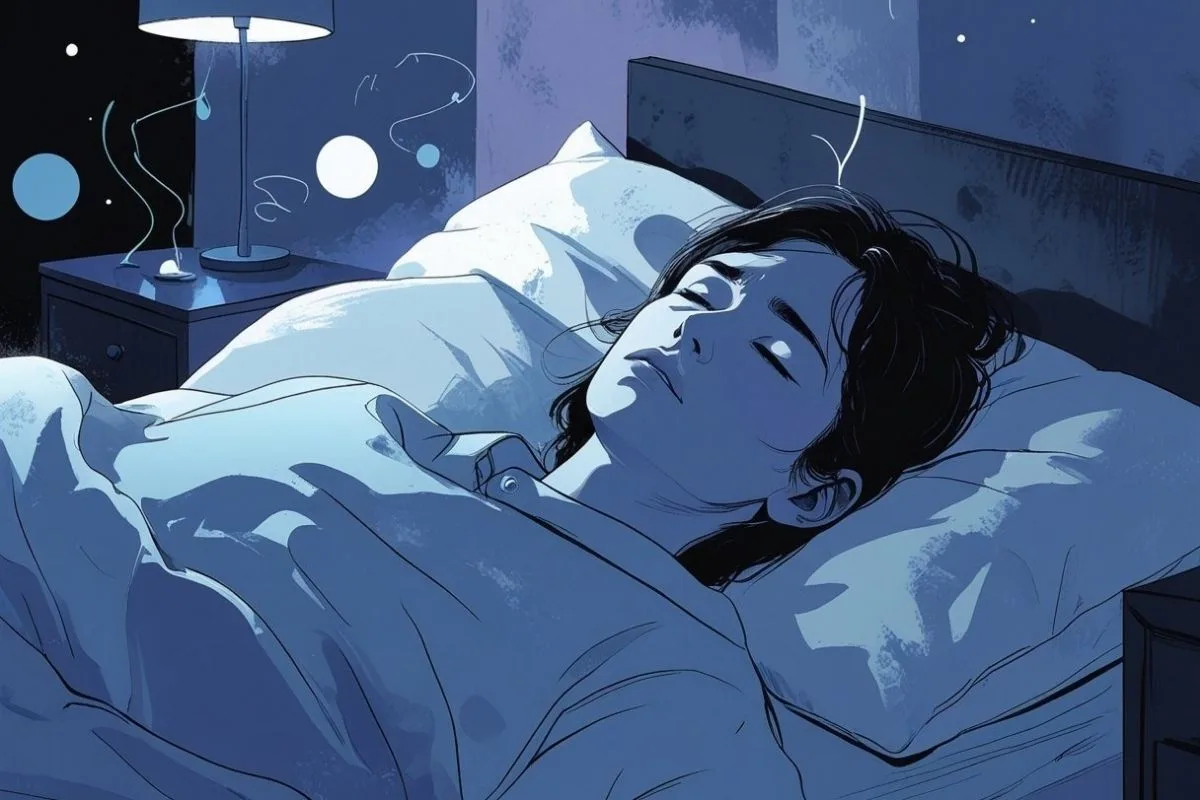
Sleep problems can lead to reduced focus, lower efficiency, and more mistakes during work hours. Certain conditions like insomnia and sleep apnea cause people to feel very tired at work, hurting their ability to finish tasks and stay alert.
Insomnia, Sleep Apnea, and Productivity Loss
Insomnia makes it hard to fall asleep or stay asleep. When people don’t get enough rest, they wake up tired and struggle to focus. Many workers with this condition say they get less done at work and find it hard to stay sharp during the day. It can also lead to absenteeism, where they miss work, and presenteeism, where they show up but don’t perform as well.
Sleep apnea affects breathing while sleeping. It causes pauses that break up rest and lower sleep quality. Around 26% of adults between 30 and 70 deal with it. People with sleep apnea may feel exhausted during the day, which can slow them down, increase mistakes, and cause missed work hours. When employees understand these conditions, they can get help and lower the impact on their performance.
Daytime Sleepiness: Impact on Performance
Daytime sleepiness lowers focus and slows reaction time. It can increase the chance of accidents and lead to poor work results. When someone struggles to stay awake, their job performance usually suffers. This can come from bad sleep habits, untreated sleep disorders, or not sleeping enough. It affects both physical and mental work, making even simple tasks harder. Ongoing sleepiness can also lead to more errors, lower attendance, and less motivation.
Using simple tools like the Epworth Sleepiness Scale can help track how tired someone is during the day. Improving sleep habits and getting the right treatment can help people stay more alert and work better.
Strategies to Improve Sleep and Boost Productivity

Better sleep requires clear routines, a supportive environment, and workplace policies that recognize rest’s importance. These steps help people and organizations build steadier focus, better moods, and stronger work output through healthier sleep patterns.
Establishing Healthy Sleep Habits
Having a regular schedule helps the body know when it’s time to rest. Going to bed and waking up at the same time each day supports a steady internal rhythm. Skipping late-day caffeine and stepping away from screens at least an hour before bed can ease the transition to sleep.
A calm routine before bed signals the brain to slow down. Reading a physical book, stretching lightly, or writing down thoughts can ease mental tension. Short naps around midday, about 10 to 20 minutes, can give an energy boost but shouldn’t replace a full night’s sleep. It also helps to notice when energy levels are highest during the day. Matching heavy tasks to those peak times can lower stress and prevent that exhausted feeling that builds up when the body’s rhythm is ignored.
Optimizing the Sleep Environment
The space where someone sleeps matters. Morning light helps reset the body’s clock, and dimming blue light from screens before bed can help the body prepare for rest. A comfortable room temperature, usually between 60–67 °F (15–19 °C), supports deeper sleep. Soft background sounds or white noise can mask outside distractions. A supportive mattress and good pillows help the body fully relax. Even small updates to the sleep space, like clearing clutter or turning off unused electronics, can make it easier to fall asleep and stay asleep through the night.
A peaceful environment supports steadier sleep, which carries over into clearer thinking and better energy the next day.
Employer Strategies for Fostering Better Sleep
Workplaces can help by building schedules that match natural energy rhythms. When employees have the flexibility to work during their alert hours, they’re more focused and make fewer mistakes. Leaders can set the tone by avoiding late-night emails, setting clear boundaries, and offering quiet spaces for rest breaks. Talking openly about sleep problems and creating awareness around rest can help remove any judgment or shame tied to needing sleep.
Simple resources, like workshops on sleep health or access to calming tools, can support healthier habits. When employees are well-rested, their minds are sharper, their emotions are steadier, and teamwork becomes stronger. For more ideas on improving sleep and productivity, visit strategies for sleep and job performance.
How Mattresses Support Better Sleep and Boost Productivity
When your bed gives the right support, your body can relax fully. This helps you recharge through the night. Good sleep leads to better focus, steady energy, and a clear head the next day.
A mattress that keeps your spine in a healthy position can ease tension and limit soreness. Less pain means fewer wakeups. With deeper and steady sleep, your mind can remember things better, solve problems faster, and think more clearly.
Important features to look for include:
- Pressure relief to ease stress on joints
- Temperature control to keep you cool and relaxed
- Motion isolation to keep your partner’s movements from waking you up
These features help keep your sleep cycles steady, which supports a calm mood and sharper thinking. Choosing a mattress built for steady rest can help both your body and mind feel balanced. A model like the Nolah Evolution 15” mattress offers solid support, pressure relief, cooling features, and comfort zones that help you sleep better and start your day feeling ready.

Frequently Asked Questions
Sleep has a strong impact on how people think, respond, and work. Getting the right amount of rest sharpens focus and reduces errors. On the other hand, poor sleep raises stress levels and lowers productivity. Building steady sleep habits can help improve performance and career growth.