

Pain and sleep affect each other in ways that can be exhausting. When the body hurts, getting comfortable enough to rest can feel impossible. And when someone isn’t sleeping well, that lack of rest can make the pain feel sharper and harder to manage. Good sleep gives the body a chance to heal, so when it’s disrupted, everything, from energy to mood, can suffer. Many people with chronic pain know this struggle all too well.
For those who deal with pain every day, restless nights are common. The pain interrupts sleep, and broken sleep makes it harder to recover. It’s a frustrating cycle that can leave people drained, sore, and short-tempered. Understanding how pain affects different parts of the sleep cycle helps explain why even a full night in bed doesn’t always lead to feeling rested. The body needs real, deep rest to repair itself.
Breaking this cycle takes time and care. Managing pain while building better sleep habits, like setting a calming routine or finding the right mattress, can help the body relax and restore itself. When sleep improves, pain usually becomes easier to handle, and daily life feels a bit lighter again.
Key Takeaways
- Lack of sleep can heighten pain and slow recovery.
- Quality sleep affects how pain is felt and managed.
- Working on both pain relief and sleep habits supports healing.
- The right mattress supports your spine, eases pressure on sore spots, and helps reduce pain so you can sleep deeper and wake up more refreshed.
The Relationship Between Pain and Sleep
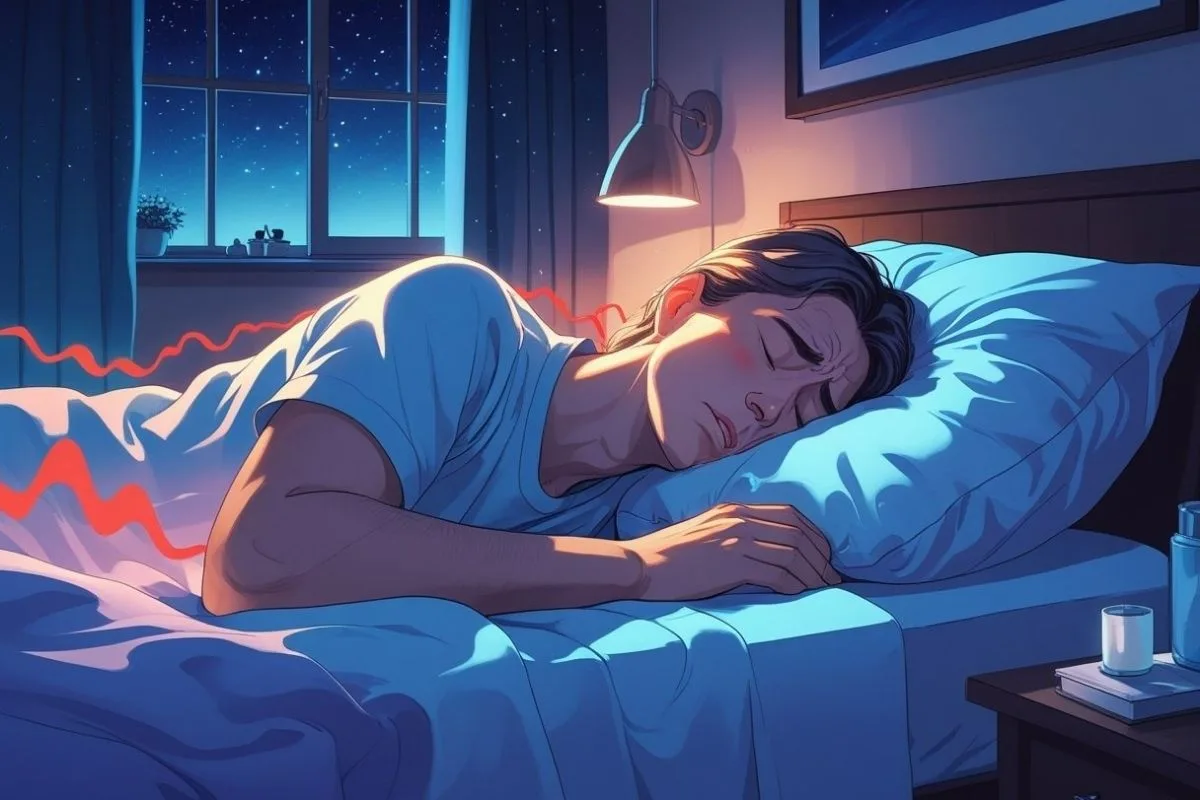
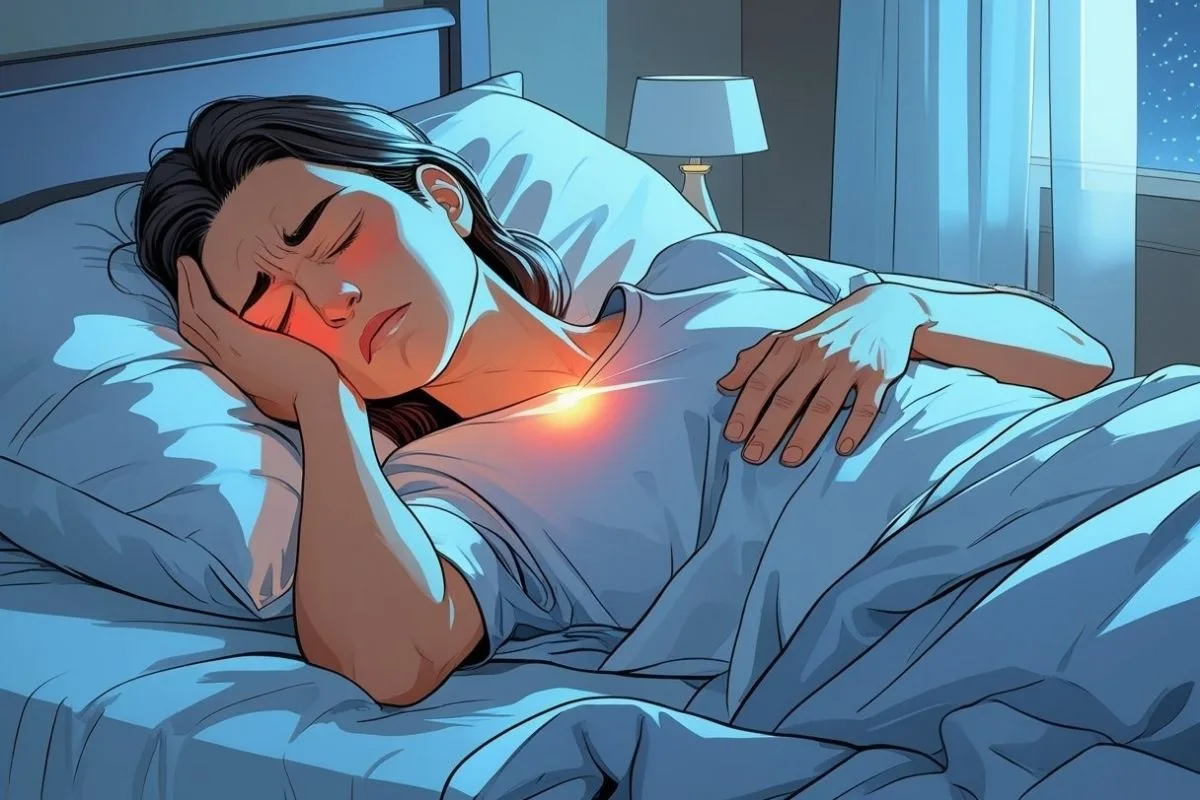
Pain and sleep are closely linked, especially for people who live with long-term pain. When pain gets worse, sleep becomes harder. And when sleep is poor, pain feels stronger. This back-and-forth affects mood, energy, and overall well-being.
How Pain Disrupts Sleep
Pain makes it hard to fall asleep or stay asleep. When the body hurts, it stays tense and can’t fully relax. This tension keeps the brain alert, causing people to wake up many times or get light, shallow rest that doesn’t recharge the body. People with pain also deal with sleep issues like insomnia or restless leg syndrome. Because of discomfort, they toss and turn, waking up again and again. The loss of deep sleep limits recovery, both mentally and physically, leaving them tired the next day.
How Sleep Influences Pain Sensitivity
Lack of good sleep increases how strongly pain is felt. When the body misses deep rest, it loses some control over how it processes pain signals. Even small aches start to feel bigger. Poor sleep also affects brain areas that handle pain response. This makes it harder to cope with discomfort, and the body reacts more strongly to pain triggers. Over time, this can worsen chronic pain, keeping the body trapped in a pattern of poor rest and heightened pain.
The Bidirectional Cycle of Pain and Sleep
Pain and sleep feed into each other in a continuous loop. Pain causes bad sleep, and bad sleep increases pain. Breaking this loop is tough because one problem keeps fueling the other.
Anxiety and depression can develop within this cycle. These mood issues make both pain and sleep quality worse. Treating only one problem rarely helps for long—both need to be managed together for lasting relief.
Here’s how different factors affect both pain and sleep:
- Chronic pain raises discomfort and causes broken sleep.
- Poor sleep lowers pain tolerance and triggers restlessness.
- Mood disorders heighten pain response and reduce sleep quality.
Breaking this pattern means finding ways to treat both pain and sleep problems at once. Understanding how they influence each other can guide better care and help restore balance.
See more on the connection between chronic pain and sleep.
Prevalence and Impact of Sleep Issues in Chronic Pain
Many people who live with chronic pain struggle to get good sleep. They may find it hard to fall asleep, wake up several times during the night, or start the day feeling tired. When sleep is poor, pain feels stronger, mood gets worse, and it becomes harder to function during the day.
Common Sleep Disorders Linked to Chronic Pain
People who deal with chronic pain also experience conditions like insomnia, restless legs syndrome, and sleep apnea. Among these, insomnia is the most common, with about three out of four people saying they have trouble sleeping. Restless legs syndrome causes strange or uncomfortable feelings in the legs, usually at night, which keeps people from resting properly. Sleep apnea, where breathing stops and starts during sleep, is also more common in people with long-term pain such as arthritis or back issues.
Pain itself can interrupt sleep by causing more awakenings and lighter sleep stages. Those who have migraines or pain in several parts of the body usually report worse sleep quality. There’s also a difference between men and women. Women tend to lose sleep even with mild pain, while men usually sleep poorly only when pain is more severe.
Quality of Life Effects
Bad sleep and chronic pain feed into each other. When people don’t rest well, their pain sensitivity goes up, and their stress levels rise. Lack of sleep can increase inflammation, which makes pain stronger. Over time, this drains energy, lowers motivation, and affects daily routines.
Sleep problems also harm mental health. They can cause mood swings, anxiety, and depression, which can make pain even harder to manage. Feeling tired all the time reduces how well someone can cope, making life feel heavier and less enjoyable. That’s why improving sleep is an important part of treating chronic pain and helping people feel better overall.
More studies continue to explore how chronic pain and poor sleep are connected and how treating one can help ease the other.
Types and Causes of Pain That Affect Sleep
Pain at night can come from many causes and affect sleep in different ways. Some pain is linked to injuries or long-term health issues that interrupt sleep. Other times, it’s the simple discomfort of lying down that keeps people awake. The way pain affects sleep depends on where it is, how strong it feels, and what’s causing it.
Musculoskeletal Pain and Sleep Disruption
Musculoskeletal pain affects the muscles, bones, joints, or surrounding soft tissues. It’s common in people with arthritis, back problems, or past injuries. This kind of pain can make falling asleep or staying asleep harder because any movement may increase the ache.
Pain in areas like the hips, knees, or shoulders can also limit sleep positions. People tend to avoid lying on the side that hurts, which narrows their options and causes them to wake up more during the night. Over time, this constant discomfort can interfere with deep sleep, which is the stage the body needs to repair itself.
When deep sleep is disrupted, the body feels more tired and sore the next day. This creates a cycle where pain leads to poor rest, and poor rest increases pain sensitivity. Research continues to show a strong connection between chronic pain and sleep problems.
Fibromyalgia and Sleep Disturbances
Fibromyalgia causes widespread body pain and sensitivity to touch. People with this condition usually sleep poorly, even after spending hours in bed. They may wake up feeling drained or unrefreshed because their sleep lacks the deeper stages that restore energy. Fibromyalgia also affects how the body handles pain signals, so pain can feel worse at night. Many wake up several times due to these sensations. Some even feel pain while asleep, which makes their nights restless.
Managing sleep with fibromyalgia means addressing both the pain and the way the body processes it. Proper care can help reduce night awakenings and improve the quality of rest.
Bed Pain and Nocturnal Pain Syndromes
Bed pain describes discomfort that appears when someone lies down or tries to sleep. It can be related to conditions like restless legs syndrome, leg cramps, or nerve problems. These symptoms tend to appear when the body is still, which makes nighttime challenging.
Nocturnal pain syndromes are conditions that get worse at night. This includes nerve pain, circulation issues, or other disorders that flare up when the body is at rest. Nighttime pain can lead to waking up multiple times or sleeping lightly. Some people even feel pain while half asleep, breaking the natural sleep rhythm.
Treating these issues usually means managing both pain and sleep habits to ease discomfort and promote deeper rest.
Sleep Mechanisms and Pain Perception
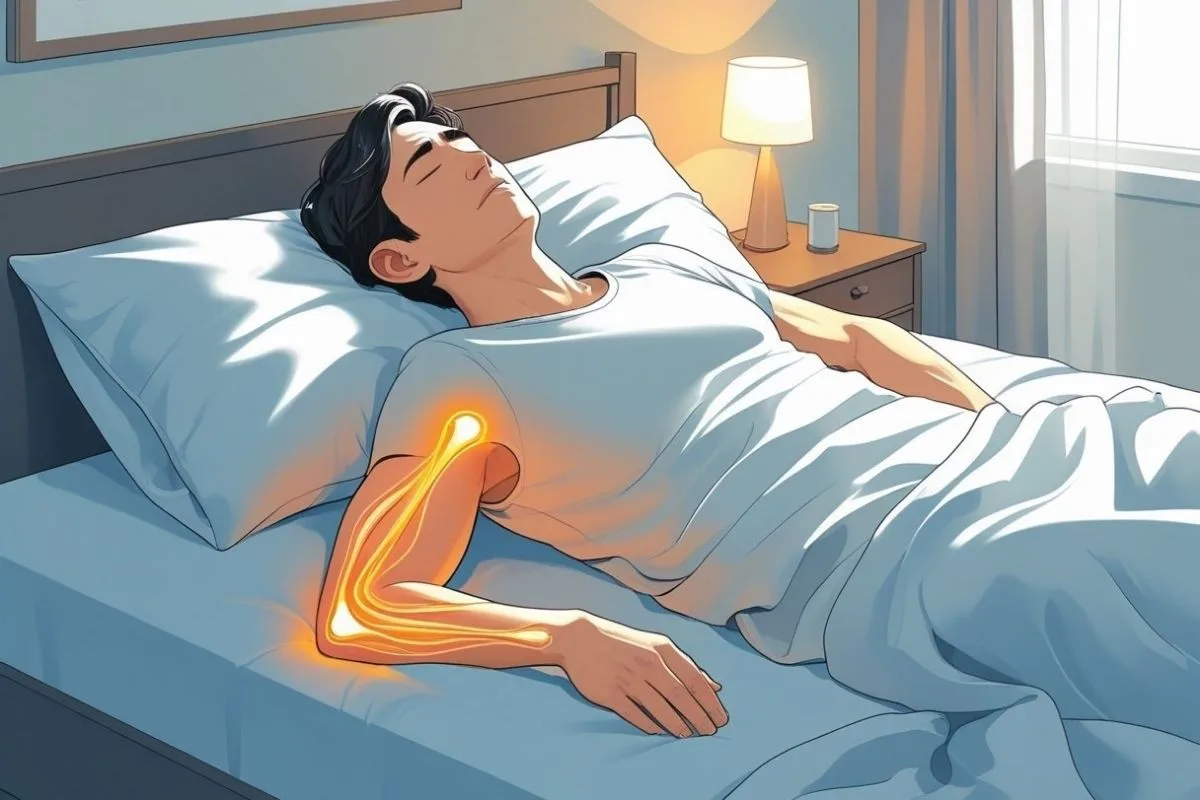
Sleep has a big impact on how the body senses pain. When sleep quality is poor, pain can feel stronger. When sleep is deep and restful, the body can manage pain better. The way the brain handles pain signals during different sleep stages helps explain why some people feel more or less pain depending on how well they sleep.
Sleep Stages and Pain Processing
Pain sensitivity changes depending on the stage of sleep. During deep sleep, also called slow-wave sleep, the body becomes less sensitive to pain. But during lighter stages of sleep or REM sleep, pain may feel sharper or more noticeable.
Even while sleeping, the brain continues to process pain. During deep sleep, the nervous system blocks some of the pain signals, which helps the body rest without being disturbed. But when sleep is cut short or keeps getting interrupted, the brain loses some of its ability to block those signals. As a result, pain can feel stronger once awake.
When people don’t get enough sleep, the body’s natural way of controlling pain weakens. This creates a cycle. Bad sleep leads to more pain, and more pain leads to worse sleep. Getting good, consistent sleep helps the body manage pain more effectively.
Brain Pathways Involved in Pain and Sleep
The connection between sleep and pain happens deep in the brain. Several areas of the brain and spinal cord work together to control both sleep and how pain is felt. The spinal cord first sends pain messages to the brain. Then, the brain decides whether to quiet or heighten those signals. Parts of the brain like the hypothalamus, thalamus, and brainstem play key roles in this process. They help manage sleep cycles and release natural chemicals that reduce pain. During sleep, these brain areas can lower pain sensitivity, allowing the body to recover.
Even though pain can’t be completely shut off during sleep, the brain helps tone it down. When these systems are disrupted, like in people who have sleep problems or chronic pain, the body loses some of its pain control. That’s why people with poor sleep often feel more pain. More details about how the brain’s chemistry connects sleep and pain are discussed in the study on sleep disorders in chronic pain and its neurochemical mechanisms.

Practical Strategies for Sleeping With Pain

Managing pain at night takes patience and small, steady steps. Adjusting how you sleep, setting up your room for comfort, and using simple relaxation methods can all help ease pain. With the right approach, it’s possible to get better rest, even when pain is strong.
Optimizing Sleep Environment
Setting up a comfortable space can help the body relax and rest better. Keeping the bedroom cool, around 65° to 68°F, helps the body settle naturally. Block out outside light with blackout curtains or shades. If noise keeps you awake, use a white noise machine or soft nature sounds to create calm. Good bedding matters, too. A mattress that fits your body’s needs, not too firm or too soft, helps relieve pressure. Supportive pillows can reduce pain in the neck, hips, or knees. Loose, breathable clothes and a clean room also help the mind relax, which can ease how strongly pain is felt.
Sleep Positioning for Pain Relief
How you lie in bed can affect your comfort. For neck pain, sleeping on your back or side keeps the spine aligned. A flat pillow, or no pillow at all, can ease strain on the neck. If your lower back hurts, try sleeping on your back or side with bent knees. A pillow under or between your legs helps reduce pressure. For knee pain, a pillow between the legs provides extra support. Those with hip pain may find relief lying on their side with a pillow between the knees or sleeping on their back to avoid twisting.
Changing positions slowly through the night helps prevent stiffness and can keep pain from building up.
Techniques for Falling Asleep Despite Pain
Pain can make falling asleep hard, but simple techniques help calm the body. Deep, steady breathing can shift your attention away from pain. Counting breaths or using guided meditation helps the body relax.
If you wake up in the middle of the night, avoid looking at your phone or other screens. The blue light can interfere with sleep hormones. Instead, read a few pages of a book or listen to soft music until you feel drowsy again. Visualizing peaceful places or repeating a calming phrase can quiet the mind. Give yourself time to relax before trying to fall back asleep instead of forcing it.
Relaxation and Mindfulness for Nighttime Comfort
Stress and pain are closely connected. Calming your body before bed can ease both. A short routine, like stretching, deep breathing, or taking a warm shower, can slow the heart rate and prepare your body for rest.
Mindfulness helps you notice pain without reacting strongly to it. Instead of fighting discomfort, you learn to stay calm and reduce stress, which makes pain feel more manageable. Meditation or gentle yoga can support this calm state. Keeping a positive mindset also helps. Remind yourself that rest is still possible even when pain is present. This small shift in thinking can reduce worry and help your body find a better rhythm for sleep.
Medical and Behavioral Interventions
Effective management of pain and sleep issues often requires a combination of medical and behavioral treatments. Careful choices in medication, along with focused non-drug therapies, can improve both sleep quality and pain relief. Recognizing when professional guidance is needed also plays an important role in treatment success.
Pharmacological Approaches
Medications are commonly used to manage both pain and sleep problems. Over-the-counter pain relievers like acetaminophen or ibuprofen can reduce mild to moderate pain and may help improve sleep by easing discomfort.
For more severe cases, doctors might prescribe opioids or other pain medications, but these carry risks such as dependence and side effects. Sleep medications like sedatives may be used temporarily but are generally discouraged for older adults due to increased risk of falls and cognitive effects. Off-label drugs such as certain antidepressants or anticonvulsants are sometimes prescribed to improve sleep and reduce pain. However, these have limited evidence in older adults and may cause side effects. Careful evaluation is needed to minimize harm while seeking effective relief.
Non-Drug Treatments
Behavioral therapies are important to improve sleep and reduce pain without medication risks. Cognitive Behavioral Therapy for Insomnia (CBT-I) is a well-researched approach that helps change negative thoughts and behaviors around sleep.
CBT-I techniques include sleep restriction, which limits time spent in bed to increase sleep drive, and stimulus control, which strengthens the association between bed and sleep. Relaxation training reduces physical tension that worsens pain and sleep problems. Other non-drug options include physical therapy, mindfulness, and activity pacing to improve function and decrease pain-related disability. Positive airway pressure therapy may help if sleep apnea worsens the pain-sleep cycle.
When to Seek Professional Help
If pain or sleep problems persist despite home treatments, professional evaluation is necessary. Signs to seek help include chronic pain significantly affecting daily life or sleep lasting longer than a month.
A healthcare professional can assess underlying medical conditions, review medications, and recommend tailored interventions. Specialists in pain management or behavioral sleep medicine offer treatments like CBT-I adapted for complex cases. Early consultation can prevent worsening symptoms and reduce the need for high-risk medications, improving long-term pain and sleep relief.

How the Right Mattress Can Ease Pain and Improve Sleep
A good mattress does more than help you fall asleep. It supports your body the right way. When the mattress keeps the spine straight, it takes pressure off your back, neck, and joints. Medium-firm mattresses usually give the best mix of comfort and support. They ease sore spots while keeping your body in a healthy position, which can help reduce back pain and improve rest for people who struggle with discomfort.
Each mattress type has its own strengths. Memory foam adjusts to your body’s shape, reducing pressure on the shoulders and hips. Latex mattresses feel firm but still flexible, giving steady support. Hybrid models blend coils and foam, offering both bounce and contouring. The right choice also depends on how you sleep. Side sleepers may prefer a softer feel, while back sleepers often need something firmer to keep their spine aligned. A mattress that balances support and pressure relief helps reduce tossing and turning, leading to deeper and more peaceful sleep.
It’s a good idea to test a mattress for a few weeks since your body needs time to adjust. Many brands offer trial periods and warranties so you can find what truly fits your needs. One mattress to consider is the Helix Midnight Luxe mattress. It has zoned lumbar support to ease tension, memory foam for gentle cushioning, and a soft, breathable Tencel cover that stays cool through the night. This mix of comfort and support makes it a solid choice for anyone dealing with pain and looking for better-quality sleep.

Frequently Asked Questions
Pain and sleep are closely connected. When sleep is poor, pain can feel worse. And when pain keeps you up, it’s harder to get the rest your body needs. Simple changes in routine and treatment can help improve both.