

Sleep problems are common for people with autism and can affect daily life. Many have trouble falling asleep, staying asleep, or getting deep rest. Poor sleep can increase anxiety, cause behavior problems, and affect overall health. The reasons for sleep difficulties in autism can include brain differences, sensory sensitivities, and routines that don’t match typical sleep patterns. Sleep issues can also impact family members and caregivers. Understanding how autism affects sleep is important to find practical ways to help.
Simple changes in routines and the environment can improve sleep. Strategies that create calming bedtime habits and reduce sensory distractions can make sleep easier for people with ASD. Knowing about these approaches can help support better rest and daily functioning.
Key Takeaways
- Sleep problems are common and affect daily life in people with ASD.
- Neurological and sensory differences contribute to sleep challenges.
- Practical strategies can help improve sleep and overall well-being.
- A mattress that provides gentle pressure and proper support can help individuals with ASD feel calmer and more comfortable when sleeping.

How ASD Affects Sleep
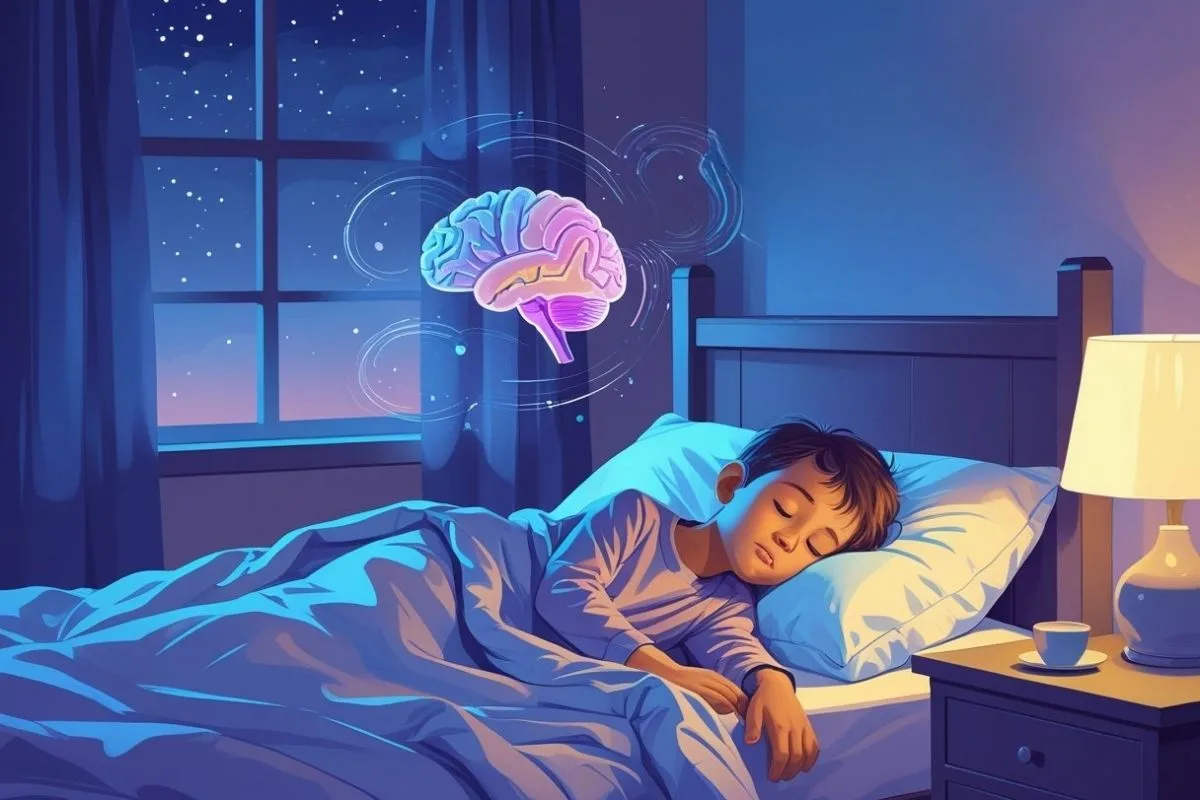
Sleep problems are very common in people with autism spectrum disorder (ASD). These difficulties include trouble falling asleep, staying asleep, or getting enough rest. They can look different at different ages and can affect daily life and behavior.
Prevalence of Sleep Issues in Autism
About 50% to 80% of children and teens with ASD have sleep problems. This is higher than the 20% to 30% seen in kids without autism. Adults with ASD can also have trouble sleeping, but there is less research on them. Sleep problems can affect the whole family. If one person’s sleep is disrupted, it can change routines at home and increase stress. Because sleep issues are so common, they are often discussed during medical visits for people with autism.
Types of Sleep Disturbances in ASD
Common sleep problems in ASD include:
- Trouble falling asleep (insomnia)
- Waking up during the night
- Anxiety or resistance at bedtime
- Sleeping fewer hours than needed
- Snoring or sleep apnea
These issues can affect behavior. Poor sleep can increase anxiety, stimming, and irritability during the day. Fragmented sleep also reduces emotional and behavioral control, making everyday challenges harder.
Differences Between Children and Adults
Autistic children often resist bedtime and wake up frequently at night. Many continue to have these problems as they get older. Adults with ASD may sleep fewer hours and wake up more during the night, but sleep difficulties usually persist. Brain differences in ASD can affect sleep. Children may have changes in sleep patterns, like fewer sleep spindles, which can lower sleep quality. Adults show different changes in certain brain areas.
Sleep problems show up differently at different ages, but they remain a big concern for people with autism throughout life. For more on autism and sleep challenges, see the research on the relationship between autism spectrum disorder and sleep.
Common Sleep Problems in ASD
People with autism usually face specific challenges related to sleep. These can include trouble falling asleep, waking up during the night, or feeling very sleepy during the day. These issues can affect daily life, so it’s important to understand them.
Insomnia and Difficulty Falling Asleep
Insomnia is common among people with autism. It may show as difficulty falling asleep or staying asleep through the night. Anxiety, sensory sensitivities, or irregular melatonin levels can contribute to the problem. Some individuals find it hard to relax at bedtime, so it takes longer for them to fall asleep. This can happen if the part of the brain that controls sleep cycles isn’t working properly. Daily routines and the sleep environment also play a role.
Insomnia affects more than just nighttime. It can lead to tiredness, trouble focusing, and low energy during the day. For adults, these issues can interfere with work, social life, and overall well-being.
Night Wakings and Early Risings
Waking up in the middle of the night is common. These awakenings may last a few minutes or longer and make it difficult to get enough rest. They can be caused by sleep anxiety, sensory sensitivities, or medical conditions like sleep apnea. Some people wake up very early, which shortens their total sleep time. This can worsen daytime sleepiness and make irritability or behavioral problems more likely.
Parents and caregivers often notice that disrupted sleep affects everyone in the household. Poor sleep can increase stress and make it harder to manage emotions.
Hypersomnia and Excessive Sleepiness
Some people with autism sleep too much or feel very sleepy during the day, even if they had a full night’s sleep. Excessive sleepiness can be linked to other health issues or medications used for autism-related symptoms. It can make it hard to stay alert at school, work, or in social situations. Daytime sleepiness lowers focus and motivation, making daily activities harder to manage. Addressing it usually means finding the cause and adjusting routines, environment, or treatment as needed.
These sleep challenges show that autism and rest are closely connected and can be complicated. Paying attention to sleep patterns can help support healthier, more
Underlying Causes of Sleep Issues in Autism
Sleep problems in autism often happen because of several connected factors. These include differences in brain function, changes in daily biological rhythms, and sensitivity to sensory input. Each of these can affect how long and how well a person with autism sleeps.
Biological and Neurological Factors
Autism is linked to differences in how the brain develops and works. These differences can make it hard to fall asleep or stay asleep. Some studies suggest that an imbalance in brain activity can disrupt normal sleep patterns. Brain chemicals like melatonin, which help control sleep, may also be lower or irregular in people with autism. This can make it hard to fall asleep or cause sleep to be broken up.
Brain activity during sleep, including patterns like sleep spindles and K-complexes, can also be different. These changes may prevent reaching the deeper, more restorative stages of sleep.
Circadian Rhythm Disruptions
Circadian rhythms control when people feel tired or awake over a 24-hour period. Many people with autism have differences in these rhythms, which can cause irregular sleep and wake times. Problems with circadian rhythms can come from irregular melatonin or being sensitive to light. This may make it hard to fall asleep at night or cause waking up too early.
Irregular sleep schedules can also affect behavior during the day and make other autism symptoms worse. Keeping a consistent sleep routine and managing light exposure can help regulate these rhythms.
Sensory Processing Difficulties
Sensory sensitivities are common in autism and can interfere with sleep. Strong reactions to sounds, lights, textures, or temperatures can make it hard to relax. Even small noises or uncomfortable bedding can wake someone up or make it hard to settle at bedtime.
Adjusting the sleep environment with calm routines, less noise, and sensory-friendly bedding can help improve sleep for many people on the autism spectrum.

Behavioral and Environmental Influences

Sleep patterns in individuals with autism spectrum disorder (ASD) are shaped by daily habits and emotional responses. Sticking to routines and managing anxiety play important roles in how children on the spectrum fall asleep and stay asleep.
Impact of Daily Routines and Screen Time
Daily schedules influence sleep quality for children with ASD. Having consistent times for waking, eating, and going to bed can help children fall asleep faster. When routines are inconsistent, children may take longer to fall asleep and wake up more during the night.
Screen use before bedtime can also affect sleep. Bright screens can make children more alert and delay sleep. Children on the spectrum may be more sensitive to these effects than others. What kids do during the day matters too. Less time spent outdoors or in social activities can lead to more sleep problems. Early outdoor play can sometimes be linked to sleep issues like night terrors, but it also affects daytime sleepiness and overall sleep patterns.
Bedtime Resistance and Anxiety
Bedtime resistance happens a lot in children with ASD. Anxiety, discomfort with change, or strict routines can make children resist going to bed. This can delay sleep and be frustrating for both children and caregivers. Some children show anxiety around sleep. They may have trouble settling down, ask to delay bedtime, or show fear of the dark or being alone. These behaviors can disrupt sleep and make nights harder.
Sleep anxiety looks different in autistic children compared with non-autistic children. Non-autistic children may worry specifically about sleep, while children with ASD may resist bedtime because of sensory sensitivities or a need for predictability. Behavioral issues and stressful environments can increase bedtime anxiety. That’s why sleep support tailored to each child can help improve their sleep. For more details on how social and environmental factors play a role, see this review on socio-ecological influences in ASD sleep here.
Consequences of Poor Sleep in People with ASD
Poor sleep in individuals with autism spectrum disorder (ASD) can directly affect daily functioning and social interactions. It can make existing challenges in behavior and learning harder. The impact also reaches beyond the person with ASD, affecting the well-being of family members and caregivers.
Effects on Behavior and Learning
Sleep problems in autism include trouble falling asleep, waking up during the night, and irregular sleep patterns. These problems cause daytime tiredness and irritability. Children with ASD who don’t get enough sleep may show more anxiety, hyperactivity, and repetitive behaviors. Poor sleep can make it harder to focus and learn. It slows thinking and memory, which are important for developing new skills. Sleep loss also affects emotional control, leading to mood swings or aggression.
These challenges can make autism symptoms harder to manage and slow progress in therapy or school. Addressing sleep problems is important to help improve behavior and learning in people with autism. More information on autism and sleep can be found at the Sleep Foundation.
Influence on Family and Caregivers
When a child with ASD has sleep problems, parents and caregivers often lose sleep too. This can increase stress, fatigue, and make it harder to manage emotions. Sleep-deprived caregivers may struggle to concentrate or make decisions. Behavioral issues linked to poor sleep add to daily challenges for families. Parents often find it harder to handle disruptive or rigid behavior, especially when the child is tired.
Caring for a child with autism who doesn’t sleep well can create a cycle of exhaustion for the whole family. This can affect household dynamics and lead to burnout. Research shows that supporting both children with ASD and their families is important, as noted in studies from PMC.
Strategies and Treatments for Improving Sleep

Improving sleep for individuals with autism requires clear steps that focus on daily habits, targeted behavior changes, and in some cases, medical support. Each approach addresses specific autism sleep problems and helps manage issues like trouble falling asleep or frequent night waking.
Good Sleep Hygiene Practices
Good sleep hygiene means setting up habits and an environment that help with restful sleep. For people with autism, routines should be steady and calming.
Key habits include:
- Going to bed and waking up at the same time every day
- Making the bedroom quiet, dark, and cool
- Avoiding screens at least an hour before bed
- her changes might include using sensory-friendly bedding or reducing bright lights and loud noises. Teaching these routines gives children a sense of security and signals that it’s time to sleep. Sleep hygiene may need to be adjusted for sensory sensitivities seen in autism.
Behavioral Interventions
Behavioral interventions focus on changing habits or reactions that interfere with sleep.
Some common methods include:
- Creating bedtime routines with calm activities like reading or soft music
- Using visual schedules or social stories to get ready for sleep
- Slowly reducing parental presence to encourage independent sleep
- Teaching relaxation or simple strategies to ease nighttime anxiety
Cognitive-behavioral therapy (CBT) adapted for autism can help with worries and falling asleep. Parent-led CBT allows caregivers to apply strategies at home. These methods can lower sleep anxiety, reduce night waking, and improve overall sleep.
Medical and Pharmacological Options
Sometimes, medical support is needed when behavioral approaches aren’t enough.
Melatonin is used to help autistic children regulate sleep. Controlled-release forms may help them fall asleep faster and wake up less. Doctors might also recommend other medications depending on sleep issues and conditions like anxiety or ADHD.
Careful review is important to avoid treatments that could worsen sleep or behavior. Medical options work best alongside good sleep habits and behavioral methods. Consulting healthcare providers helps create safe, personalized plans. Some combined approaches, like melatonin with CBT, can work better than either one alone.
Further reading on these approaches is available at Sleep Strategies for Autism Spectrum.
Mattresses and Autism: Supporting Better Sleep
A good mattress can help reduce anxiety and ease sensory discomfort, which can make falling and staying asleep easier. Many mattresses designed for people with autism use materials that feel soft and gentle on the body. These fabrics can help create a calming environment for sleep.
Some features to look for when choosing a mattress include:
- Adjustable pressure: Offers gentle deep touch pressure
- Breathable fabric: Helps the body stay cool and dry
- Firmness options: Supports different sensory needs and body weight
Racing thoughts or worries can make it hard to sleep. A calming mattress can create a safe, relaxing space that helps reduce tossing and turning, allowing for longer rest. Mattresses that provide gentle pressure, similar to weighted blankets, can help some people on the spectrum fall asleep faster. Some hybrid mattresses, such as the Leesa Legend Hybrid Mattress, combine supportive coils with soft, pressure-relieving layers for both comfort and structure.

Frequently Asked Questions
Many people with autism spectrum disorder (ASD) have trouble falling asleep, staying asleep, or wake up too early. Poor sleep can affect mood, focus, and daily behavior. Certain routines can help, and some individuals may need medication under a doctor’s guidance.