When parents shop for a child’s bed, one question comes up right away. Should the mattress be soft or firm? They want their child to sleep through the night and wake up feeling okay. The wrong firmness can lead to poor sleep, body aches, and tossing around.
Children are still growing, so support is important. Their spine needs to stay in a straight, natural line during sleep. A mattress that is too soft can sink too much. One that is too firm can press too hard on certain areas. A mattress that’s too soft or too firm can affect sleep and posture, so evaluating mattress firmness best for kids, choosing a mattress for kids, and mattress thickness helps prevent discomfort and support healthy sleep habits.
There has to be a balance between comfort and steady support. The goal is to help the body rest without strain. And small details in firmness can change how a child sleeps. In the next sections, we’ll explore what level of firmness fits different ages and sleep styles.
Key Takeaways
- A medium-firm mattress is generally considered a good balance of support and comfort for a child’s developing body.
- When shopping for a kids’ mattress, support, durability, and material quality are usually more important than a plush feel.
- A child’s age, weight, and sleeping position can all affect firmness needs, though medium-firm options suit many sleepers.
- Very soft mattresses may allow too much sinkage, which can affect spinal alignment and overall sleep comfort.
- Materials like high-density foam, latex, and supportive coils can help a mattress keep its shape and provide reliable support over time.
Why Mattress Firmness Is Important For Kids
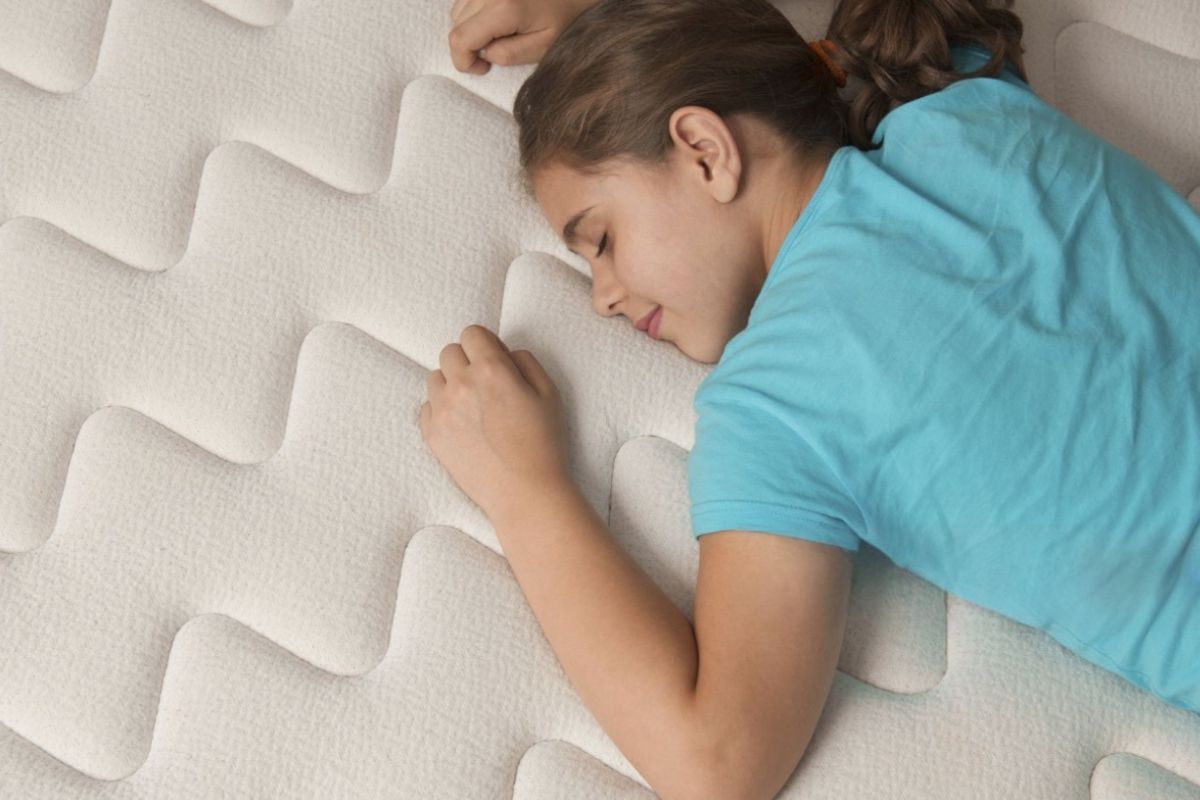
A child’s spine is still developing. During sleep, the body repairs muscles and supports growth. If a mattress is too soft, the hips can sink too low and shift the spine out of line. That lack of support can strain the lower back over time. When the spine is not aligned, the body may feel sore in the morning. Poor support night after night can lead to posture issues. And kids may not notice the problem right away. They may just say they feel tired or uncomfortable.
If a mattress is too firm, the shoulders and hips may not sink in enough. This can lead to pressure and constant movement during the night. A medium feel usually gives the balance a growing body needs. It allows some cushion without losing proper support.
Do Kids Need A Soft Or Firm Mattress For Proper Support?
Parents may wonder if a child needs a soft or firm mattress for proper support. In most cases, a medium-firm feel is the better choice. It keeps the spine straight and still gives a bit of cushioning. Kids are lighter than adults, so they do not sink in as much. Because of their lower weight, a mattress that feels medium to an adult can feel firmer to a child. And that is not a bad thing. A slightly firmer surface helps hold the body up through the night. It keeps the spine in a steady, neutral position.
Soft beds may feel cozy at first, but support matters more. Too much sink can throw off alignment over time. A balanced, medium-firm mattress gives comfort without losing support. That steady support is key while their bodies are still growing.
Mattress Materials
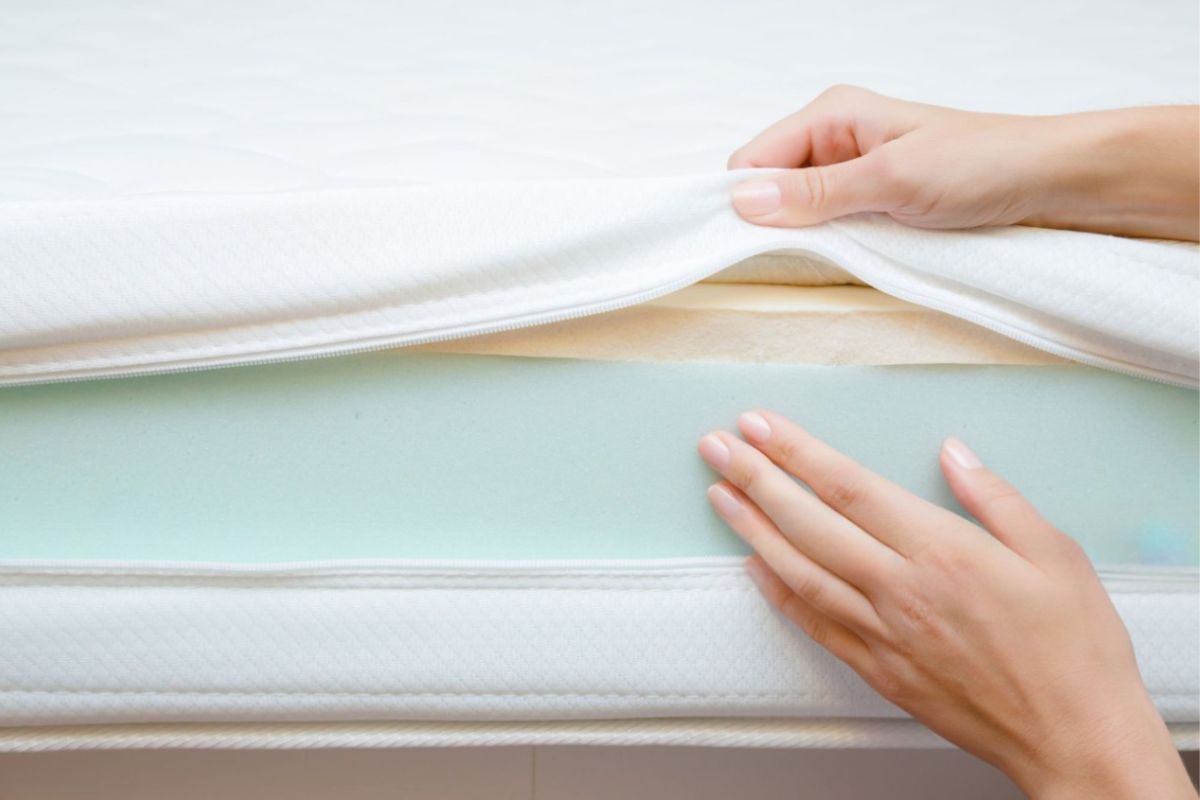
Firmness does not tell the whole story. The materials inside the mattress matter just as much. They affect comfort, support, and how long the bed will last. A firm feel means little if the inside breaks down too soon.
High-density foam, around 1.8 lb density or higher, tends to hold its shape longer. Latex layers can add steady support and resist wear. Strong innersprings also help keep the mattress stable over time. Thick layers of low-density polyfoam are best avoided.
Low-quality foam can wear out faster than expected. Kids jump, sit, and play on their beds every day. Softer, cheaper layers may form dents and sagging spots. Better materials help the mattress stay supportive as the child grows. Low-quality foam may sag quickly under daily use, so keeping in mind mattress type best for kids, kids with allergies, mattress lifespan, and mattress size helps prevent early wear and ensures long-term comfort.
Choosing Firmness Based on Your Child’s Age and Size
A child’s age and size should guide mattress firmness. Toddlers need a firm surface for safety and proper support. It helps keep their body stable while they sleep.
Preschoolers and early elementary kids usually do best on a medium-firm mattress. It gives support but still feels comfortable. At this stage, their bodies are growing and need balanced support.
Pre-teens and teens may need medium to medium-firm, based on weight and sleep position. As children grow, they put more pressure on the bed. Heavier kids may want a slightly softer top layer, but they still need solid support underneath.
What About Extra-Firm Mattresses?
An extra-firm mattress is not always better for kids. It can create pressure points and make sleeping uncomfortable. Some cushioning is needed to spread out weight and support their body. Parents should pay attention to how their child sleeps and moves at night. A mattress that is too hard can make kids toss and turn at night. Sleep should feel stable but not stiff. The surface needs to give a bit without feeling like a board. It’s important to check if the child wakes up with aches or stiffness.
Choosing the right firmness is about balance. Kids need support and comfort together. Too much hardness can interfere with rest and growth. A mattress that fits their needs helps them sleep more peacefully through the night.
Sleep Position And Mattress Firmness For Children
A child’s sleep position is important in choosing the right mattress. Side sleepers need cushioning at the shoulders and hips. Back sleepers need steady support to keep the spine aligned. Stomach sleepers need a firmer surface so the hips do not sink too low. Some children stay in one position all night. But many move around while they sleep. A medium-firm mattress can handle these shifts. It supports the body without feeling too hard.
A very soft mattress may feel comfortable at first. But it can let the body sink too much as the night goes on. That can lead to poor alignment. Steady support helps a child rest in a healthy position.
Is A Soft Mattress Bad For Kids?
A very soft mattress can create issues for kids. It may feel cozy at first. But too much sinking can throw off spinal alignment. A child’s body still needs steady support while it grows. When the body sinks too deep, the back is not held in a straight line. That can lead to soreness in the morning. Some kids may also toss and turn more at night. Poor support can also affect sleep quality over time.
Soft beds can lose shape faster under active children. Once sagging starts, the mattress no longer gives steady support. That is why many parents choose a firmer surface for growing kids. A stable base helps the mattress last longer too.
Common Mistakes Parents Make
Many parents pick a mattress based only on price. Some go for extra soft or “plush” styles without thinking about support. Others don’t check foam density or consider how long the mattress will last.
A mattress is more than a soft place to sleep. It needs to support a growing body and hold up over time. Choosing low-quality materials can lead to sagging or early replacement. It helps to think about durability and structure. Good materials give proper support and comfort for your child. And that prevents problems down the line with wear or back discomfort.

Do Kids Need A Soft Or Firm Mattress For Growth?
Healthy sleep helps kids grow and stay alert. During deep sleep, the body releases growth hormones. A mattress that keeps the spine aligned supports posture and natural development. Parents often ask if kids need a soft or firm mattress for growth. The answer is to prioritize support first and comfort second. A medium-firm mattress with strong materials gives a steady base for growing bodies.
The mattress should hold its shape under normal use. Too soft or sagging surfaces can affect posture over time. Choosing the right support helps kids sleep safely and comfortably each night.
Final Thoughts
Kids usually do best on a medium-firm mattress. This provides support for their spine while still giving some gentle cushioning. Toddlers need firmer surfaces, while older kids can handle slight contouring.
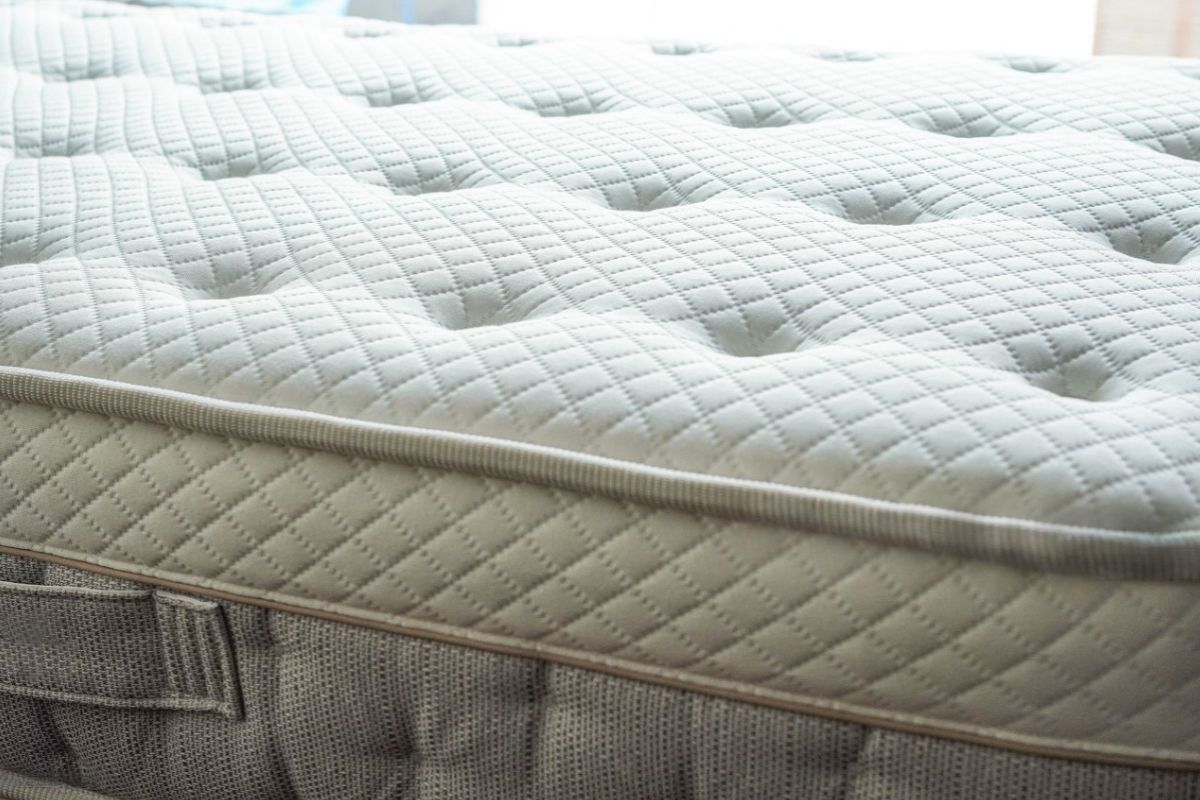
When picking a mattress, focus on support, durability, and safe materials. Avoid overly soft pillow-tops that sink too much. Strong cores and quality comfort layers help the mattress last and keep your child comfortable. Growing bodies need a proper foundation for sleep. The right mattress supports healthy posture and rest. Choosing carefully helps kids wake up refreshed and ready for the day.