

Sleeping with SI joint pain can be uncomfortable because certain positions add pressure to the joint. Lying on the side with a pillow between the knees can help keep the hips aligned and reduce strain. This small adjustment can make sleep more manageable. Additional support can help depending on how someone sleeps. A pillow under the abdomen can ease tension for stomach sleepers, while a pillow under the knees can relieve pressure for those on their back. Avoid positions that twist the lower back or put extra weight on the hips.
Other helpful steps include gentle stretching, using ice or heat before bed, and choosing a medium-firm mattress that supports the body. Combining these approaches can help someone with SI joint pain rest more comfortably.
Key Takeaways
- Pillow placement can reduce SI joint strain.
- Supporting hips and lower back keeps alignment steady.
- A proper mattress and simple bedtime routines improve comfort.
- The right mattress, like the Helix Midnight Luxe, supports the spine, eases SI joint pressure, and helps ensure a more comfortable, restorative sleep.

Understanding SI Joint Pain at Night

SI joint pain can disturb sleep because of where the joint is and how pressure affects it while lying down. The pain has many possible causes, and some things make it worse at night. How a person sleeps also affects how they feel the pain.
Common Causes of SI Joint Pain
The sacroiliac (SI) joint links the lower spine to the pelvis. Pain here can come from injuries, arthritis, or inflammation called sacroiliitis. Poor posture, uneven leg length, or weak muscles can strain the joint. Lifting heavy objects, sudden movements, or sitting for long periods can make pain worse. Pregnancy or accidents can also trigger problems in the SI joint. Doctors usually start by finding the cause. Treatments can include physical therapy, medications, or braces to support the joint.
Why SI Joint Pain Worsens While Sleeping
Lying down changes how pressure is placed on the SI joint. Some positions twist the hips or bend the spine in ways that increase pain. A mattress that is too soft or too firm can add extra pressure. Tight muscles around the joint may also get stiffer during the night. Pain can wake a person or make it hard to fall asleep. Using pillows under the legs or hips can help keep the joint stable and reduce discomfort.
Connection Between Sleep and Pain Perception
Not sleeping well can make the brain more sensitive to pain, including SI joint pain. Poor rest can reduce the body’s ability to control inflammation and heal tissues. Pain may feel stronger after a night of restless sleep, creating a cycle of discomfort. Simple relaxation methods like deep breathing can improve sleep and ease pain.
Finding a sleeping position that keeps the spine in a natural curve helps with both rest and pain. Good sleep habits are important for managing pain levels.
Best Sleeping Positions for SI Joint Pain
Finding a good sleeping position can help ease pressure on the sacroiliac (SI) joint. Supporting the body with pillows and keeping the hips and spine aligned can reduce pain. Even small changes can improve comfort and sleep quality.
Back Sleeping With Knee Support
Sleeping on the back can relieve SI joint pain. Lying flat keeps the spine in a natural position. A pillow under the knees is important because it helps the lower back relax and reduces stress on the SI joints. The pillow should be firm enough to bend the knees slightly. This keeps the pelvis from tilting in a way that increases pain. Some people put a small rolled towel under the lower back for more support.
This position helps the muscles around the SI joint relax and can lower inflammation. It works well for those who want to avoid twisting or putting pressure on the hips.
Side Sleeping With Pillow Between Knees
Side sleeping can help with SI joint pain too. The key is keeping the hips and pelvis lined up to avoid twisting. A firm pillow between the knees stops the upper leg from pulling the pelvis out of place. Slightly bent legs, not fully straight or tightly curled, help maintain alignment. A supportive pillow for the head and neck keeps the whole spine neutral.
This position can be better for people who don’t like sleeping on their back or have one side that hurts more. It lowers pressure on the affected SI joint and can improve comfort.
Adjustments for Stomach Sleepers
Stomach sleeping usually isn’t great for SI joint pain because it twists the spine and strains the lower back. If sleeping on the stomach is needed, a thin pillow under the lower abdomen or hips can help keep the pelvis in a better position. Using a flat pillow, or no pillow, under the head reduces neck strain. Slightly bending one knee may ease tension on the SI joint.
These adjustments can make stomach sleeping less painful, but they don’t remove all stress on the SI joint. Switching to back or side sleeping is generally better for relief. For more detailed tips on the best sleeping position for SI joint pain, consider exploring expert guides on how to align the body for comfort.

Special Sleeping Considerations
Sleep quality depends on how pressure is handled and how the body stays aligned. Small changes to sleeping positions and support can ease discomfort in areas like the sacroiliac (SI) joint and sacrum.
SI Joint Pain During Pregnancy
Pregnancy can increase SI joint pain because of extra weight and hormones that loosen ligaments. Sleeping on the side helps reduce strain, especially the left side. Placing a firm pillow between the knees keeps the hips aligned and reduces twisting. Another pillow under the belly supports the lower back. Sleeping on the back can put more pressure on the SI joint and affect circulation.
Gentle stretches before bed may help loosen tight muscles. Using a pregnancy or body pillow adds extra support and can make sleeping more comfortable.
Sleeping With Sacrum Pain
Sacrum pain is often linked to SI joint pain and can get worse at night with poor posture. Keeping a neutral spine is important.
Pillows can help with support:
- A pillow under the knees when lying on the back reduces strain on the lower back.
- Side sleepers can place a pillow between the thighs to keep hips aligned.
- A small rolled towel under the lower back adds sacrum support.
Medium-firm mattresses prevent sinking that adds pressure to the sacrum. Applying heat or ice before bed may also help reduce pain and inflammation.

Optimizing Your Sleep Environment

A good sleep setup can ease pressure on the sacroiliac (SI) joint and help with rest. Key steps include picking a mattress that keeps the spine in line, using pillows to reduce joint strain, and arranging the room to limit discomfort and support relaxation.
Choosing the Right Mattress
A medium-firm mattress usually is best for SI joint pain. It keeps the spine in a natural position without letting the hips sink. A mattress that’s too soft can twist the lower back and make pain worse. Memory foam and latex can help because they spread weight evenly. Side sleepers might need a softer mattress to cushion the hips, while back sleepers may prefer something firmer to stay aligned.
Old or sagging mattresses should be replaced. They lose support and can worsen SI joint pain. Trying mattresses in stores or using trial periods can help find the right one.
Pillow Selection and Placement
Pillows affect how the hips and spine line up. Using a firm pillow between the knees on the side keeps the hips level and prevents the SI joint from twisting. When lying on the back, a pillow under the knees reduces pressure on the lower back. For the head and neck, memory foam or feather pillows give steady support without raising the head too high.
Testing different pillow thicknesses and firmness helps find what eases pain for each sleeping position.
Room Setup for Comfortable Sleep
A dark, cool, and quiet room helps the body relax and lowers pain sensitivity. The ideal temperature is 60–67°F (15–19°C). Cutting out noise and bright lights, like electronics or clocks, helps with falling asleep. Bedding that feels comfortable and doesn’t trap heat also supports restful sleep. Adjusting the environment to avoid waking up often can reduce SI joint pain. Avoid caffeine and alcohol before bed, since they can disturb sleep and make pain feel worse.
Nighttime Relief Strategies Beyond Positioning

Managing sacroiliac (SI) joint pain at night is more than just picking a comfortable position. Gentle stretches, simple pain relief methods, and solid sleep habits can help reduce discomfort and improve rest.
Pre-Bedtime Stretches and Exercises
Stretching before bed can ease tension in the lower back and hips. Moves like side-bent hip lifts and bent knee raises target muscles near the SI joint. For side-bent hip lifts, lie on one side with knees bent around 45 degrees. Slowly lift the hip off the ground and lower it back down. Bent knee raises are done lying on the back, tightening the belly, and lifting one knee toward the chest. Hold for a few seconds and switch sides. Move slowly and stop if there’s pain.
Pain Management Techniques
Ice or heat can help before bed. Apply an ice pack wrapped in a towel for 20 minutes to the lower back or hips. Alternating between ice and heat can sometimes feel best. Over-the-counter pain relievers like ibuprofen or naproxen can help if used as directed. Deep breathing exercises can also ease tension. Belly breathing or the 4-7-8 method can calm the body and relax muscles.
Establishing Sleep Hygiene Habits
A good sleep environment supports pain relief. Keep the room cool, dark, and quiet to avoid disruptions. Avoid caffeine and alcohol close to bedtime. These can disturb sleep and raise inflammation. Turning off screens an hour before bed can help the mind relax. Sticking to a regular bedtime schedule helps the body adjust, making it easier to sleep even with SI joint discomfort.
Using these habits together can make nighttime pain easier to manage. For more tips, see how to get better sacroiliac joint pain relief.
When to Seek Professional Help
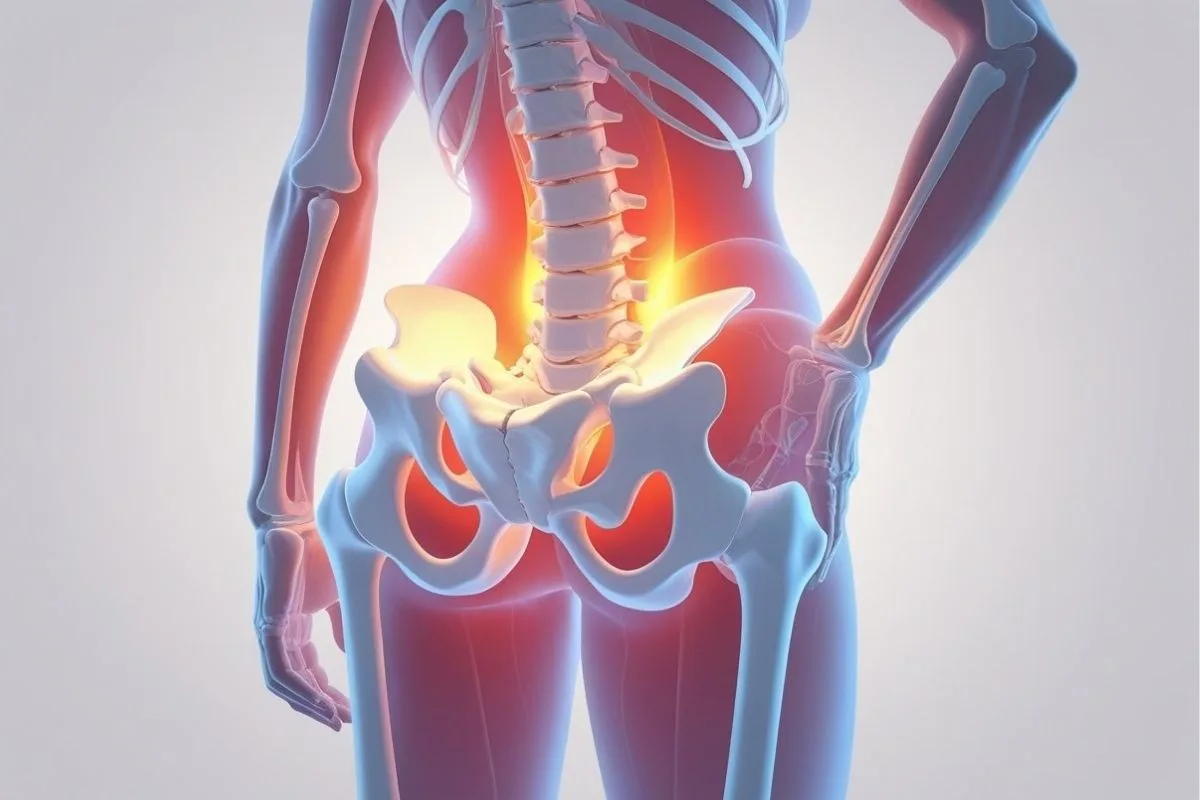
People with sacroiliac (SI) joint pain should pay attention to changes in pain or daily function. Noticing when pain gets worse or doesn’t improve with simple home care is important. Medical treatment can help if basic methods aren’t enough.
Identifying Signs of Worsening Pain
Pain that grows steadily or stays constant is a red flag. New issues like numbness, weakness, or tingling in the legs may suggest nerve problems. Pain that regularly affects sleep or stops normal activities is also a warning. Sudden, sharp pain after a fall or injury should be checked right away. If over-the-counter pain medicine doesn’t help, or the pain continues for weeks, it’s time to see a doctor.
Available Medical Treatments
Doctors may suggest steroid injections to ease inflammation in the SI joint. These can give temporary relief but shouldn’t be used too often because of side effects.
Physical therapy is another option. Strengthening muscles and improving stability around the joint can reduce pain. In some cases, procedures like radiofrequency nerve ablation or joint fusion surgery are considered if other treatments don’t help. Pain medications, including naproxen or ibuprofen, can be prescribed in safe doses. A full evaluation helps doctors choose the best approach for each person. More guidance on SI joint pain and sleep can be found at how to sleep with si joint pain.
Choosing a Mattress for Healthy Sleep and Hormone Balance
Choosing the right mattress is key for SI joint pain. Medium-firm mattresses are best because they support the spine without being too hard. The Helix Midnight Luxe Mattress is a hybrid mattress that combines memory foam with individually wrapped coils. The memory foam layers contour to the body, easing pressure on sensitive joints like the SI joint. The coils provide extra support for proper spinal alignment. It also has cooling features built into the foam, keeping sleep comfortable throughout the night.
Other benefits include:
- Zoned lumbar support for better hip and lower back alignment
- Breathable materials to reduce heat buildup
- A trial period so the mattress can be tested risk-free
For those with an older or sagging mattress, adding under-mattress support can help improve firmness and alignment without buying a new bed.