

Tossing and turning at night happens when a person keeps shifting in bed and can’t seem to settle down. It makes falling asleep or staying asleep tough. This restlessness usually comes from stress, physical discomfort, or an uneven sleep routine that throws off the body’s natural rhythm. It can also point to deeper issues like bad sleep habits, certain health conditions, or an uncomfortable bedroom setup. Fixing these areas can help calm the body and lead to deeper, steadier rest.
Once someone understands what’s causing the tossing and turning, it becomes easier to find ways to sleep better. Knowing when to adjust daily habits or talk to a doctor is important to break the cycle. Even simple steps, like changing the mattress, keeping a regular bedtime, or keeping the room cooler, can greatly improve sleep quality.
Key Takeaways
- Restlessness in bed usually comes from stress, discomfort, or bad sleep habits.
- Better sleep routines and surroundings can reduce tossing and turning.
- If the problem stays the same, it might be time to ask a doctor for advice.
- A supportive and comfortable mattress that relieves pressure and regulates temperature can help reduce tossing and turning for a steadier night’s sleep.

What Is Tossing and Turning in Sleep?

Tossing and turning means moving around a lot while trying to sleep. It can lead to restless nights and poor sleep. This movement includes waking up several times or struggling to settle back into sleep.
Common Signs and Symptoms
Tossing and turning usually shows up as constant position changes through the night. People may feel uncomfortable or unable to stay still. It can also come with waking up several times, especially when it’s hard to fall back asleep. Other signs include restlessness, sweating, or small muscle jerks. Because sleep gets interrupted, many people feel tired the next day. When this happens regularly, it might point to stress, anxiety, or conditions like restless leg syndrome.
What Is Considered Normal Nighttime Movement
Changing positions a few times each night is normal. These small movements help prevent stiffness and keep the body comfortable. They’re brief and don’t usually interrupt sleep. But if someone moves a lot or wakes up many times, that’s more than usual. Gentle movement that doesn’t wake a person up is part of healthy sleep. Too much movement, however, can signal discomfort or tension.
Distinction From Insomnia
Tossing and turning isn’t the same as insomnia, though they can happen together. Insomnia means having trouble falling asleep or staying asleep for a long time. Tossing and turning, on the other hand, is the physical restlessness that happens during sleep. It might show up as a symptom of insomnia or from other causes like stress or an uncomfortable room. Knowing the difference helps find better ways to rest.
For more details on what causes tossing and turning and how to prevent it, see this page on tossing and turning at night.
Causes of Tossing and Turning
Tossing and turning at night can happen for many reasons. It can be related to health problems, mood, daily habits, or even the bedroom setup. Each of these can affect how still and comfortable someone feels while sleeping.
Sleep Disorders and Health Conditions
Certain medical issues can make people move around more while sleeping. Sleep apnea is one example. It causes short pauses in breathing during sleep, and people may shift positions to breathe easier. Another condition, called periodic limb movement disorder, makes the legs move on their own during rest. These sudden jerks can break up sleep.
Restless legs syndrome also creates an urge to move the limbs, especially when lying down. Chronic pain, like arthritis, can make it hard to get comfortable, leading to more tossing through the night.
Psychological Factors
Stress and anxiety have a big impact on sleep. When the mind is active with worry, the body finds it hard to relax. This can lead to constant movement in bed. Conditions such as depression and chronic stress also disturb normal sleep cycles. A restless mind keeps the body from reaching deep sleep, so people end up turning and shifting through the night.
When stress levels are high, muscles tighten, adding to the problem. And when anxiety disrupts the body’s internal clock, sleep gets even more inconsistent.
Lifestyle Habits
Going to bed at random hours throws off the body’s natural rhythm. Sleeping too early or too late can make falling asleep harder, and staying asleep becomes a struggle.
Using phones or laptops before bed can also cause trouble. The blue light from screens slows the release of melatonin, the hormone that helps the body prepare for sleep. This makes it harder to feel sleepy and stay still through the night. Taking long naps during the day or skipping physical activity can also lead to restlessness at bedtime.
Environmental Influences
The bedroom setup plays a huge part in sleep quality. Bright lights, noise, or too much heat or cold can keep the body awake and uncomfortable. A mattress that doesn’t feel right or a pillow that causes strain can also lead to constant shifting. Finding a better sleeping surface helps the body relax longer in one position.
Turning off devices before bed and keeping the room dark, quiet, and cool can help calm the body for deeper rest.
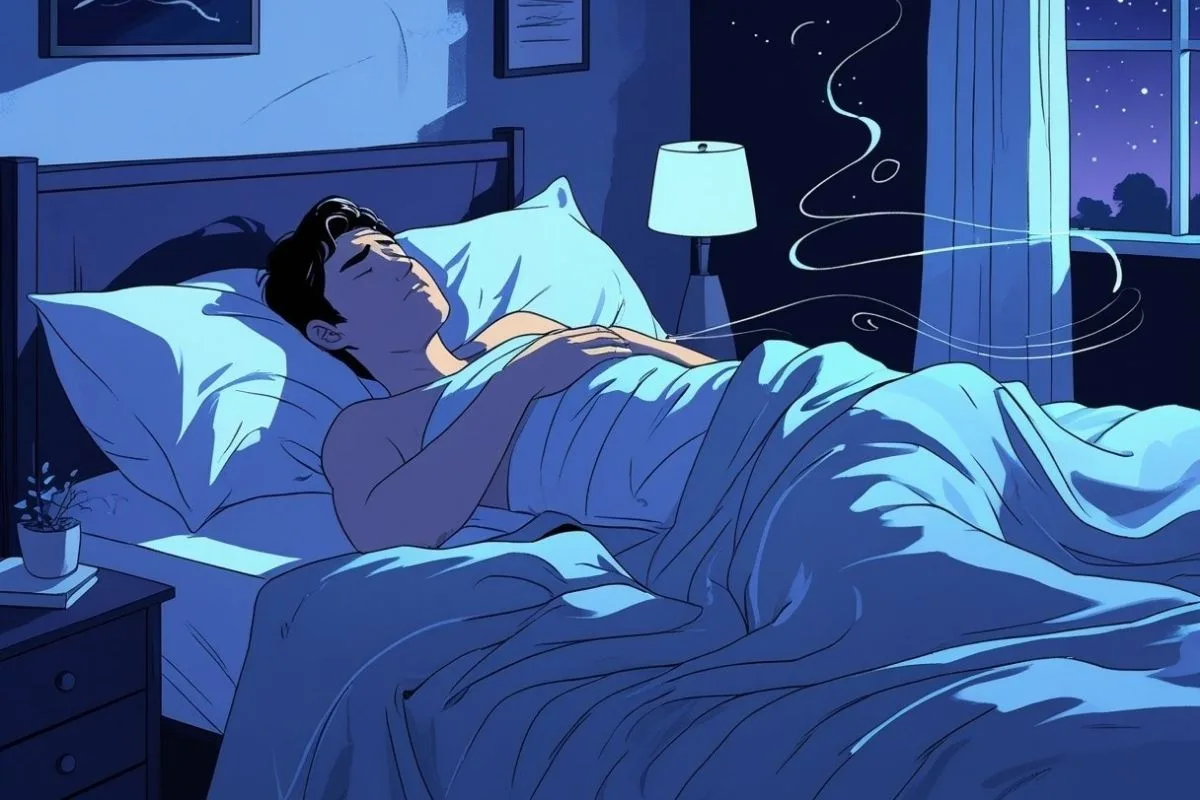
How Tossing and Turning Affects Sleep Quality
Tossing and turning at night can break the flow of your sleep, which can leave you feeling worn out the next day. When sleep gets interrupted too many times, the body can’t move through its normal rhythm. This throws off the natural sleep pattern and affects how rested you feel, both at night and during the day.
Impact on Deep and Light Sleep
Moving around too much in bed reduces the time spent in deep sleep, the stage where the body repairs itself and builds strength. Deep sleep helps with healing, memory, and immune support. When you shift positions a lot, your body stays in light sleep longer instead. Light sleep is easy to wake from, so you may end up feeling restless or groggy in the morning. Without enough deep sleep, your body doesn’t get the full rest it needs. This leaves you feeling drained or unfocused after waking up, since light sleep alone isn’t enough for full recovery.
Disrupted Sleep Cycles
Sleep runs in cycles that last about 90 minutes, shifting from light sleep to deep and REM sleep. Tossing and turning interrupts these cycles, causing short wake-ups or brief moments of awareness that cut the process short.
When the brain can’t move smoothly through each stage, it struggles to get into deeper rest. This can make it harder to fall back asleep and shorten total sleep time. Repeated disruptions stop the body from reaching the deeper stages needed for real recovery, lowering overall sleep quality. Over time, your internal clock gets thrown off, making it tougher to fall asleep consistently.
Daytime Consequences
Broken sleep leads to problems that carry over into the day. Without enough deep rest, it’s harder to focus, remember details, or stay patient. People may feel tired, grumpy, or mentally foggy, which can affect work, school, and relationships. Lack of proper sleep can also weaken the immune system and raise stress levels. Constant tiredness can make even simple tasks feel harder. Managing tossing and turning can help restore steady sleep and better energy during the day.
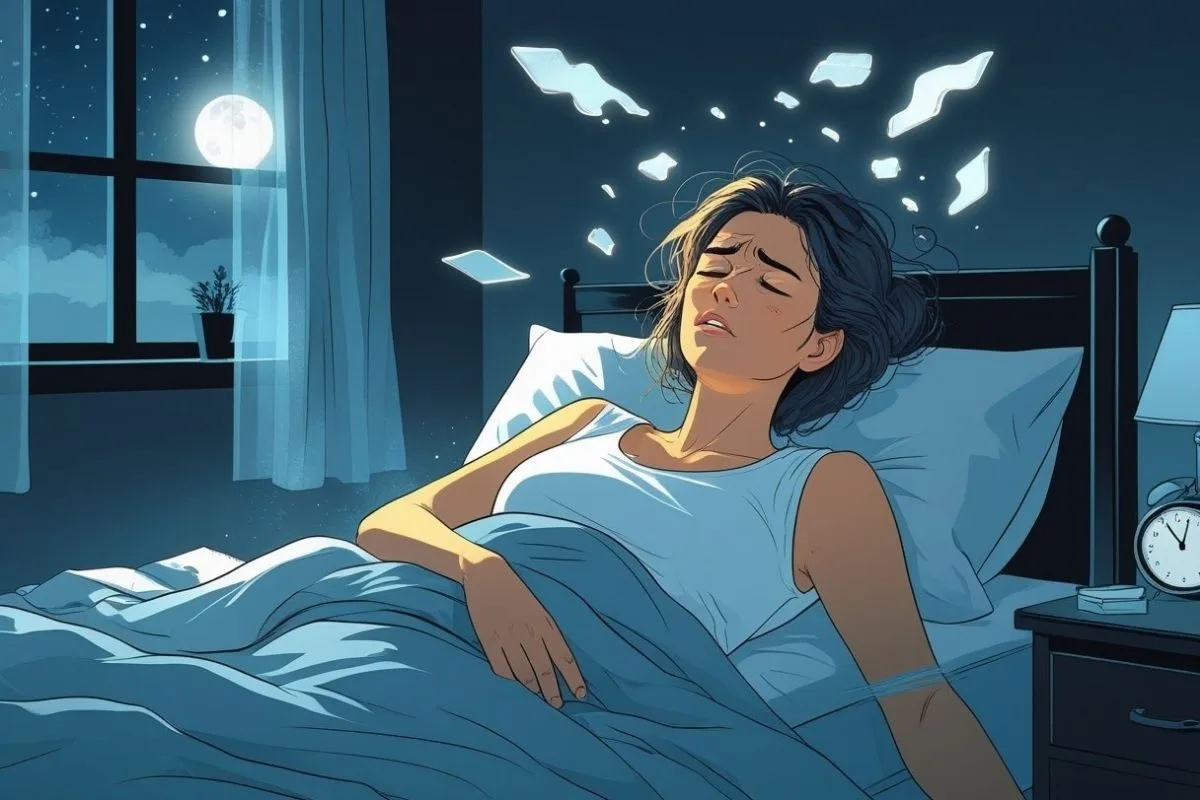
Strategies to Reduce Tossing and Turning

Tossing and turning at night happens when habits or conditions affect the body’s readiness for rest. Adjusting daily routines and easing mental tension can help the body relax and stay still while sleeping.
Improving Sleep Hygiene
Good sleep hygiene sets up an environment that supports steady rest. Keep the bedroom dark, cool, and quiet. Bright lights or noise can wake the brain and lead to tossing. Turn off screens at least an hour before bed. Blue light reduces melatonin, the hormone that signals your body to sleep. Avoid heavy meals, caffeine, and alcohol near bedtime since they can disturb sleep and affect serotonin.
Comfortable bedding and a supportive mattress lower physical discomfort. Simple routines like reading or gentle stretches tell the body it’s time to wind down. These habits help the body stay relaxed and reduce shifting during the night.
Establishing a Consistent Sleep Schedule
A steady sleep schedule helps the body’s internal clock, or circadian rhythm. Going to bed and waking at the same time each day balances cortisol and melatonin, making sleep faster and deeper. Irregular sleep times confuse the body, making it hard to feel sleepy at the right hour. This can lead to restlessness and frequent movement in bed.
Avoid going to bed too early or too late. Both can leave you feeling restless. Keeping the schedule consistent, even on weekends, supports better sleep and helps the body stay still during the night.
Managing Stress and Anxiety
Stress increases cortisol, which makes it harder to relax. Anxiety can cause a racing mind and physical restlessness, leading to tossing and turning.
Breathing exercises like deep breaths or paced breathing lower heart rate and cortisol. Meditation or visualization can calm anxious thoughts and relax the nervous system. Exercise during the day lowers stress and supports serotonin, which helps the body feel calm. Handling stress well allows the mind and body to settle into sleep without interruptions.
Optimizing Your Sleep Environment
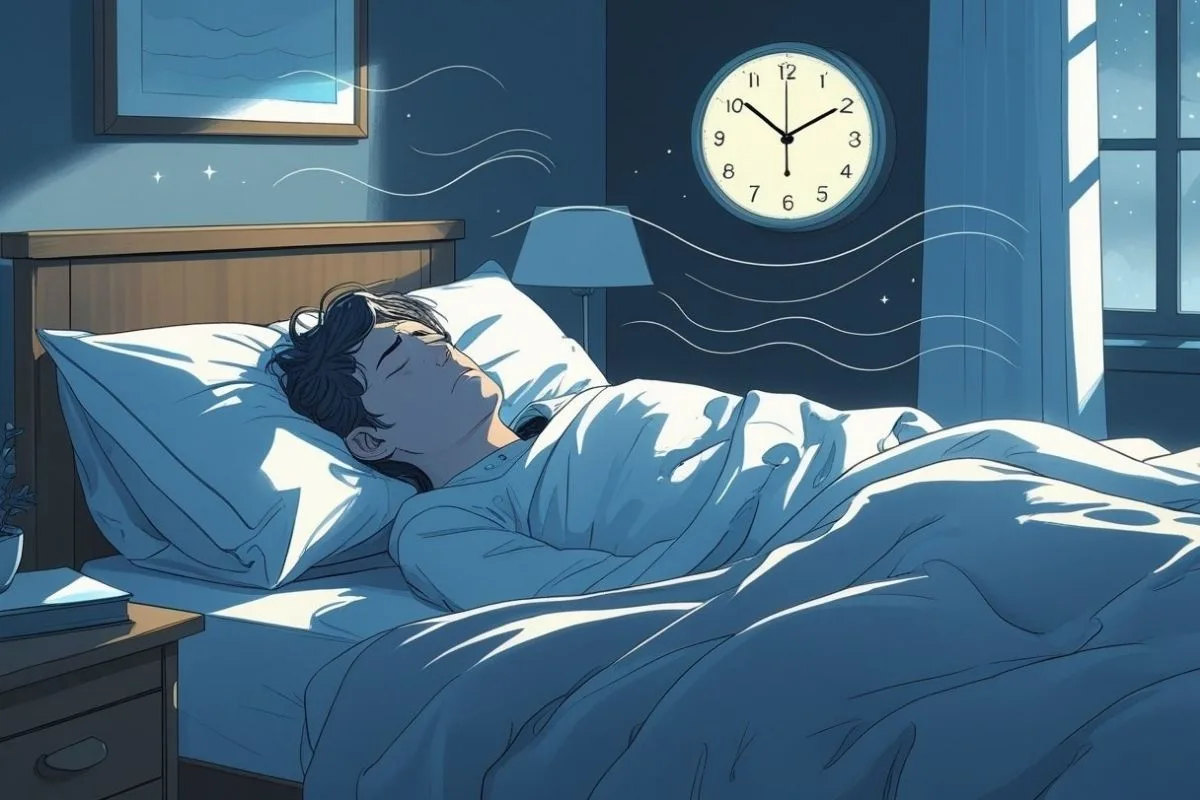
Creating the right conditions in a bedroom can reduce tossing and turning. Factors like temperature, bedding, light, and sound play a big role in helping the body relax and stay asleep.
Optimal Bedroom Conditions
The bedroom should be cool, quiet, and comfortable. A temperature between 60-67°F (15.6-19.4°C) helps the body lower its core temperature, signaling that it’s time to sleep. Make sure the room is ventilated but avoid drafts. Keep the space tidy and free of clutter. A clean room can calm the mind and prevent habits that disturb sleep.
Blackout curtains block outside light. This stops streetlights or early morning sun from waking you. Less light helps keep natural sleep cycles steady.
Role of Mattresses and Pillows
A mattress should hold the spine in a natural curve without being too firm or soft. Good support lowers body aches and reduces the need to shift around at night. Pillows should support the neck and keep the head aligned. This helps the airway stay open and prevents discomfort that can wake you. Bedding can affect sleep more than people realize. A mattress older than 7-10 years may lose support and increase tossing and turning.
Lighting and Noise Control
Light in the bedroom can interrupt sleep. Blue light from screens or small LEDs should be limited before and during sleep. Blackout curtains block external light. If some light is needed, use a dim, warm nightlight. This keeps sleep less disturbed.
Noise can break deep sleep and wake you up. Fans or white noise machines provide steady background sound that covers sudden noises. Reducing disruptions helps the brain stay in restful states and limits tossing and turning.
When to Seek Professional Help
Persistent tossing and turning can be a sign of deeper problems with sleep. It’s important to watch for specific signs that show when sleep issues need medical attention. Identifying these signs early helps in finding the right treatment and improving sleep quality.
Recognizing Warning Signs
If you toss and turn most nights and feel drained or moody during the day, it may be time to get checked. Waking up several times, feeling tired even after enough sleep, or taking more than 30 minutes to fall asleep can signal a problem. Other signs include loud snoring, gasping, or choking while sleeping. These symptoms could point to sleep apnea. Uncontrollable leg movements or repeated leg jerks during the night might indicate periodic limb movement disorder.
Sleep problems that leave you fatigued, irritable, or unable to focus should not be ignored. Writing down sleep patterns and symptoms in a diary can help a doctor figure out the cause.
Addressing Underlying Sleep Disorders
Conditions like sleep apnea, insomnia, and periodic limb movement disorder can cause frequent tossing and turning. Sleep apnea briefly stops breathing, which interrupts rest and causes waking. Periodic limb movement disorder makes the legs move repeatedly at night. This can stop deep sleep, leaving people tired even after a full night. Insomnia, triggered by stress, anxiety, or health issues, can also lead to restless nights.
Doctors may use sleep studies to track breathing, limb movement, and brain activity. Treatments vary. People with sleep apnea may need CPAP machines, those with limb movement disorder could get medication, and therapy can help with insomnia. Seeing a professional ensures proper diagnosis and care. For detailed medical insight, see Sleep Problems in Adults: When to Seek Help.
How Your Mattress Can Affect Tossing and Turning at Night
If your mattress is old or uncomfortable, you may find yourself tossing and turning. That happens because it doesn’t support your body correctly. When a mattress sags or loses shape, it can create pressure points. These spots can be uncomfortable, which leads to more movement at night. You might wake up with a stiff neck or back, or feel tired even after enough sleep.
A mattress that provides good pressure relief, proper support, and cooling can help you sleep more steadily. Mattress like the Brooklyn Bedding Sedona Elite combine support with cooling, which helps your body stay comfortable and reducing tossing at night.
Some mattress features to consider include:
- Even pressure distribution
- Proper spinal alignment
- Supportive but comfortable materials
- Good airflow to prevent heat buildup
A mattress that balances these points keeps your body supported and can improve sleep. Choosing one that fits your needs may help you stay comfortable through the night and move less while sleeping.
The Brooklyn Bedding Sedona Elite is a hybrid mattress with a mix of foams and individually wrapped coils. This gives some sink‑in comfort while still providing solid support. It also has a cooling top layer and materials that help regulate temperature. This can help if you wake up when your body gets too warm.
For people who toss and turn because their mattress doesn’t support or cool them well, this model could be worth checking out.

Frequently Asked Questions
Many factors can cause restless sleep and frequent movement at night. Simple changes in routine and environment often help, but some cases may require medical attention.